
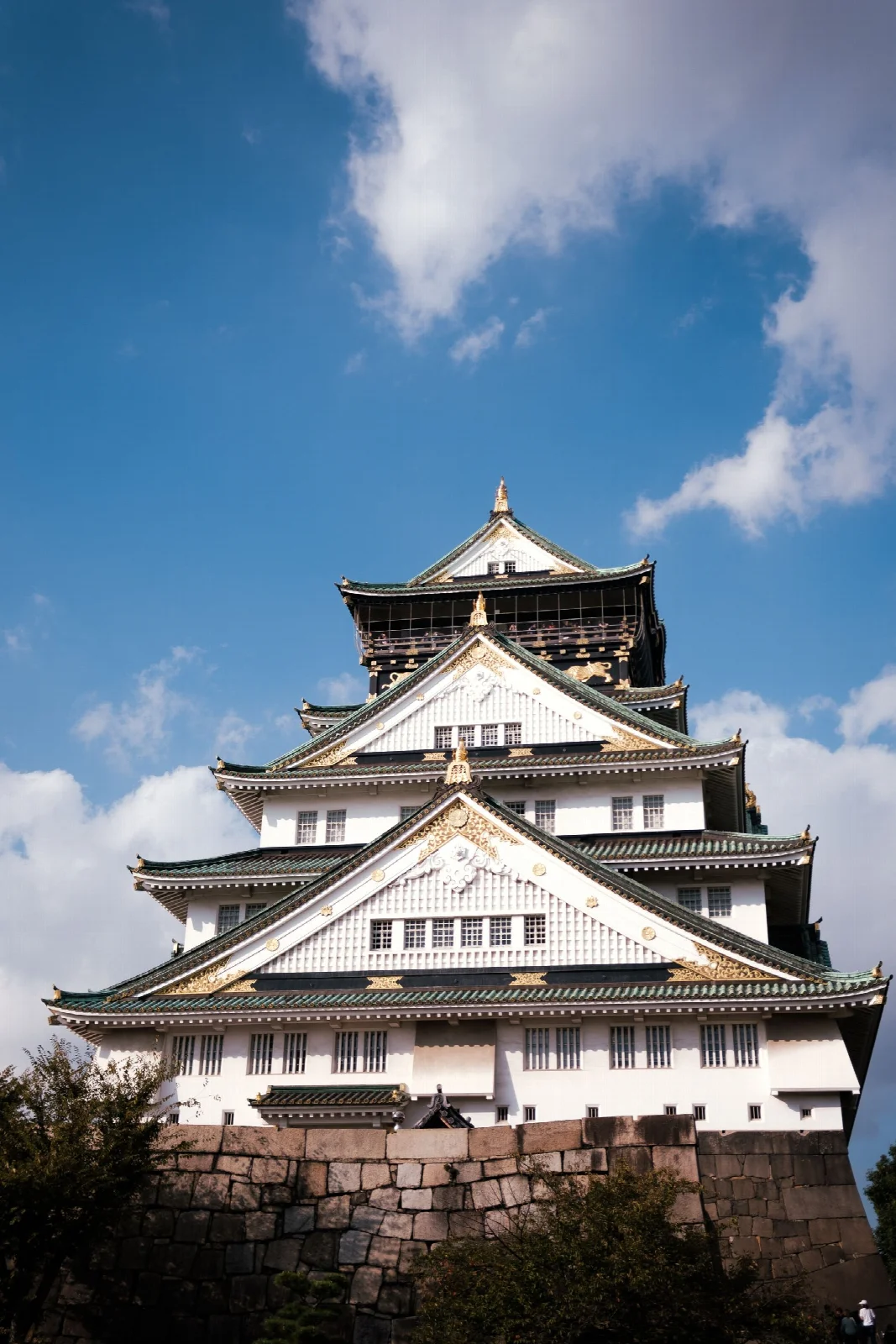
You may recognise Osaka first through its enormous signs. Stay a little longer and a canal walk, the open sky above the castle park and a warm meal reveal other sides of the city. The Tatilmerkezi Stork's route connects Umeda in the north with Namba and Shinsekai in the south, leaving the castle area as a place to slow down between them. Rather than putting every familiar image into one crowded day, give Osaka's daytime spaces and evening streets room of their own.
How long should you stay?
Two full days make a useful starting point for the castle area and several central neighbourhoods. Add separate time if a theme park, aquarium or extensive shopping programme matters to you. A long queue should not force the rest of your city visit out of the schedule. If Osaka is your base for Kansai excursions, remember that a day spent elsewhere is not also a full day exploring Osaka.
A short Namba walk and an easy meal may be enough for the arrival evening. If your flight reaches the area late, save the photography route for the following day. Nothing requires every hour from breakfast to bedtime to be occupied. Returning to a neighbourhood you enjoy under different light can be more rewarding than continually collecting new map pins.
Osaka Castle: separate the tower from the park
The main tower visible today is a reconstruction dating from 1931, rather than an unchanged medieval building. Visiting its interior and walking through the surrounding park are different experiences. If the historical displays interest you, check current museum arrangements and allow time inside. If your priority is open space and views, concentrate on the exterior walk instead.
The castle grounds are extensive, so do not confuse the station marker with the tower entrance. Approaches from Morinomiya or Osakajokoen include a walk through the area. Arriving from one direction and leaving by another may give you different perspectives without retracing every step. On a hot or wet day, include a place to pause or shorten the walk; the park does not have to be treated as a corridor to hurry through.
Dotonbori: the city reflected in water
Dotonbori is known for its canal, large advertising signs and food streets in Osaka's Minami area. Daylight reveals the buildings, while evening changes the scene through illumination and reflections. Explore different points along the water instead of concentrating solely on the busiest bridge. Stop where you can take a picture without blocking other people's route; a colourful composition does not require everyone around you to wait.
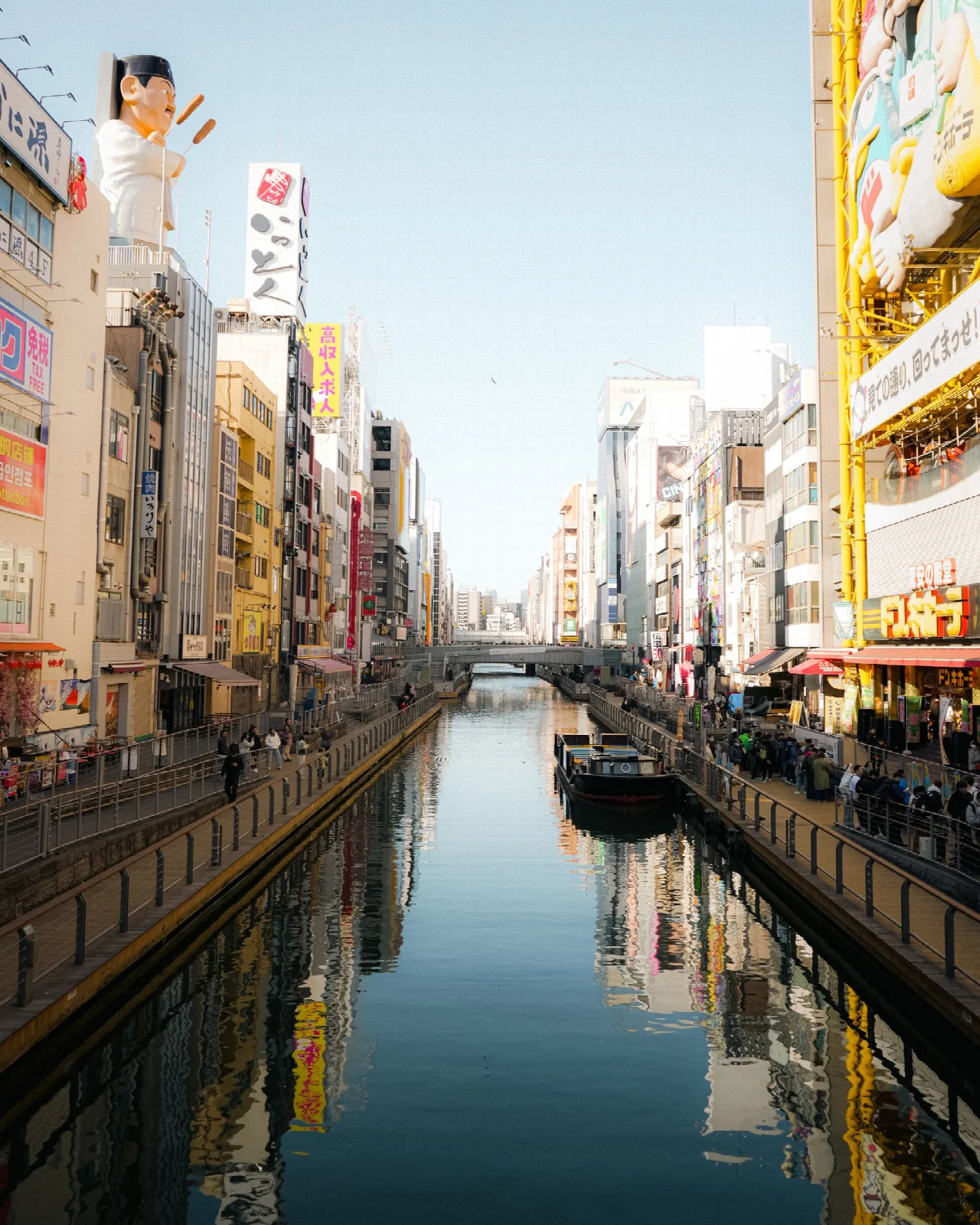
You do not have to eat at the most crowded point of the district. A short preliminary walk gives you time to inspect menus and queues before deciding. Work around a reservation if you have one, or keep several alternatives if you prefer flexibility. Ticketed activities such as canal cruises have separate schedules and weather considerations, so do not assume they can be added to the walk at any moment.
Kuromon: explore through small portions
Kuromon Ichiba is a covered market with seafood, vegetables, sweets and different food businesses. Individual shops keep their own schedules, as the official directory makes clear. Check a particular shop's opening arrangements if you are travelling there for one specific dish. If you mainly want to explore, arriving before a large meal leaves you room to try something that catches your attention.
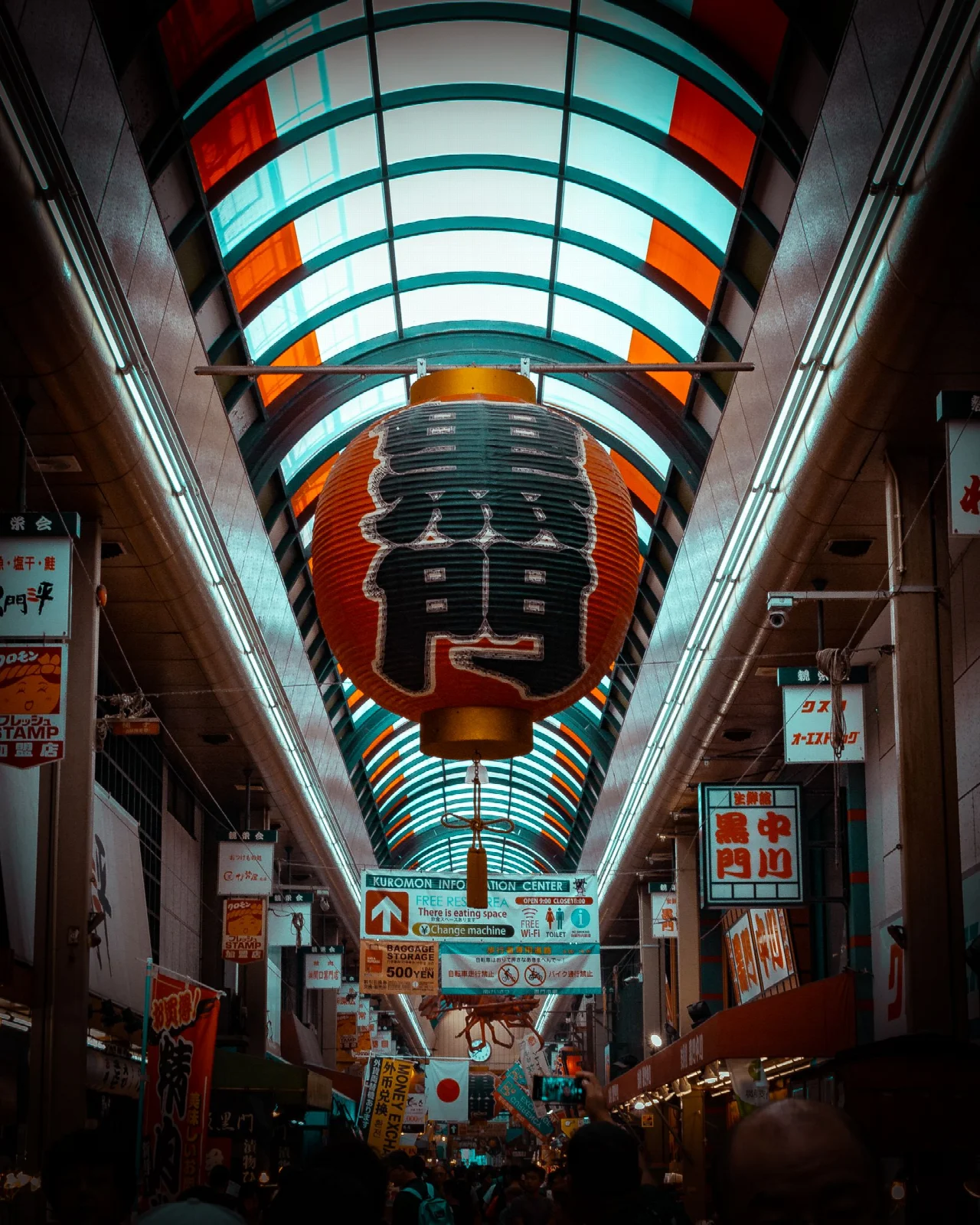
Start with small portions rather than ordering everything at once. Understand whether a displayed price refers to an item, a portion or a weight before buying. Follow the seller's arrangements for eating and disposing of packaging, and leave narrow passageways clear. Price signs visible in older photographs are part of the image of the market, not a current menu quotation.
Shinsekai: a different Osaka scene
Around Tsutenkaku Tower, Shinsekai offers distinctive signs, Janjan Yokocho and food stops with a street atmosphere different from Dotonbori. It can work as a neighbourhood walk and meal break without becoming a whole additional sightseeing marathon. Separate its nostalgic appearance from current business information: not every shop or attraction pictured in an old photograph will still be operating.
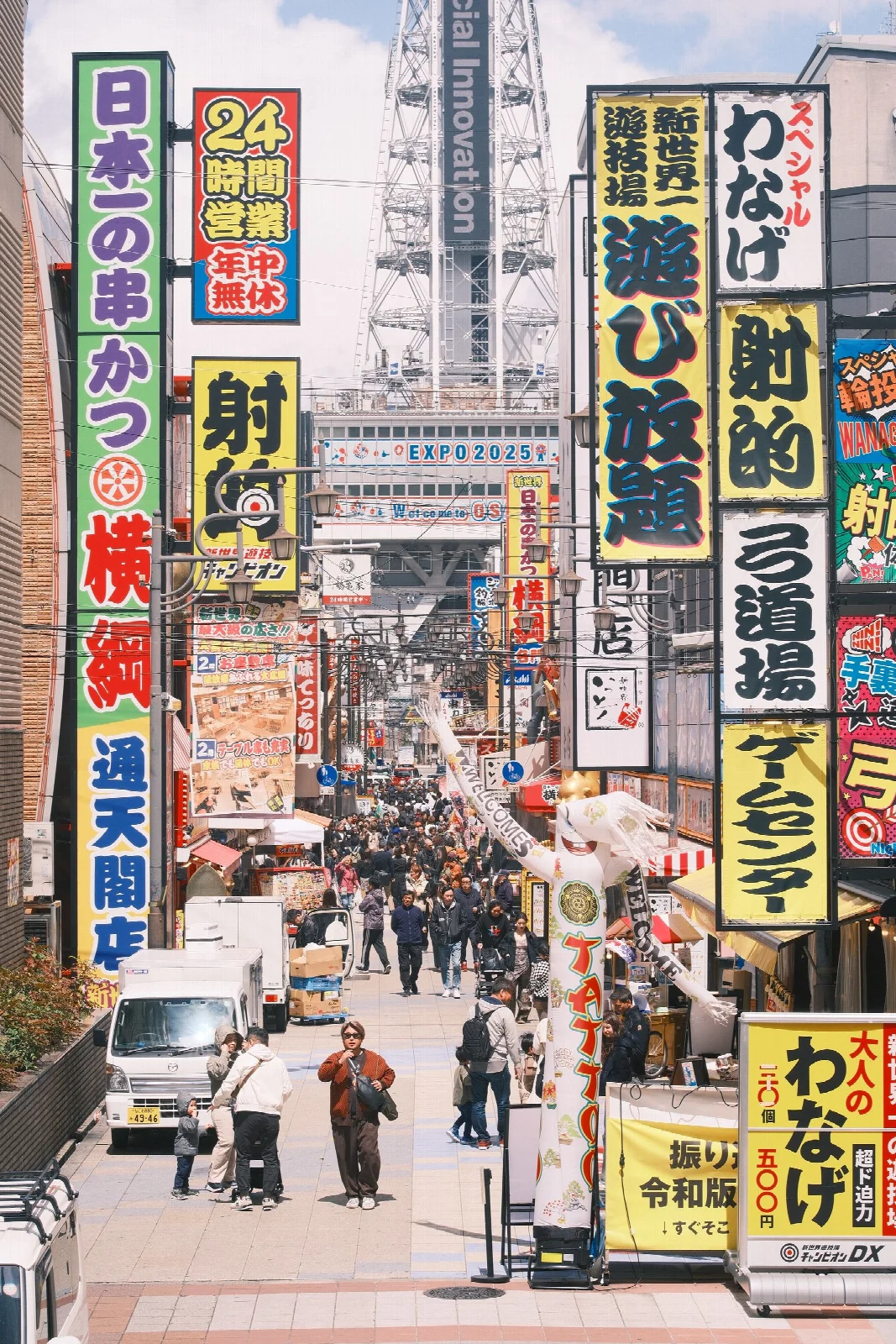
The area is one option for trying kushikatsu. Ask about the contents of the skewers and the restaurant's sauce arrangements rather than assuming identical service at every establishment. In a small restaurant, request permission before taking photographs. The Stork's suggestion here is simple: allow one street to explore, somewhere to sit and one thoughtfully chosen meal, instead of stopping only for a hurried tower picture.
Umeda: the northern city skyline
The connected upper sections of Umeda Sky Building make it a recognisable piece of Osaka's modern architecture. Viewing the exterior and visiting the observation area are separate choices. If you want to go up, check current visitor arrangements and the weather, and avoid squeezing the visit too tightly against a later long-distance train departure.
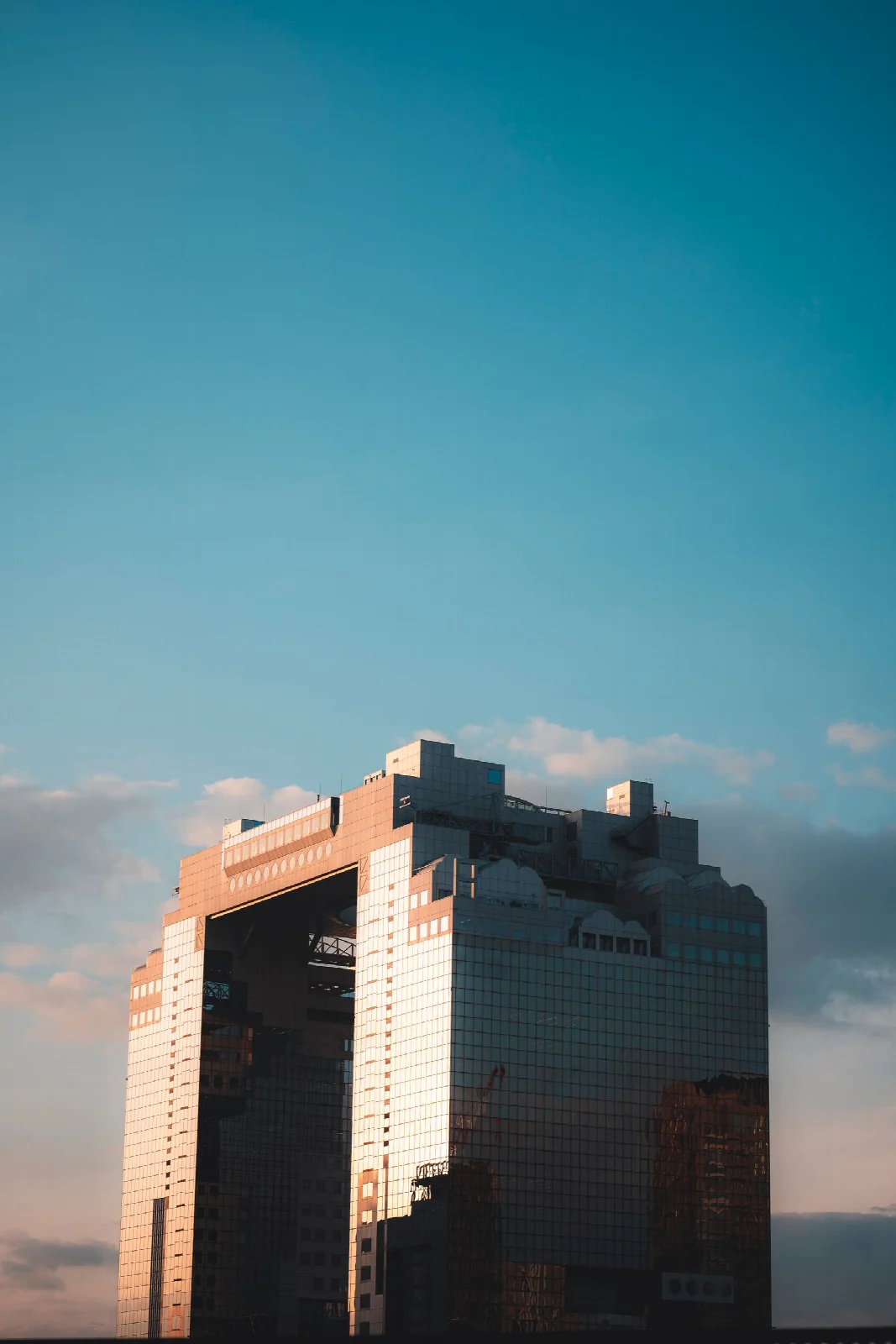
Allow some time to orient yourself around Umeda. The station connections and passageways can make a short-looking map route take longer on a first visit. For a meeting point, use a specific exit or identifiable building entrance rather than just the station name. If sunset is your goal, arrive with time for the walk and entry instead of reaching the building at the exact moment you hope to photograph the skyline.
From Kansai Airport to your accommodation
The airport's official rail information distinguishes JR and Nankai services. Nankai connections towards Namba and JR options serving areas such as Tennoji, Osaka or Shin-Osaka do not all finish in the same place. Compare them against your accommodation's location. A short airport train journey followed by a lengthy city transfer may be less useful than a slightly different direct connection.
Confirm your terminal, arrival time and ticket category. A limited express and an ordinary airport service may have different fare and seating arrangements. Do not guess the final departure of the evening; check the operator's timetable for your travel day. With a large suitcase, saving the route from a suitable step-free station exit to the hotel can make the first evening much easier.
Keep local transport manageable
Save the station, line and direction together. Large areas such as Namba and Umeda have several operator connections, so the neighbourhood name alone may not identify the entrance you need. If you are considering a sightseeing pass, list the transport and admissions you will actually use and compare that list with its coverage. Benefits that you never use do not create a saving.
Grouping the castle, Umeda and southern neighbourhoods sensibly reduces backtracking. Knowing the next useful station also allows you to shorten a walk when your energy changes. Neither boarding transport for every short distance nor attempting to cross the entire city on foot is necessary. Combine the two at a pace that works for you.
Where should you stay?
Namba can be a useful area to consider if evening meals and Dotonbori walks lead your plans. The Osaka Station and Umeda area may suit northern connections, while frequent high-speed train journeys make access to Shin-Osaka relevant. There is no single best neighbourhood for every visitor. Compare accommodation against the journeys and evenings you genuinely expect to have.
Noise, the walk back after dinner, bed arrangements and luggage services can matter as much as the nightly rate. A property using a station or district name is not necessarily beside the entrance you need. Families and larger groups should examine the actual walking route and usable room space, not just the short distance shown on a booking map.
What should you try eating?
Takoyaki are small batter balls containing octopus; okonomiyaki is a griddled dish with varied ingredients; kushikatsu offers fried items on skewers. Spread these possibilities across your days rather than treating them as three compulsory large meals. Small hot bites deserve patience, and checking what you are ordering is more useful than letting a busy queue rush your decision.
If you have particular dietary needs, ask about stock, sauces and toppings as well as the most obvious ingredients. The same dish name can cover different preparations. A simple meal near your accommodation may also be a welcome choice after a long day: every dinner does not need to become a destination in its own right.
A suggested two-day route
On the first day, make the castle and park your main visit, then move to Umeda for architecture and a skyline perspective. Finish with an easy meal near your accommodation. On the second day, consider a market visit at Kuromon, a later Shinsekai walk and Dotonbori in the evening. This is an editorial outline: adapt it to shop schedules, reservations and how much walking you want.
The outline also works if you remove a stop. Someone keen on the castle museum may prefer a longer first visit, while a food-focused traveller could extend Kuromon and skip an observation deck. Decide which experience you most want from each day and let the remaining stops be optional. That makes the route useful when queues, weather or your appetite change.
Frequently asked questions
Is Osaka mainly an evening destination?
No. The castle grounds, interior visits chosen around your interests and neighbourhood walks offer plenty of daytime possibilities. Evening Dotonbori can be an appealing conclusion, but it does not represent the whole city.
Should I visit Kyoto as a day trip from Osaka?
It can work for a limited selection of Kyoto sights. If you plan several days in different parts of Kyoto, include the time spent travelling back and forth in your decision. Staying overnight in both cities gives you different evening experiences.
Can I fit the castle, market and Dotonbori into one day?
A selective version may work, but a museum visit, long food queues and shopping can quickly expand it. Rather than also requiring Umeda and Shinsekai on that same day, choose the three places that most interest you and leave comfortable gaps between them.
Sources and current visitor information
Information checked on 1–2 October 2026. Recheck official admission, works and menu arrangements for your travel date.
- kuromon.com — en
- osaka-info.jp — osaka castle
- osaka-info.jp — index.html
- osaka-info.jp — gastronomy naniwapinchos
- osaka-info.jp — course01
- osaka-info.jp — 200
- kansai-airport.or.jp — train
- osaka-info.jp — dotonbori
- osaka-info.jp — shinsekai
The Tatilmerkezi Stork is our brand's storytelling character. This guide combines official sources and editorial route suggestions; it is not a personal travel diary.