
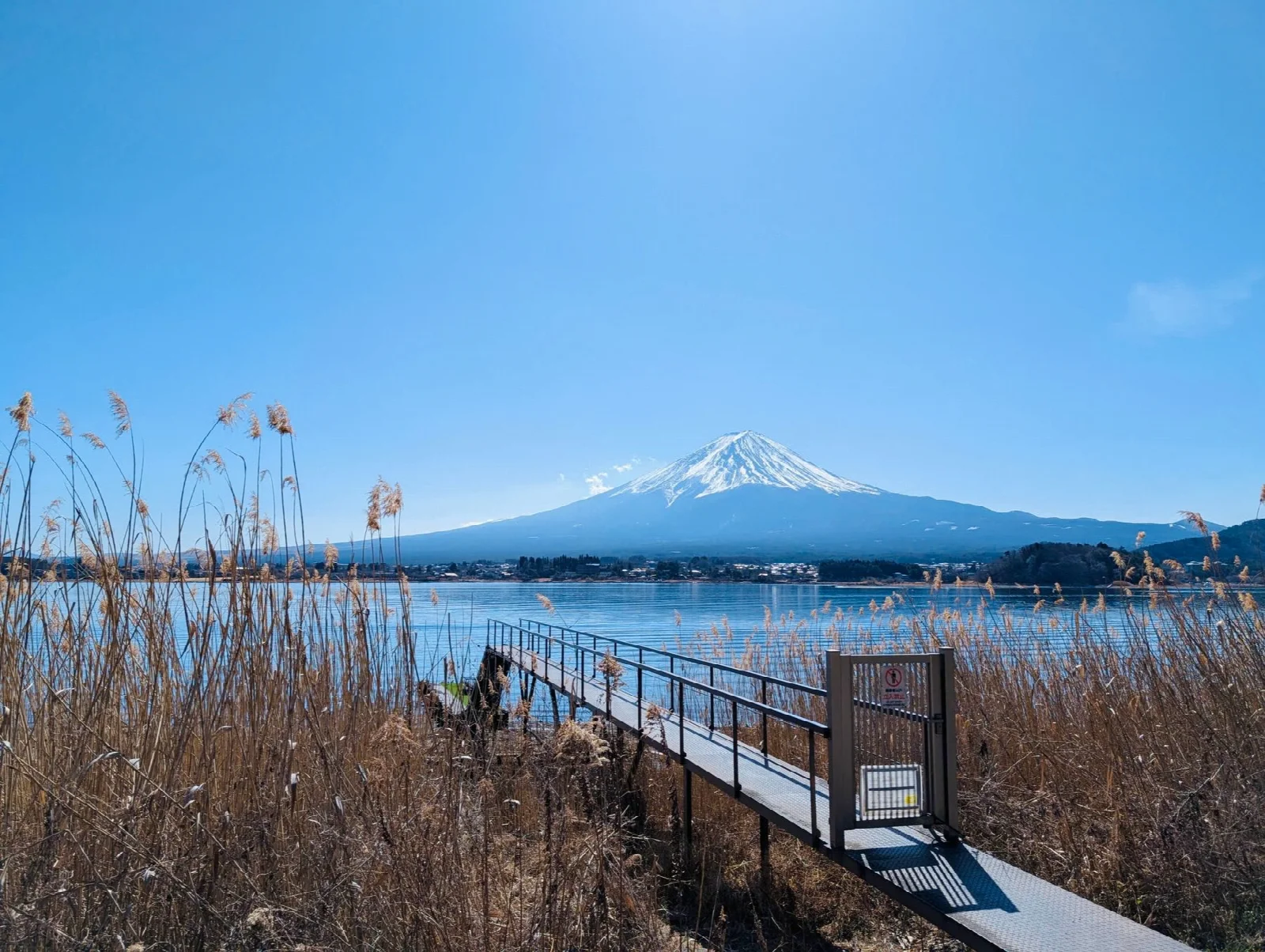
A journey through Japan can stay with you as a mountain beyond a train window, the smell of cooking on a side street or the quiet after a museum visit. The Tatilmerkezi Stork invites you to build a trip with room for all three. Tokyo, Kyoto, Osaka and Hiroshima offer different experiences, and you do not need to give each one the same kind of day. This guide helps you choose a manageable route, understand the main transport decisions and leave space for discoveries that never appeared on your original list.
Start with nights, not a collection of pins
Tokyo and the Kansai cities of Kyoto and Osaka make a useful framework for a first visit. With one week, choosing two main bases can be more comfortable than changing accommodation every day. A trip of ten to fourteen days may leave room for Hiroshima and a nature break. These are suggested starting points, not minimum requirements: adjust them for your interests, arrival time and preferred walking pace.
Moving cities takes longer than the time printed beside a train service. Checking out, reaching the right platform, handling luggage and finding the next hotel all belong in the schedule. If you leave after a leisurely breakfast and take a midday train, keep the first evening in the next city light. A satisfying trip depends as much on the time available between attractions as on the attractions themselves.
Tokyo: your first big-city stop
Treat Tokyo as a collection of neighbourhoods rather than a single centre you must finish in a day. Pair places that belong together geographically: a historic area and a riverside walk on one day, shopping streets and a modern skyline on another. After a long flight, beginning close to your accommodation avoids spending your remaining energy on complicated transfers. If a museum or observation deck matters particularly to you, establish its visitor arrangements before planning the surrounding walk.
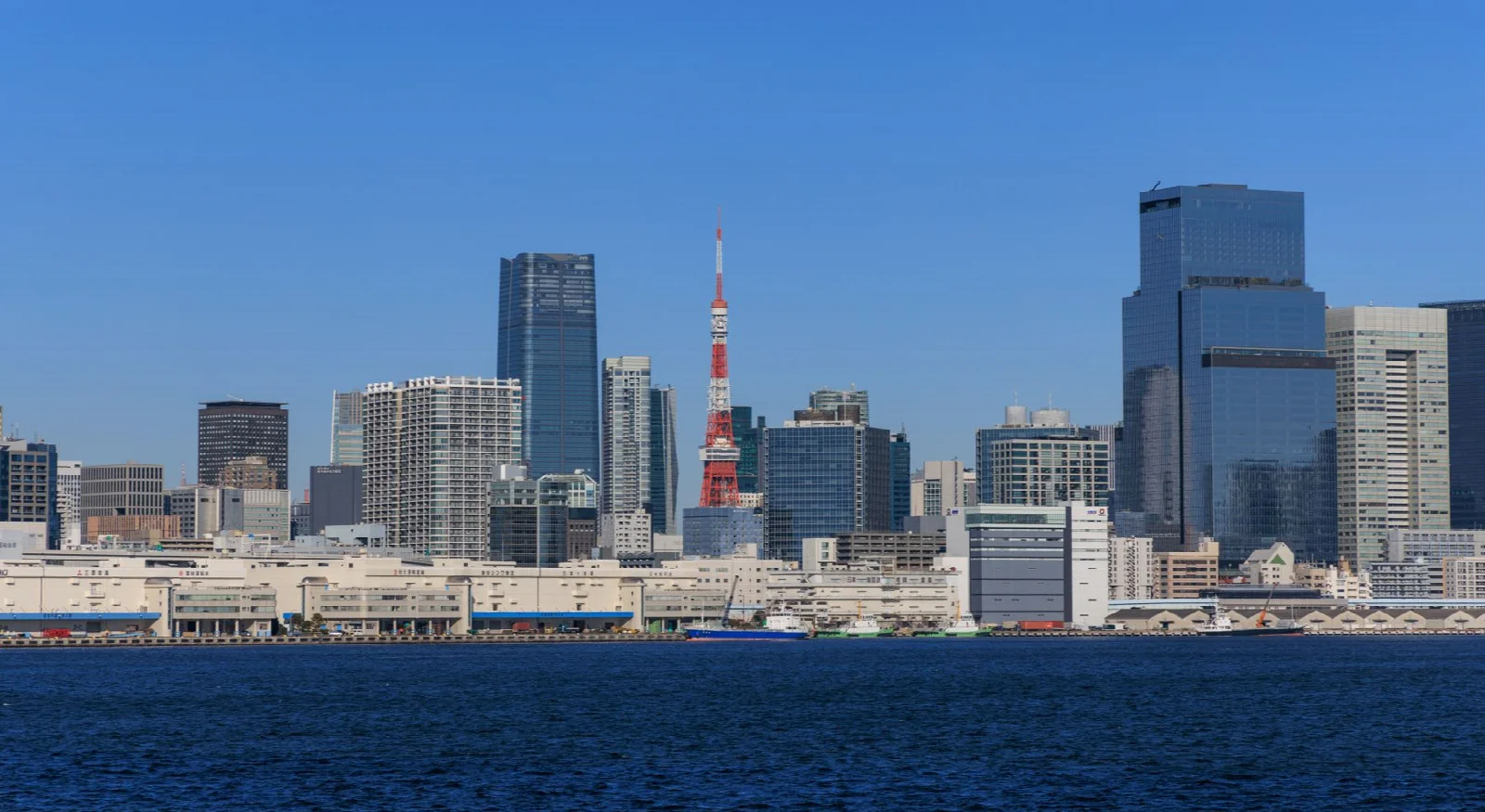
Tokyo Tower, visible in the photograph, is a useful landmark in the enormous cityscape. You do not need to visit every observation deck to appreciate that skyline. One elevated view combined with time at street level gives you two very different perspectives. Our separate Tokyo guide can help you decide which neighbourhoods deserve the most space in your itinerary.
Kyoto: separate days for culture
Kyoto's eastern, western and southern sights deserve more thought than a list of famous names on the same day. Starting with Higashiyama and the Kiyomizu-dera area on one day and Arashiyama on another creates a more balanced introduction. A temple visit can include architecture, gardens and an understanding of local visitor etiquette, rather than just a photograph at the entrance. Two places that interest you may be more rewarding than five stops chosen because they are well known.
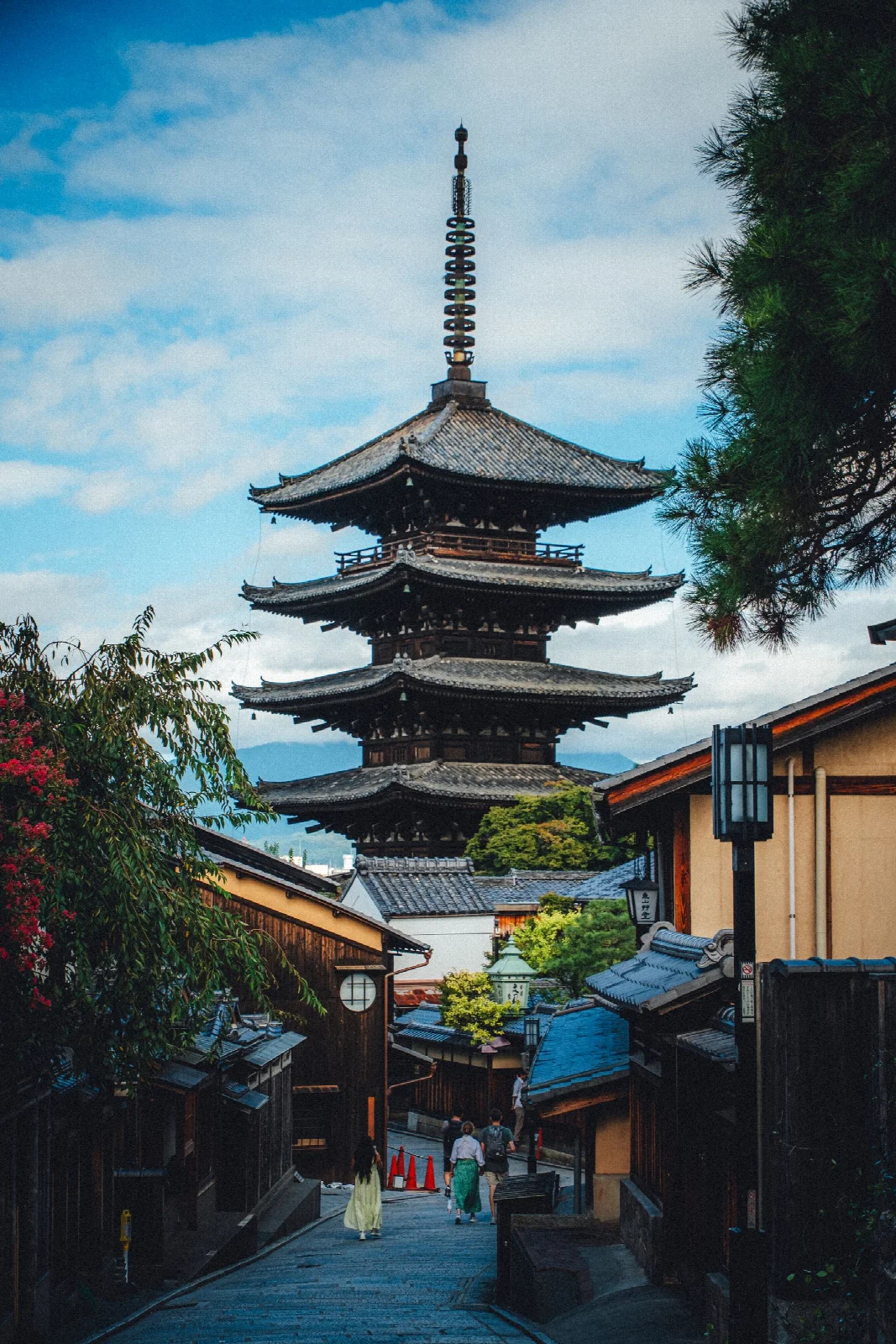
The streets around Yasaka Pagoda show one of Kyoto's familiar faces. They are also places where people live and work. Avoid entering private lanes, blocking doorways or treating people as photographic subjects without permission. A good Kyoto route respects the neighbourhood as well as its scenery. Leave enough time to stop without forcing everyone else to stop around you.
Osaka: a base with lively evenings
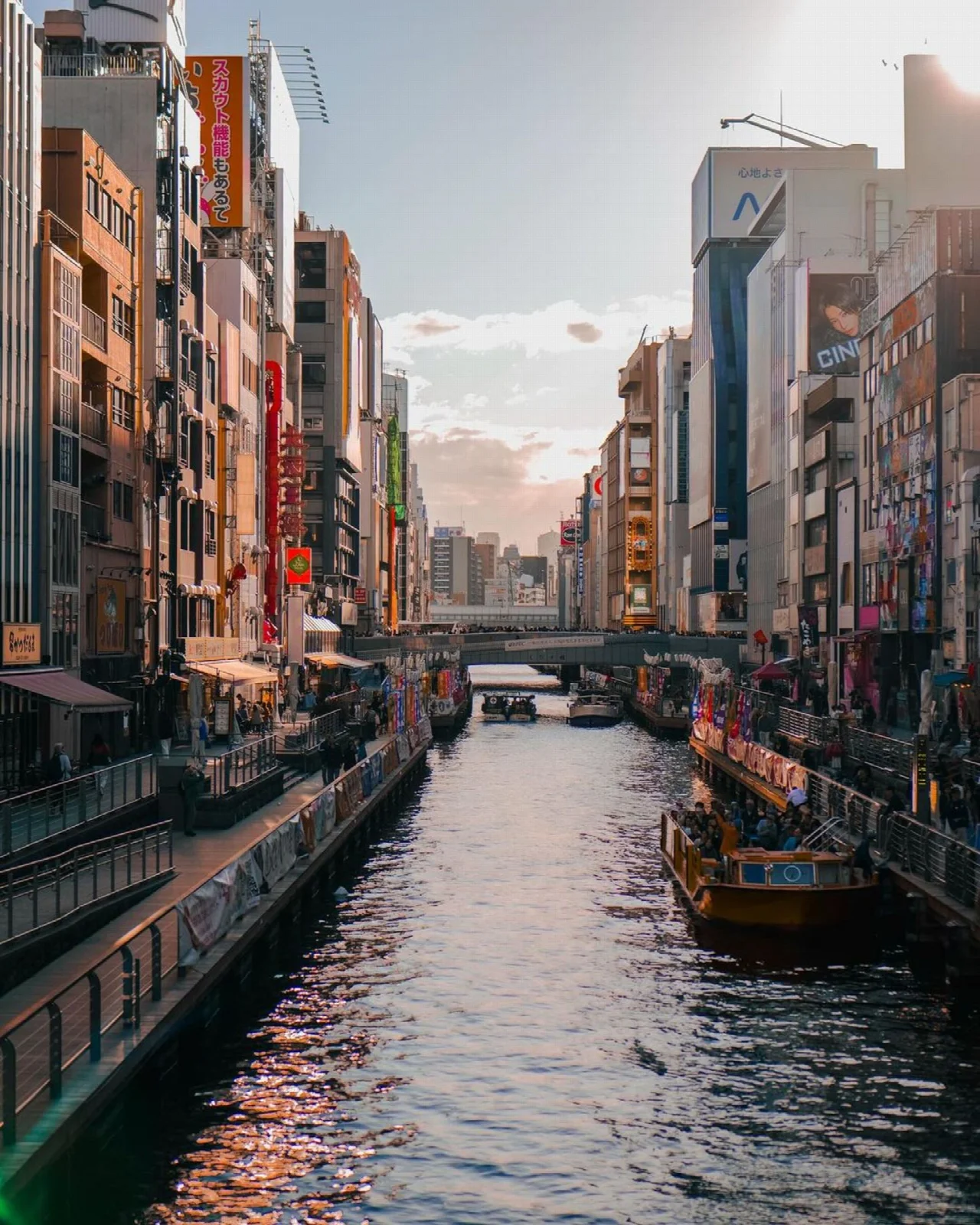
Osaka deserves attention in its own right. The open spaces around the castle and the canal and food streets of Dotonbori suit different parts of the day. A park and history visit followed by an evening waterfront walk can create an appealing contrast. Travellers interested in food may want several smaller tasting stops rather than a large restaurant reservation for every meal.
If you plan to explore several Kansai cities, assess accommodation using the station connections you will actually need. Staying in Osaka and travelling to Kyoto each morning is a different experience from spending a few nights in Kyoto. The comparison involves travel time, evening returns and luggage as well as the room rate. Give sufficient nights to the city where most of your planned visits are concentrated.
Hiroshima and Miyajima: another layer to the journey
Hiroshima's Peace Memorial Park and museum deserve time to understand their subject and to reflect afterwards. Miyajima is an island excursion, not a neighbourhood of central Hiroshima. The red torii gate at Itsukushima looks different as the tide and light change; the view in a photograph is not a promise of an identical scene at every hour.
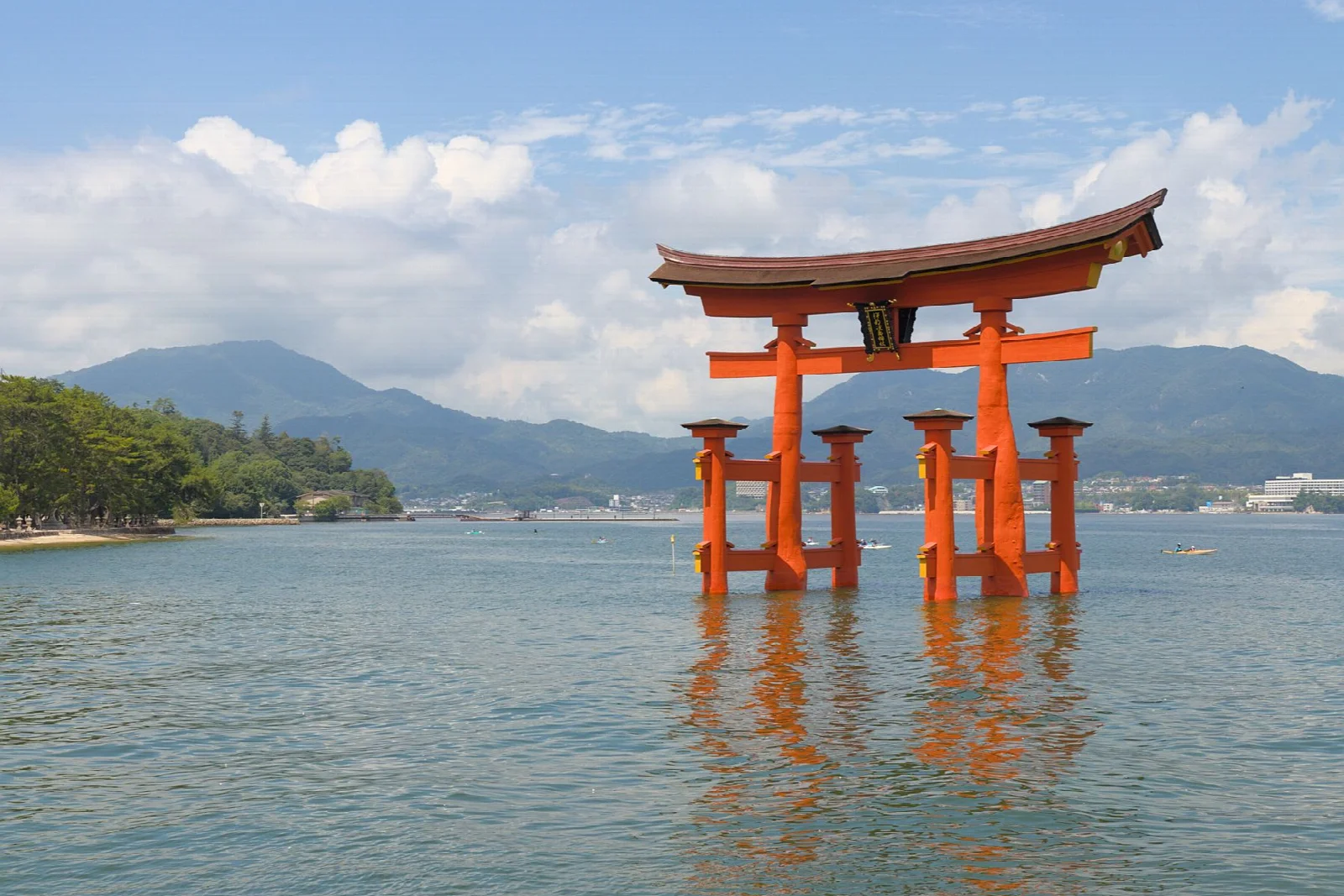
Combining both places into one brief day may be possible on paper, but the pace will not suit everyone. For a first visit, allowing separate city and island days can be a more comfortable choice. If you spend longer in the museum, you will not immediately be worrying about another reservation. Avoid placing a distant departure flight too close to the final ferry connection of your island outing.
A Fuji view needs flexibility
Lake Kawaguchiko is one option for a nature break focused on views of Mount Fuji. Train and bus connections are available from Tokyo; compare the whole journey from your accommodation rather than only the intercity segment. A lakeside walk, an overnight stay and an ascent of the mountain are entirely different plans. Decide which experience you actually want before adding the detour.
The visibility of Fuji depends on the weather. Build a day you could still enjoy if the summit remains behind clouds, perhaps with a museum, a gentle shore walk or a long café break. On a short itinerary, leaving out a popular stop can be a positive decision if it gives you more comfortable time in Tokyo or Kyoto. The best trip for you does not have to reproduce somebody else's photograph collection.
Understand tickets, IC cards and rail passes
An IC travel card can make payment easier on many participating local services. It is not an unlimited ticket for every form of transport in the country. Plan intercity high-speed journeys separately, checking the train category and reservation requirements as well as the destination. Read the fare details of a route instead of choosing a service solely because a planning app displays a short travel time.
Before buying a Japan Rail Pass, price the longer journeys you genuinely intend to make and compare the relevant coverage and validity period. Nozomi and Mizuho services require the appropriate special supplementary ticket when used with a valid pass. Check the operator's current explanation rather than assuming that all trains are included. Local subways and private railway services should not automatically be counted as covered either. Sometimes visiting fewer cities is a more useful budget decision than searching for a different pass.
Include the suitcase in your route
The Tokaido, Sanyo and Kyushu Shinkansen have specific arrangements for oversized luggage. For an ordinary large suitcase with combined length, width and height exceeding 160 centimetres, check the requirement for a reservation associated with an oversized baggage area. Baggage exceeding 250 centimetres in total is not accepted. Consult the operator for exceptions involving particular types of equipment. Measuring before departure is easier than making a guess beside the train.
A smaller suitcase can make your hotel and walking choices more flexible. If you use a luggage forwarding service, confirm the delivery timetable rather than assuming same-day arrival. Keep the belongings needed for your first night with you. Station lockers are useful when available, but an empty locker is not guaranteed; ask your accommodation about storage if it is important to the day's plan.
Match the season to the region
Japan stretches a long way from north to south, so conditions in one city do not represent the whole country. Cherry blossoms and autumn foliage do not follow an identical date every year. Watch regional seasonal information and check the forecast close to departure. Summer heat and humidity may change your walking rhythm, while a northern or mountainous winter extension may need very different clothing. Pack for the places and dates on your actual route rather than for a promotional image.
Choose accommodation by connections and evenings
The closest station is only part of the accommodation decision. Its useful lines, the walking route from the correct exit and the neighbourhood where you expect to spend evenings all matter. Tokyo neighbourhood plans, Kyoto evening walks and Osaka airport connections can lead to different choices. Read the room size, bed arrangement, late arrival rules and luggage storage information before reserving. If your group needs step-free access, verify the relevant station exits and property entrance rather than relying on a short map distance.
Let regional food change the journey
There is more to a Japan itinerary than sushi. Osaka's takoyaki and okonomiyaki, Kyoto's tofu dishes and tea accompaniments, and Hiroshima's layered okonomiyaki give you different ways to explore. Consider them possibilities rather than compulsory meals. Ask about stock, sauces and toppings if you have dietary requirements; a dish's appearance may not reveal all its ingredients. Leaving a little appetite for an unplanned local stop can be as enjoyable as making an elaborate restaurant schedule.
A suggested twelve-day outline
One possible structure is four days in Tokyo, three in Kyoto, two in Osaka and two for Hiroshima and Miyajima, leaving the final day flexible for departure. This is an editorial suggestion, not a fixed transport package. Reverse or rearrange it around your international airports. If a Fuji excursion matters more to you, remove time from another stop instead of simply adding it on top. Thoughtful trade-offs make an itinerary realistic.
Frequently asked questions
Is one week enough for Japan?
It can be enough for a rewarding introduction to two main stops, though certainly not the whole country. Tokyo and Kyoto, or a trip concentrated in Kansai, can feel more satisfying than repeatedly packing and travelling between distant cities.
Does everyone need a Japan Rail Pass?
No. The answer depends on the actual journeys, fares and coverage relevant to your plans. Build the route first, then compare the available tickets and passes. A short trip within one region may suit different transport products.
What should I reserve first?
Once your arrival and departure cities and overnight stays are clear, consider accommodation and any essential ticketed experiences together. Then place the intercity journeys and daily walks around them. An unreserved evening can also be a deliberate and useful part of the plan.
Sources and current visitor information
Information checked on 1–2 October 2026. Recheck official admission, works and menu arrangements for your travel date.
- dive-hiroshima.com — feature 38422
- global.jr-central.co.jp — index.html
- japanrailpass.net — special ticket
- kyoto.travel — gion kiyomizu
- kyoto.travel — food and drink
- osaka-info.jp — gourmet
- japan.travel — faq
- japan.travel — itineraries
- japan.travel — how to travel by train and bus in japan
- japan.travel — ic card
- japan.travel — 1329
The Tatilmerkezi Stork is our brand's storytelling character. This guide combines official sources and editorial route suggestions; it is not a personal travel diary.