
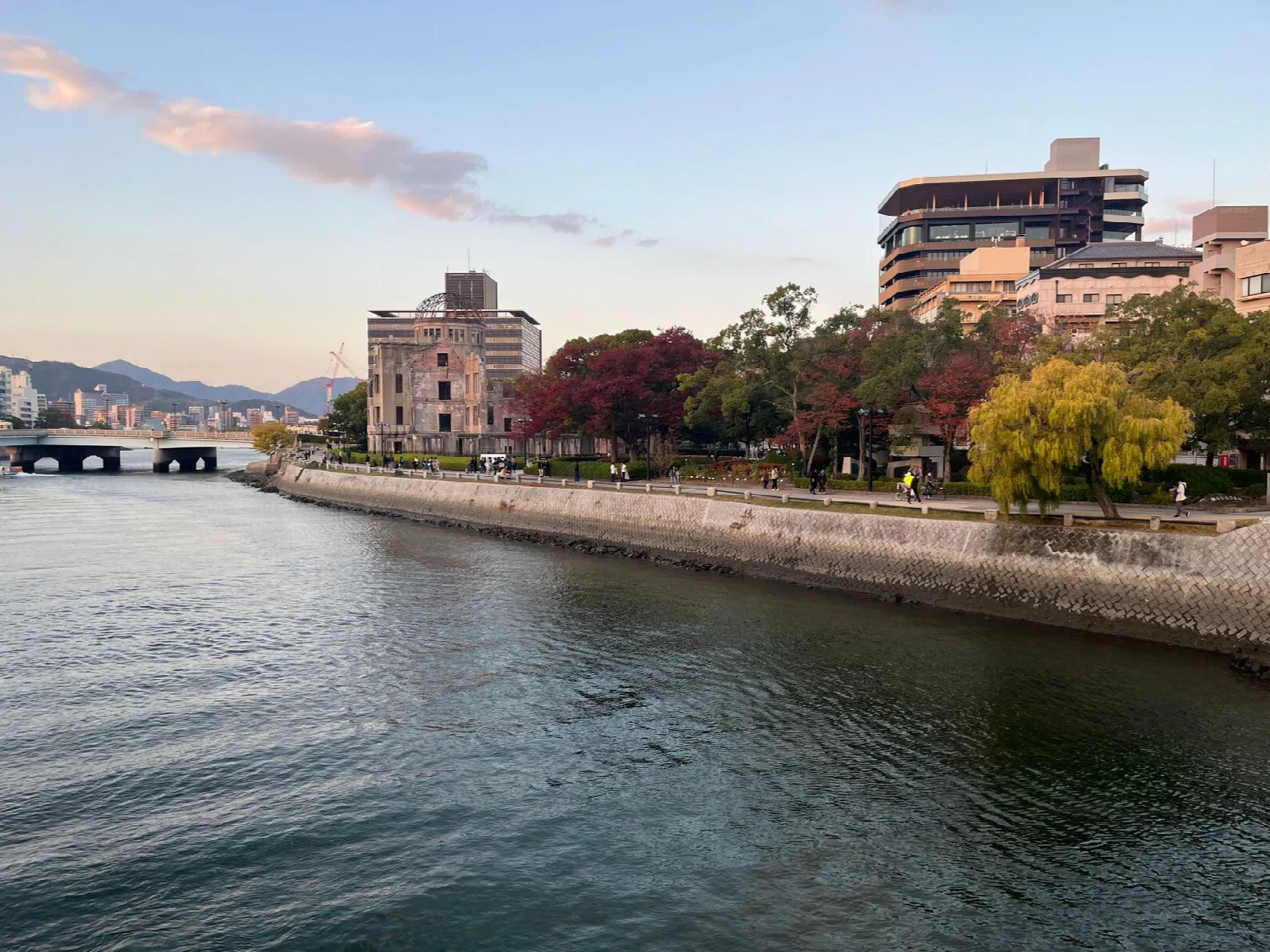
In Hiroshima, understanding a city's past and meeting its present belong to the same journey. The Tatilmerkezi Stork takes a quieter tone here: leave time to reflect in Peace Memorial Park, pause beside the river and notice the streets where everyday life continues. You can also add the coastal scenery of Miyajima. Giving the city and island the time they need, rather than forcing both into a hurried stop, makes a first visit more meaningful.
How many days should you allow?
One full day for the central city and a separate day for Miyajima provide a balanced starting point. If you want to study the Peace Memorial Museum in depth, add a garden or walk more slowly, another city day may be worthwhile. These are suggestions rather than requirements, but trying to fit the museum, castle surroundings and island into a short connection can create a rushed experience.
Use your arrival time realistically. If you reach Hiroshima in the afternoon, begin with accommodation, the nearby area and a comfortable dinner instead of requiring yourself to finish the museum that day. Choosing the following morning's main visit in advance can free the evening from constant planning. On departure day, leave time to collect your luggage and reach the correct station platform.
Atomic Bomb Dome: understand its meaning first
The Atomic Bomb Dome, also known as Genbaku Dome, preserves a structure affected by the atomic bombing of 6 August 1945 and forms a UNESCO World Heritage site. Visiting is about more than looking at an architectural ruin. It offers a starting point for understanding the human impact of war and the continuing importance of peace. Read the interpretation around the site to establish a context that a photograph alone cannot provide.
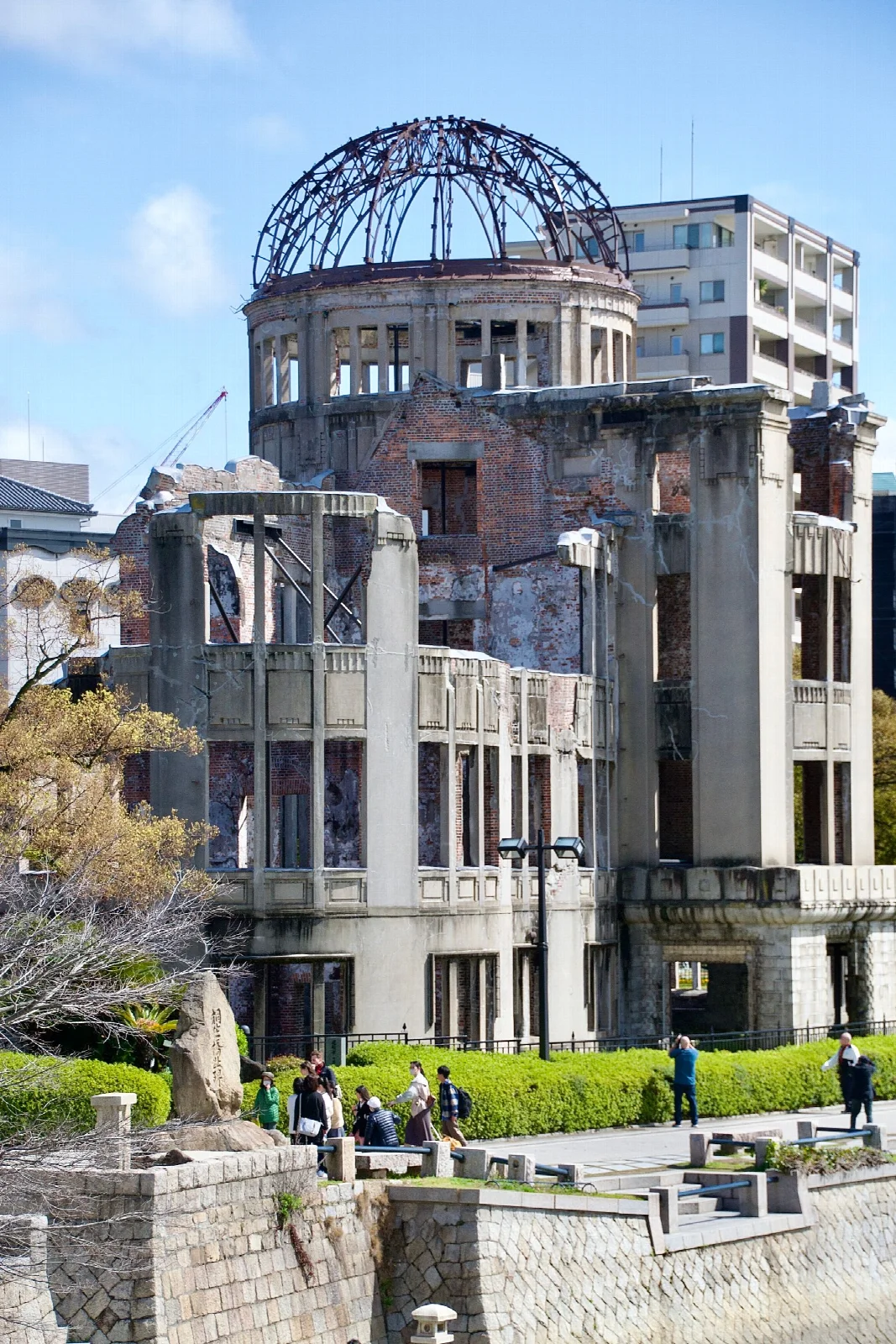
Its visibility from different points beside the river does not mean you need to hurry around it collecting angles. Stop somewhere appropriate and consider the relationship between the preserved structure and the present-day city around it. Give space to people who are reflecting or visiting for remembrance. Keeping that context when sharing a photograph adds more meaning than presenting it simply as a dramatic image.
Peace Memorial Park: walk without rushing
Treat Peace Memorial Park as a visit in its own right, not just greenery crossed on the way to somewhere else. Memorials, water and views towards the Dome create places to stop and think. A route can help you find your way, but there is no need to assign a strict number of minutes to every interpretation panel.
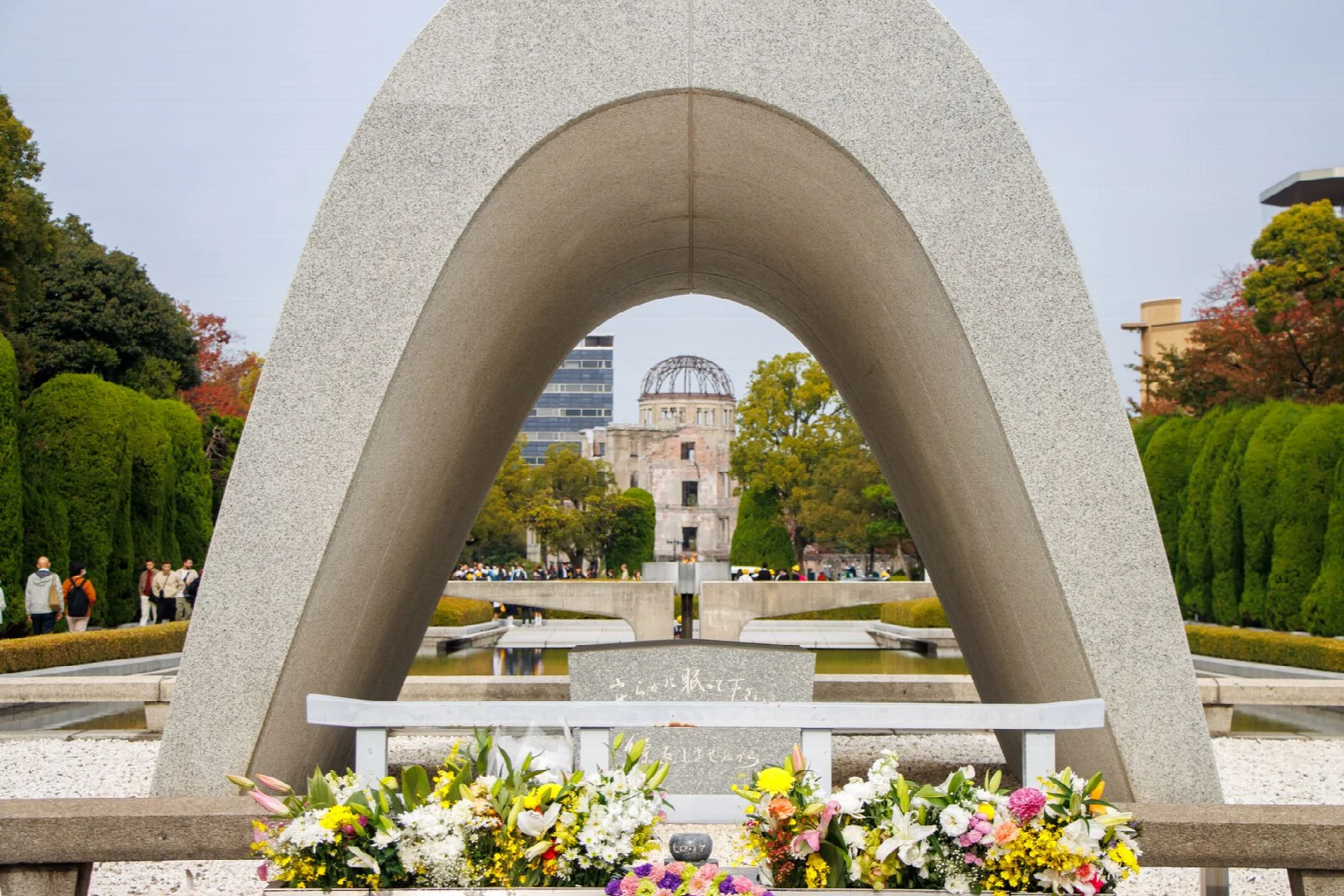
You can place the walk before or after the museum. Some visitors prefer to understand the outdoor setting first; others want to return outside after learning more indoors. Allowing space for either approach makes the day more flexible. With children, adjust the number of stops to their age and attention, explaining the meaning of the visit in straightforward, sensitive language.
Put the Peace Memorial Museum at the centre of the day
The Hiroshima Peace Memorial Museum presents the effects of the atomic bombing through personal belongings, documents and images. It is not a light exhibition to rush through between other activities. Avoiding an immediately demanding appointment afterwards gives you time to consider what you have seen. Families may find it helpful to review the exhibition's subject matter before visiting so that they can prepare children appropriately.
Check admission arrangements for your actual travel date. Official tourism information indicates that some time periods require advance online reservations, and special holiday arrangements can differ. Use the current visitor information rather than relying on an assumed ticket price or universal opening time. Once you have chosen admission, place the park walk around it instead of treating the museum as a stop squeezed into a gap.
The riverside: meet the present-day city
A short riverside walk can create a gentle transition between places of remembrance and everyday Hiroshima. From a bridge, water, trees and surrounding buildings appear together. The autumn colour in a photograph belongs to a particular season; another visit offers its own version of the landscape. You do not need to attach a long distance target to this part of the day.
Choose somewhere suitable to sit if conditions are comfortable, or a sheltered break when they are not. Give the city time to exist in your experience as a place where people live today, as well as somewhere shaped by the past. The Stork's suggestion is to leave small pauses that allow you to recognise what you have learned rather than rushing between every memorial.
Hiroshima Castle: the 2026 visitor change
Hiroshima City's official announcement states that the main castle tower closed to interior visits on 22 March 2026. The exterior can still be viewed, but old guidebook information about entering the tower museum should no longer be treated as current. The photograph on this page shows the building from outside; it does not establish that visitors can enter it today.
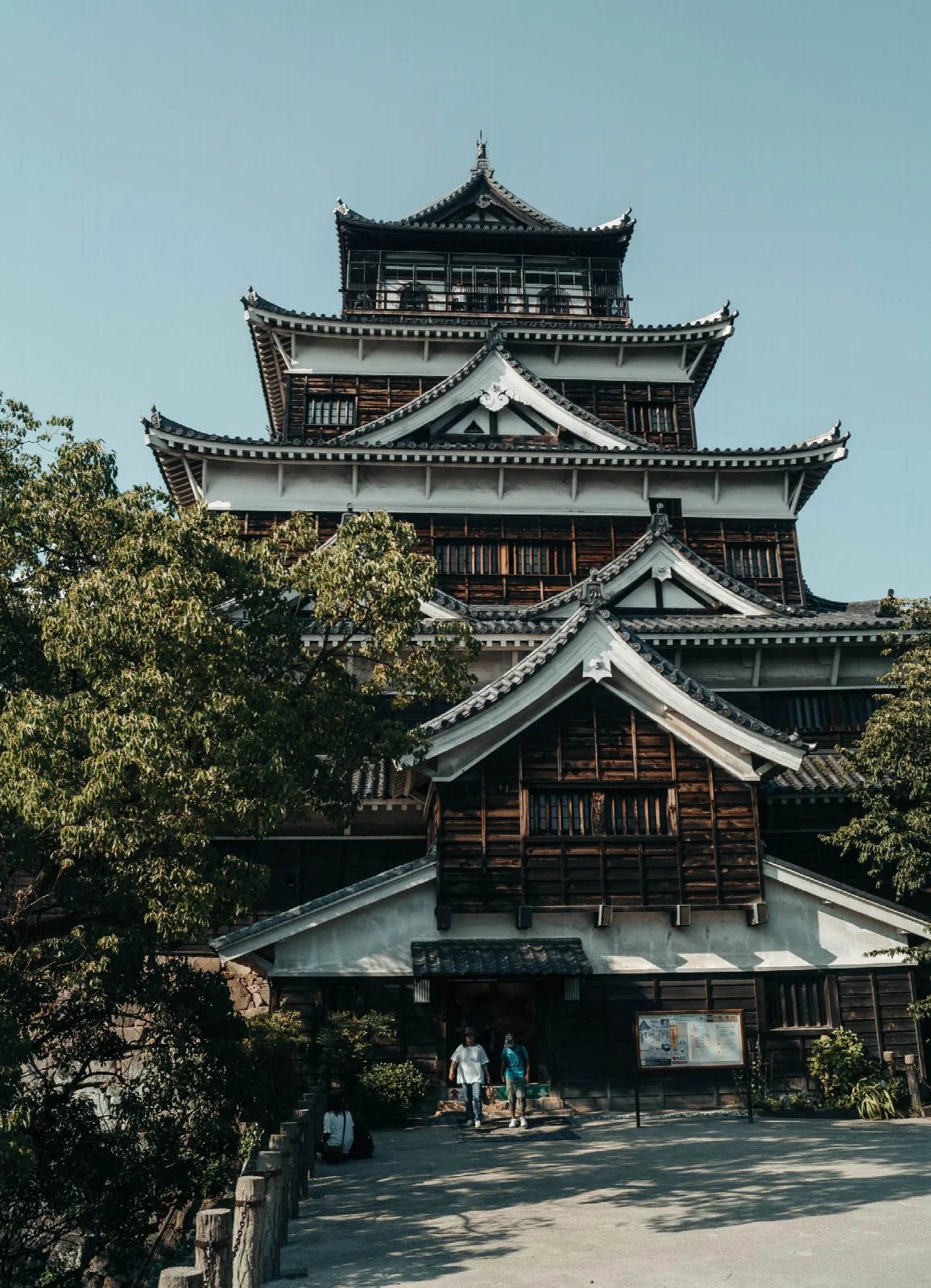
If you choose the castle area, base the visit on the exterior setting and surrounding walk. Travellers particularly interested in the collections should follow official opening announcements for the new history museum rather than adding a future opening to the itinerary as though it had already happened. Distinguishing a familiar architectural image from the visit currently available prevents an avoidable disappointment.
Shukkeien: a different garden pause
Shukkeien offers a strolling garden experience with a pond, small bridges and changing views of carefully arranged scenery. Choose it because you enjoy gardens, rather than regarding it as an obligatory counterweight to the museum. Even a short visit can reveal how looking across the same pond from different positions changes the landscape.
Allow time according to the garden's current admission and closing arrangements. Leave space for other visitors on narrow paths when taking pictures, and remember that steps and stone surfaces are not equally easy for everyone. If someone in your group needs an accessible route, enquire beforehand. Select a time when you can enjoy the garden instead of adding it to the end of an already crowded day simply because it is on a list.
Miyajima: a separate island day
Miyajima is an island excursion outside central Hiroshima, reached through connections on the Hatsukaichi side of the region. The red torii at Itsukushima Shrine is a familiar feature of the coastal landscape. Tides and light change the view around it, so think about walking, meals and the return journey as well as a single hoped-for photograph.
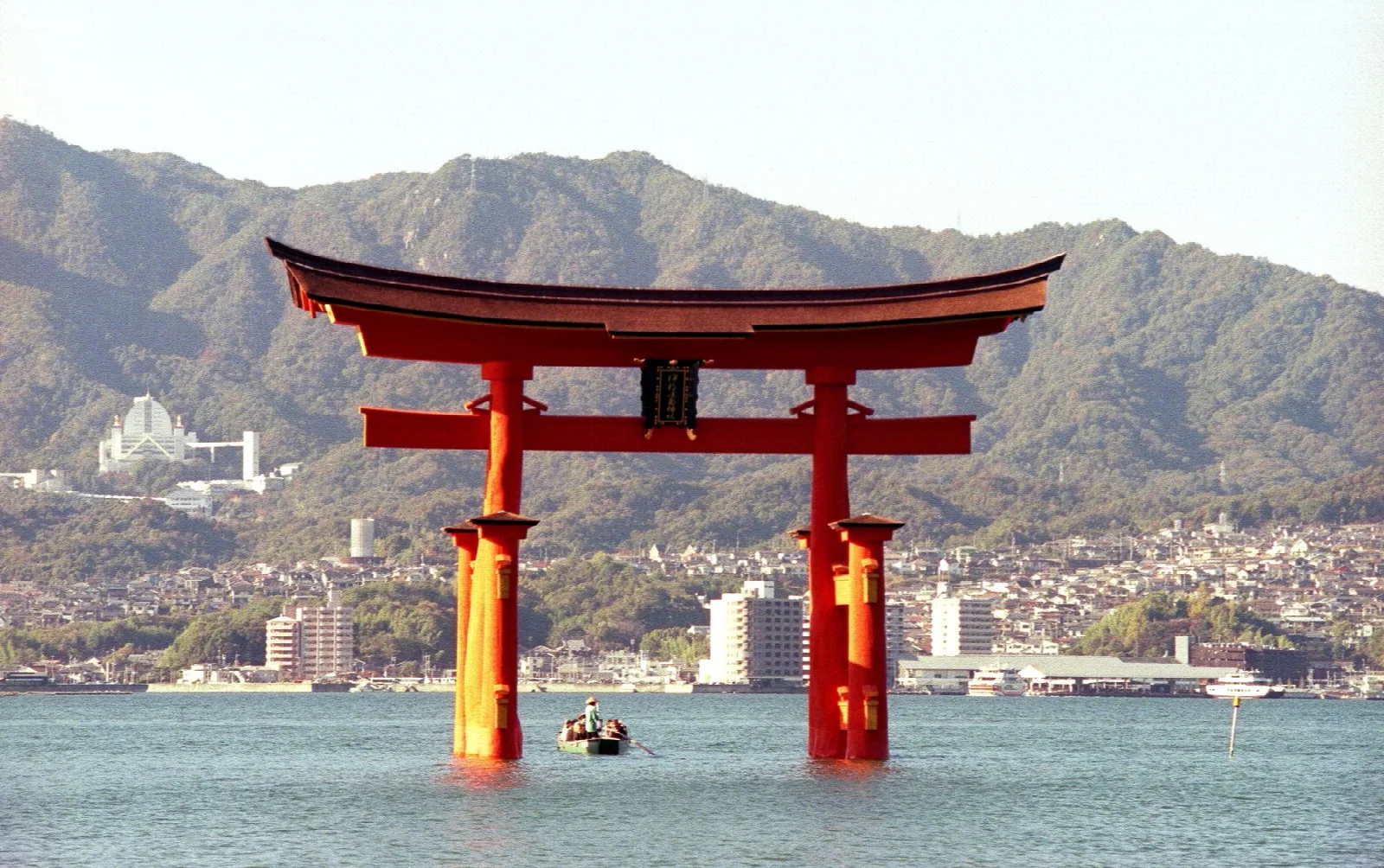
An island day does not need every possible activity. A coastal visit, a longer hillside walk and a ticketed attraction involve different time and preparation. Reducing the number of priorities on a first visit lets you explore without continually worrying about the ferry back. Check the shrine's own admission and photography arrangements separately: walking along the shore and entering the shrine are not the same experience.
Plan the Miyajima connections together
From Hiroshima, a rail or suitable tram connection to Miyajimaguchi can be followed by a ferry. Check the operator and the particular sections included in any pass you hold. JR Miyajima Ferry provides information about eligible JR passes, while the island visitor tax is separate. Compare current fares through the operator's information for your travel date rather than relying on prices printed in older articles.
Look at the outward and return ferry schedules at the same time. Other boat services may connect with central Hiroshima, but they should not be assumed to share the ordinary ferry's ticket arrangements. If a long-distance train follows your island visit, avoid stretching the outing to the final possible connection. Weather and operating notices are part of planning a comfortable day on the water.
City trams and accommodation choices
Hiroden's official website provides route maps, boarding guidance and ticket information. Establish the journeys you actually need between the station, park and accommodation. A product advertising several transport modes is not automatically the best option for a short itinerary. Saving the direction and stop for the service you intend to take makes the first local journey more straightforward.
Accommodation near the station may be practical for an early rail departure. If central meals and park walks lead your plans, compare the connections for those areas instead. Luggage storage, late arrival arrangements and the evening walk back belong in the decision alongside room rates. Staying on Miyajima is a separate island experience to plan, rather than simply another version of a central Hiroshima hotel.
Leave room for Hiroshima food
Hiroshima-style okonomiyaki is associated with layered ingredients and often includes noodles. Comparing it with an Osaka meal can be interesting, but different restaurants do not all follow identical ingredient or service arrangements. Oysters and other seafood also appear among the region's food possibilities. Discuss ingredients, preparation and dietary requirements before ordering.
A relaxed meal gives the day a different pace without diminishing the meaning of the memorial visits. If you are dining with a group, decide whether everyone wants the same type of food before joining a queue. A small number of researched options near your route is usually more practical than travelling across the city for a restaurant you have not checked. Leave enough time to eat without watching the clock for the next connection.
A suggested city and island outline
On the city day, use your museum admission as the anchor and place the Dome and park walk around it. Keep the following period flexible for lunch and a riverside pause. Add either the castle exterior or Shukkeien if your time and interests allow, rather than requiring both. Finish with an unhurried local meal. On the island day, establish the ferry connections first, then choose the coastal visits that matter most to you.
This is an editorial structure, not a timetable. A longer museum visit, wet weather or a slower walking pace can all change it. The structure still works if you remove an optional stop. What matters is giving the places you have chosen enough time, particularly when a visit involves more reflection than an ordinary sightseeing walk.
Frequently asked questions
Can I go inside Hiroshima Castle?
The main tower closed on 22 March 2026. Do not confuse an exterior view with a visit to the former interior museum. Follow city and castle announcements for subsequent arrangements.
Can I combine the museum and Miyajima in one day?
A very limited version may be possible, but the museum and island connections can make the day tight. Separating them on a first visit is a more comfortable option that leaves space for reflection.
Is Hiroshima only for travellers interested in history?
Peace history is an important part of the city, while riverside walks, gardens, regional food and the island connection offer other experiences. You can combine them while preserving the meaning of the places of remembrance.
Sources and current visitor information
Information checked on 1–2 October 2026. Recheck official admission, works and menu arrangements for your travel date.
- dive-hiroshima.com — 2675
- dive-hiroshima.com — 306
- dive-hiroshima.com — feature 38422
- dive-hiroshima.com — faq 004
- dive-hiroshima.com — faq 010
- jr-miyajimaferry.co.jp — access
- jr-miyajimaferry.co.jp — fare
- jr-miyajimaferry.co.jp — fare
- whc.unesco.org — 775
- city.hiroshima.lg.jp — 1044406.html
- hiroden.co.jp — en
The Tatilmerkezi Stork is our brand's storytelling character. This guide combines official sources and editorial route suggestions; it is not a personal travel diary.