
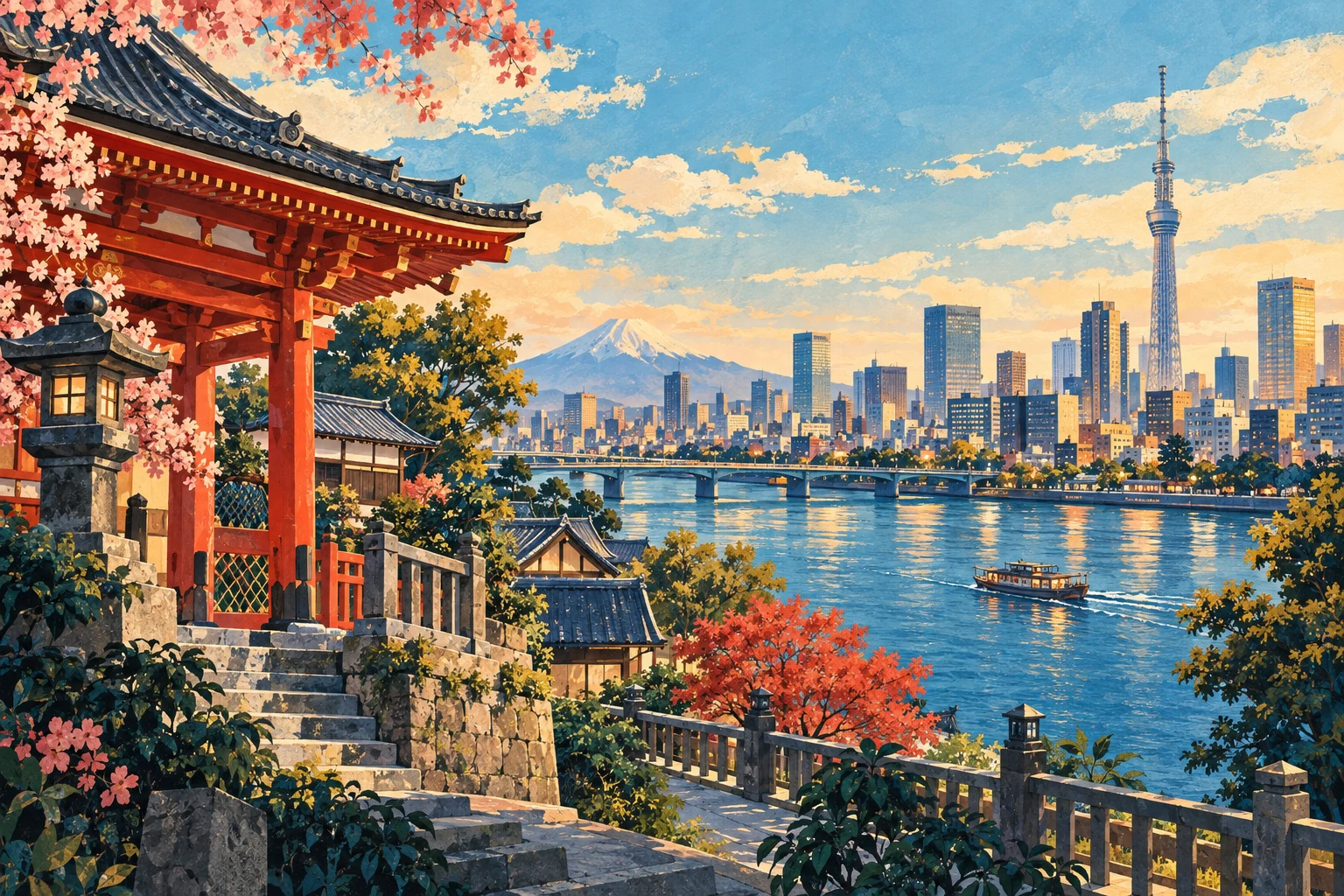
Plan Tokyo as a series of neighbourhood visits rather than a checklist of distant landmarks. Asakusa offers a temple-centred introduction and time by the river; Ueno brings together museums and outdoor space; Shibuya provides a contrasting view of the city's shopping and cultural life. For a first visit, choose one main area each day and add another stop only when your time and energy allow.
Where should you start in Tokyo?
Pick the two things you most want from the trip: history and architecture, art and museums, or shopping and street life. Use those interests to organise accommodation and any visits that need reservations. The three-day plan below is our editorial suggestion, not an attempt to cover the whole city. Keep your arrival day light after a long flight, and leave room to return to a neighbourhood you enjoy.
| Area | Main interest | Planning approach |
|---|---|---|
| Asakusa | Temple surroundings and the river | One main walk followed by a proper break |
| Ueno | Museums and park space | Choose one museum and keep the rest flexible |
| Shibuya | Shopping, culture and city views | Select a few streets or shops around your interests |
Asakusa: Sensoji, Nakamise and the Sumida River
Sensoji Temple, Kaminarimon gate and Nakamise shopping street form the best-known cluster of sights in Asakusa. The Sumida riverbank offers a different perspective on the area. Consult the official GO TOKYO Asakusa guide for the district layout and transport connections.
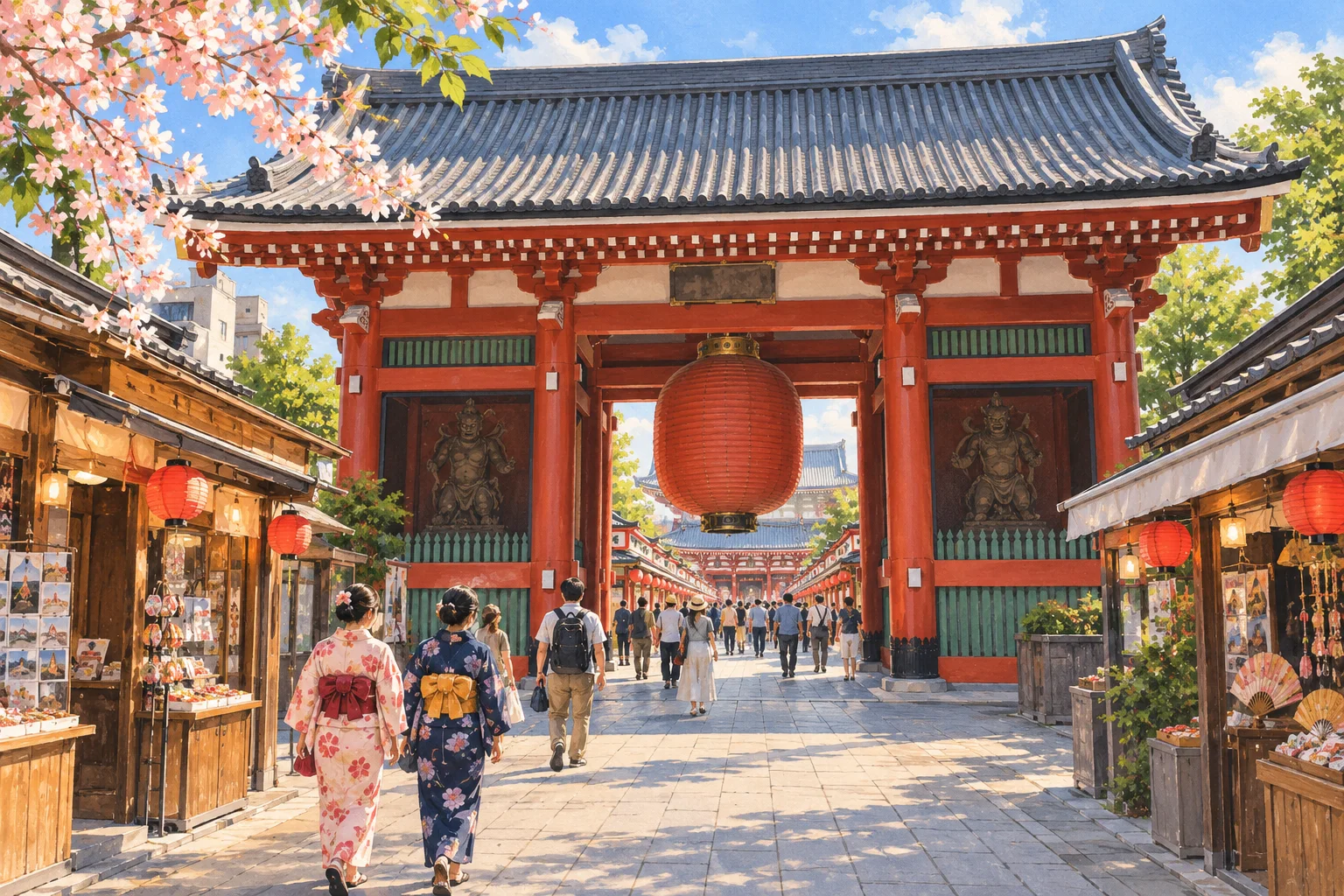
Our suggestion is to make this more than a quick stop at the temple. Walk around first, then allow time for shopping or the river. When taking photographs, stand outside the flow of pedestrians. Follow signs in places of worship and check whether photography is permitted in each space rather than assuming one rule applies everywhere.
Ueno: a museum, a park and a shopping stop
Museums are clustered around Ueno Park, while Ameyoko provides a contrasting shopping area towards Okachimachi. The official Ueno guide introduces both sides of the district.
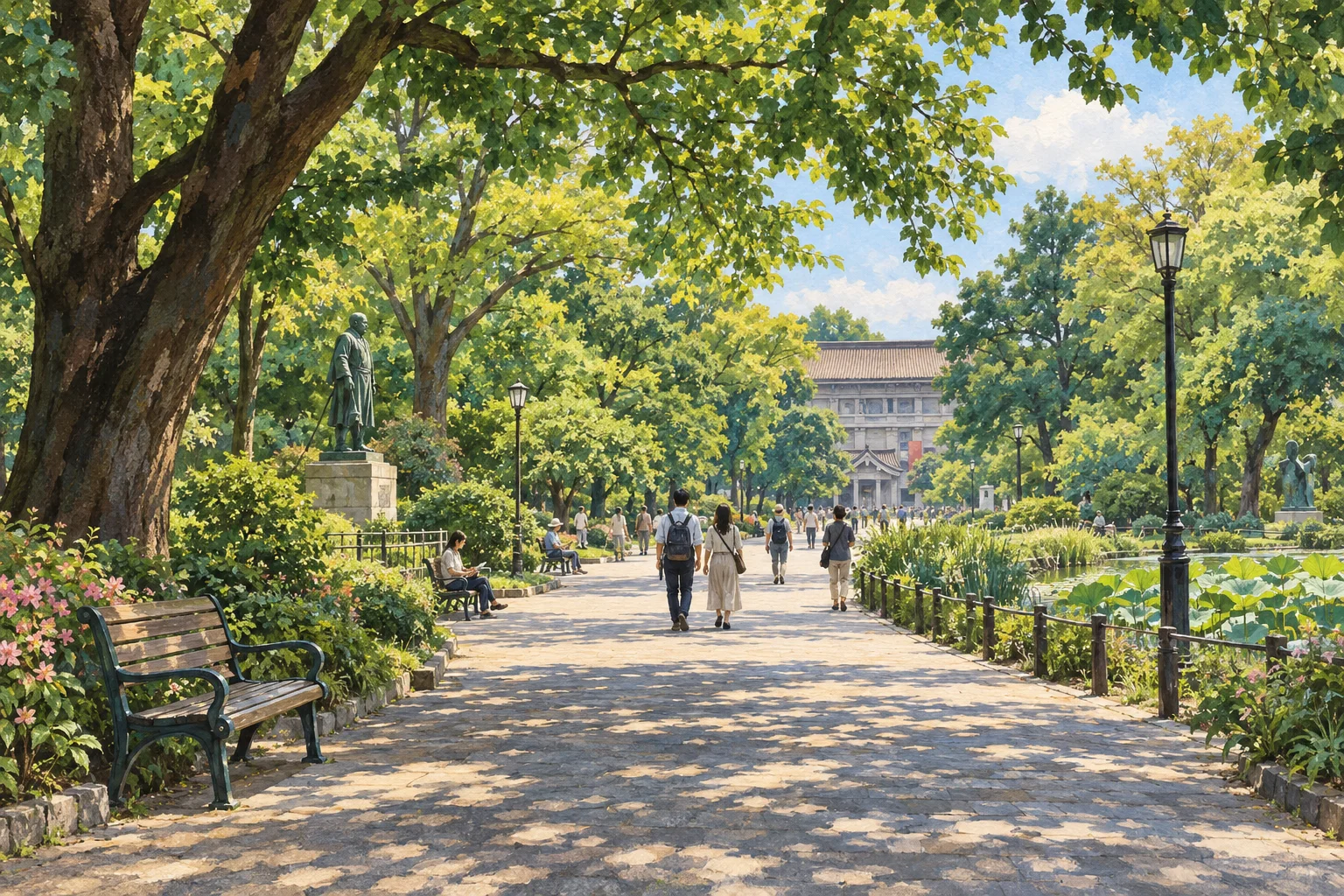
Choose the collection that interests you most instead of trying to see every room in several museums. After an indoor visit, leave a break before committing to another long activity. If travelling with children or a group with different walking speeds, keep a straightforward return option available. A shorter day with time to look closely can be more rewarding than finishing an ambitious list.
Shibuya: look beyond the crossing
Shibuya Crossing is the area's most recognisable image, but shopping, design and art provide reasons to stay longer. The official district guide also introduces places such as Shibuya Parco, Hikarie and Jinnan. Use the GO TOKYO Shibuya page to select stops that fit your interests.
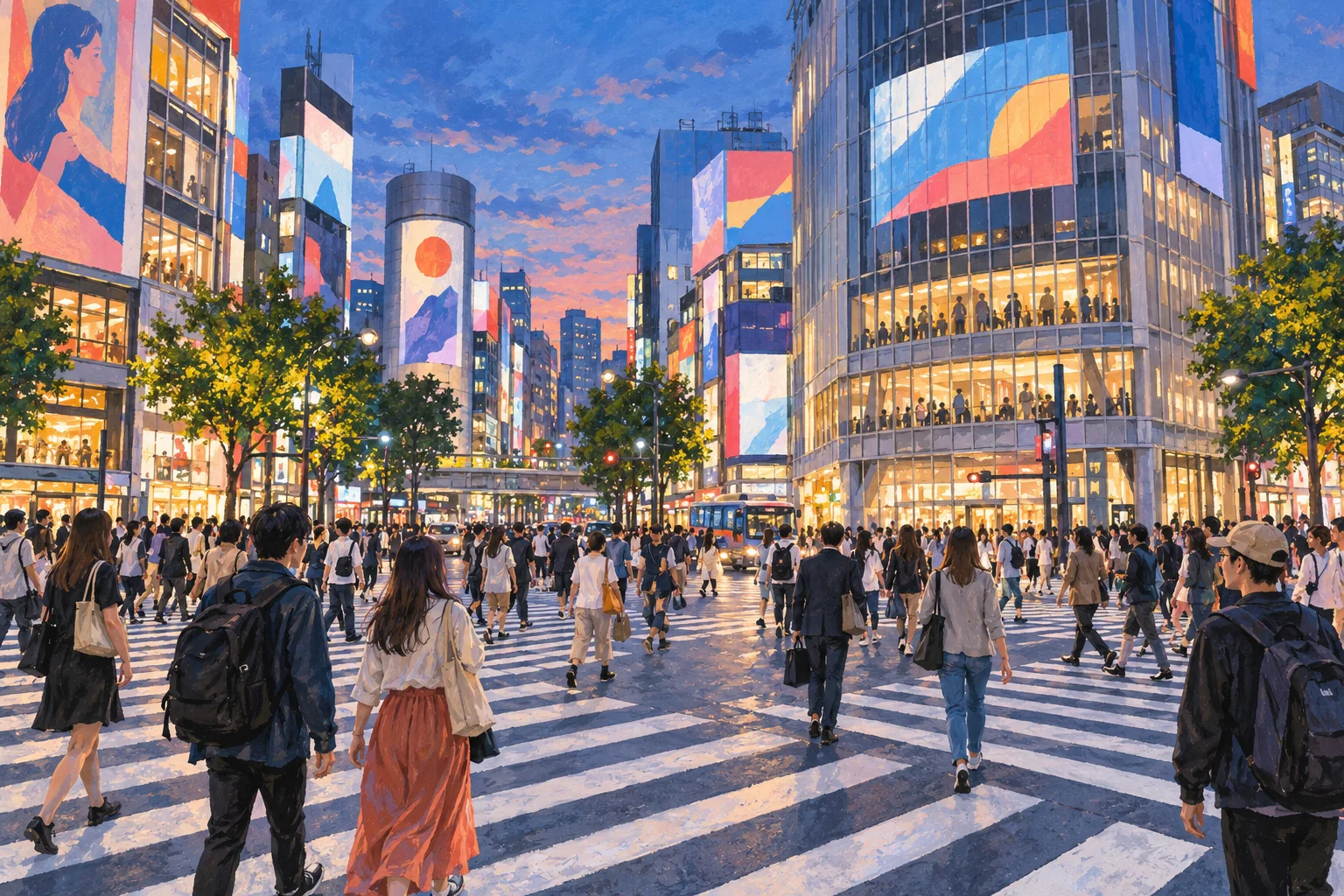
Choose a safe viewing spot for photographs instead of stopping in the crossing. If shopping is a priority, identify two or three stores and leave unplanned time between them. For an observation deck, check the operator's booking date, weather policy and change conditions before arranging the rest of the day around it.
Tokyo transport: check the operator before choosing a pass
The Tokyo Subway Ticket has 24-, 48- and 72-hour options covering Tokyo Metro and Toei Subway lines. Do not treat that coverage as an unlimited ticket for every rail operator in the city. Check your planned services against the official Tokyo Metro product information.
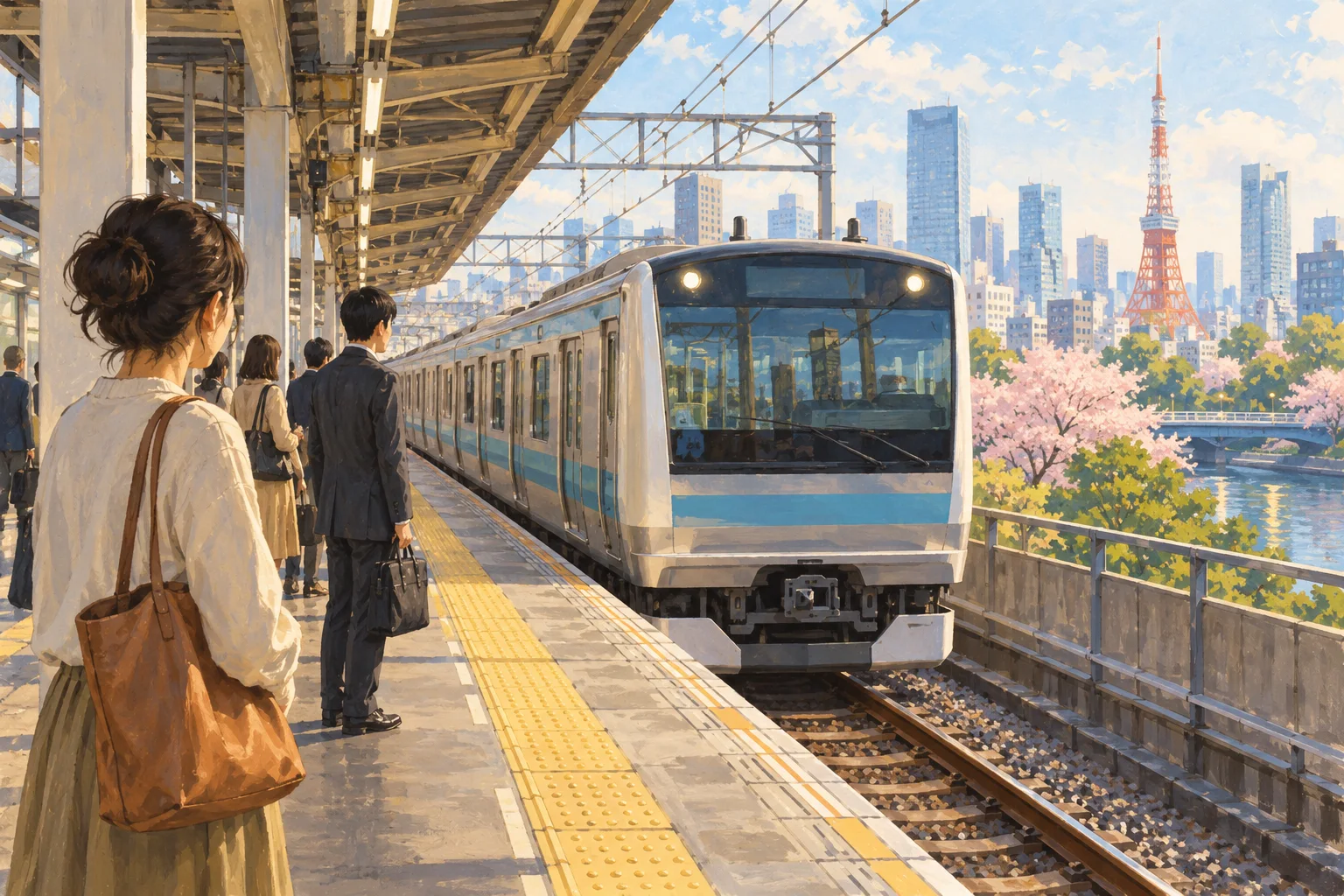
Before buying, sketch one sample day: accommodation, first visit, second stop and return. Consider walking within stations as well as the number of transfers. Record the exit you need for your hotel and, where relevant, an accessible route. Plan the airport journey separately from your sightseeing journeys, using the actual arrival terminal and accommodation address.
A flexible three-day Tokyo itinerary
- Day one: Explore Asakusa. Give the temple visit and shopping separate time, with room for a riverside walk or a meal.
- Day two: Make one Ueno museum your main visit. Add the park or Ameyoko according to your interests and remaining energy.
- Day three: Focus on Shibuya's city life. Prioritise shopping, design or a view, and resist the urge to fill every evening slot in advance.
Accommodation and daily spending
Compare room prices alongside the journeys you would make each day. If a cheaper room means several transfers, weigh the saving against the extra time. Check room dimensions, luggage space, late-arrival arrangements and cancellation conditions on the property's own information pages.
Split your daily budget into transport, meals and paid visits. You could make a museum or observation experience the day's main paid activity and spend the remaining time walking. When choosing meals, look at ingredients and portion descriptions as well as photographs. Discuss specific dietary requirements with the restaurant before ordering.
Frequently asked questions
Are three days enough for Tokyo?
Three days provide a starting plan for the three contrasting areas covered here. If you want several museums, extensive shopping or trips outside the city, extend the stay or reduce the number of planned activities.
Should I visit several neighbourhoods every day?
You do not need to. Add a second area when reservations, walking pace and the journey back to your accommodation make it practical. Avoid cutting a worthwhile visit short simply to complete another stop.
What should I check again before travelling?
Recheck museum opening days, ticket coverage, accessible entrances, luggage policies and the transport connections you intend to use. This suggested sequence is not a live timetable or a guarantee of booking availability.