
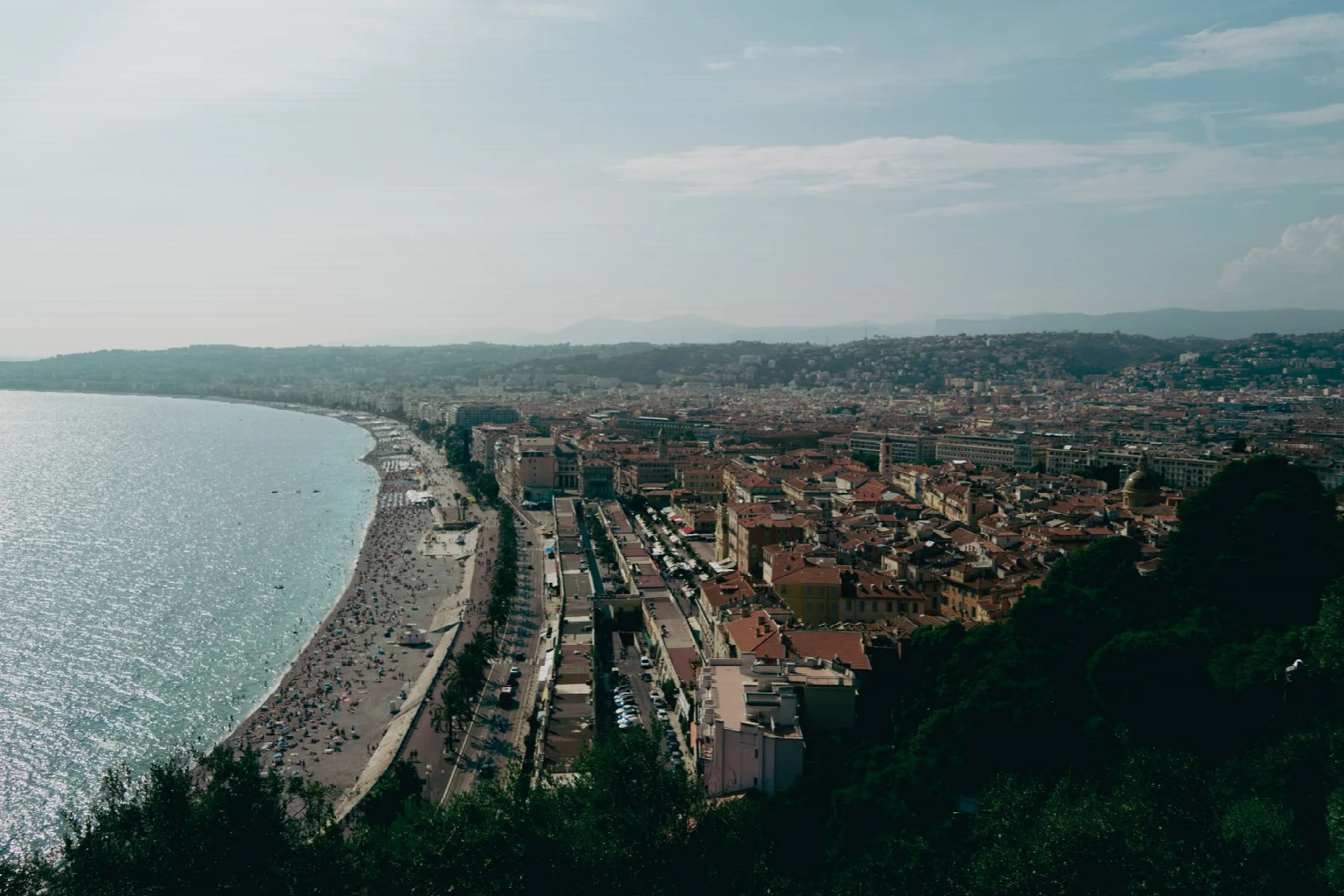
A good day in Nice may begin with just two colours: the blue sea and the warm yellow of an old facade. The Tatilmerkezi Stork invites you to walk the waterfront slowly, look up through gaps between old-town buildings and turn lunch into a small discovery. Nice is a base for the Côte d'Azur, but it also deserves time in its own right. This guide helps you balance sea, neighbourhoods, art and rest across a first visit of two or three days.
How long should you stay in Nice?
One day offers a brief introduction to the waterfront and old town. Two full days create more room for the port and an art stop. A third lets you choose between an excursion and an unstructured seaside pause. You can leave for a different coastal town every morning, but Nice need not become only the address where you sleep. Its own walks are varied enough to shape distinct days.
Start by writing down arrival and departure times. A flight around lunchtime may leave only a short first evening once you have reached your accommodation and dealt with luggage. Keep that day light. Instead of trying to reach a museum before closing immediately after landing, explore nearby streets, have a meal and decide where the following morning will begin.
Promenade des Anglais: first meet the sea
The Promenade des Anglais brings the city alongside the Baie des Anges. You do not have to cover its entire length. Choose a manageable stretch around your accommodation and the day's temperature, then move with time to pause. Watch the movement of pedestrians, bicycles and traffic as well as the view. Step aside before stopping for a photograph so others can pass comfortably.
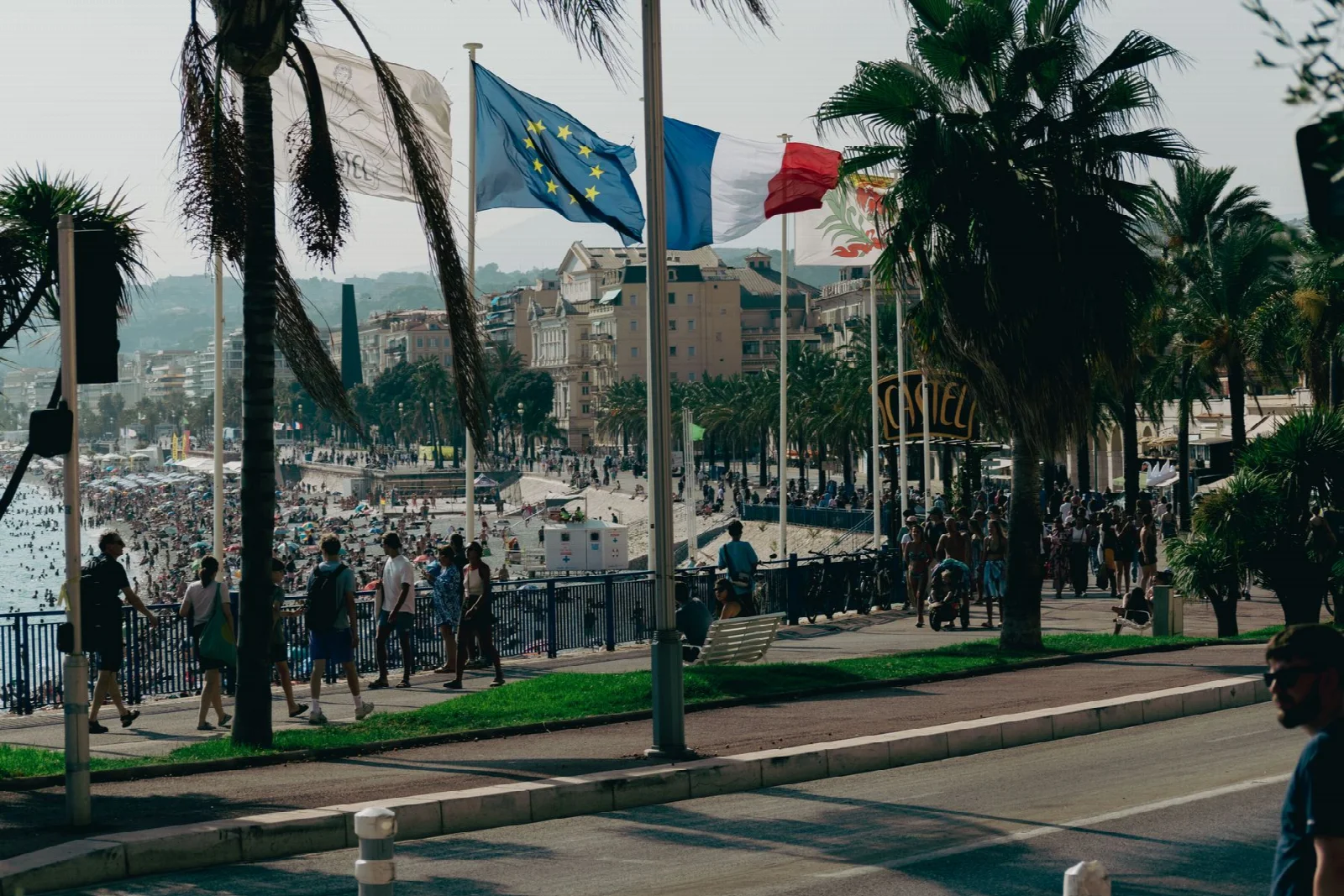
Morning and evening light give the shore different moods. If photography interests you, returning to a place at another time may be as satisfying as adding a new destination. Sunshine is not guaranteed; wind or rain may make an indoor option more enjoyable. Treat the waterfront as a pleasure to fit around conditions rather than a task that must be completed regardless of the weather.
Vieux-Nice: give the narrow streets time
In Old Nice, coloured facades, small squares and narrow passages change the pace of walking. A route that looks short can take longer when you stop at windows and architectural details. Allow that to happen. Place Rossetti and the Sainte-Réparate area can form one pause. If you plan to enter a place of worship, check current visiting arrangements and respect the quiet inside.
Stepping from a busy lane into a smaller square can create a useful break. You need not queue at the most crowded corner for a table or ice cream. Keep residential entrances and narrow passages clear when taking photographs. This is a functioning neighbourhood, not scenery set aside only for travellers. Its everyday activity is part of what makes the walk interesting.
Cours Saleya: between market and lunch
Cours Saleya is a useful area for adding market activity and food stops to an old-town walk. Check which market operates on your visiting day and at what times; flowers, food and other stalls do not necessarily follow an identical arrangement every day. Ask about the product and price before buying, and avoid blocking a trader's working space while photographing the scene.
Socca is a local chickpea-flour speciality. You may also encounter pan bagnat and pissaladière. Ingredients and presentation can vary between kitchens, so explain dietary preferences before ordering. Starting with a small taste and deciding on another stop later offers more flexibility than committing to a large meal simply because it is the first menu you see.
Castle Hill: arrive with the right expectation
Colline du Château offers greenery and viewpoints that help you understand the relationship between the old town and harbour. The word castle does not mean an intact palace full of rooms awaits you. Build the visit around the hill and its views. Check current access for the stairs and lift option rather than assuming an access facility will be operating when you arrive.
Choose a time that suits the temperature and your energy. With children or a mobility aid, consider gradients and surfaces as well as overall distance. Instead of pairing a substantial hill walk with several museums, follow it with a lighter lunch break. Enjoying a viewpoint does not require stepping over a barrier or beyond a marked area to find a photograph.
Masséna and Paillon: from square to greenery
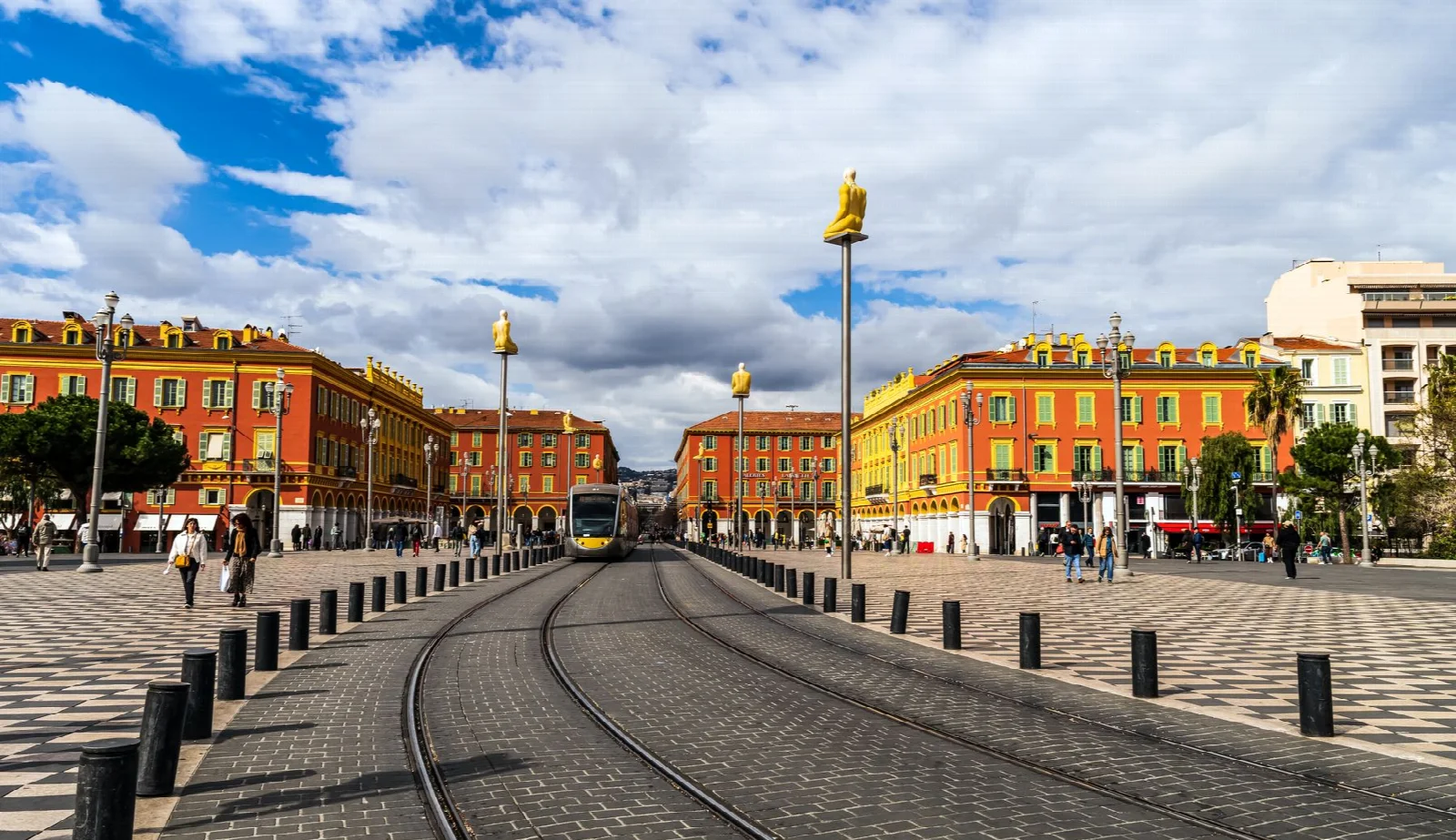
Place Masséna's colourful facades and distinctive ground pattern create a broad urban space after the older lanes. Pay attention to tram movements as you walk around. Do not stand on the tracks for a picture; waiting a moment from a safe position can produce a better experience for everyone. The square is also a useful reference when planning a move between neighbourhoods.
Add a brief rest around the green spaces of the Promenade du Paillon. Water features and individual park sections can be affected by operating or maintenance arrangements. With children, confirm that a particular play or water area is available that day before promising it as the main attraction. A family route is more comfortable when it does not depend entirely on one small facility being open.
Port Lympia: a different waterfront scene
At Port Lympia, the water takes on another character through boats, harbour activity and colourful building fronts. Coming here after the beach side lets you compare two different Nice waterfronts. The photograph was taken from above, so it does not represent the view from every point at quay level. Boats and businesses change; the connection between the port and the surrounding city remains the central subject of the walk.
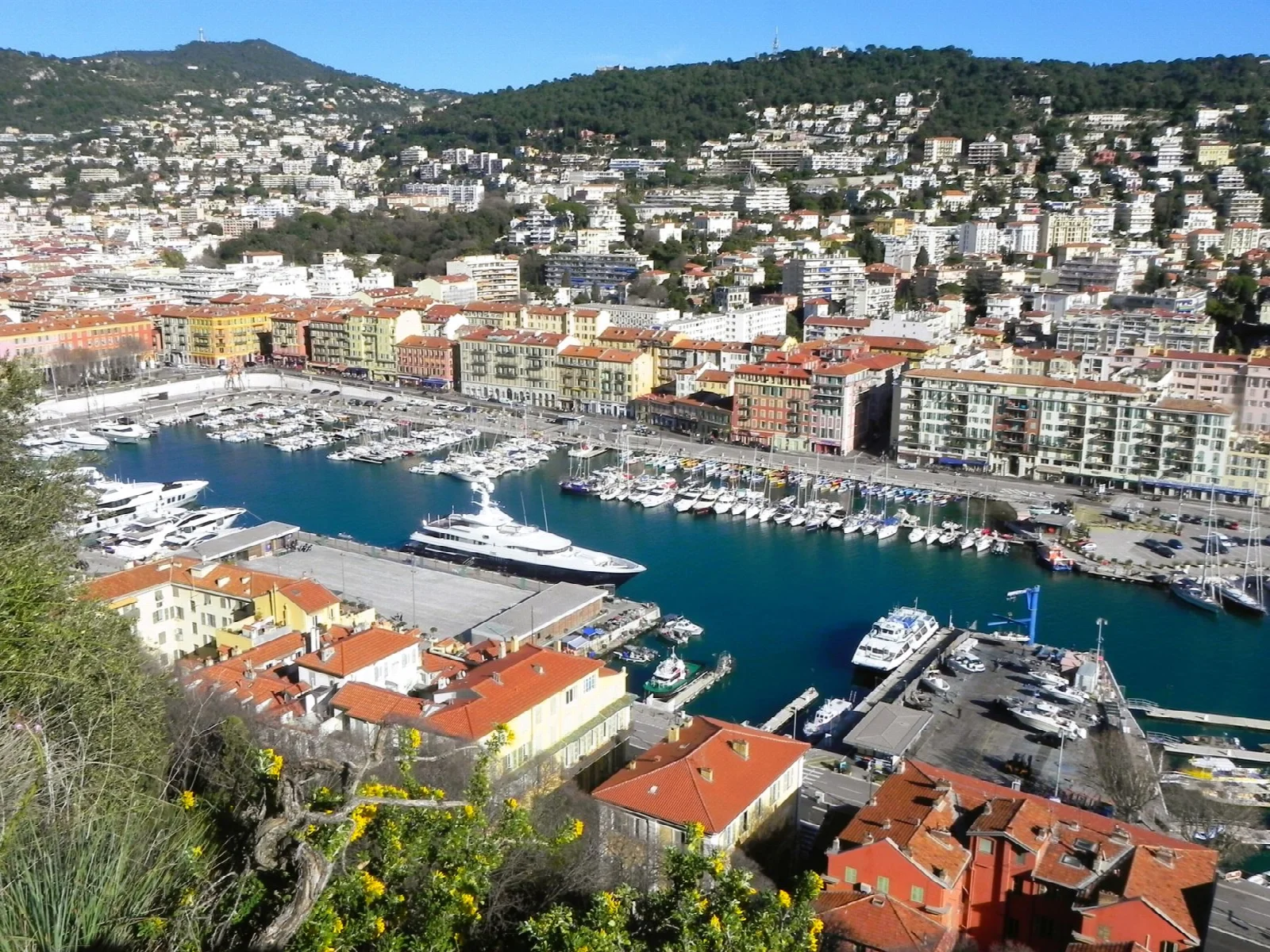
Keep the visit light with a coffee or meal if it fits your day. Do not assume every jetty or working area is open for public wandering. Follow local signs and check your direction when returning by tram. The airport connection towards the harbour is also a useful detail to consider when comparing accommodation locations, especially if you want a simple arrival journey.
Give art a separate part of the day
An art visit can add another dimension to Nice. The Matisse and Marc Chagall museums are separate institutions with different collections and arrangements. Do not assume they share a ticket or operate as one site. Check the official information for the institution you choose, including current opening days, exhibitions and admission. Plan the last connection from the coast separately as well.
Choosing a museum does not mean you must complete every gallery. A particular period or a few works may be more memorable than an exhaustive circuit. Placing an indoor visit during a warmer part of the day can work well, but only after confirming the relevant opening day. The shift from outdoor light to the colours inside a collection can give a coastal city break welcome variety.
Beach time: prepare for a pebble shore
The pebbly shore in Nice may surprise visitors expecting soft sand. Prepare for sitting and entering the water in a way that suits your comfort. Even when the sea looks calm in a picture, waves, weather and local warnings can change. Follow current beach signs and lifeguard guidance where provided; an attractive photograph is not evidence of safe swimming conditions.
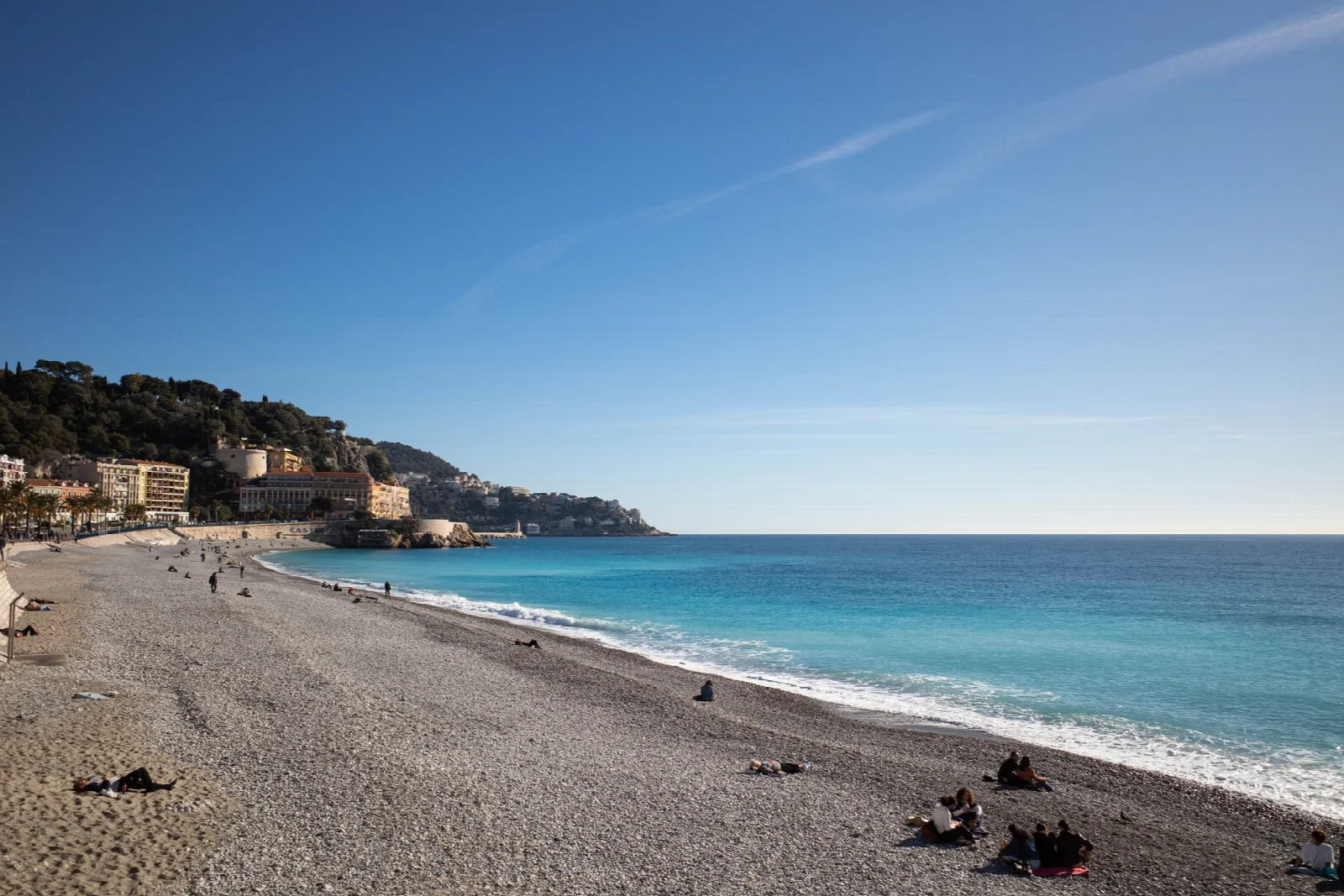
Public beach sections and operated beach areas may have different arrangements. A lounger, towel or food service is not automatically included in another purchase. Ask the business about use and price where relevant. If you add a swim to a day carrying all your sightseeing belongings, think about luggage and the journey back. Give a beach pause enough time to feel like a rest rather than a hurried interruption.
Airport and local transport
Nice Airport's official information identifies tram route 2 as the link from the terminals towards the city centre and Port Lympia. Your best stop and final walk depend on your accommodation. Check the current ticket product, validity and purchase arrangements for the airport journey. A free section around the airport does not mean the entire trip into the city is free.
Many central stops combine well on foot, while hill and museum visits may benefit from public transport. City trams and regional trains should not be treated as one interchangeable ticket system. If you add another town along the coast, examine the return service as well as the outward journey. Before adding a long connection simply to leave the city, consider whether there is still a neighbourhood in Nice you would enjoy exploring.
Which area should you stay in?
Accommodation near the seafront can simplify coastal walks, the old-town area can suit food and neighbourhood exploration, and places near the main railway station may support regional trips. Consider the Jean Médecin connections and Port Lympia options against your actual route. No single area is best for everyone. An early flight, night-time noise or carrying a suitcase up stairs can change your priorities.
Look beyond room photographs to the entrance, lifts, cancellation conditions and real walking route. Being close to the sea on a map does not promise a sea view from the room. Divide spending into accommodation, food, transport and chosen visits. Prices vary with dates, so compare your available options rather than relying on an old daily-budget figure from another traveller.
An adjustable three-day outline
On day one, walk a short stretch of waterfront, then explore Cours Saleya and the old-town lanes. Choose a local taste for lunch and make the afternoon a lighter circuit around Masséna. On day two, if weather and energy suit, plan Castle Hill followed by Port Lympia. If you also want beach time, shorten the walking programme rather than trying to fit everything into the same afternoon.
Use day three for an art institution or an excursion nearby. On a shorter stay, replace part of the first two days with a museum instead. This outline does not claim to finish Nice in three days. It deliberately leaves space so you can spend longer in a place that catches your interest, or exchange the order when weather or opening arrangements make another sequence easier.
Make photographs part of the walk
The coast, coloured building fronts, squares and harbour all offer different subjects. Choose two or three themes instead of trying to reproduce every popular social-media image. You might combine a wide view with one facade detail and a quiet public space. Keep people out of close-up compositions unless you have their permission, and avoid obstructing doors or transport routes for a clearer angle.
The photographs in this guide show real scenes, but they were taken at particular times. A boat, shop sign, tree or section of beach furniture may look different when you arrive. Use the images to understand the setting and choose what appeals to you, not as a promise that every element will remain unchanged. Your own light and weather can make the same place interesting in another way.
Frequently asked questions
Is Nice only enjoyable in summer?
No. A city-and-culture visit can work in different seasons. Adjust expectations for swimming, daylight and outdoor time, and check the forecast for your actual dates rather than expecting the sunshine shown in a photograph.
Are Nice's beaches sandy?
Pebble sections are a defining feature of the city shore. Prepare accordingly and check the individual beach's access and services before making a plan around it.
Does the airport tram reach the centre?
Route 2 connects towards the city centre and Port Lympia. Confirm the best stop for your accommodation, the final walk and current ticket conditions through official information.
Should I leave for nearby towns during a two-day stay?
It is optional. Nice's waterfront, old town, hill and harbour can already form a worthwhile two days. If you add an excursion, remove a city section and allow enough time for both directions of travel.
Sources and current visitor information
Information checked on 1–2 October 2026. Recheck official admission, works and menu arrangements for your travel date.
- explorenicecotedazur.com — musee national marc chagall
- explorenicecotedazur.com — promenade des anglais
- explorenicecotedazur.com — what to do in nice
- explorenicecotedazur.com — gourmet tour of old nice with oncity
- explorenicecotedazur.com — in the footsteps of henri matisse in nice and vence
- explorenicecotedazur.com — point de vue de nice
- explorenicecotedazur.com — visiting nice in a day
- nice.aeroport.fr — public transport
- pexels.com — rocky beach by the shore 20841504
The Tatilmerkezi Stork is our brand's storytelling character. This guide combines official sources and editorial route suggestions; it is not a personal travel diary.