
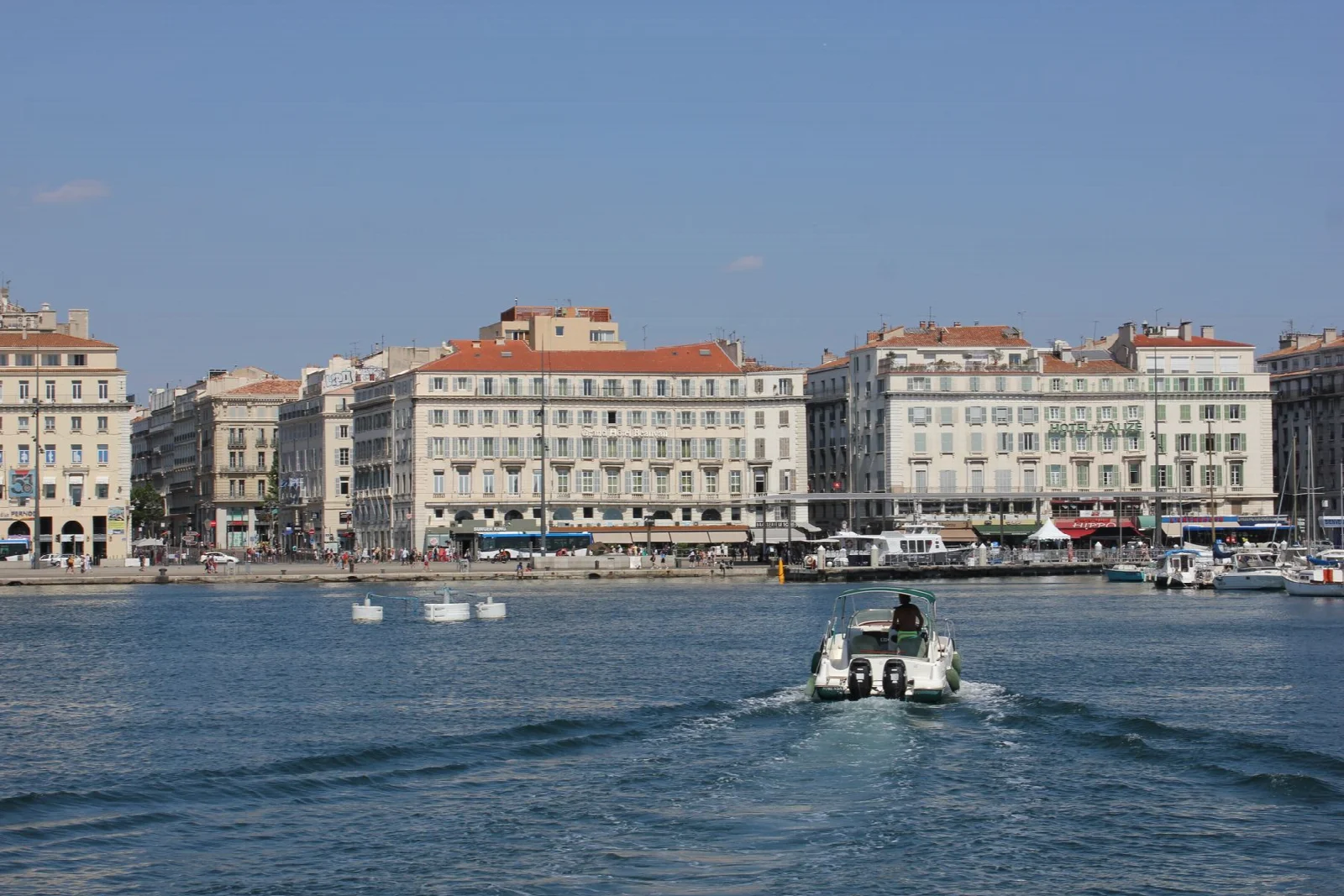
Your first impression of Marseille might be a boat engine across the water, or the contrast between blue harbour water and warm-coloured facades. The Tatilmerkezi Stork invites you into a city shaped by the sea, where each turn reveals another layer. A day beginning at Vieux-Port can lead into older neighbourhoods, a museum or a terrace looking out towards open water. This guide helps you divide a first visit across two or three days, choose a convenient base and prepare a Calanques outing separately from ordinary city sightseeing.
Divide your time before filling the map
With two full days, you could give one to the Old Port and northern waterfront, and another to a hilltop view and the southern side. A third day adds flexibility for a museum, an island excursion or an outdoor route. If you arrive in the afternoon, start with a simple harbour walk and a meal. Trying to begin a long climb immediately after a flight or train journey can create unnecessary fatigue.
Avoid squeezing a Calanques hike into a small gap between city visits. Reaching the route, understanding the terrain, checking weather, carrying water and arranging the return all need attention. Seeing a cove from a boat is also different from reaching its beach on foot. Read the actual scope of any excursion before booking, and confirm whether the place that caught your eye in a photograph is included.
Vieux-Port: understand Marseille from the harbour
The Old Port is a useful place to orient yourself. As you follow the water, look towards the opposite bank and locate the neighbourhoods you may explore later. Morning activity and evening light create different impressions; returning at another time can reveal more than a single quick circuit. Check current arrangements for markets or boat departures instead of treating an old photograph as a permanent daily schedule.
The harbour is a working navigation and transport area, not an urban swimming beach. Keep quayside routes and working spaces clear when stopping. Vieux-Port station on metro line M1 is a useful reference for reaching the centre. Still, check the station exit and the final walk to your accommodation. The shortest-looking route on a map may not be the easiest one with luggage.
Le Panier: follow the scale of the old streets
North of the harbour, Le Panier adds narrow lanes and small squares to the city walk. It often works best as an unhurried neighbourhood exploration rather than a mission to find one particular shop. Pause after an uphill stretch and notice how the streets connect. Leave doorways and steps free when taking pictures; these are routes to people's homes and workplaces.
Independent businesses can change their opening hours. If one café or shop is not your only reason for the walk, finding it closed will not spoil the day. When adding a timed museum visit, arrange that first and build the street exploration around it. On a warm day, shorter stages and water breaks may be more enjoyable than trying to complete every uphill lane without stopping.
La Major: grandeur by the waterfront
La Major Cathedral stands out through its large domes and striped stone appearance. Begin by seeing it from outside, comparing a more distant view with details closer to the building. Its broader setting creates a different sense of space after the narrow neighbourhood streets. The shade and light in the photograph record one moment; conditions can look very different in another season.
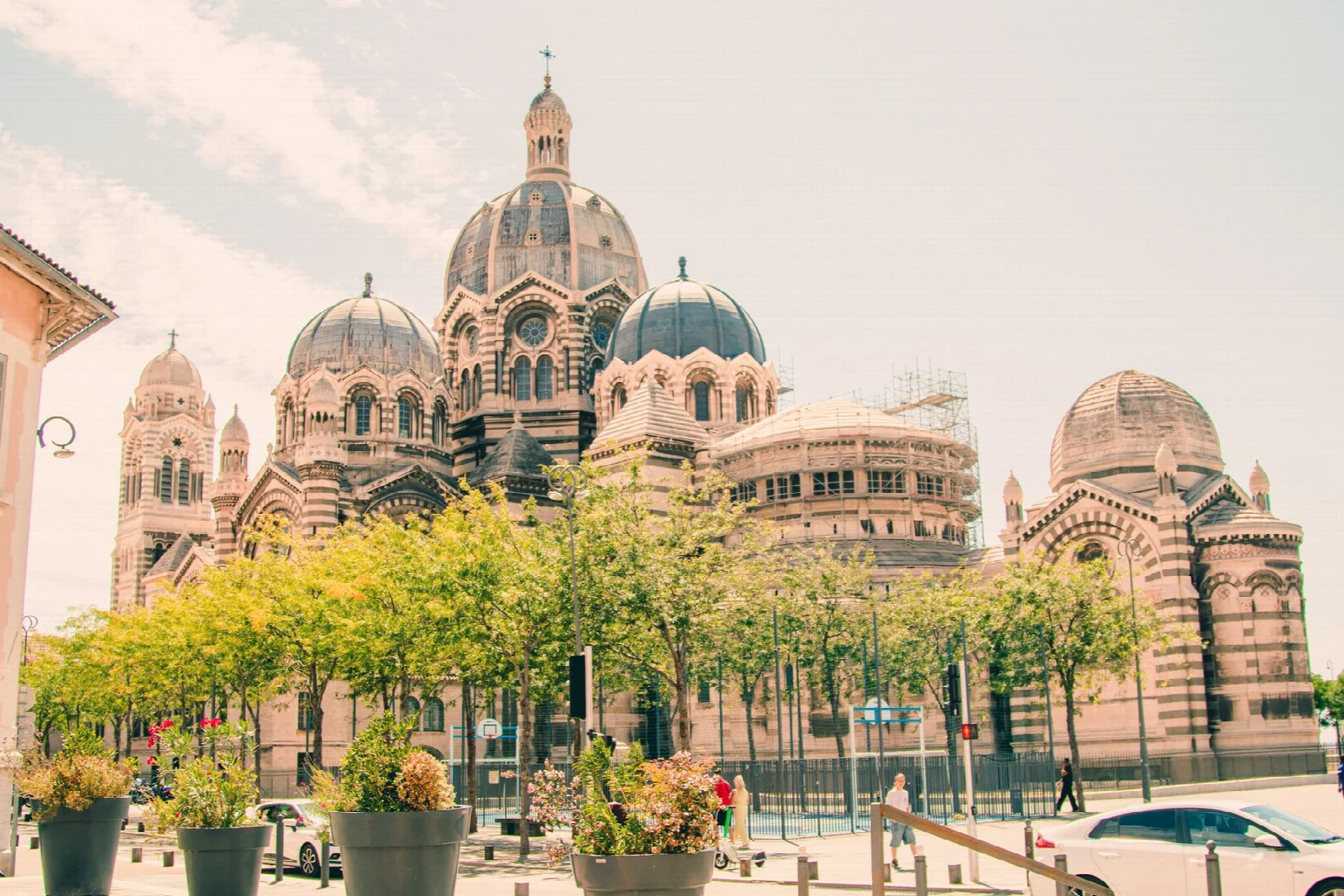
Check visiting arrangements and services if you wish to go inside. Follow the local guidance on quiet, clothing and photography. A place of worship deserves more consideration than a hurried photo stop. Leaving room before the next museum booking allows you to appreciate the building without constantly watching the clock or interrupting other visitors.
Mucem and the Fort Saint-Jean area
For travellers interested in Mediterranean cultures, Mucem adds substance to the waterfront route. Exploring exhibitions requires a different time commitment from looking at the building and its surroundings. Choose the displays that appeal to you from the current programme, then confirm ticket coverage and access through the museum's official information. A section another visitor entered free of charge may have different arrangements on your dates.
Around Fort Saint-Jean, check the current availability of bridges, outdoor areas and entrances. If you combine the museum with a long harbour walk, leave time to sit down. Looking out across the water after spending time with Mediterranean themes can help the separate parts of the day connect. It is a more rewarding approach than moving immediately from one entrance queue to another.
City streets: go beyond the harbour
Following the waterline alone gives you only part of Marseille. A brief detour into the central streets introduces apartment facades, shops and everyday movement. The accompanying street photograph is an example of the urban fabric, not a precise instruction for finding the start of a named trail. Notice what interests you along your own planned route rather than searching for every corner in a photograph.
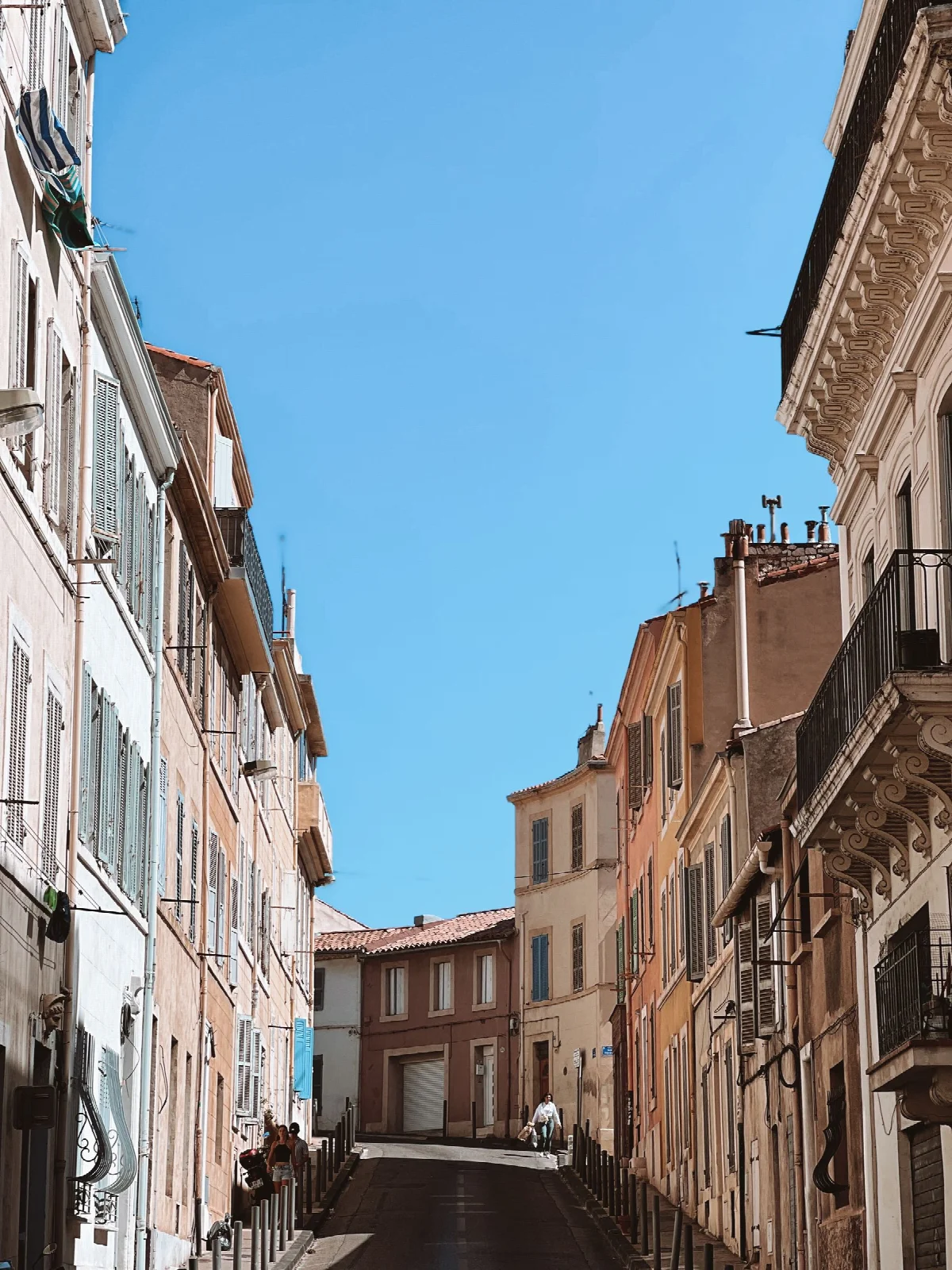
When crossing into another neighbourhood, do not judge the journey only as a line on a screen. Slopes, steps and heat affect the experience. Look at your stops together on the map so the journey back to your accommodation remains straightforward. Repeatedly crossing between attractive places in opposite directions can consume time without making the day feel more complete.
Notre-Dame de la Garde: look down over the city
The hilltop Notre-Dame de la Garde is a separate outing that helps you understand the harbour and surrounding districts from above. If you choose to walk uphill, place it in the part of the day when you have more energy. For a public-transport connection, consult the current service information. Time for the panorama and time for an indoor visit are different decisions.
Wind and visitor numbers can change the experience. A clear day may offer long views, but visibility is never guaranteed. This is also a place of worship, so respect entrances and quiet areas. After the hilltop visit, a light lunch or a gentle waterfront pause may fit better than immediately adding two more demanding walks.
Pharo: pause for the view
The Palais du Pharo area offers another perspective on the harbour. Looking at the exterior and walking nearby is different from entering the palace. Check current garden, gate and event arrangements rather than assuming continuous public access to every part. It can be a satisfying quieter stop when the weather and your energy level suit a pause.
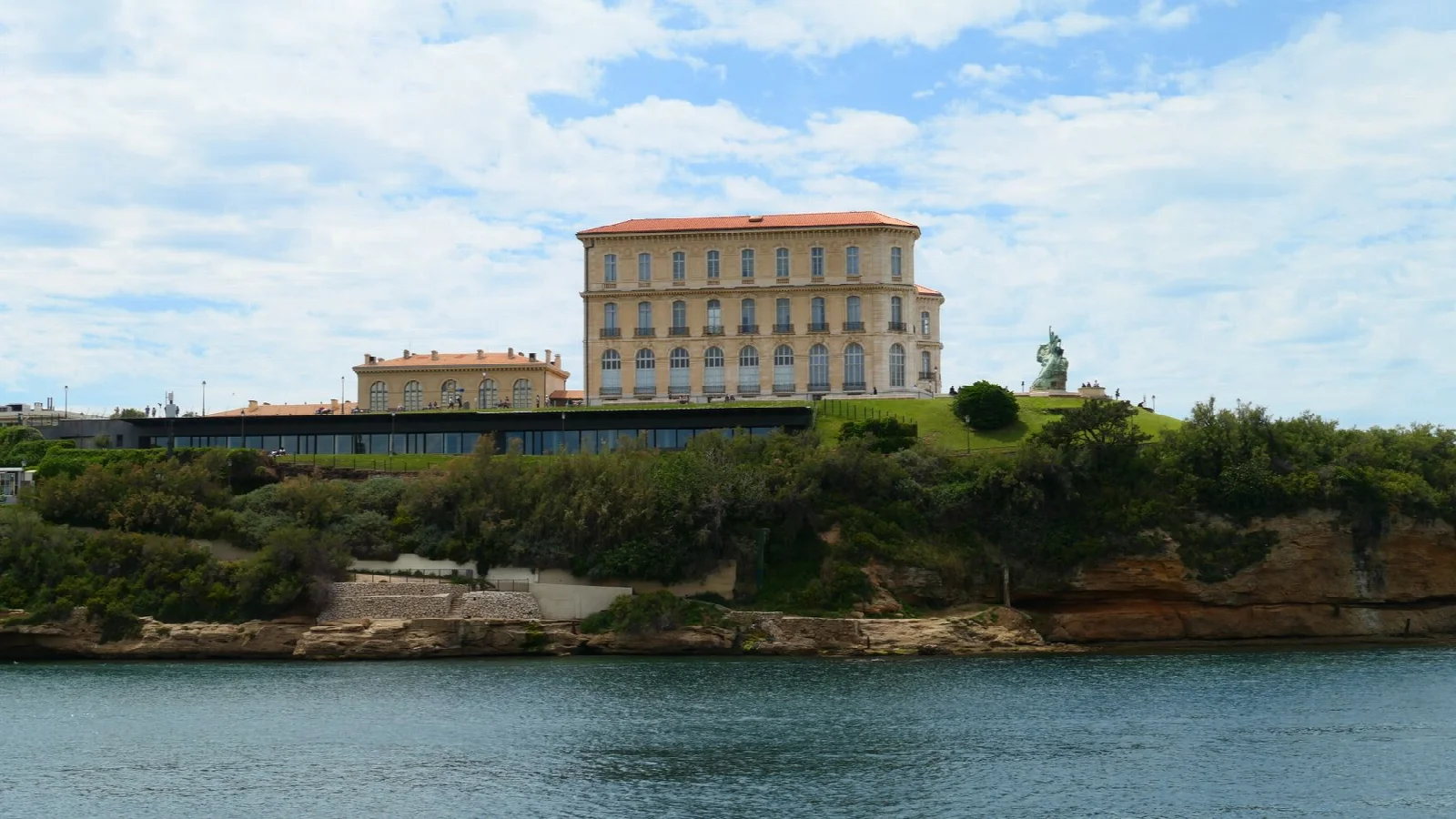
The relationship between the building and the water shows why Marseille does not fit into a single viewpoint. From inside the harbour, from a hill and from the opposite waterfront, the city tells different stories. Spreading these views across your visit varies both the light and the pace. Keep space in your day for drinking water, sitting down and simply watching the boats.
The Calanques: nature needs its own plan
Pale cliffs and turquoise water make striking photographs, but a beautiful picture says little about how easy a walk will be. Check the distance, elevation, surface and return connection for the particular route you choose. Consult official park information before treating it as an extension of an urban waterfront stroll. Suitable footwear, sufficient water and sun protection belong in the plan from the beginning.
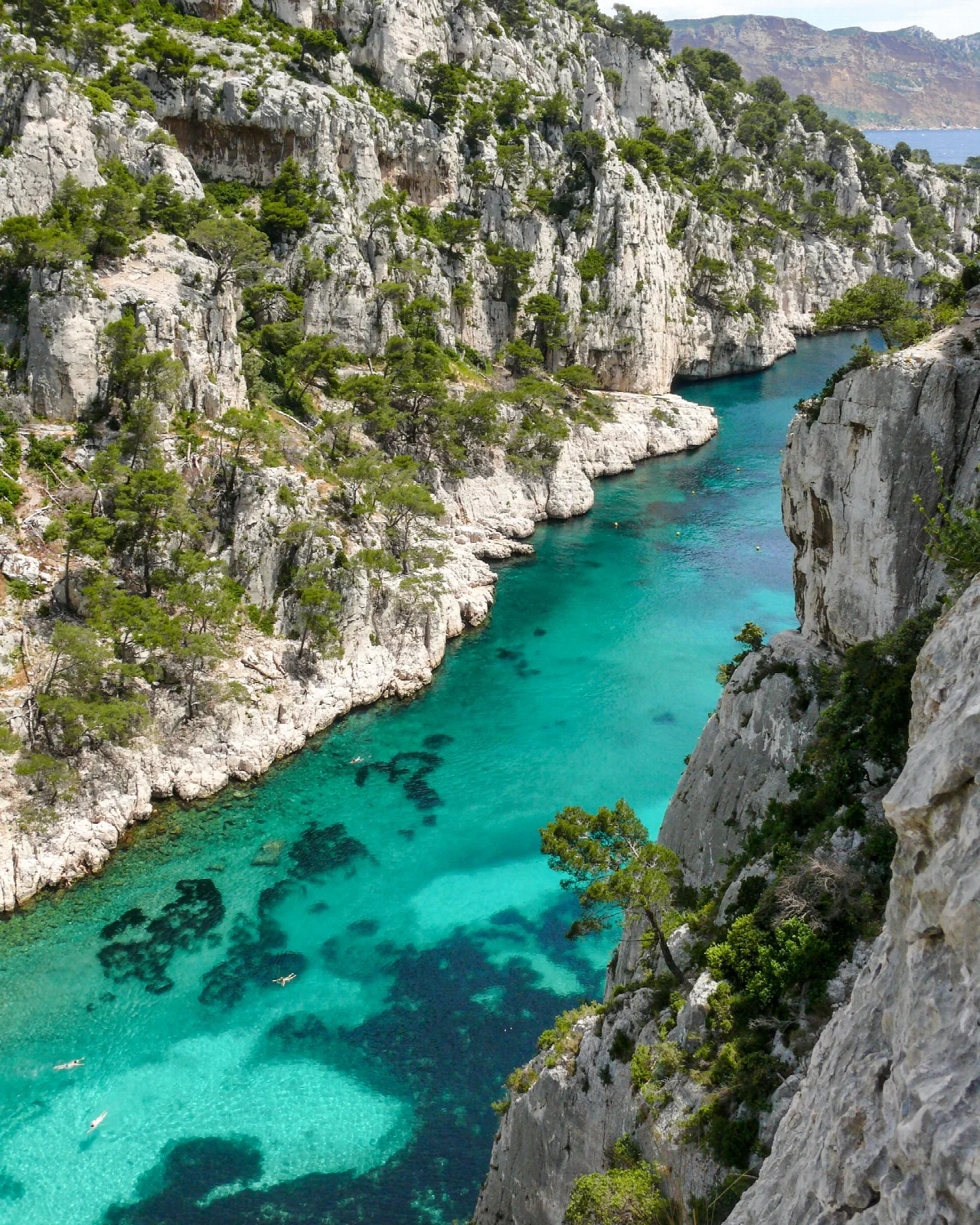
Sugiton and Pierres Tombées use free advance reservations during designated busy periods; check the applicable dates each year. A booking does not allow entry when fire risk closes the area. Read current access notices, stay on marked paths and take waste back with you. The photograph here illustrates the broader Calanques coastal landscape and should not be used as a directions photograph for Sugiton or a specific trailhead.
Food: understand what is on the menu
Bouillabaisse is strongly associated with Marseille's fish cooking. Seeing the name on a menu does not guarantee an identical presentation or price everywhere. Ask about ingredients, serving size and how the meal is offered. For a smaller taste, chickpea-based panisse provides another regional option. One leisurely meal and a lighter snack can make a comfortable balance across a sightseeing day.
Explain seafood allergies or other dietary requirements before ordering. A local speciality is not automatically suitable for every traveller. Choosing a harbour-facing table and prioritising the food itself are different preferences; read the menu and decide what matters to you. Use the restaurant's own current information instead of treating an old online price as a reliable budget figure.
Accommodation and airport arrival
For a first visit, accommodation around Vieux-Port can simplify the start of central walks. The Saint-Charles area may be practical for an early railway departure, but examine the last part of the walk, slopes, entrances and luggage access. The airport has an A1 bus connection to Saint-Charles. Consult official airport information for the timetable, traffic expectations and ticket scope rather than relying on old route numbers or fares.
Reaching Saint-Charles is not the same as arriving at your hotel. Plan the final stage before you land, particularly after a late flight or with substantial luggage. A direct-looking downhill route on arrival may involve an uphill return on departure. Choosing a convenient base means thinking about both directions, not just the first journey from the airport.
A three-day outline you can change
Give the first day to Vieux-Port, Le Panier and the La Major area. On day two, select either Mucem or Notre-Dame de la Garde as the principal visit, then add a manageable waterfront pause around Pharo. If you want both major visits, allow enough time for the journey and breaks rather than assuming they sit beside each other. Keep the first evening simple if arrival travel has already taken much of the day.
Use a third day for a nature or sea excursion only when access and weather support it. Otherwise, spend more time in a museum or a neighbourhood you enjoyed. This is not a compulsory checklist. Let your interests, opening arrangements and energy determine the order, and keep at least one alternative that does not depend on a boat sailing or a trail remaining open.
Frequently asked questions
Are two days enough for Marseille?
They allow a useful first introduction to the centre. A substantial Calanques or island outing is easier to enjoy on a separate day. Calculate how many full days remain after your actual arrival and departure times.
Do all Calanques visits need reservations?
No. Conditions differ by area and date. Consult the official calendar for restricted locations such as Sugiton. A reservation never overrides a fire-risk closure.
Can I swim in the Old Port?
Vieux-Port is not a swimming area. For a beach break, check suitable locations, local bathing conditions and warnings separately. A harbour with boat traffic is not equivalent to a sheltered swimming cove.
Does the airport bus take me to my hotel?
The Saint-Charles connection brings you to a transport hub. Plan the final journey to your accommodation separately, considering your flight time, luggage and the current bus timetable.
Sources and current visitor information
Information checked on 1–2 October 2026. Recheck official admission, works and menu arrangements for your travel date.
- calanques-parcnational.fr — reservation sugiton
- calanques-parcnational.fr — reservation sugiton informations pratiques
- mucem.org — questions frequentes
- mucem.org — visiting regulations
- marseille-tourisme.com — le vieux port
- marseille-tourisme.com — the old port
- marseille-tourisme.com — bouillabaisse
- marseille-tourisme.com — panisses
- marseille-tourisme.com — the essentials
- marseille-tourisme.com — visit marseille in one day
- marseille.aeroport.fr — marseille gare st charles
The Tatilmerkezi Stork is our brand's storytelling character. This guide combines official sources and editorial route suggestions; it is not a personal travel diary.