
Open a map of France and your attention may fly in several directions: Paris rooftops, the brick and stone squares of the north, Normandy's broad horizons and the blue Mediterranean coast. The Tatilmerkezi Stork invites you to slow those wings a little. You can enjoy the country without repacking every morning. This guide helps you choose regions, connect cities by rail and build a comfortable first itinerary in mainland European France. French overseas destinations need their own transport and seasonal planning.
Choose the France you want to discover
Write down three interests: art, food, beaches, villages, architecture or nature. Choose your favourite two and your route begins to take shape. For art and city life, give Paris a generous share and consider Lille as a northern extension. If ports, coastal walks and Mediterranean cooking excite you, concentrating on Marseille and Nice makes sense. Normandy deserves time as a separate regional stop rather than an awkward detour between southern cities.
Two places that look close on a map can still require a substantial journey from one hotel to the next. Include the station transfer, luggage, connection time and check-in. Two nights do not always mean two full sightseeing days: an evening arrival followed by a morning departure leaves only one. Count actual usable time before deciding how many hotel bookings to make.
Paris: a whole world for your first stop
On a first Paris visit, give different days different purposes instead of working through one enormous checklist. The Seine and city views might anchor one day, while a museum you truly want to see anchors another. Avoid placing a timed morning visit at one end of the city immediately before a lunchtime booking at the other. Finding your way through stations and stopping to eat take time as well. Seeing the Eiffel Tower from a riverside viewpoint and going up it are two different planning decisions; every famous landmark need not become a paid experience.
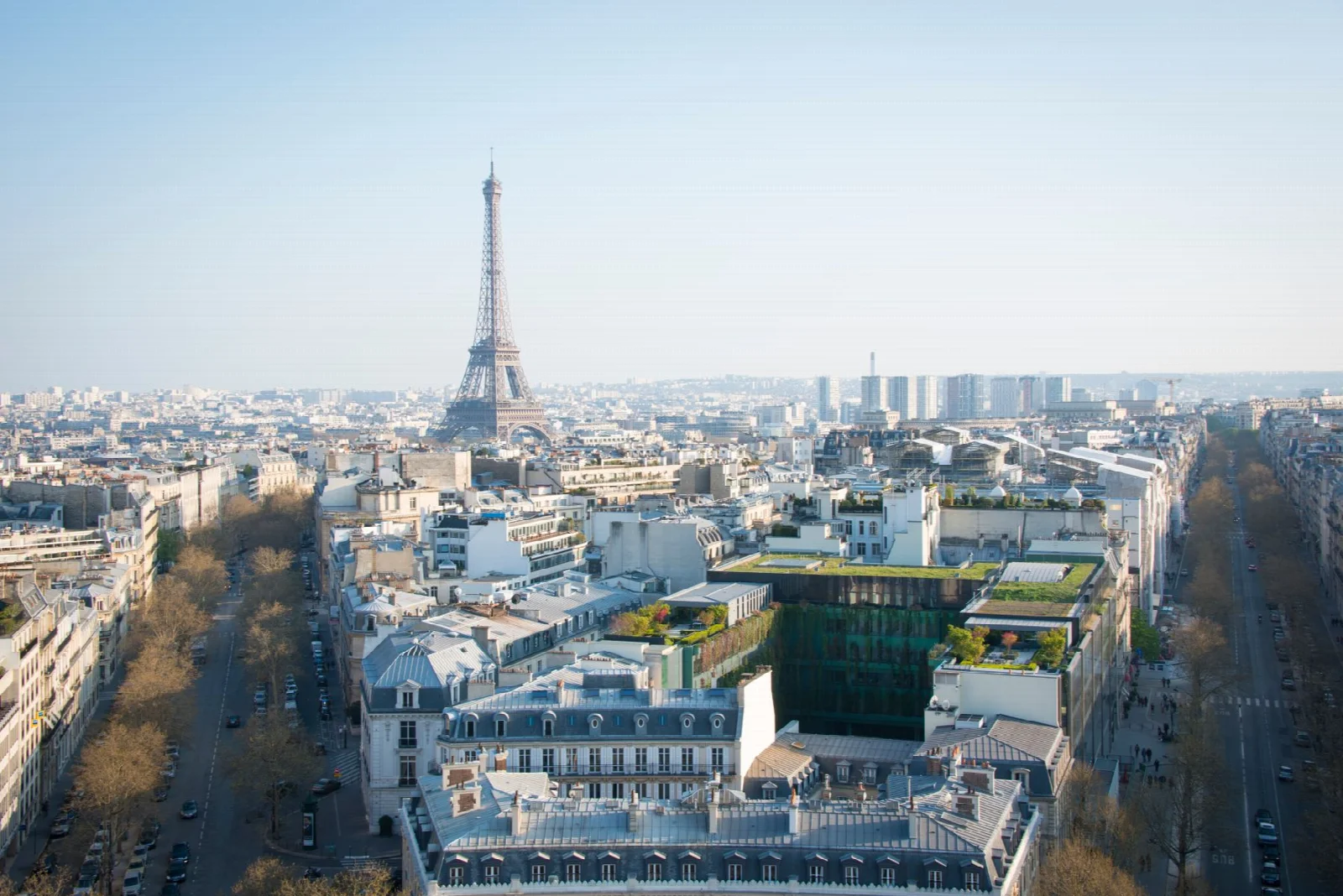
Three or four nights in Paris can be an editorial starting point, extended around your interests. Leave part of a day open for a bookshop, a neighbourhood market or a riverside bench. Tatilmerkezi's separate Paris guide explores the city's stops in more detail. At country level, the useful next question is which direction you would like to travel after the capital.
Lille in the north: a different character
Lille can be a rewarding second base if you want a city whose central layout feels easier to grasp after Paris. Grand Place's decorative facades, the cobbled streets of Vieux-Lille and regional restaurants called estaminets give it a distinct personality. Lille-Flandres and Lille-Europe are two separate stations in the city centre. Check the exact arrival and departure station on your tickets rather than noting only the city name.
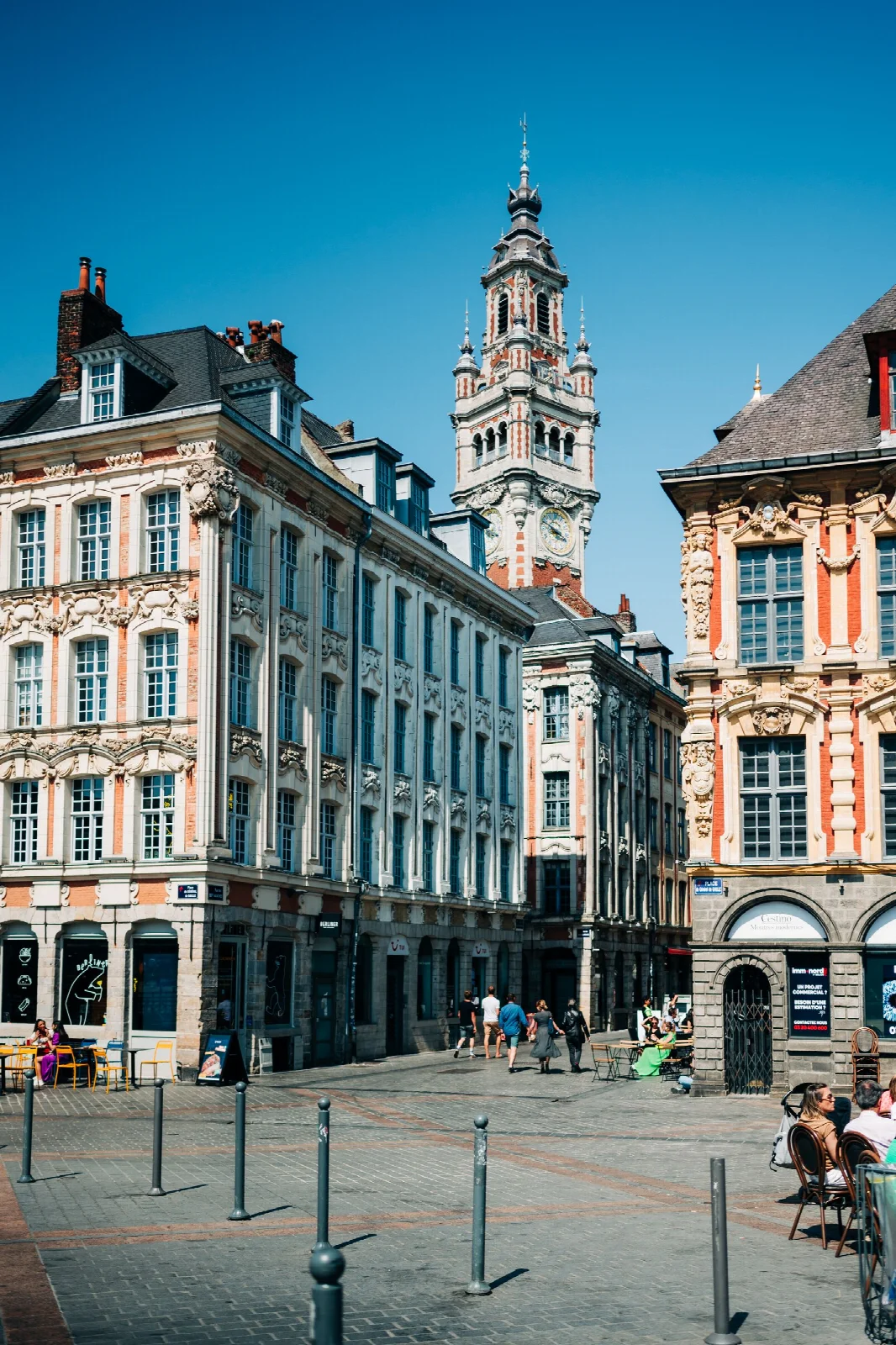
With two nights in the north, you can dedicate a day to the old town and food stops, then leave another part of your stay for a museum or green space. Returning to Paris on the same day may suit some plans, but a deadline after dinner is not everyone's idea of a relaxed evening. A short stay can turn a hurried excursion into a more comfortable weekend, especially when you are travelling with substantial luggage.
Marseille: a port and Mediterranean route
Vieux-Port helps you understand central Marseille, but it is only the beginning. Streets around Le Panier, La Major Cathedral and the Mucem waterfront offer different parts of a city walk. Notre-Dame de la Garde is a separate hilltop outing, while the Calanques require their own outdoor plan. Do not assume that every cove is a simple extension of a stroll around the harbour. Busy urban waterfronts and rocky natural areas have very different conditions.
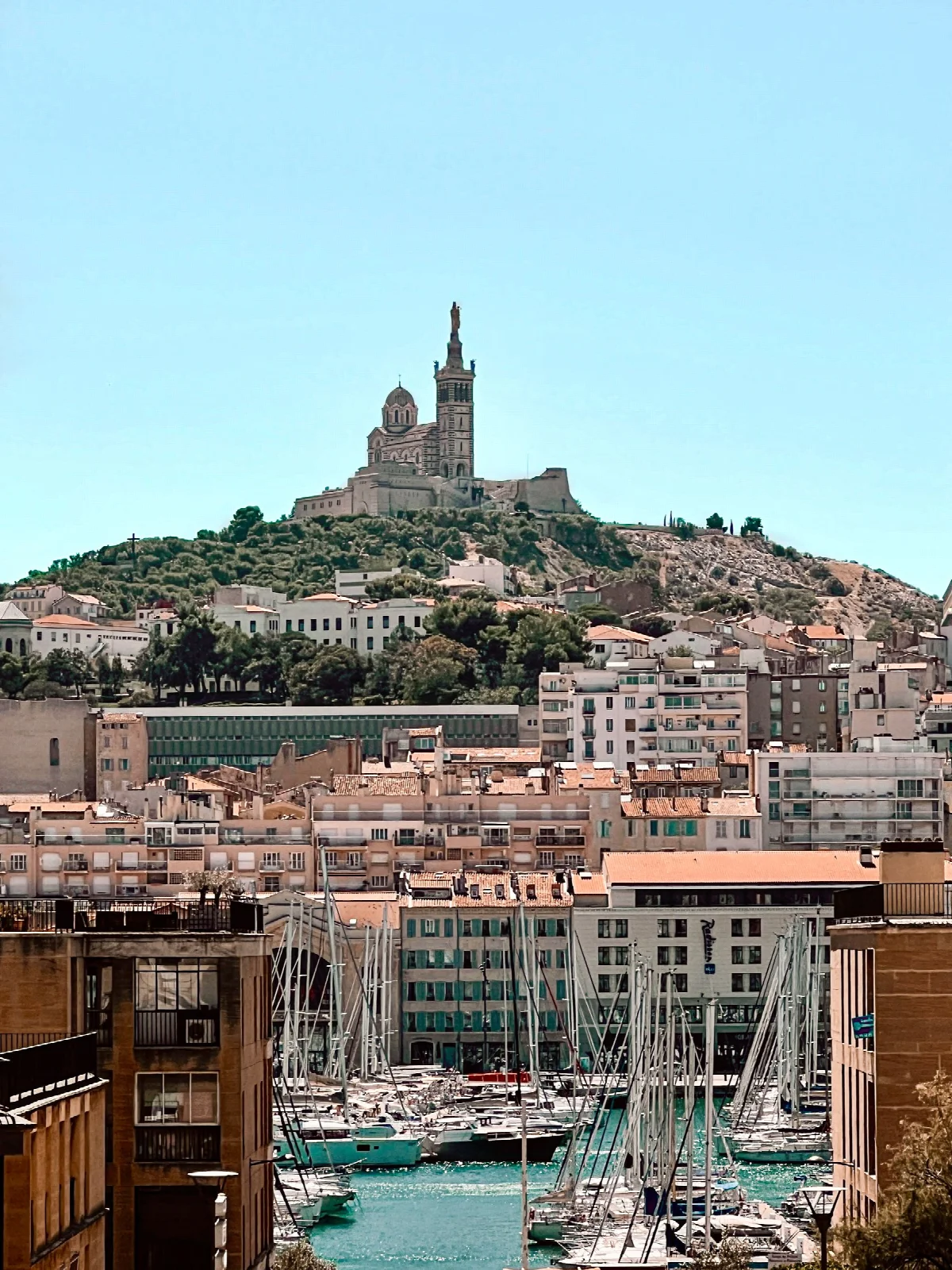
Two or three nights can introduce you to Marseille's centre and its relationship with the sea. For a Calanques day, check access, weather and the journey back before leaving. Some areas, including Sugiton, use seasonal reservations; a fire-risk closure can affect a day for which you already have a booking. Keeping a museum and neighbourhood alternative ready gives you something worthwhile to do if the outdoor plan changes.
Nice: days set aside for the coast
Nice combines a long seafront walk with the narrow streets of its old town. The Promenade des Anglais brings the city alongside the Baie des Anges. Spread Castle Hill views, Vieux-Nice, the Masséna area and Port Lympia across different parts of your visit. You do not have to leave for another coastal town every day and use Nice only as somewhere to sleep. The city itself offers enough walking and exploration to justify unhurried time.
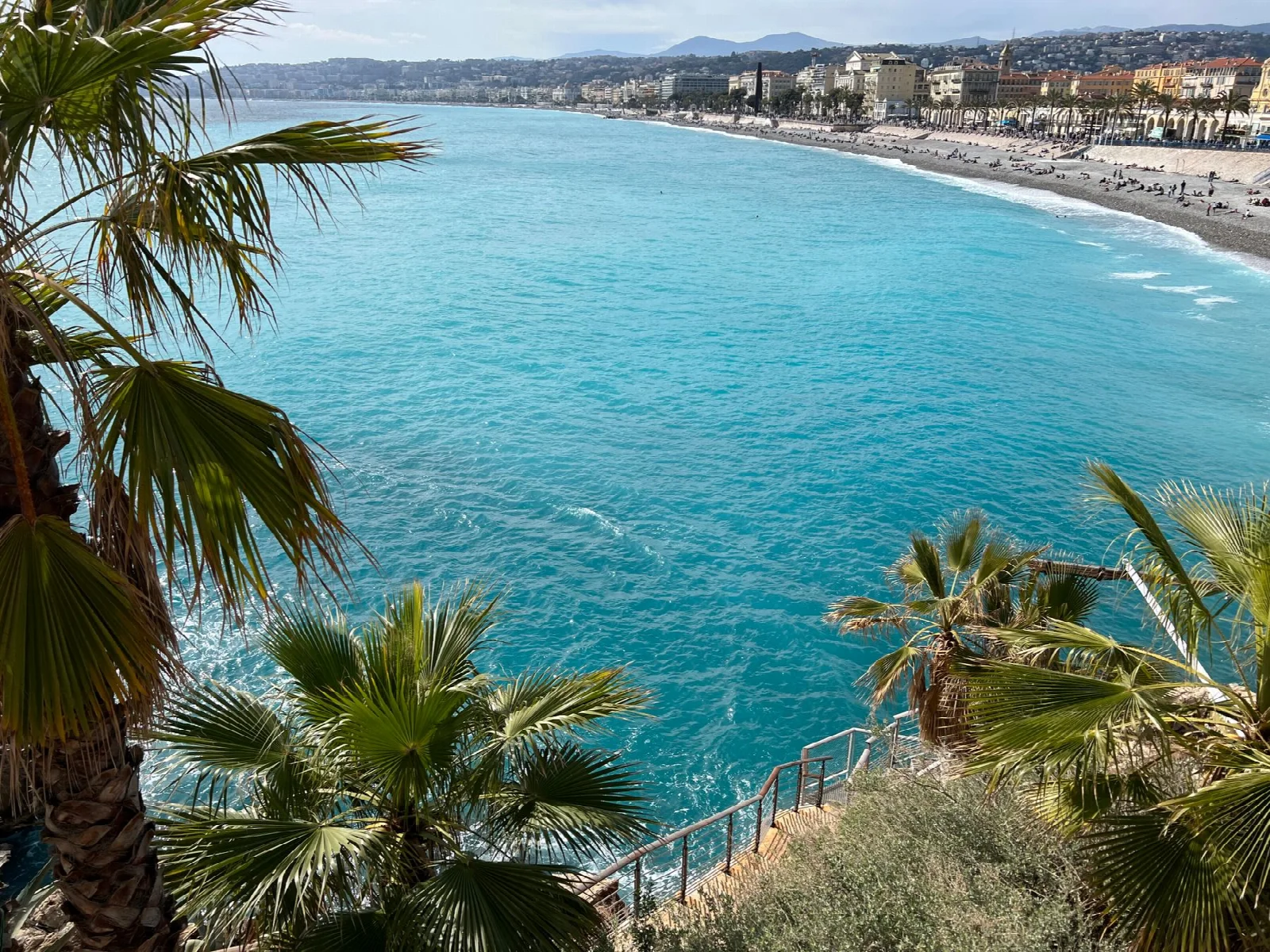
Prepare for a pebble shore rather than expecting a sandy beach. Check bathing conditions and the arrangements for public areas and beach businesses on your visiting day. A tram connection links the airport with the city centre and Port Lympia. Check the ticket product for your airport journey instead of assuming it works exactly like every other city ticket; this makes the first transfer easier to manage.
Treat Normandy as a journey in its own right
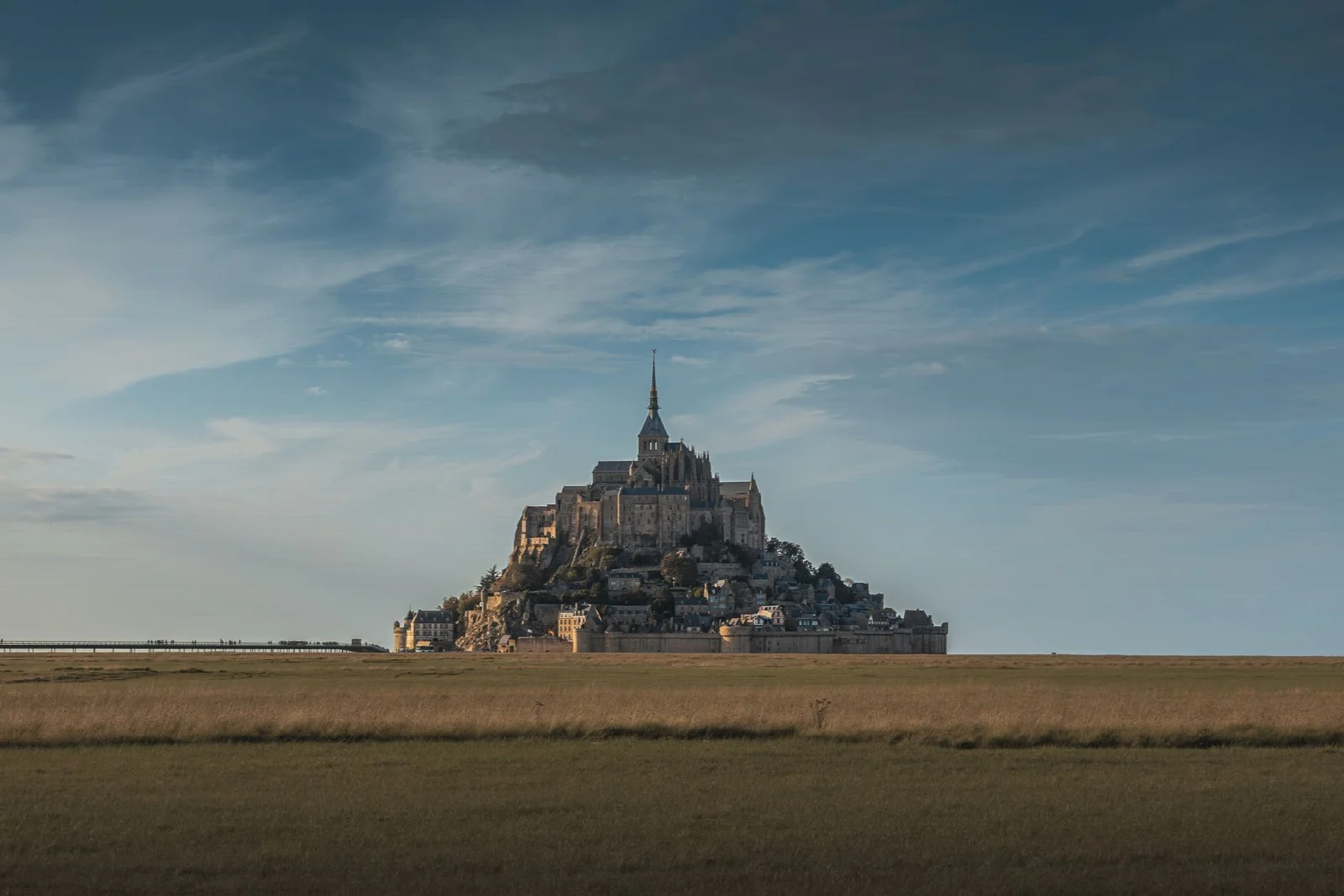
Mont Saint-Michel, shown in the cover photograph, represents a very different side of France. Fitting it between Paris, Marseille and Nice as a quick stop can be misleading. Allow separate time for reaching the region, the final connection and the visit. Exploring the settlement and abbey area is different from walking across the exposed bay. A bay crossing requires an appropriately qualified guide because tides and ground conditions matter.
A photograph taken at low tide is not a promise that the scene will look the same when you arrive. Consult the official tide information and avoid choosing an improvised path across the bay. On a shorter holiday, leaving Normandy for another trip can be a good decision. Removing a stop is sometimes the best way to give the remaining destinations enough attention.
Choosing trains: ticket conditions matter too
High-speed services and regional TER trains serve different needs. Compare the exact departure and arrival stations, the number of connections and the conditions attached to each product. A low headline fare is useful only if its flexibility and luggage arrangements suit your journey. Regional services can have different rules; a transport card bought in one place should not be assumed valid throughout the country.
Travelling early may leave you an evening in the next city, but do not force a very early start simply to increase your sightseeing count. Check carefully whether a connection involves changing stations. If you purchase two separate tickets, think about how a delay on the first journey could affect the second. The operator's current information is the final reference for service changes, engineering work and ticket conditions.
A seven-day or ten-day outline
For a week, consider a two-base city route such as Paris and Lille, or a Mediterranean trip centred on Marseille and Nice. Four nights in Paris and two in Lille can be a useful starting allocation, adjusted to your flights and train times. For the southern option, divide the stay between the two cities and keep the beach or museum day flexible around the weather. These are original planning suggestions, not fixed package itineraries.
A ten-day first trip could use Paris, Marseille and Nice as three main bases. Shift a night towards a city if an exhibition particularly interests you; three cities do not automatically need equal time. Compare return travel from your final destination with going back to the original arrival city. Choosing flights before considering that extra journey can leave you spending much of the last day retracing your route.
Choose accommodation around real journeys
A place within walking distance of the centre or with a simple public-transport connection is a useful starting point for first-time visitors. Look at the station exit and the actual walk with luggage, not just a straight line on a map. In Nice, Marseille and Paris, the relationship between location and price changes substantially with dates. Divide your budget into accommodation, intercity transport, local travel, food and paid visits rather than relying on one invented daily figure.
You do not need several ticketed attractions every day. Combine streets, parks, waterfronts and markets with a major museum you care about. This helps both your budget and your attention. Read how drinks and extras are charged on a restaurant menu; one displayed figure does not necessarily cover an entire meal. Cancellation conditions are also worth checking before booking, because flexible arrangements can make transport or weather changes less disruptive.
There is more than one French table
An estaminet meal in the north, fish dishes and chickpea panisse in Marseille, and socca or other local cooking in Nice offer different introductions to regional food. Exploring these differences does not require an expensive restaurant for every meal. You might enjoy a leisurely lunch one day and a small picnic chosen from local shops on another. Learning a regional dish name gives you a more useful starting point than selecting an anonymous tourist menu.
Ask directly about ingredients if you have dietary preferences. A vegetable-based dish may contain stock, fish or another animal ingredient, and sauces vary between kitchens. The Stork's suggestion is to make small discoveries that fit your appetite, location and budget rather than treating any must-eat list as compulsory. Take time to enjoy one thing properly instead of turning every meal into another task.
Leave room for a slower day
A country itinerary can look balanced on paper while still feeling tiring in practice. After a long train journey, plan an easy arrival evening near your accommodation. Save a hilltop walk, a large museum or an extended coastal outing for a day when you have more energy. If the first half of the trip has involved several timed entries, give yourself a morning with only one neighbourhood to explore.
Travelling with children or with someone who prefers shorter walks makes this even more useful. Agree on a meeting point before separating in a museum, keep an offline copy of the accommodation address and identify a simple route back. None of this makes the journey less spontaneous. It creates the spare time in which an interesting square, a café or an unexpected view can become the highlight.
Frequently asked questions
Can I see all of France in one week?
You can have a meaningful first visit in a week, but not cover the whole country. Choose two main bases and explore around them. Fewer hotel changes often create more usable time than moving to a new city every day.
Do I need a car between the cities?
Look at rail options for the main cities discussed here. When you add rural places, the final connection becomes a separate planning question. Consider a car only for the days when it genuinely fits the route, taking parking and return arrangements into account.
Are spring and autumn similar everywhere?
No. Conditions differ between the north, the Mediterranean and mountain areas. Check each destination and outdoor activity rather than packing from a single national forecast. A beautiful photograph is inspiration, not a guarantee of sunshine on your travel dates.
How many paid visits should I book?
Start with the places that matter most to you, then add free walks and breaks between them. Leaving some hours unreserved allows an unexpectedly interesting street or a relaxed lunch to become part of the journey.
Sources and current visitor information
Information checked on 1–2 October 2026. Recheck official admission, works and menu arrangements for your travel date.
- calanques-parcnational.fr — reservation sugiton
- en.lilletourism.com — estaminets
- en.lilletourism.com — getting to lille by eco friendly transport
- explorenicecotedazur.com — promenade des anglais
- explorenicecotedazur.com — gourmet tour of old nice with oncity
- france.fr — itinerary
- france.fr — voyager en train france
- marseille-tourisme.com — panisses
- marseille-tourisme.com — the essentials
- nice.aeroport.fr — public transport
- ot-montsaintmichel.com — the crossings of the bay in the footsteps of pilgrims
- ot-montsaintmichel.com — tide schedules
- sncf-connect.com — train
The Tatilmerkezi Stork is our brand's storytelling character. This guide combines official sources and editorial route suggestions; it is not a personal travel diary.