
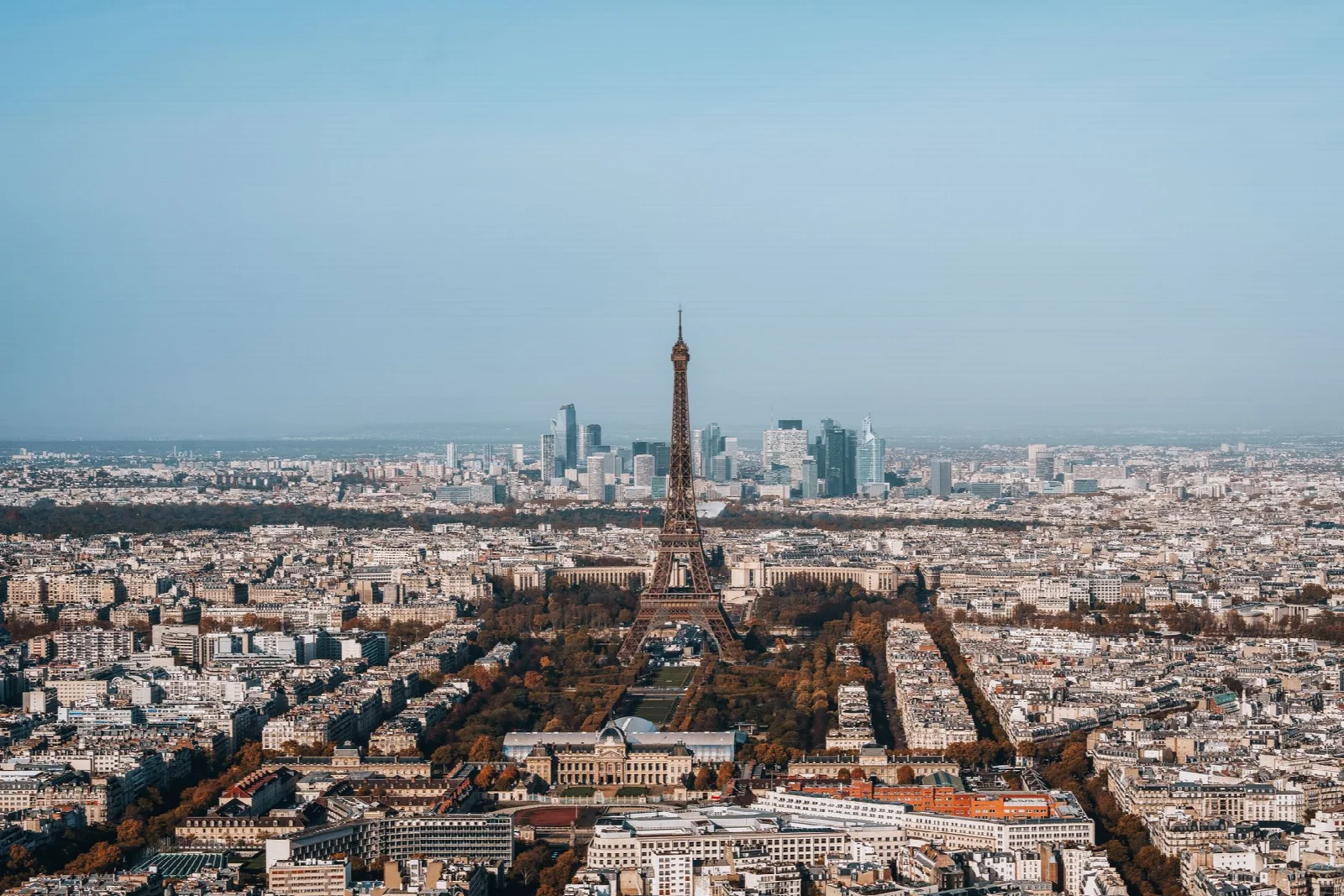
Your first morning in Paris begins with an inviting choice: follow the river or look out over the rooftops? The Tatilmerkezi Stork suggests leaving room for both. Give one day to art, another to neighbourhood streets and another to views. A photograph beside the Eiffel Tower can then share space in your memories with an unplanned bakery stop and a favourite stretch of pavement.
This Paris guide is designed around three full days, with room to change the order. It is an editorial itinerary, not a booked tour. Choose the timing of your main attraction first, then arrange nearby walks around it. Leaving space between reservations makes the city easier to enjoy and gives you a useful escape from the feeling that every beautiful building needs to be completed before lunch.
How many days do you need in Paris?
Three full days offer a practical introduction to the Eiffel Tower area, the Louvre and historic centre, and Montmartre. That does not mean seeing every museum. Choose the collections that interest you and allow the rest to become reasons to return. Count arrival and departure days honestly: reaching your hotel in the afternoon rarely leaves enough energy for a full sightseeing programme.
For a two-day visit, choose between the Louvre and another major museum instead of trying to fit both around all the landmarks. With four or five days, keep an afternoon free for the weather or a neighbourhood you want to revisit. Disneyland needs its own day. Travellers who prefer frequent breaks can divide each of the suggested days into two shorter outings without losing the character of the trip.
Eiffel Tower: choose the experience you want
Seeing the Eiffel Tower from the river, visiting the second floor and reaching the summit are different experiences. Official tickets distinguish between levels and ways of ascending. Read those details alongside the price, including whether your chosen ticket involves stairs or lifts. Do not assume that a second-floor ticket can always be upgraded to the summit after arrival.
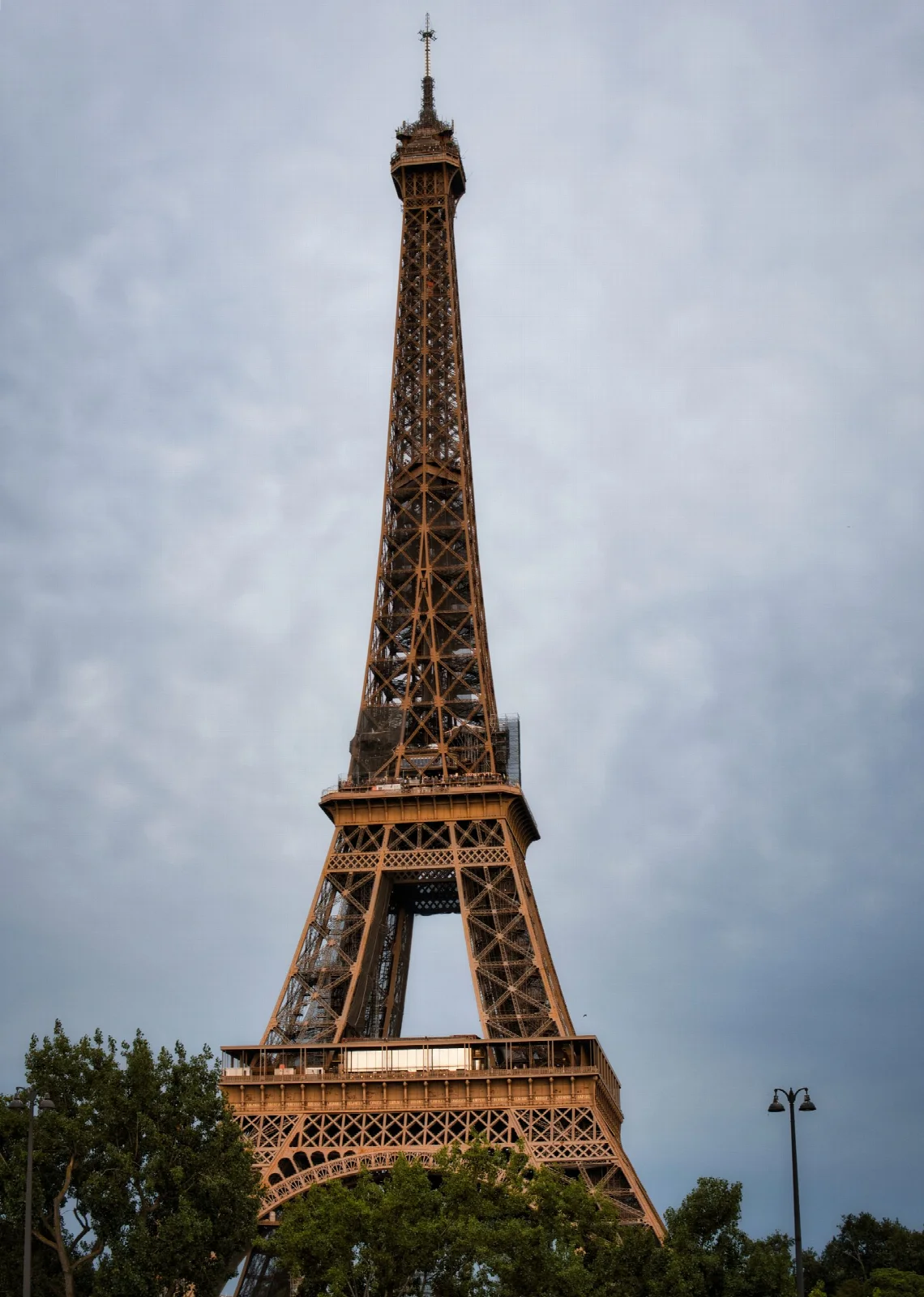
Make the surrounding walk part of the visit. The view from Trocadéro and a closer look from beside the Seine offer different compositions. Instead of remaining in one crowded photograph spot, take a few short stops while leaving paths clear. Allow time for transport and entrance procedures, and avoid booking another timed attraction immediately afterwards. Wind and clouds also change the experience: the highest viewpoint is not automatically the most rewarding photograph.
Louvre: choose two interests and take your time
Before entering the Louvre, choose two areas that genuinely interest you. Perhaps paintings and sculpture appeal more than trying to sample every collection; perhaps ancient objects and palace rooms suit your curiosity. Look at the museum plan and connect your choices into a manageable route. A famous artwork can be the centrepiece, but it does not have to consume your whole visit.
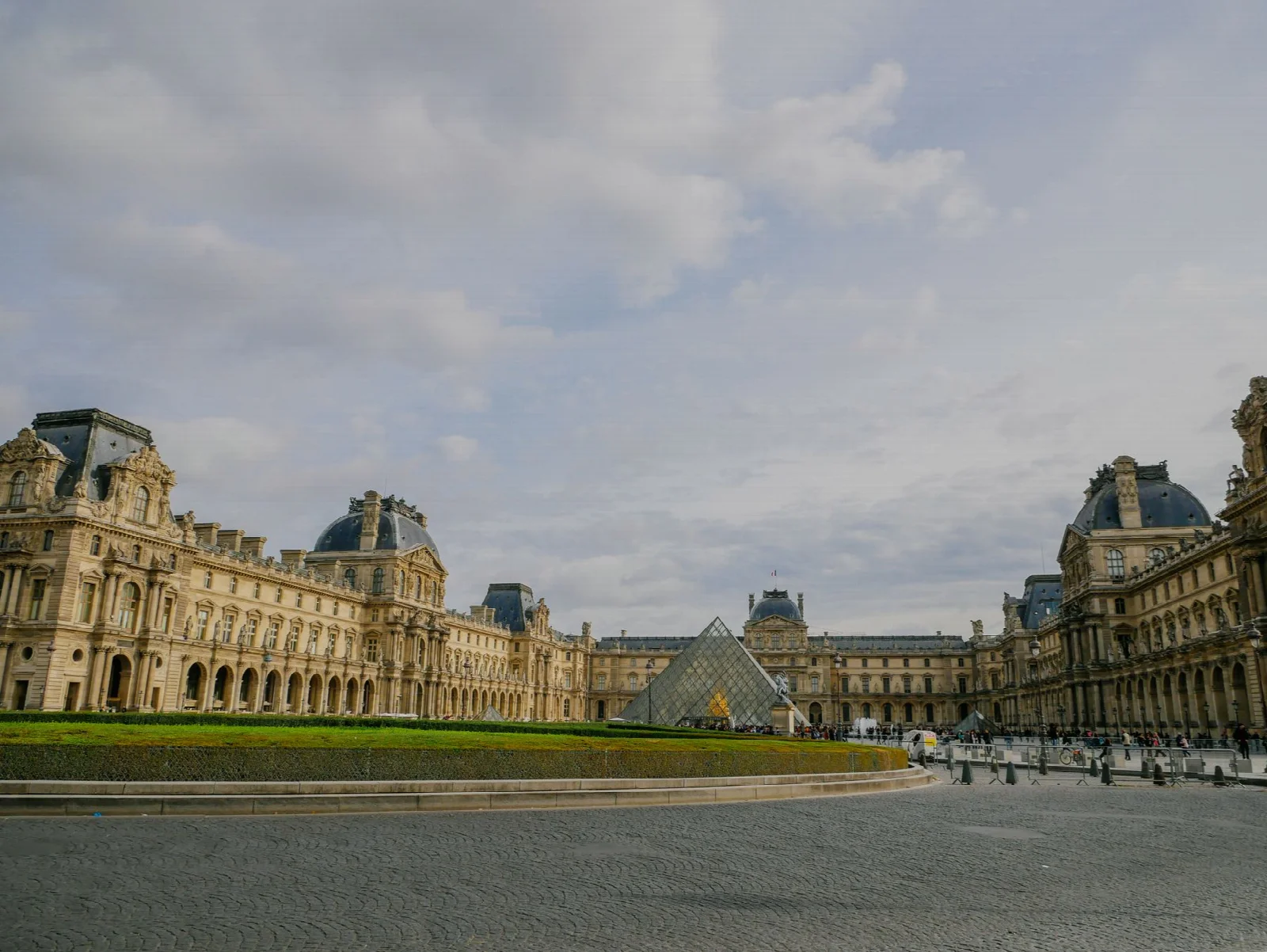
The Louvre normally closes on Tuesdays. Its official admission page recommends reserving a time slot, including for visitors eligible for free admission, and carries exceptional notices. Check those notices for your date. Afterwards, a break in the Tuileries gives your eyes and feet a change of pace. A rainy day can suit the museum, but many other visitors may reach the same conclusion, so avoid relying on a last-minute booking.
Notre-Dame and the Seine
Individual admission to the main cathedral is free, and its official free reservation system is optional. Treat a cathedral visit and a tower visit as separate arrangements. If you see a paid guided experience, read precisely what the payment covers. The restoration barriers visible in the photograph belong to an earlier scene; they are not a report of the square's current appearance.
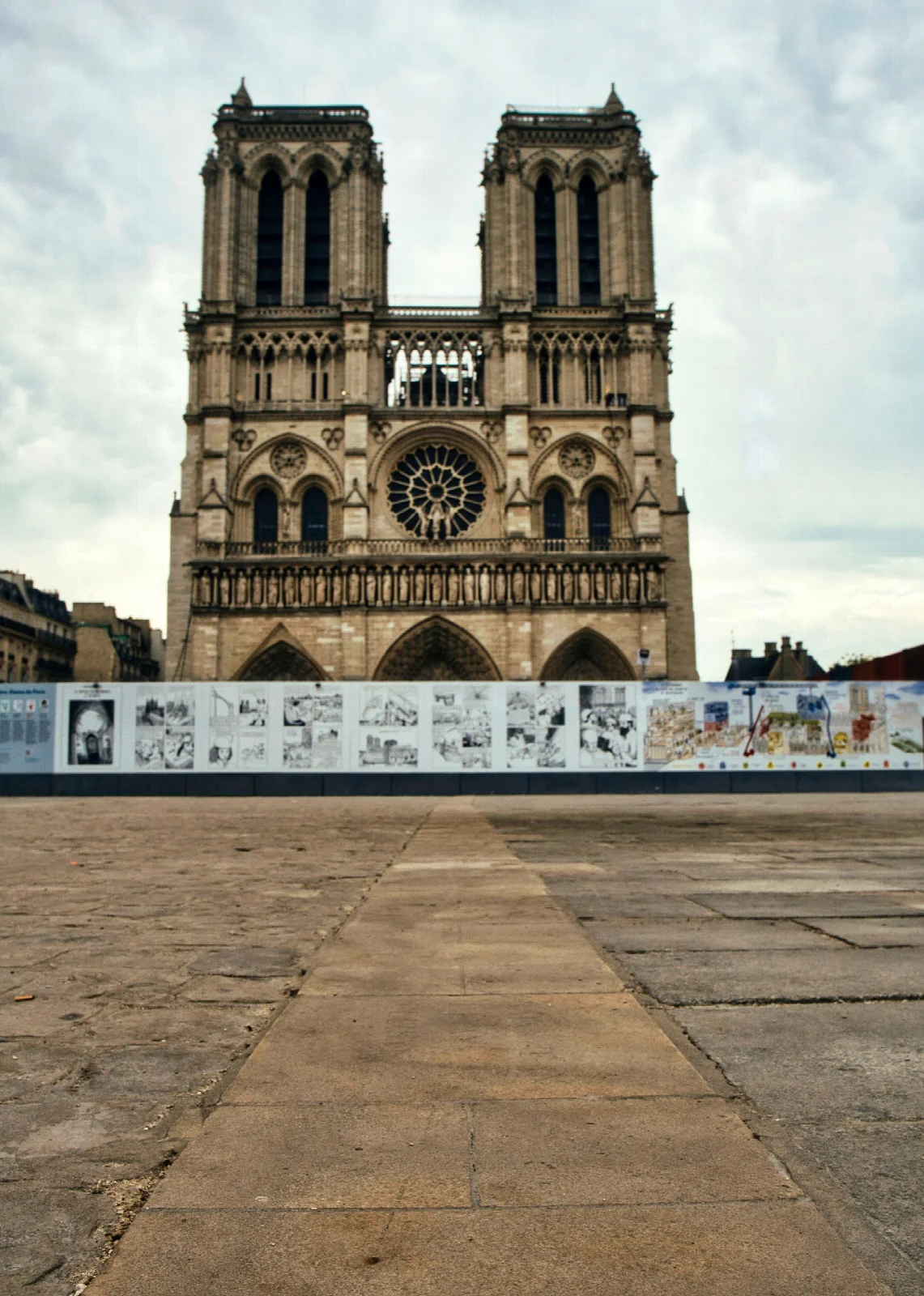
Combine this stop with a gentle river walk. Before descending to a lower riverside path, check access and stairs; staying at street level may suit your mobility needs better. Looking back from a bridge and then crossing to the opposite bank offers a simple way to notice the same building differently. You do not need to walk the entire riverfront. Ending the outing at a café is a perfectly good conclusion.
Montmartre: enjoy the hill and its neighbourhood
Sacré-Cœur, Place du Tertre and the streets around Abbesses introduce different sides of Montmartre. The city's official tourism walk connects local squares and streets rather than treating the hill as a single viewpoint. Give the neighbourhood some time after taking in the skyline. Slopes and steps affect how demanding the outing feels, so choose comfortable footwear and a route that matches your energy.

The Stork's suggestion is to notice what lies between the pins on your map: a doorway, a shop window or light falling across a narrow street. If you want a portrait or a souvenir, agree on the scope and price before committing. Respect residential entrances when taking photographs. A quieter frame made with care often says more about the neighbourhood than a hurried recreation of the most familiar image.
A flexible three-day Paris itinerary
Use the first day for the Eiffel Tower area. If you have a reservation, make it your main appointment, followed by a short Seine walk and an unhurried evening meal. If this is also your arrival day, consider enjoying the tower from outside and saving the ascent for later. Understanding the scale of a city is a worthwhile beginning in itself.
On day two, build a selective route around the Louvre, Tuileries and historic centre. If the museum absorbs more time than expected, move Notre-Dame to another day rather than rushing through both. Make Montmartre the main outing on day three and leave the afternoon open for a favourite district. Change the order around weather and available tickets. Your purchased entrance times, rather than a rigid checklist, are the fixed points.
Airport and city transport
Do not treat an airport journey as automatically covered by an ordinary city ticket. Île-de-France Mobilités distinguishes its Paris Région–Aéroports product from Metro–Train–RER and Bus–Tram products. Check your airport, means of transport and destination together. Beauvais should not be assumed to share the same ticket arrangements as the other airports serving Paris.
With luggage, the route involving fewer changes may be easier even when it looks longer on a map. Save your accommodation address, suitable station exit and final walking section. If step-free travel matters, examine station and line accessibility rather than relying on a metro symbol. Grouping each day's walks within one area reduces repeated journeys. Check current service information before the return trip, especially when a flight sets a firm deadline.
Choosing where to stay
Start with your daytime route and the kind of evening return you want. A central location can simplify walking, while requiring compromises on room size or budget. For accommodation around Montmartre, check where the property sits on the slope. If an Eiffel Tower view matters, confirm that it is included in your particular room category rather than inferred from the hotel's general photographs.
Compare two shortlisted properties using the same details: total airport journey, useful transport stop, evening route, lift access and luggage arrangements. Distance from a vaguely defined city centre does not tell the whole story. On a short trip, repeated long transfers can reduce the value of a cheaper room. A convenient base is the one that supports your actual programme.
Food breaks and a realistic budget
You do not need three formal restaurant reservations every day. A bakery breakfast, a simple lunch near your walk and a more leisurely evening meal make a comfortable starting pattern. When something on the menu interests you, consider portion size, drinks and what is included. Leave some discoveries for tomorrow rather than attempting every tempting pastry in one sitting.
Separate accommodation, transport, admission and food in your budget. Alternating a major museum day with neighbourhood walking helps distribute spending. Leave flexibility for rain, an unexpected journey or a longer rest. Use the establishment's own current menu and the attraction's booking page instead of treating a fixed price quoted in a guide as a promise.
Adding Disneyland Paris
Disneyland Paris deserves its own day rather than a gap between central attractions. Official travel guidance includes the RER A option, but your actual journey depends on your starting point, changes and current services. Think about admission, meals and the return journey as parts of one park day. Leave space for children to rest and for the experience you most want to enjoy.
If you have only three days, decide whether neighbourhoods and museums or the park are the main purpose of the trip. Adding a night can be more satisfying than compressing both into an exhausting schedule. Before paying, read the ticket's date, park coverage and change conditions.
Frequently asked questions
Can you explore Paris entirely on foot?
Nearby sights combine well on foot, but linking the Eiffel Tower, Louvre and Montmartre into one continuous walk may become tiring. Travel between areas, then explore each area at your own pace.
Do you need a paid ticket for Notre-Dame?
Individual admission to the main cathedral is free. Use its official optional reservation system and distinguish towers or guided services from cathedral admission.
Is a sightseeing pass essential?
No. List the attractions and journeys you actually plan to use, then compare their costs and conditions with the pass. Benefits you will not use do not automatically make a product good value.
Sources and current visitor information
Information checked on 1–2 October 2026. Recheck official admission, works and menu arrangements for your travel date.
- parisjetaime.com — village paris a922
- disneylandparis.com — public transport to disneyland paris
- iledefrance-mobilites.fr — comment et ou acheter mon titre de transport
- iledefrance-mobilites.fr — ticket paris region aeroports
- louvre.fr — hours admission
- notredamedeparis.fr — reservation free
- toureiffel.paris — all our tips buying ticket visit eiffel tower
- toureiffel.paris — rates opening times
The Tatilmerkezi Stork is our brand's storytelling character. This guide combines official sources and editorial route suggestions; it is not a personal travel diary.