
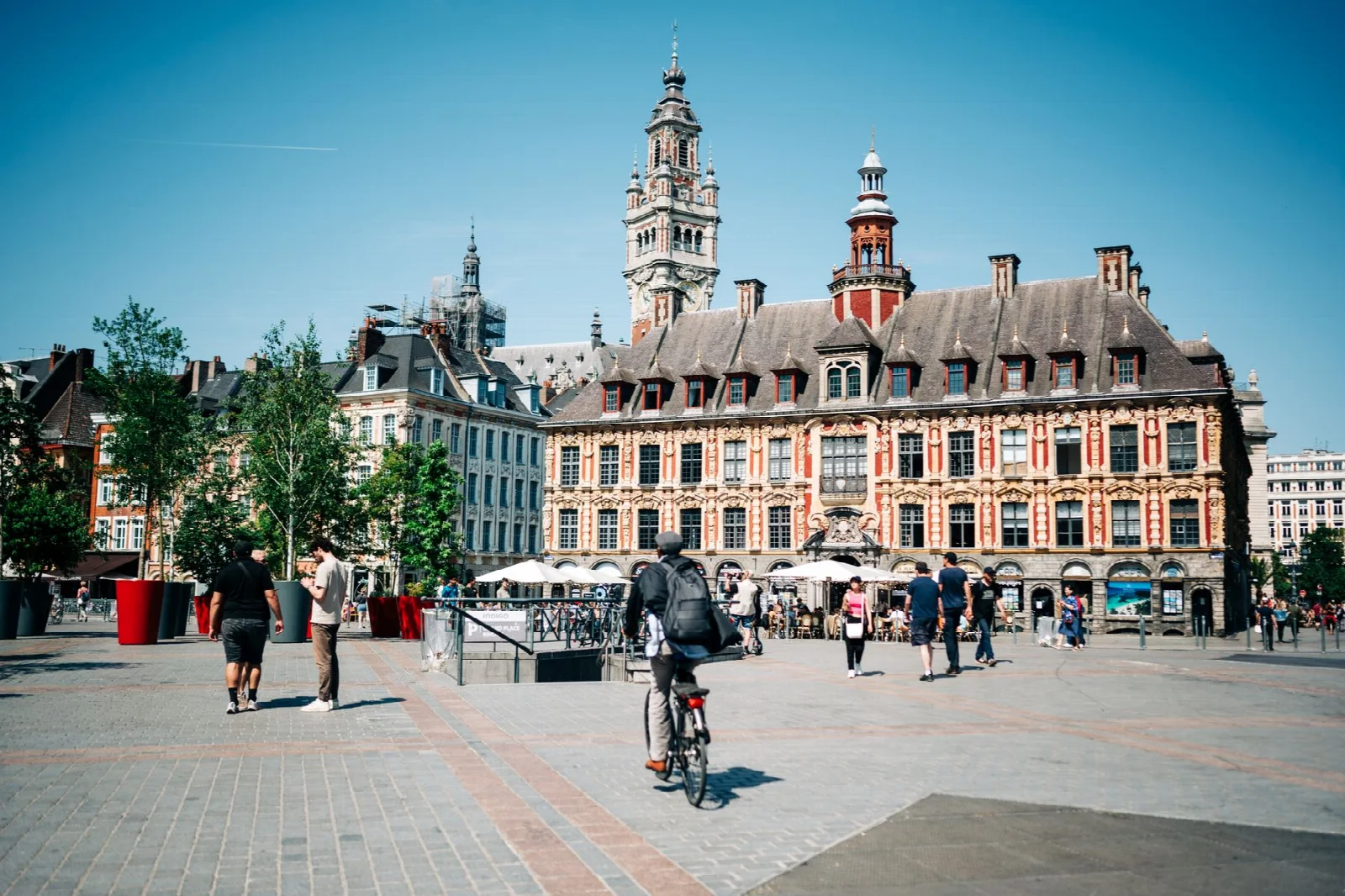
Lille invites you to look up rather than hurry. Red and gold facades, cobbled streets, shop windows and doors opening onto a leisurely lunch sit within a compact-looking centre. Here the Tatilmerkezi Stork builds a route from details: a decorated window, a book stall, a courtyard or a welcoming restaurant. This guide helps you shape a first two-day visit, choose an area to stay and keep transport straightforward, with enough flexibility to enjoy the city at your own pace.
How much time should you give Lille?
A day allows an enjoyable introduction to the centre. Two nights give you more space for the old town, a museum and relaxed meals. If you arrive by train and leave that evening, keep your main route between Grand Place and Vieux-Lille. Choose one museum that interests you instead of adding every institution on the map. Even neighbouring attractions require time for tickets, lockers, entrances and breaks.
Give your first morning a single starting point: Grand Place. Once you have your bearings, extend the walk into the older streets to the north. The second day can lean towards art or outdoor time. Bring the museum forward if it rains and extend the walk if conditions are pleasant. That simple flexibility lets you exchange the order of the days without rebuilding a tightly packed schedule.
Grand Place: begin with the facades
Place du Général-de-Gaulle, commonly called Grand Place, is a strong introduction to Lille. Stand near one side and examine the buildings individually, noticing how colours and decorative details change along the same frontage. Walk around before taking photographs to find an angle you like. The activity in the square belongs to everyday city life; it is not a stage reserved for visitors.
The Vieille Bourse, or Old Stock Exchange, makes a natural continuation. If its courtyard is accessible, allow a little time to look inside. Its use and events can vary, so finding book stalls or another activity on one occasion is not a guarantee of an identical market every day. Also avoid assuming every tower visible from the square belongs to the town hall: several buildings contribute to Lille's skyline.
Vieux-Lille: come closer to the details
The pleasure of Old Lille lies in noticing the scale of the buildings rather than moving quickly through them. Around Rue de la Monnaie, compare arcaded ground floors with decorated upper storeys. The House of Gilles de la Boë in the photograph offers one example of the area's elaborate facades. Turning into a small square can make the walk more varied than simply following the busiest shopping street.
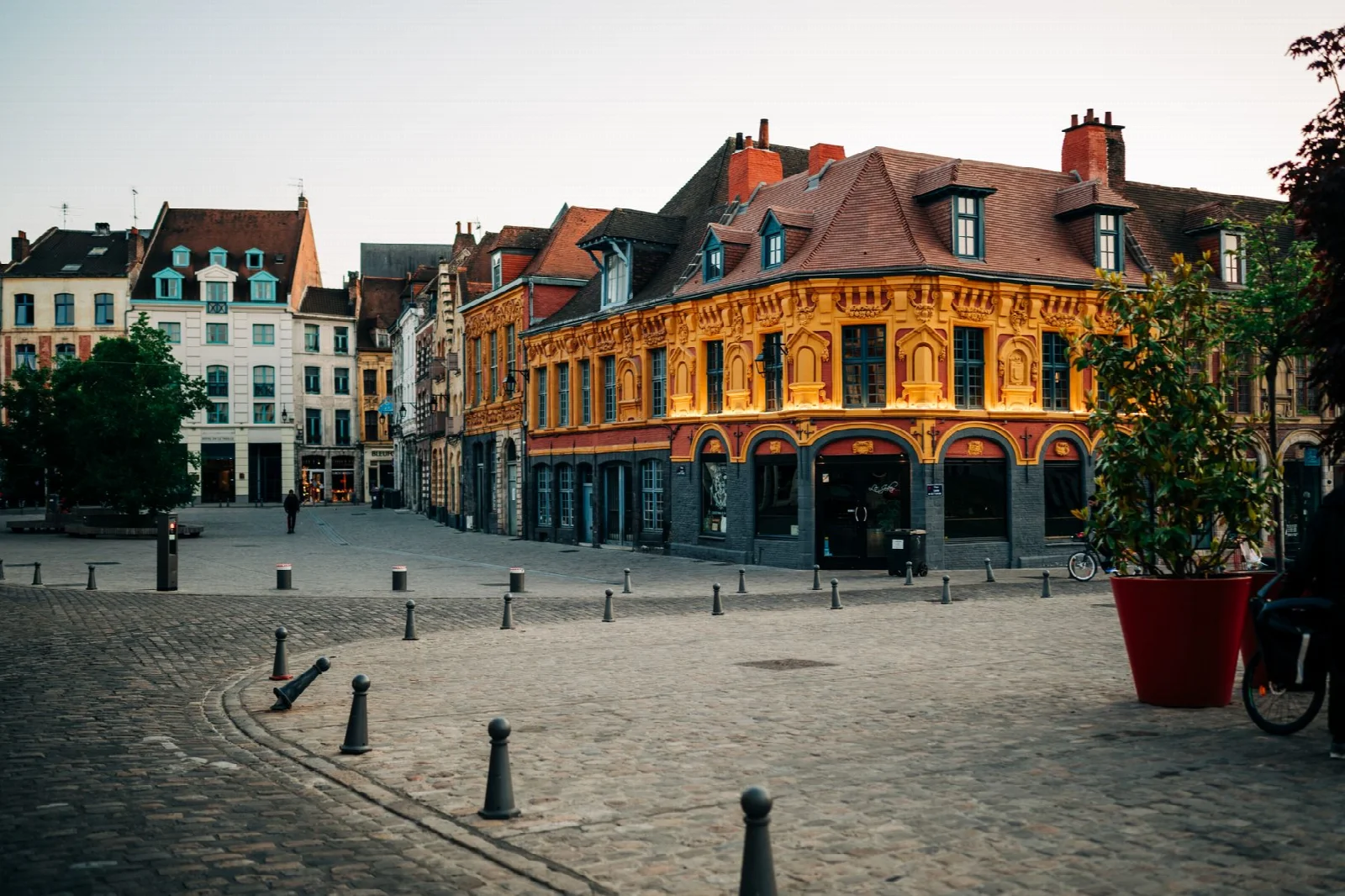
Cobbles and narrow pavements reward comfortable footwear. If you travel with a pushchair or have particular mobility needs, choose shorter sections and check surfaces and entrances in advance. Private courtyards should not be treated as public shortcuts. Leave shop doors clear when stopping at a window and ask before making people the subject of a photograph. These small courtesies help you enjoy a living neighbourhood.
Hospice Comtesse and the Treille area
The Hospice Comtesse Museum can add historical depth to an old-town walk. The former hospital offers a different way to think about the city's past and daily life. If you do not want a long museum visit, look at the current displays beforehand and decide which aspects interest you. Use the institution's official information to confirm exhibitions and access for your dates.
Around Notre-Dame de la Treille, consider both the building and its surrounding public spaces. This can become a resting point between longer stretches of shopping streets. If you plan to enter a place of worship, remember that visiting arrangements and religious services are not interchangeable. Keep the atmosphere quiet and follow the photography guidance and access instructions displayed at the time.
Palais des Beaux-Arts: make room for art
On Place de la République, the Palais des Beaux-Arts offers collections ranging from painting to sculpture. It need not be merely a rainy-day fallback; for an art lover, it can anchor the day. Browse the collection themes before arriving and select a few periods or works that appeal to you. This makes a large museum easier to enjoy without attempting every room at the same speed.
Give it a separate part of the day rather than squeezing it between distant walks. Check bag rules, access and the scope of the ticket for your visit. Permanent collections and temporary exhibitions may have different arrangements. With children, a short, focused selection followed by an outdoor break can be more satisfying than a long compulsory tour through every gallery.
Around the Citadelle: open the route to greenery
Heading towards Quai du Wault and the open areas around the Citadelle changes the mood after a day of architectural details. Plan a slower walk by the water or along park paths. Walking around the Citadelle is different from entering the structure itself. Do not assume unrestricted access inside; check official arrangements if a guided or special visit is part of your plan.
There is no need to turn this section into an endurance walk. A bench, a small snack and time beside the water may be enough. If you have a train later, work out what you will do with luggage and how you will return to the station. A calm morning is much more enjoyable when it does not end in a hurried last-minute dash.
Northern flavours: an estaminet pause
An estaminet is a northern French restaurant serving regional cooking in a traditional setting. The atmosphere around the table can become one of the most memorable parts of a Lille visit. You may encounter dishes such as carbonnade on the menu. Look at ingredients and portion size before ordering; sharing a few tastes and choosing one substantial main course are different ways to structure a meal.
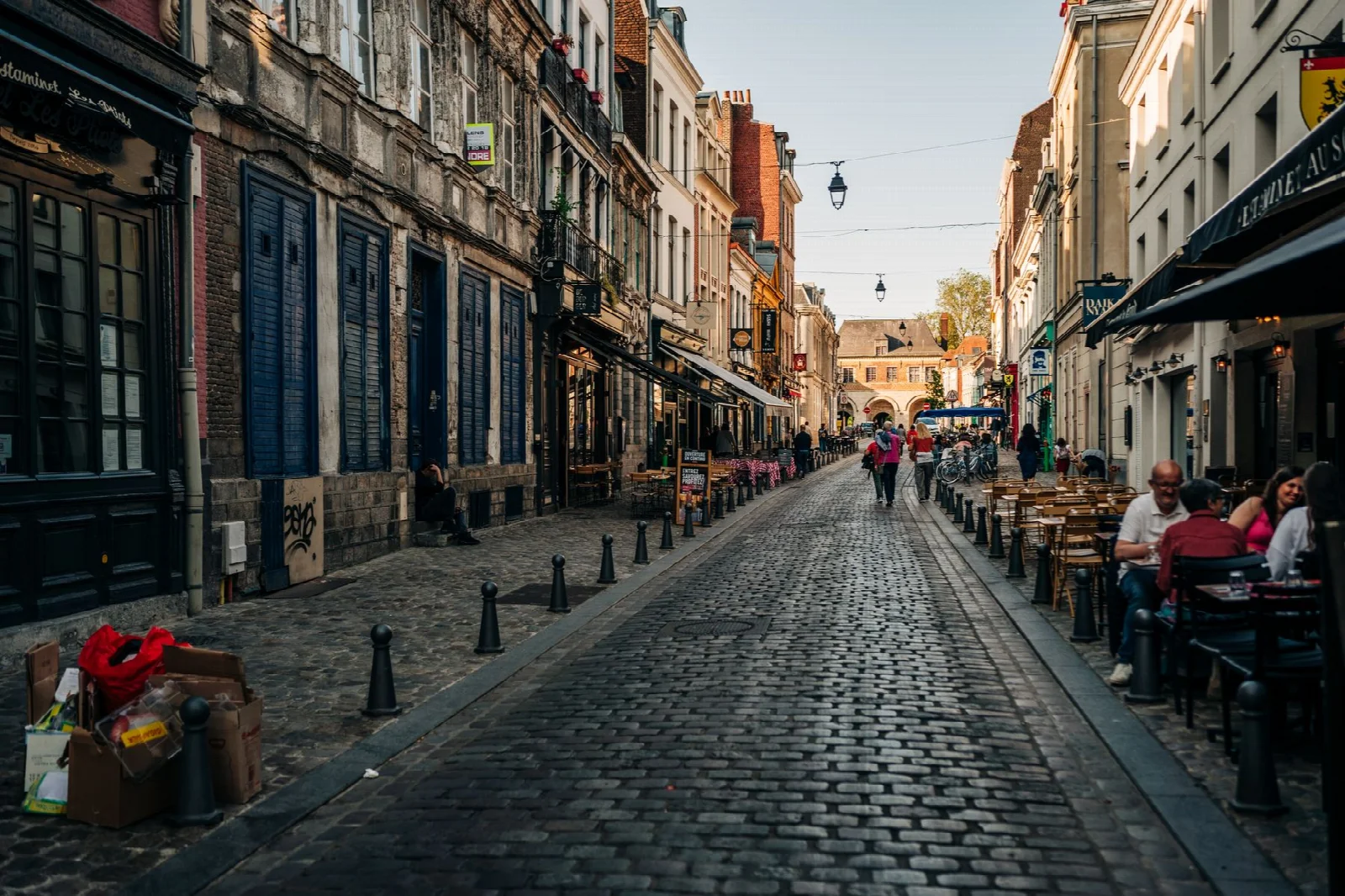
Some recipes include beer or animal ingredients. If you avoid alcohol, meat or particular allergens, ask the kitchen rather than relying on the dish name. Confirm service times when you especially want to eat at a particular place: not every kitchen operates continuously through the afternoon. The street photograph illustrates the setting, not current prices or an endorsement of the quality of any business shown.
Euralille: the contemporary city
As you return towards the stations, Lille's modern architecture presents a different scale and palette of materials. Euralille offers a contrast to the old centre through high-rise facades, broader circulation spaces and railway activity. A short walk observing these details can be worthwhile for anyone interested in cities. The copper-coloured building pictured here is an architectural example, not a hotel recommendation.
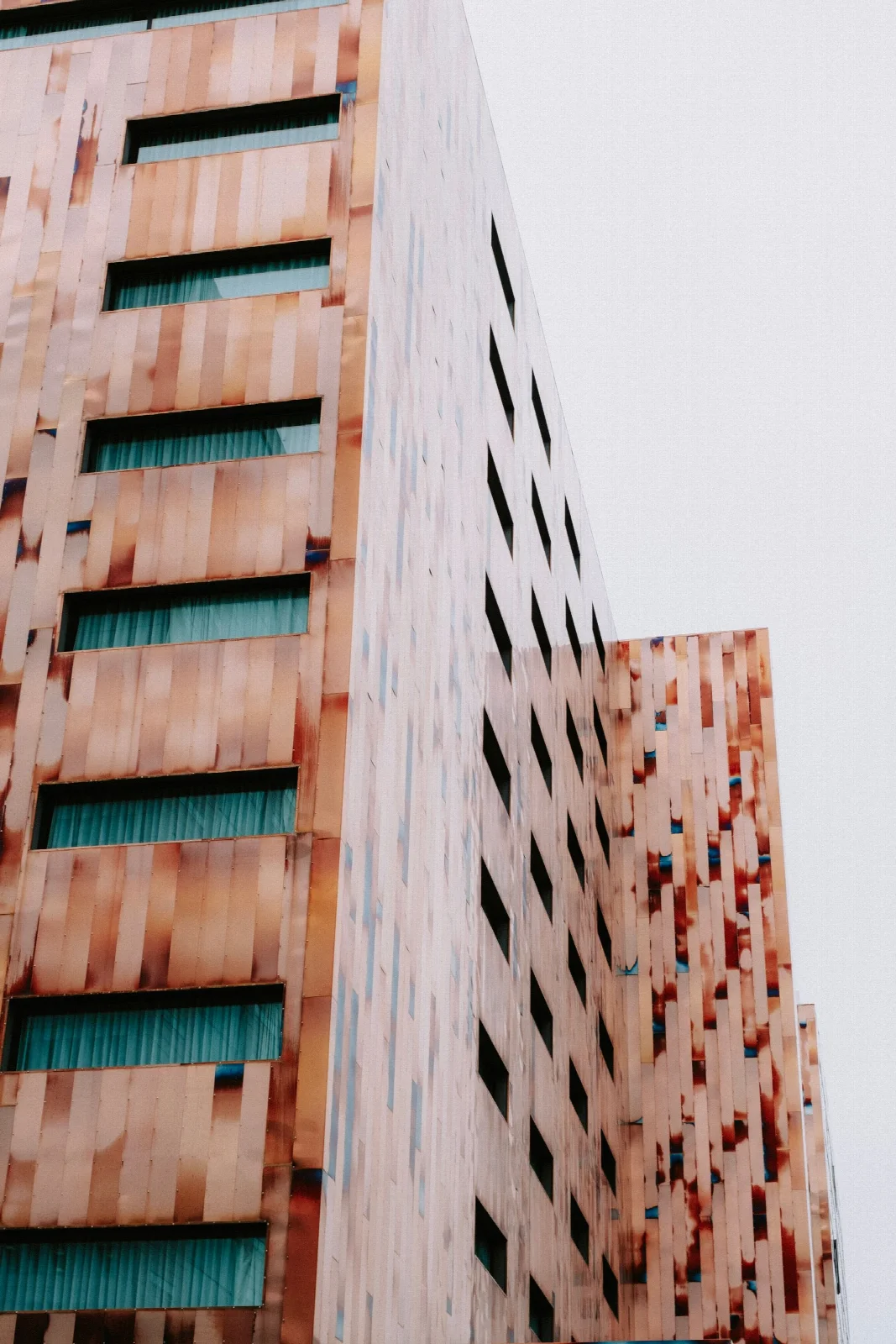
Being in this area ahead of departure can make travel easier, but remain realistic about time spent shopping or stopping for food. Lille-Europe and Lille-Flandres are separate stations, not different platforms in the same building. Read the exact name on your ticket and leave time to reach the correct platform. If you combine separate bookings with a short transfer, consider the effect of delays before committing.
A flexible two-day route
Begin day one at Grand Place, walk around the Vieille Bourse and continue into Vieux-Lille. Choose an estaminet lunch, then spend the afternoon around Hospice Comtesse or the Treille area. Both need not become lengthy indoor visits. Plan dinner at a time that does not require rushing afterwards. If you enjoy evening photography, return to the centre for a brief look at the illuminated facades.
For day two, choose between the Palais des Beaux-Arts and a longer walk towards Quai du Wault and the Citadelle according to your interests and the weather. To include both, set a realistic museum duration and allow for lunch and the journey between them. Observe Euralille on the way back towards your train. This is an adjustable outline; closed days and the location of your accommodation may make another order better.
Accommodation and local transport
Grand Place and Vieux-Lille can suit a first visit built around walking. Travellers with an early train may prefer accommodation nearer the stations. Compare night-time noise, lifts, luggage access and the actual walking route rather than relying only on a central-location label. What feels convenient for one traveller may be inconvenient for another with a different departure time or mobility requirement.
Both main railway stations are in the city centre. For longer local journeys, consult the current Ilévia network and combine metro, tram and bus where useful. Do not assume that a local ticket includes every regional train. If your day mainly involves walking, compare a travel pass with the journeys you will actually make before buying the broadest option.
Lille through the seasons
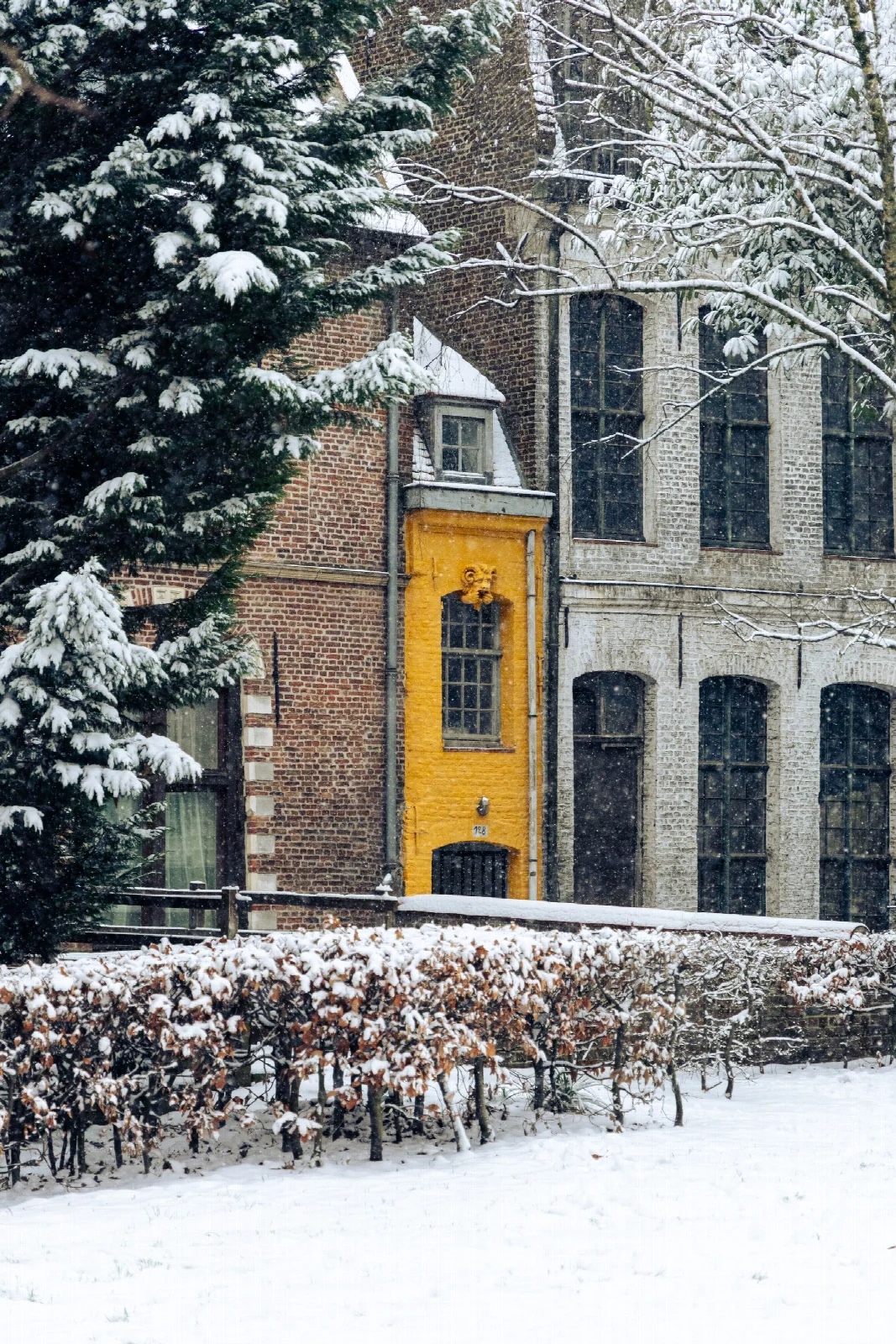
The snow in the photograph records one occasion, not a promise of identical winter conditions. Pack from the forecast for your dates. Layers and a suitable outer garment can help with repeated transitions between outdoor streets, museums and restaurants. On shorter days, place the main architectural walk in daylight and leave the longer meal for later.
For a festival, market or holiday visit, check current dates, accommodation availability and opening arrangements separately. An old event photograph or an earlier travel article is not a current calendar. Keeping gaps between bookings gives you several ways to enjoy Lille if the weather changes. A northern city break can be rewarding without requiring every hour to match the original plan.
Frequently asked questions
Can Lille be a day trip from Paris?
Depending on your train arrangements, yes. Concentrate on a central walk and a meal rather than several museums. Staying overnight can make the visit feel more relaxed if you would prefer not to keep checking the time throughout dinner.
Are Lille-Flandres and Lille-Europe the same station?
No. They are separate stations. Check the full name on each ticket and include luggage, orientation and reaching the platform in your transfer allowance.
Is the old town easy to explore on foot?
Many central stops can be connected by walking, but cobbles and narrow sections deserve consideration. Choose manageable stages and check individual access conditions for a pushchair or mobility aid.
Does every part of the visit need a ticket?
No. Squares, streets and park walks can accompany one carefully chosen museum. Spending on the experience that matters most to you can be more rewarding than purchasing several tickets simply to fill the day.
Sources and current visitor information
Information checked on 1–2 October 2026. Recheck official admission, works and menu arrangements for your travel date.
- en.lilletourism.com — lille in 1 day
- en.lilletourism.com — old lille
- en.lilletourism.com — palace of fine arts
- en.lilletourism.com — estaminets
- en.lilletourism.com — museums and tourist attractions
- en.lilletourism.com — estaminet la vieille france lille en 4432200
- en.lilletourism.com — getting to lille by eco friendly transport
- en.lilletourism.com — our group and private tours
- lilletourism.com — grand place lille
The Tatilmerkezi Stork is our brand's storytelling character. This guide combines official sources and editorial route suggestions; it is not a personal travel diary.