
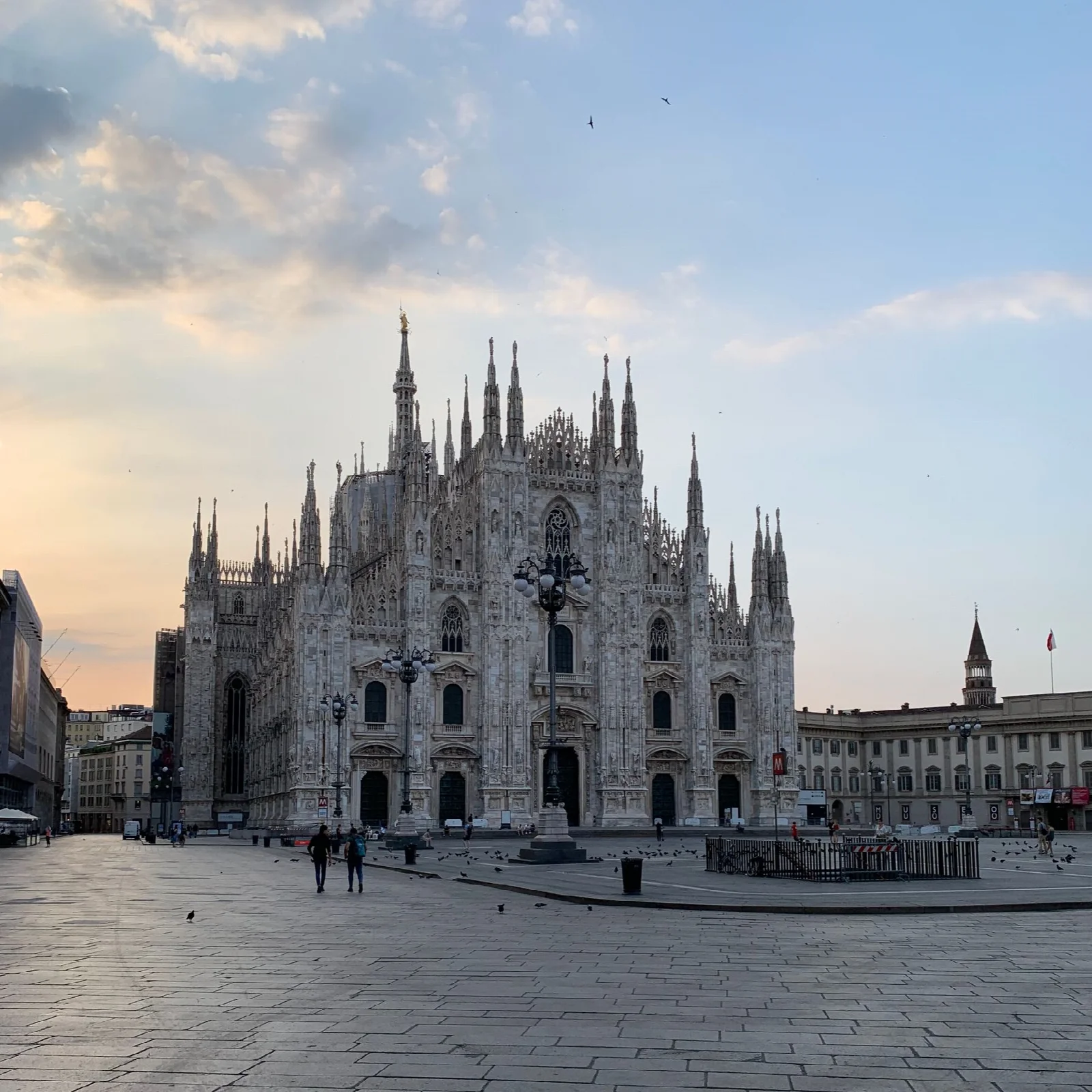
Describing Milan only through shopping leaves much of the city unexplored. The Duomo's stone details, the Galleria's glass roof, the art-filled streets around Brera and the water of Navigli can shape very different days. The Tatilmerkezi Stork suggests a two-day break that gives each side some space: architecture and the centre on one day, art and neighbourhood life on the next. Use this Milan travel guide to find your own priorities rather than collect landmarks at speed.
How to divide two days in Milan
The Duomo, Galleria and Brera form a clear first-day outline. Sforza Castle, its park surroundings and Navigli can shape the second. If you secure a Last Supper reservation, rearrange the order around its time. A third day offers flexibility for an exhibition, design event or longer shopping stop.
In one day, the main square, Galleria and a chosen district are realistic priorities. Adding several museums, terraces and an extended canal evening may be tiring. Treat the itineraries here as adaptable editorial suggestions, not a fixed tour programme. Put the experience you care about most first, rather than hoping to reach it in the final available hour.
Duomo: from the square to the terraces
From a distance, the Duomo's scale dominates; up close, its stonework becomes the subject. Start with the view from the square before deciding how much time to spend inside or on the terraces. Official products distinguish terrace-only access from options combining the cathedral and other areas. Read the contents rather than automatically choosing the most extensive product.
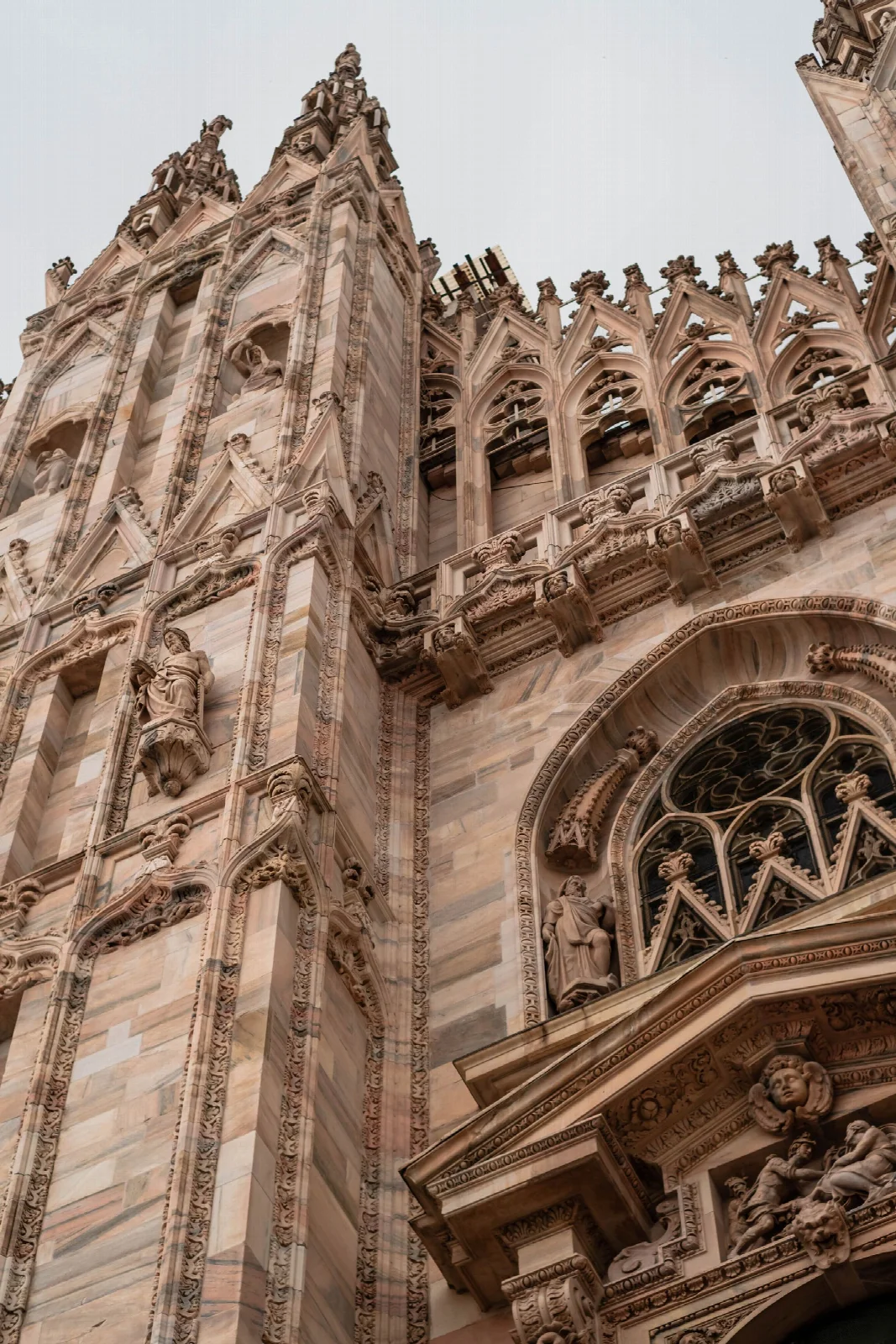
Lift access does not make the entire terrace route step-free. The official description explains that the first level is reached by lift or stairs, while steep stairs lead to the upper central terrace. For a mobility requirement, consult the specific current accessibility guidance. Weather and operational instructions can also affect the visit. Enjoying the exterior from the square remains a valuable experience in its own right.
Galleria: look at the architecture first
Galleria Vittorio Emanuele II gives a central walk another architectural setting. Look up at the glass dome and the meeting of the covered passages, then notice their relationship with the floor below. A shopping list is unnecessary: simply observing the building can make a short connection between squares into a memorable pause.
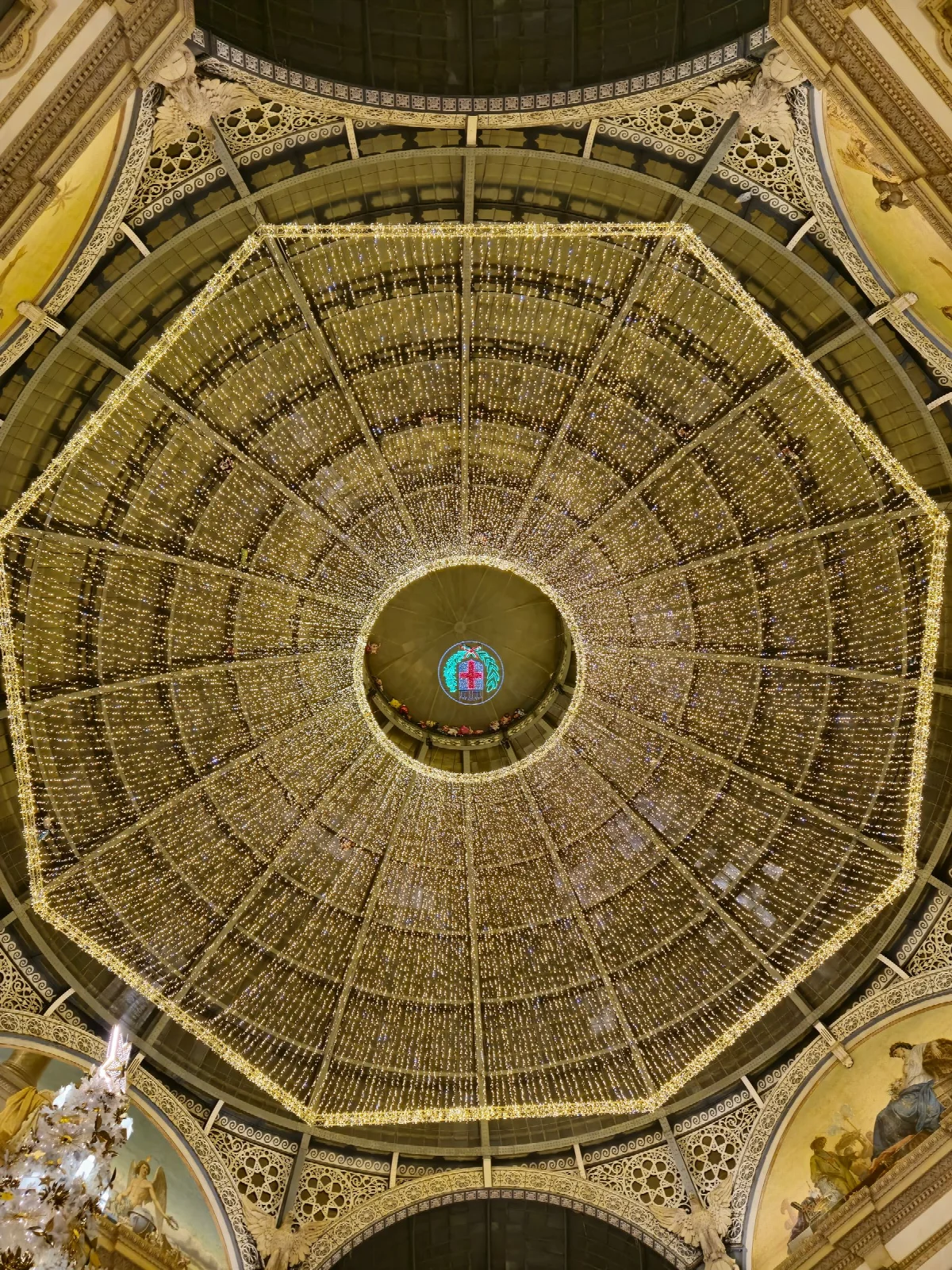
For photographs, find a position that does not obstruct the middle of the passage. Seasonal decorations in a picture may not be present during your visit. If you stop at a cafe, read the menu and seated-service conditions first. Afterwards, continue towards the La Scala area and Brera according to the time available.
Brera: a neighbourhood around art
Brera is a strong choice for combining a collection with time in surrounding streets. Around Palazzo Brera, avoid making every corner another compulsory stop. A bookshop window, courtyard or relaxed lunch can belong in the day as naturally as a museum. If you plan to enter the Pinacoteca di Brera, allocate time for the collection rather than treating it as a brief doorway stop.
Adding Brera to the Duomo and Galleria creates an understandable central route. After a lengthy cathedral visit, however, another major collection may fit better the following day. Narrowing your artistic interest to a period, subject or particular work can help you decide where to direct your attention inside a museum.
The Last Supper: the appointment that shapes the day
Museo del Cenacolo Vinciano states that reservations are required for everyone, including visitors eligible for free admission and infants. The visit lasts 15 minutes, and visitors are asked to arrive at least 30 minutes in advance for ticket procedures. Do not translate that short viewing time into a total door-to-door commitment of only 15 minutes.
Until a place is confirmed, treat the visit as a possibility rather than a secured part of the itinerary. Leave a comfortable gap before any subsequent appointment. If you cannot obtain a reservation, consider a collection in Brera or the castle instead of writing off the whole day. Milan's art experiences extend beyond a single work.
Sforza Castle and a park break
Castello Sforzesco's brick walls and towers offer a different visual character from the marble of the Duomo area. The official city guide distinguishes free access to the courtyards from admission to the museum collections. A walk around the exterior and a substantial museum visit require different amounts of time.
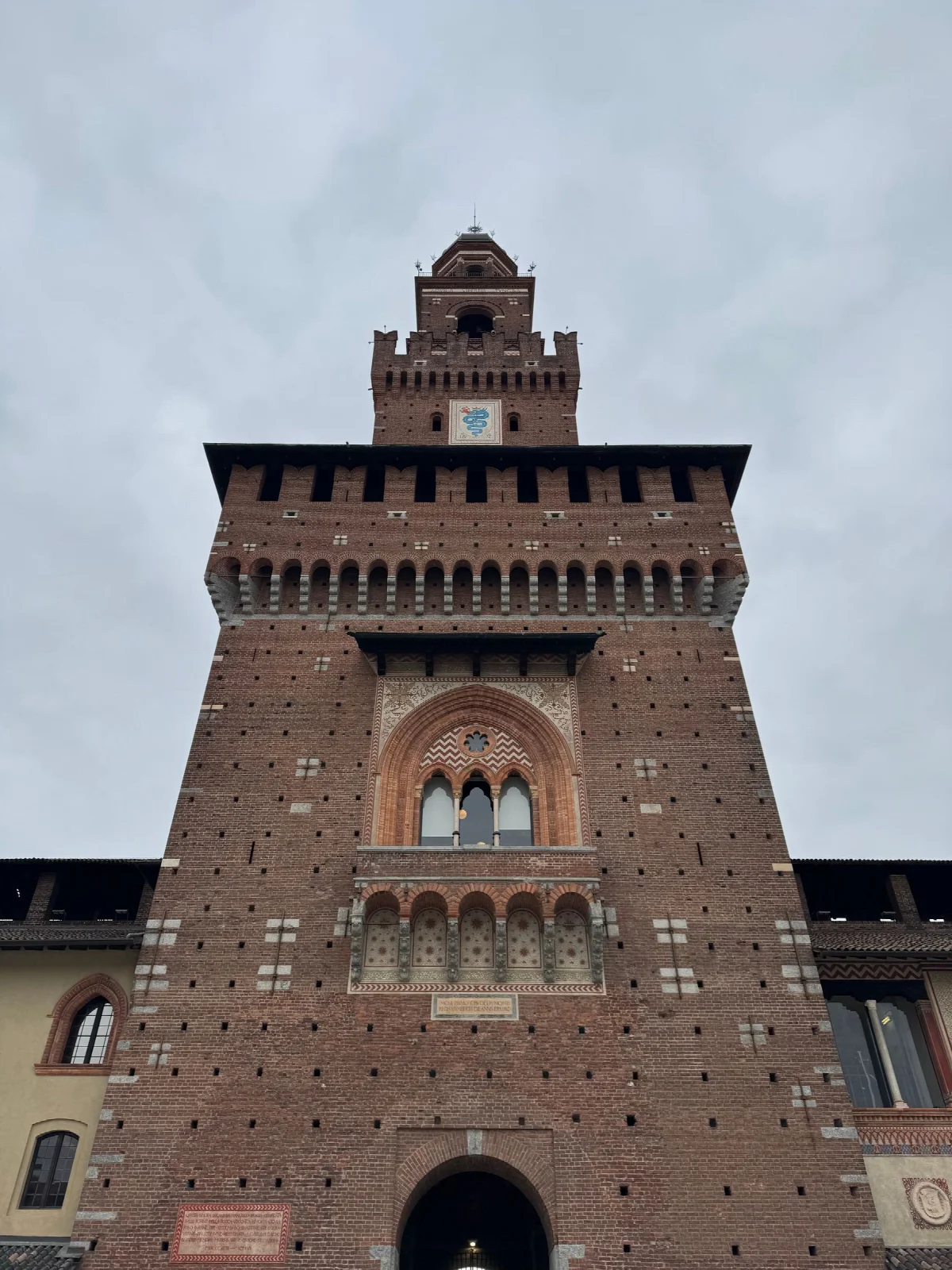
Connect the castle area with a pause towards Parco Sempione to give the second day a gentler rhythm. This can be especially useful with children or after a concentrated gallery visit. In wet weather, shorten the park section and allow longer indoors. If a specific collection is essential to your plans, check that section's availability for the date rather than relying only on general castle information.
Navigli: leave the evening for the canals
The buildings and paths along Navigli create another scene after the central monuments. An evening visit can work well, but daylight also suits walking and photography. Take time to notice the light on the water, the bridges and the opposite bank, rather than searching immediately for a single famous viewpoint.
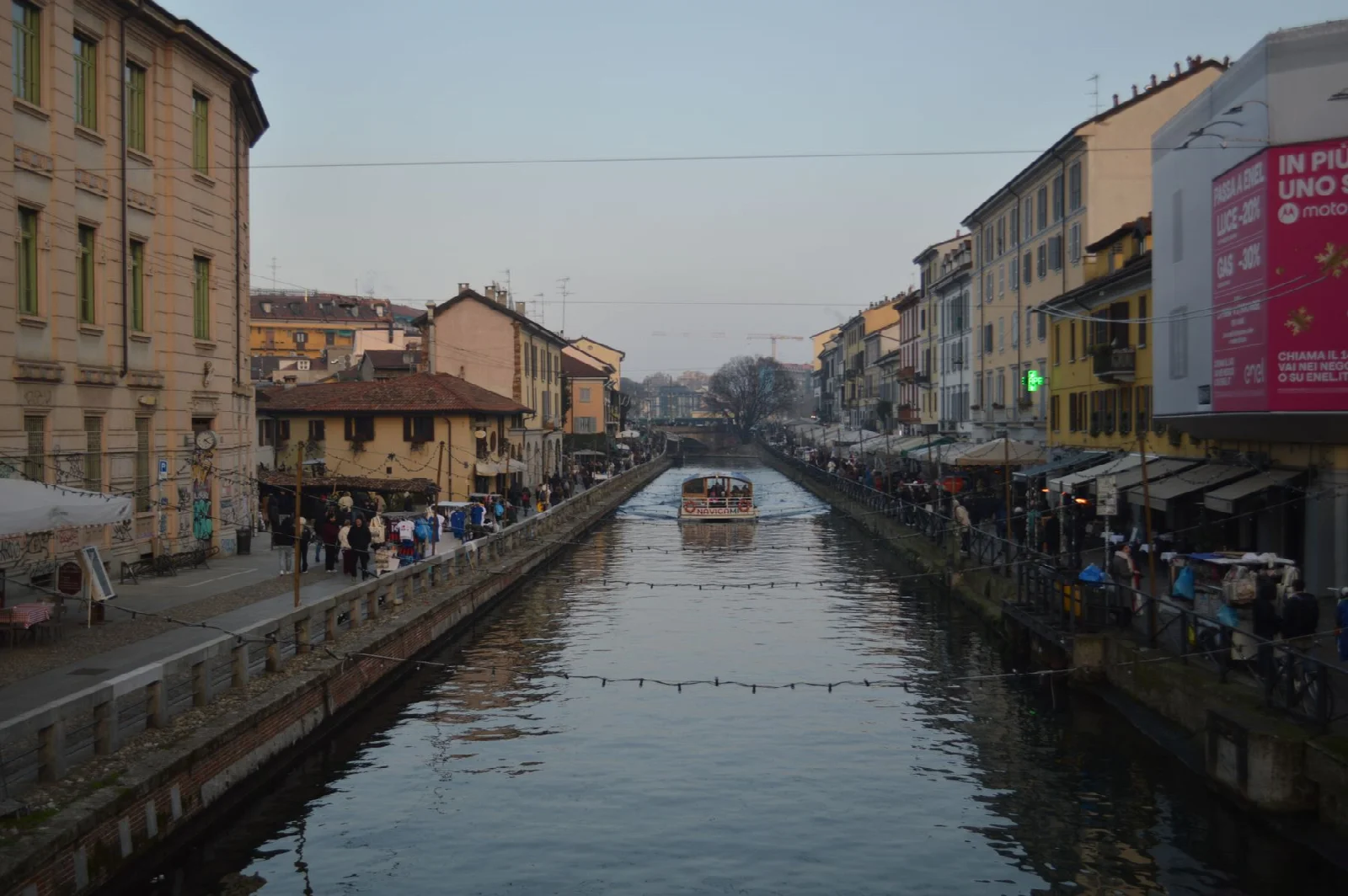
If you want a meal or aperitivo, do not assume every venue offers the same portions, inclusions or buffet arrangement. Read what comes with the order. Crowds and noise vary, so anyone considering accommodation here should also check the room's street exposure and return transport. This is a district suggestion, not an endorsement of an individual business.
Match the airport to the actual journey
One of the first details to check on a Milan booking is the airport name. Linate, Malpensa and Bergamo are different arrival points. ATM's M4 reaches Linate; that should not be expanded into a claim that every Milan airport has the same metro connection. Match your accommodation address to the actual airport and consult the current route for that journey.
Read the zone coverage of city tickets as well. ATM's Mi1–Mi3 products and some journeys into outer areas have different coverage requirements. Before choosing a longer-validity product, count the rides you expect and consider how much of the central visit will be on foot. On departure day, include time to collect luggage: a station-to-station journey estimate is not the whole trip.
Choosing an area to stay
The Duomo area suits a central walking focus, Brera can appeal for art and neighbourhood evenings, and Centrale may help with rail arrivals and departures. For Navigli, look especially at noise and the route home. These are area comparisons; individual accommodation still needs its own assessment.
Consider cancellation conditions, the real walk from the station, floor and lift arrangements alongside the room price. Events and busy travel periods can change costs within the same district. Compare the total trip with transport and time included rather than expecting a permanently inexpensive neighbourhood. A location that simplifies the itinerary can be worth more than avoiding a small difference in room rate.
Putting the two-day plan into practice
Begin the first morning in Piazza del Duomo, followed by your chosen interior or terrace visit. Walk through the Galleria towards La Scala, then pause for lunch and neighbourhood exploration in Brera. If entering a collection, give it the afternoon; otherwise, keep the rest of the central walk flexible.
On the second day, use a confirmed Last Supper reservation as the fixed point. Without one, begin around the castle and choose a museum section that interests you. After a park break, plan the transfer to Navigli. Avoid making a relaxed canal evening compete with a last-minute airport departure. For one day, select the Duomo, Galleria and either Brera or Navigli instead of compressing both full itineraries.
Meals, photographs and rainy-day choices
Give at least one meal enough time to read the menu and ask about the cooking rather than reducing all food to a hurried snack. Clarify portions and service conditions and state dietary requirements openly. Match meals to the district you are exploring rather than crossing the city again for every break.
Rain can shift some attention from open spaces to the Galleria and selected collections. Covered does not automatically mean free or available without a reservation. For photography, try stone details at the Duomo, an upward architectural composition in the Galleria and a clear bank line at Navigli. Waiting without blocking pedestrians can often improve a photograph more than chasing another location.
Frequently asked questions
Is Milan only a shopping destination?
No. Architecture, collections, parks and canal-side walks can fill a varied two-day visit. Add shopping according to your own interests.
Can you see the Last Supper without a reservation?
The official institution requires a reservation for every visitor. Do not treat the visit as confirmed until you have secured one.
Does the Duomo terrace lift remove all stairs?
No. Access to the first level by lift does not make every upper section step-free. Check the official accessibility information for the specific route you need.
Sources and current visitor information
Information checked on 1–2 October 2026. Recheck official admission, works and menu arrangements for your travel date.
- cenacolovinciano.org — info
- pinacotecabrera.org — what to experience at the museum
- atm.it — tickets_milan.aspx
- atm.it — M4passengerserviceinformation2.aspx
- duomomilano.it — access updates for the milan duomo monumental complex
- duomomilano.it — the terraces
- duomomilano.it — accessibility
- yesmilano.it — central milano
- yesmilano.it — three days milano
- yesmilano.it — castello sforzesco
- yesmilano.it — galleria e quadrilatero
The Tatilmerkezi Stork is our brand's storytelling character. This guide combines official sources and editorial route suggestions; it is not a personal travel diary.