

A plate of pasta can give a Roman day its direction. The Tatilmerkezi Stork invites you to explore the difference between carbonara and gricia, leave an evening for Trastevere and make room for a Testaccio lunch. Approach one flavour with curiosity each day rather than trying to collect every dish at once. This guide helps you read menus, choose meals and organise a realistic food budget.
Four Roman pastas: what makes them different?
Carbonara, cacio e pepe, amatriciana and gricia combine related ingredients in different ways. Rome's official tourism website discusses these four among the city's traditional dishes. The table shows basic recipe differences; ask about the specific preparation at the business where you order. Turismo Roma: traditional recipes.

| Dish | Basic flavour difference | Before ordering |
|---|---|---|
| Carbonara | Guanciale, pecorino, egg and black pepper. | Guanciale is pork jowl; the dish also contains egg and cheese. |
| Cacio e pepe | Pecorino cheese and black pepper. | Ask about the cheese and the ingredients in the pasta. |
| Amatriciana | Tomato, guanciale, pecorino and black pepper. | A tomato-based dish is not necessarily meat-free. |
| Gricia | Guanciale, pecorino and black pepper. | Contains meat and cheese; it is not the same recipe as carbonara. |
Carbonara: is cream part of the traditional recipe?
Turismo Roma's traditional carbonara recipe does not include cream. The texture produced with egg, cheese and the heat of the pasta is part of understanding this version. Businesses may offer their own interpretations, so do not assume a complete ingredient list from the dish's name alone. The official source also discusses different origin theories rather than presenting a single certain story. Traditional carbonara.
Cacio e pepe: few ingredients, a distinct flavour
Cheese and black pepper are central to this pasta. Turismo Roma describes mixing cheese with pasta cooking water to form the sauce as an important part of its preparation. On a first visit, you might choose one pasta at a meal and compare a different version at another, rather than ordering all the similar dishes at once. Cacio e pepe recipe.
What could you try before the pasta?
Fried courgette flowers and cod fillets appear in Turismo Roma's traditional lunch suggestions. The source describes the courgette flowers as filled with mozzarella and anchovies. It is a useful reminder that a dish named after a vegetable may also contain fish or dairy. A traditional Roman lunch.
Think about starters alongside your main dish. If you plan a substantial pasta meal, look into a starter to share or a lighter choice. Ask about portion sizes and sharing if your group wants to sample different flavours. This guide does not claim that specific restaurants were personally visited or their food tasted on site.
Reading the sections of an Italian menu
Antipasti are starters, primi are first courses, secondi are second or main courses, contorni are side dishes and dolci are desserts. You do not need to order from every section simply because it appears on the menu. Choose according to your appetite and plans. Include drinks, water and any additional service items when estimating the total.
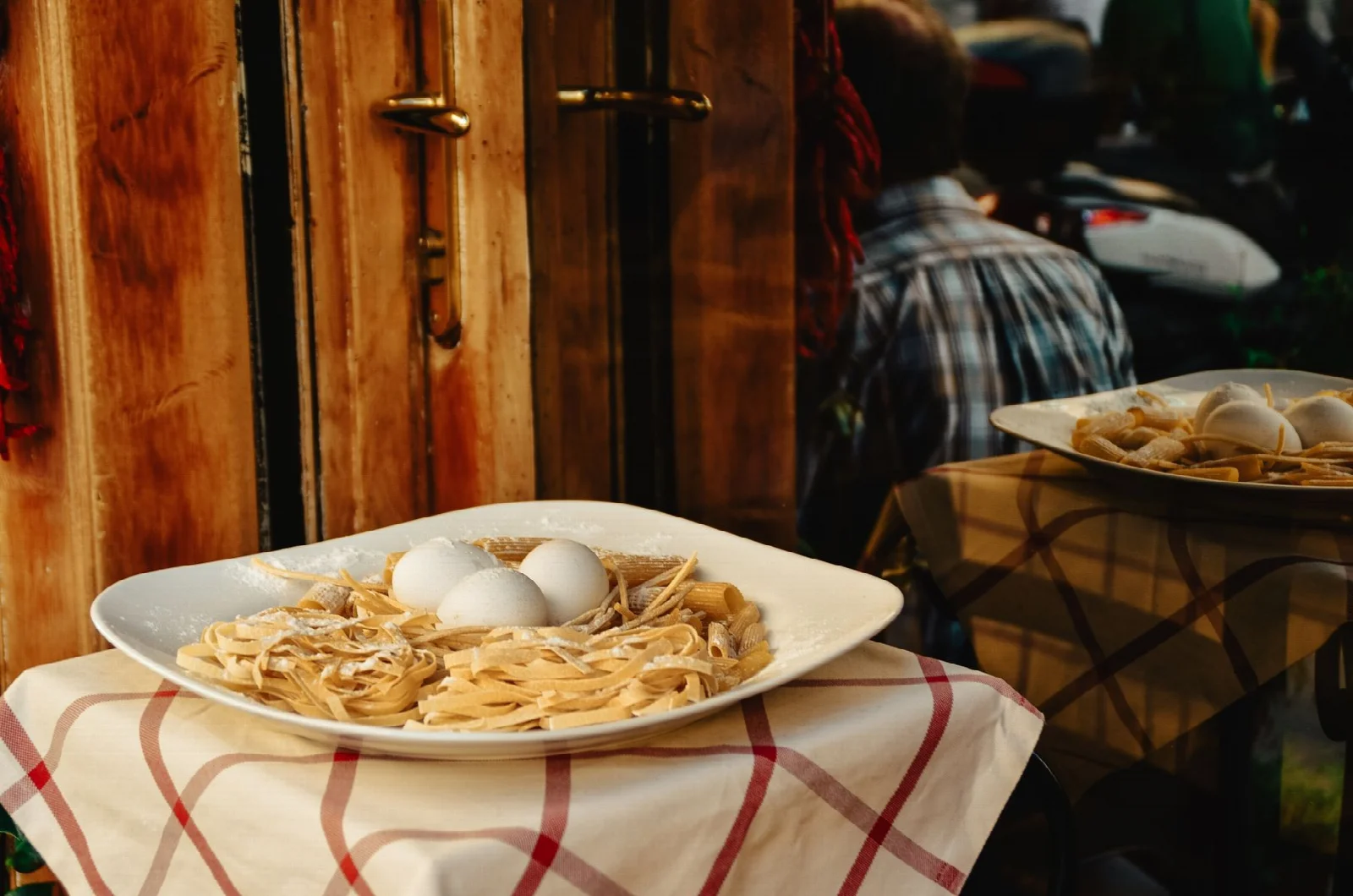
A checklist for choosing a restaurant
- Check the current menu and prices through the business's own channels.
- Compare the location with that day's sightseeing route, rather than adding a long journey for a meal.
- Ask whether a reservation is needed and when the kitchen serves food.
- Discuss ingredients explicitly instead of judging dietary suitability from the name.
- Clarify any service or other additional charges before ordering.
How to spread meals across three days
Try a traditional pasta as your main meal on day one and keep the evening flexible. On day two, compare another pasta or choose a starter and a main course. Leave room on day three to return to a flavour you enjoyed. This is a suggested approach: adapt it to visit bookings and your own preferences. Before a long museum or walking day, identify a few meal options along your route so that food planning does not become a last-minute task.
How to estimate your food budget
Build your own estimate instead of relying on a fixed daily figure. List breakfast, lunch, dinner, water and refreshment breaks separately, and collect menu prices relevant to your dates. Consider how many meals you want, how many will be seated restaurant visits and the size of your group. An old label such as “cheap” cannot replace that calculation. Do not treat prices from the recovered archive as current.
Combine a Trastevere dinner with a walk
Before looking for dinner in Trastevere, decide what kind of evening you want: a simple plate followed by a walk, or a longer meal? Italy's official tourism guide includes the district in its Roman food routes. Divide your exploration around dinner: a short walk first, the meal itself, then a gentle return. A queue outside a restaurant does not by itself establish that the menu suits your taste.
Give yourself a few minutes to read the menu before choosing. If the dishes and budget fit, ask about a table; otherwise, continue your search without feeling that you must accept the first suggestion. Set two priorities so you do not make every decision in a hurry after sitting down. If gricia is the dish you want to try, choose a modest starter and decide about dessert later. Save your return route before the meal.
Give Testaccio its own lunch outing
Testaccio offers a different setting for a food-focused Roman visit. Use Piazza Testaccio as an orientation point and explore nearby streets at your own pace. Avoid treating the neighbourhood as an extra stop that must follow every central monument. If you have come for lunch, allow enough time to sit, read the menu and take a short walk afterwards.
If a market or stall is part of your plan, check its current operating hours. A square's history as a market does not establish that the same stalls operate there today or throughout the day. Put your Trastevere evening and Testaccio lunch on separate days if you want to compare areas through food. The surroundings and rhythm of the streets then become part of the experience as well as the dishes.
What can you add beyond pasta?
Roman food extends beyond the four celebrated pasta dishes. Official food information also describes different artichoke preparations and traditional dishes such as coda alla vaccinara. The names romana and giudia refer to different ways of preparing artichokes; ask which version is available. Coda alla vaccinara is an oxtail dish. Understanding an unfamiliar name makes choosing much easier.
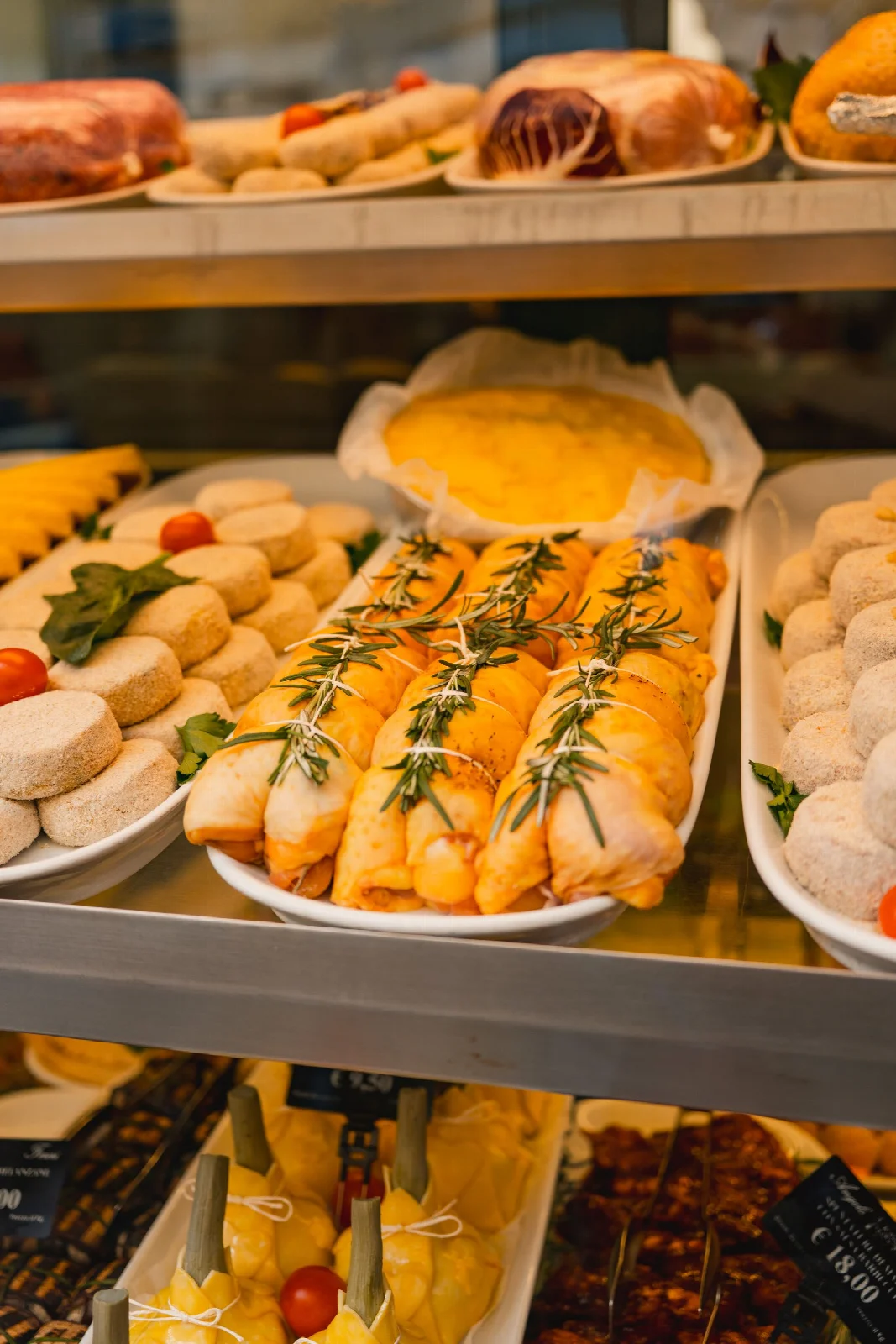
The deli photograph supports the idea of exploring food shops; it does not establish every ingredient in the display or present-day availability. Consider storage, transport and when you will eat before buying something to carry. If a long museum day lies ahead, do not choose a perishable item purely for its appearance and then keep it in a bag all afternoon. Buying an amount you can enjoy promptly reduces both weight and waste.
Make room for a coffee break
A coffee break can be more than five spare minutes between monuments. Use it to review the morning route, rest after lunch or meet before an evening walk. Decide what you need at that moment: a quick drink or somewhere to sit and talk. Read the menu for prices and service choices instead of assuming that all ordering and seating arrangements are identical.
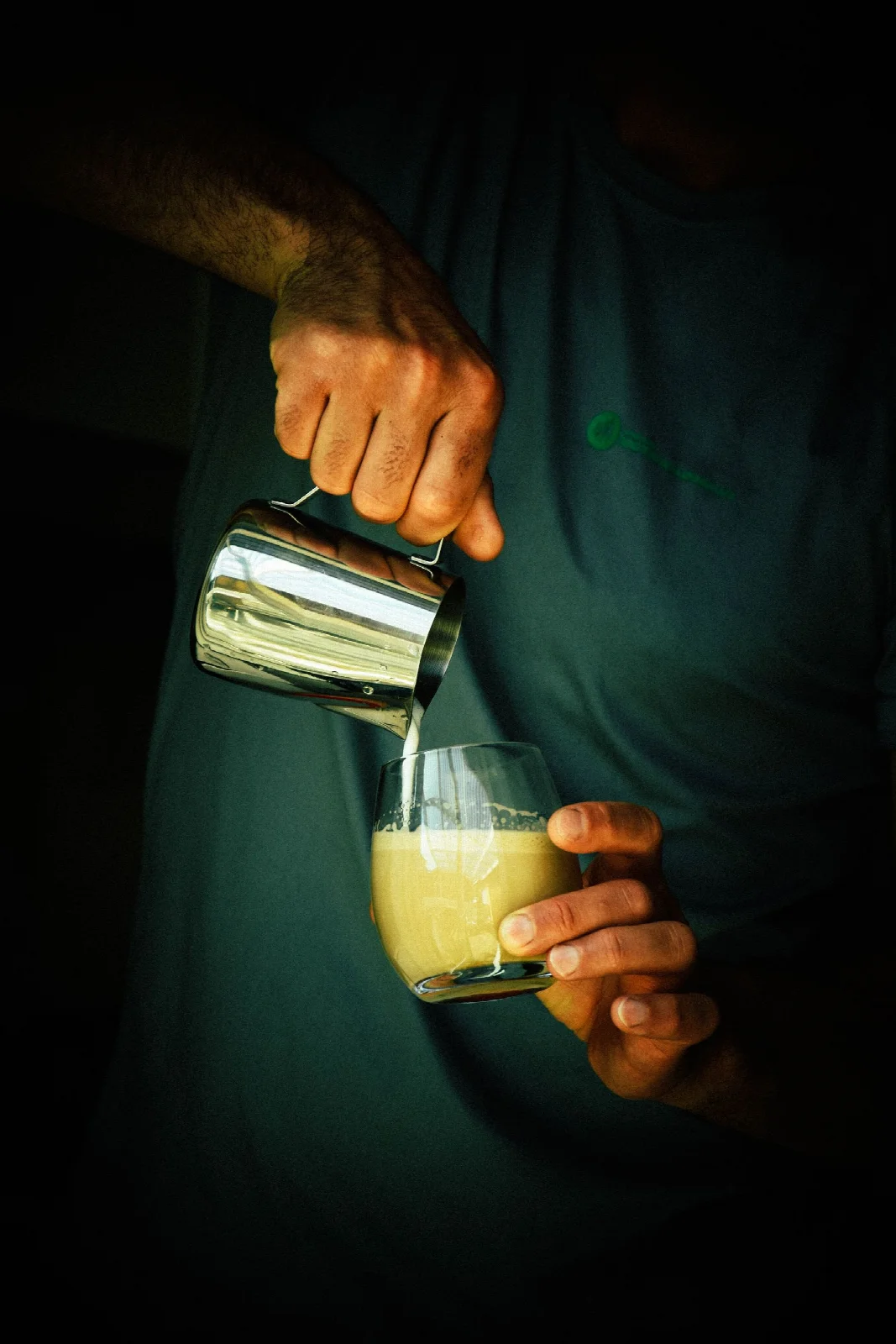
The Stork suggests looking near your current route rather than crossing the city for every drink. Settle at a table, check the time of your next reservation and decide how much sightseeing still feels comfortable. The coffee preparation photograph illustrates the atmosphere of a break; it is not a recommendation for a particular Roman establishment. A thoughtful pause may be more rewarding than a third museum squeezed into the day.
A simple way to compare flavours
Keep brief food notes across the trip: the dish, the flavour you noticed most and whether you would order it again. Use a meal to understand your own preferences rather than judge the whole city's cooking. If pepper and cheese appeal to you, explore that combination again; if you want a change, choose a tomato-based dish at another meal. Different preferences within your group make useful conversation.
Take appetite seriously without trying to fit all your curiosity into one sitting. After a substantial lunch, a simpler evening meal is a reasonable choice. This guide is a starting point for getting to know Rome through its tables, not an eating challenge. Knowing which flavour you would like to revisit can be a more satisfying result than completing a long list.
Frequently asked questions
What if I do not eat pork?
The traditional carbonara, amatriciana and gricia recipes described here contain guanciale. Cacio e pepe is described through cheese and black pepper, but ask the business directly about all ingredients and preparation conditions. This guide does not certify a dish or venue for any dietary requirement.
Which restaurant is definitely the best in Rome?
Without current checks and an on-site review, it is more useful to build a shortlist around your preferred dishes, locations and current menus. Verified writer experiences can be added separately in future.
Sources and current visitor information
Information checked on 1–2 October 2026. Recheck official admission, works and menu arrangements for your travel date.
- turismoroma.it — piazza testaccio
- italia.it — traditional roman food districts of rome
- turismoroma.it — 1042013 spaghetti cacio e pepe
- turismoroma.it — rome eat traditional recipes
- turismoroma.it — seven traditional dishes real roman lunch
- turismoroma.it — tradititional carbonara
The Tatilmerkezi Stork is our brand's storytelling character. This guide combines official sources and editorial route suggestions; it is not a personal travel diary.