
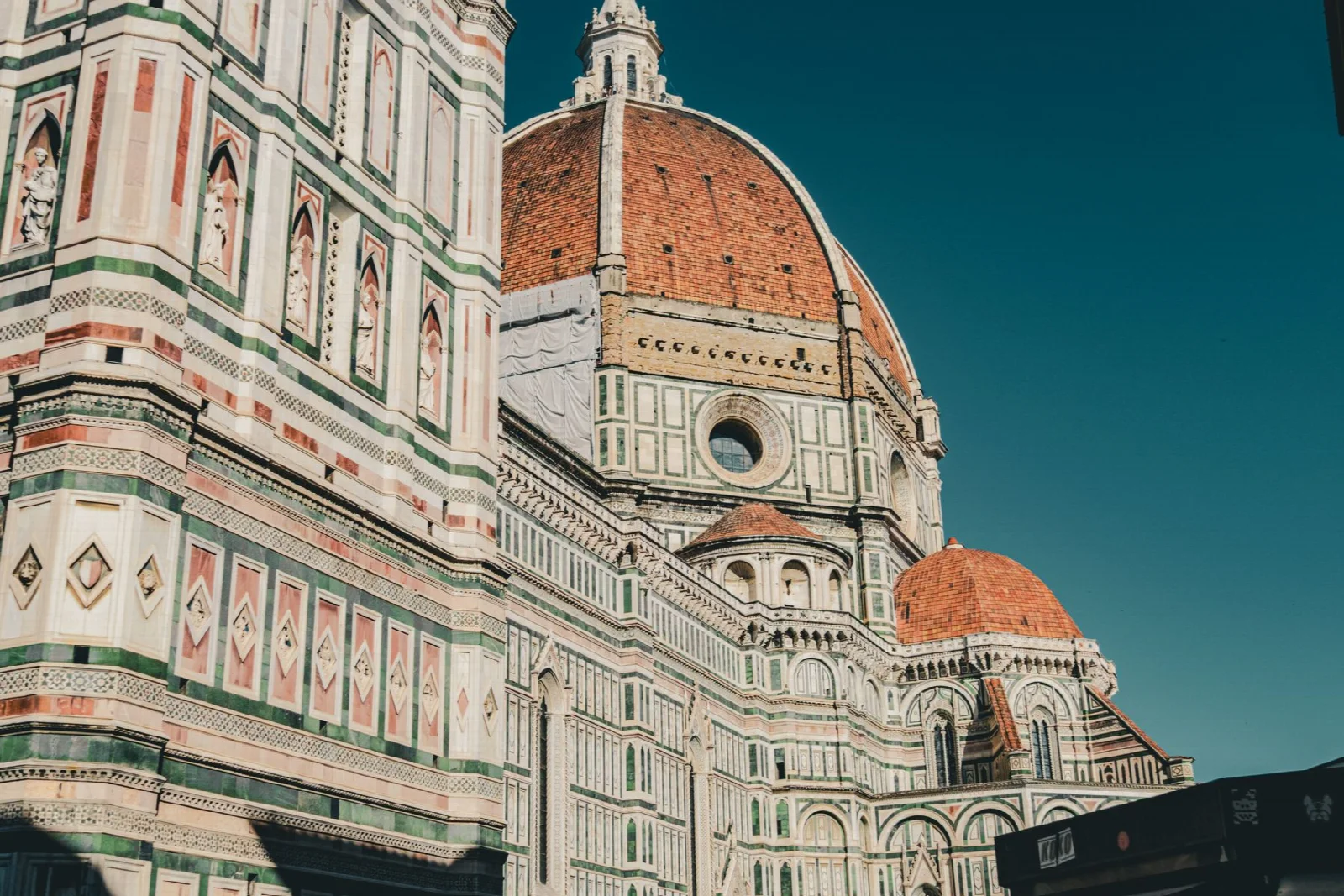
Florence can seem to pull every first-time visitor towards its dome. Then a bridge, a stone courtyard or a narrow opening towards the river suggests another direction. The Tatilmerkezi Stork recommends leaving room for those changes of pace. Get to know the Duomo area, give the Uffizi the attention it deserves and slow down when you cross the Arno. This Florence travel guide brings those experiences together without turning every day into an uninterrupted museum schedule.
How many days should you spend in Florence?
Two full days make a useful starting point for the main central sights and one major collection. With a third day, choose between another museum, a longer Oltrarno walk or an excursion into Tuscany. A single day can still offer a memorable introduction, but it is a tight fit for the Uffizi, a dome climb and the Pitti area together. These are suggested itineraries, not official estimates of ticketed visit durations.
Begin with the experience that matters most to you. Renaissance painting might make the Uffizi your anchor; architecture and a climb might put a Duomo reservation first. Fit the other stops around that appointment. Leaving an unallocated hour is useful when a room, a square or a lunch deserves more time than expected.
Duomo: separate cathedral admission from the dome
Santa Maria del Fiore's patterned marble exterior and Brunelleschi's dome offer two striking views of Florence's architectural identity. According to the official visitor information, admission to the cathedral itself is free without a reservation. The dome, bell tower and other monumental areas follow the arrangements of the relevant ticket product. Entering the cathedral and climbing the dome are different visits.
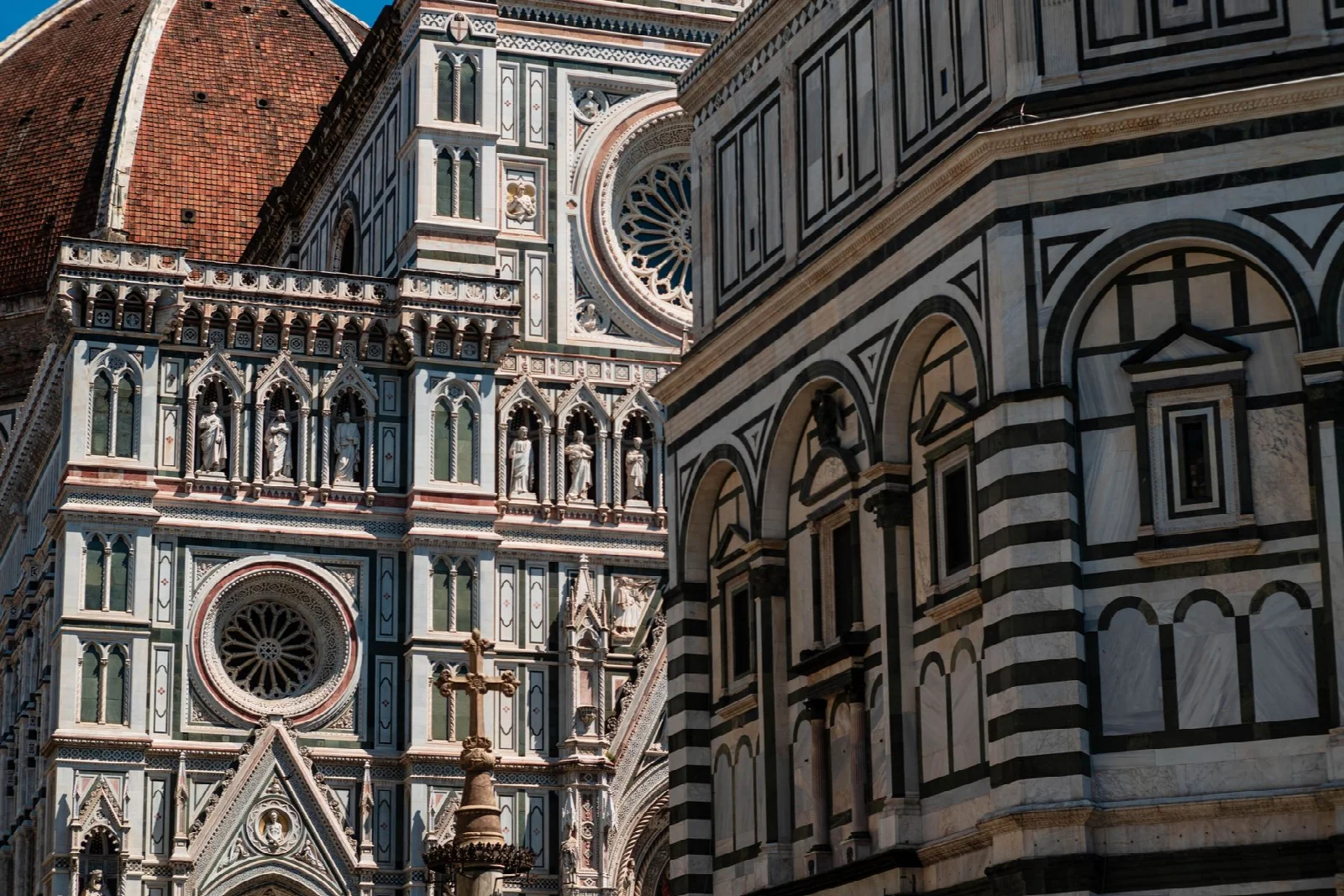
For the dome, read the named reservation and time-slot requirements before purchasing. Check which areas your product covers and which monument its scheduled admission applies to. Resolve questions about bags, stairs and mobility before arriving. Enjoying the architecture from the square remains a worthwhile experience in its own right; a successful visit does not depend on everyone completing the same climb.
Uffizi: choose a route through the collection
The Uffizi rewards attention more than speed. Choose a small theme before entering: early Renaissance painting, Botticelli, changing representations of the human face or another personal interest. Spending time with a few works can leave a stronger impression than walking continuously through every gallery. Keep space in the plan for an unexpected favourite as well.
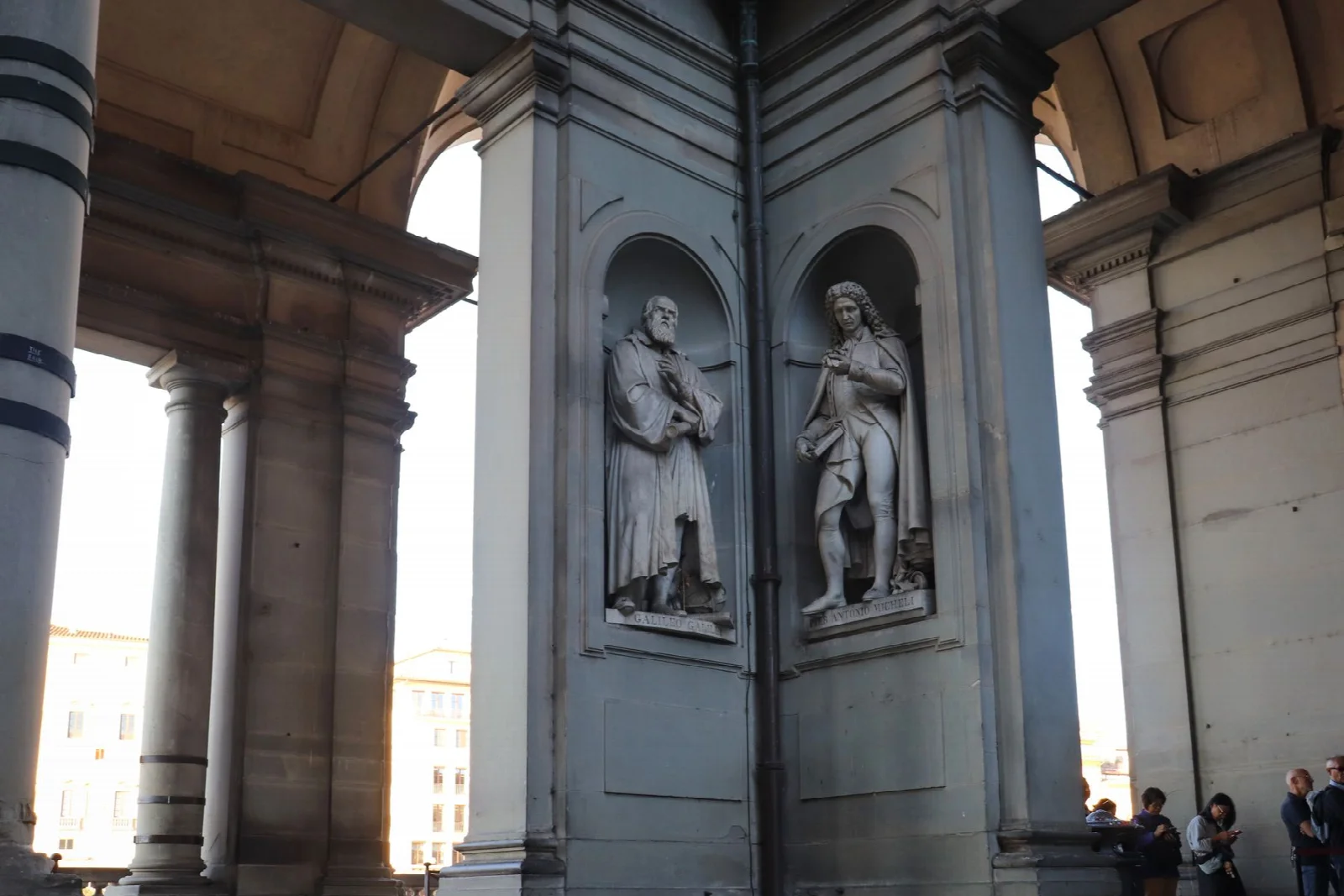
The official ticket page distinguishes Uffizi admission from combination products and visits including the Vasari Corridor. Similar names do not guarantee identical coverage. Check the museum's current calendar when choosing your day, including special openings. After the collection, a riverfront break can be a better next step than immediately beginning another major museum.
Piazza della Signoria: read the square
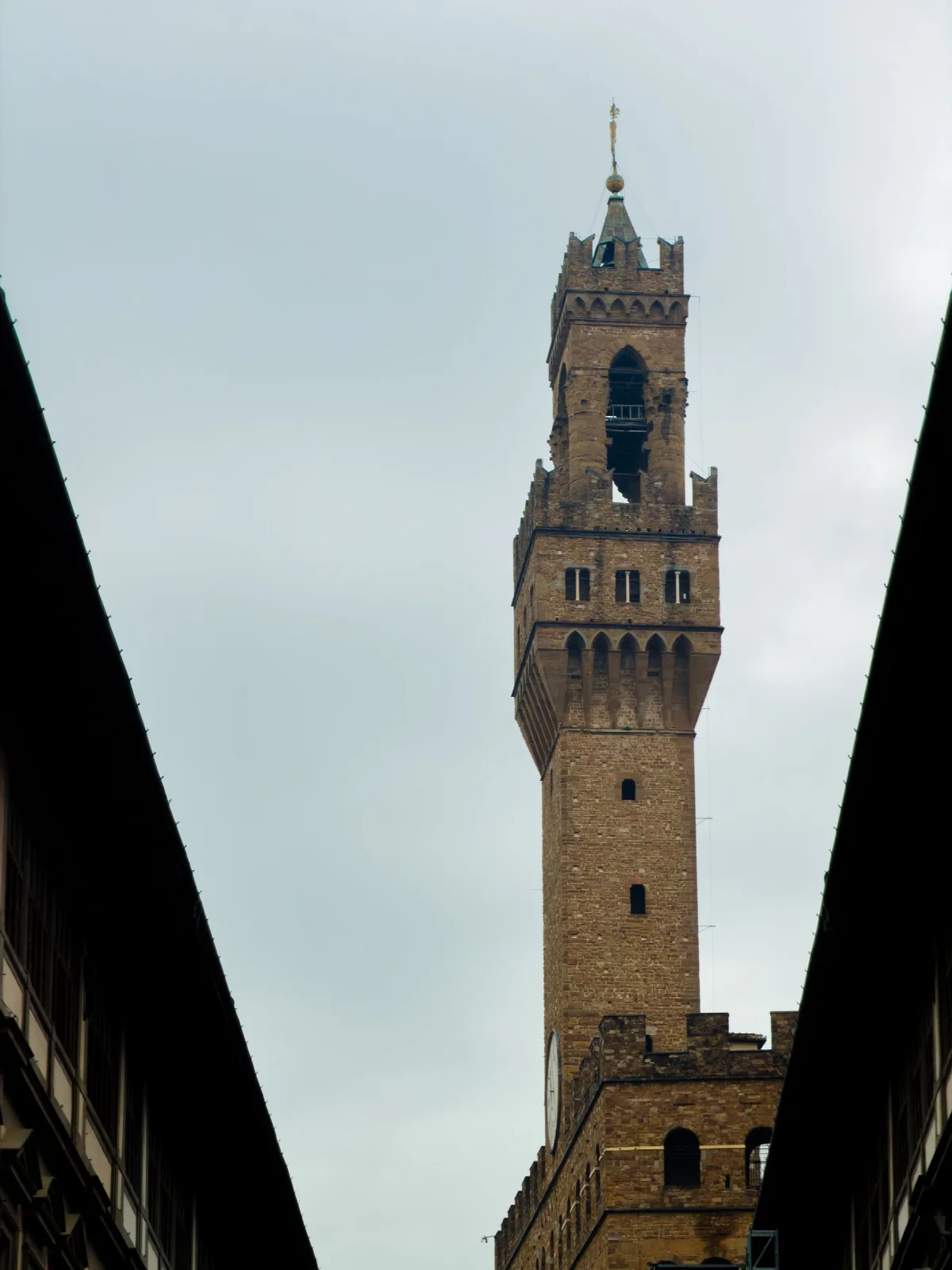
The tower of Palazzo Vecchio gives the square a strong focal point, while sculpture turns the open space into a setting for stories. Pause at the edge before approaching individual works. Notice the relationship between the palace, the Loggia dei Lanzi and the people using the square. A photograph that includes those relationships can convey more than a close-up alone.
The David figure in the square is not the original Michelangelo sculpture; the original is a separate visit at the Galleria dell'Accademia. You need not visit every famous collection simply because its name is familiar. If the interiors of Palazzo Vecchio interest you, include their admission and visiting time as a separate element of the day.
Ponte Vecchio and the Arno
The buildings along Ponte Vecchio give the bridge its recognisable silhouette. The most satisfying view need not be from the bridge itself: a short walk along the bank can bring the whole structure and its relationship to the river into frame. Think of crossing it as entering another part of Florence, as well as reaching a landmark.
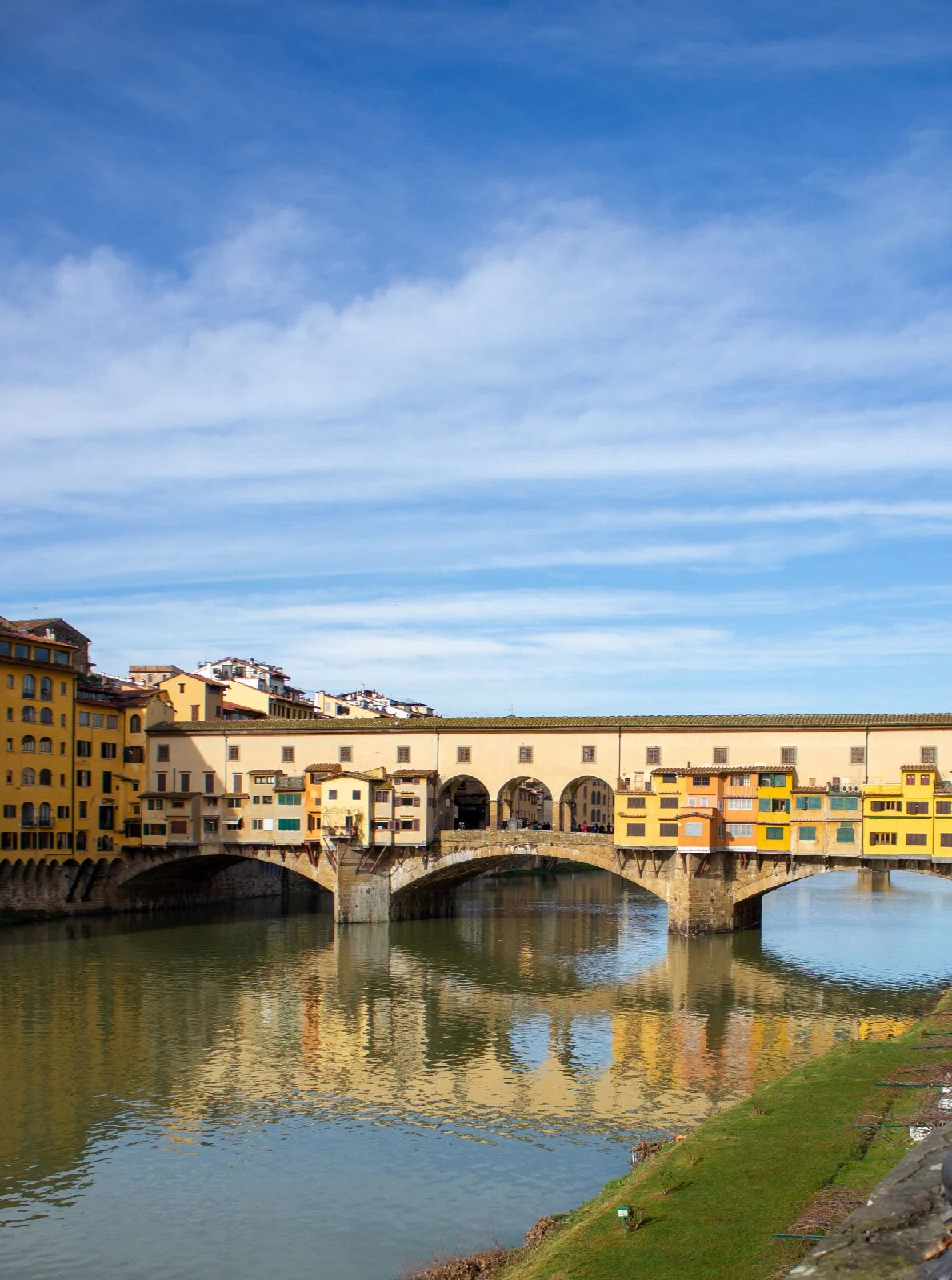
Avoid blocking the flow of pedestrians while taking photographs. In low light, keeping a phone steady and including a clear riverbank line can help a composition. These are practical suggestions rather than promises of perfect conditions. On a wet day, make a shorter crossing and allow more time for an indoor break instead of committing to a long riverside circuit.
Oltrarno: from palace surroundings to neighbourhood streets
Across the Arno, the area around Pitti and Santo Spirito changes the rhythm of a central Florence visit. A walk around Via Maggio can connect pauses near Piazza della Passera and Santo Spirito. Treat it as an invitation to look at windows, workshops and everyday squares, not as a shopping checklist. The attraction is partly the chance to walk without another compulsory monument ahead.
Adding Pitti and Boboli turns this into more than a neighbourhood stroll. Check the coverage of your ticket, last admission and the weather together. If energy is running low, saving the gardens for another day can protect the enjoyment of the trip. There is no need to make an extensive cultural complex a hurried final stop.
Piazzale Michelangelo: see the skyline together
From Piazzale Michelangelo, the cathedral dome, Palazzo Vecchio and the Arno become parts of one view. Buildings encountered separately at street level can now be read in relation to one another. A walk through San Niccolò can form part of the outing, but account for the slope and the energy remaining at the end of the day.
Sunset is popular, rather than compulsory. A cloudy afternoon can also reveal the layers of the skyline. Think about your return journey before it gets dark. A good photograph does not require leaning beyond safe boundaries or occupying a viewpoint so long that other visitors cannot enjoy it.
A practical two-day itinerary
On day one, begin around the Duomo and walk towards Piazza della Signoria. Make your booked Uffizi visit the day's principal indoor experience, changing the walking order if the appointment falls earlier. Pause by the Arno and cross Ponte Vecchio into Oltrarno. Having dinner on that side of the river can reduce unnecessary backtracking.
On day two, work around a dome reservation if you have one. Then choose the Accademia, Pitti or a longer neighbourhood walk according to your interests. Rather than divide the afternoon between three separate museums, give one priority. In suitable weather, finish with San Niccolò and Piazzale Michelangelo. For a one-day stay, follow the first day's walking outline and choose just one substantial ticketed visit.
Choosing a place to stay and an arrival route
The Santa Maria Novella area is worth considering for rail arrivals and convenient luggage arrangements. The streets between the Duomo and Signoria suit a central walking focus, while Oltrarno can appeal if you want evenings across the river. These are area suggestions, not endorsements of individual properties. Check the actual entrance, floor and lift arrangements as well as the distance displayed on a map.
Read the complete station name on a rail ticket. Stations associated with Florence do not all place you at the same point beside the historic centre. On departure day, leave time between a museum visit and your train to collect bags and reach the platform. Many central sights can be linked on foot, but luggage and accessibility requirements can change the best route.
Planning meals and a realistic budget
A comfortable breakfast and a planned lunch break can support a long gallery visit better than trying to eat around an overfilled schedule. Ask about portions, service and seating conditions before ordering. A bakery purchase, a seated meal and a coffee break should not automatically be treated as the same type of transaction. State allergies or dietary preferences clearly rather than relying on an unfamiliar dish name.
Start your budget with the paid experiences you actually want. After adding the relevant Duomo products, museums and any excursion, use squares and riverside walks to balance the day. A combined ticket offers value only when its contents match your plans. Buying one need not become a reason to rush through a museum that never interested you.
Rainy days, families and a slower visit
In rain, shorten an outdoor photography walk and spend longer in a collection already chosen. With children, looking for an animal in a painting or sketching the buildings on a bridge can be more enjoyable than adding another museum. Consider steps and uneven surfaces. For specific access requirements, follow the current guidance of the institution rather than assuming every part of a historic building is equally accessible.
Frequently asked questions
Can you visit Florence in one day?
Yes, for a central walk and one main visit. Two or three days offer more flexibility for art collections, Oltrarno and unhurried breaks.
Does every Duomo visit require a ticket?
No. Separate free cathedral admission from the products for the dome and other monuments. Check the official page for current hours, dress requirements and reservations.
Should you leave Florence for another Tuscan town every day?
Only if that matches your priorities. Consider one excursion instead of turning both city days into travel days. Decide how much time you want in Florence itself before building a regional itinerary around it.
Sources and current visitor information
Information checked on 1–2 October 2026. Recheck official admission, works and menu arrangements for your travel date.
- duomo.firenze.it — brunelleschi s dome all the new entry rules from march 1 2025
- duomo.firenze.it — plan your visit
- tickets.duomo.firenze.it — help
- feelflorence.it — piazzale michelangiolo
- feelflorence.it — il quartiere di san niccolo
- feelflorence.it — oltrarno tra pitti santo spirito e porta romana
- galleriaaccademiafirenze.it — david michelangelo
- uffizi.it — the uffizi
- uffizi.it — tickets
The Tatilmerkezi Stork is our brand's storytelling character. This guide combines official sources and editorial route suggestions; it is not a personal travel diary.