
Opening a map of Italy can make you want Rome, Venice, Tuscan hills and colourful coastal villages in the same holiday. The Tatilmerkezi Stork suggests beginning with a smaller decision: what would you most like to remember? Art, neighbourhood meals, sea views or cities changing outside a train window? Italy is not one itinerary. It offers many journeys that can connect, but each needs time of its own.
This country guide helps you choose a first route. Instead of repeating every stop in the city guides, it explains how to combine bases, where additional travel becomes a separate outing and what you might save for another visit. The aim is not to complete the country in a week. It is to spend worthwhile time in the places you choose.
Choose your route with three questions
First, count full days after allowing for arrival and departure. Then identify your two most important experiences. Renaissance art and canal views point towards Florence and Venice; ancient history and neighbourhood meals may favour a Rome-focused holiday. Finally, decide how often you are willing to pack your bags and change accommodation.
One-night stops can make a map look impressive while fragmenting days with luggage and check-in. Two or three bases are often a more comfortable starting point. Compare flights at both ends of your route when possible. Returning through the same airport may initially look cheaper, but include the money and time required to travel back there.
Rome: grand history and neighbourhood breaks
Rome suits travellers who want ancient buildings and everyday urban life within the same outing. Make a major visit such as the Colosseum the day's main appointment, then add nearby walks instead of several more timed entrances. A square, a meal chosen from a current menu and an evening in another neighbourhood also belong to the experience.
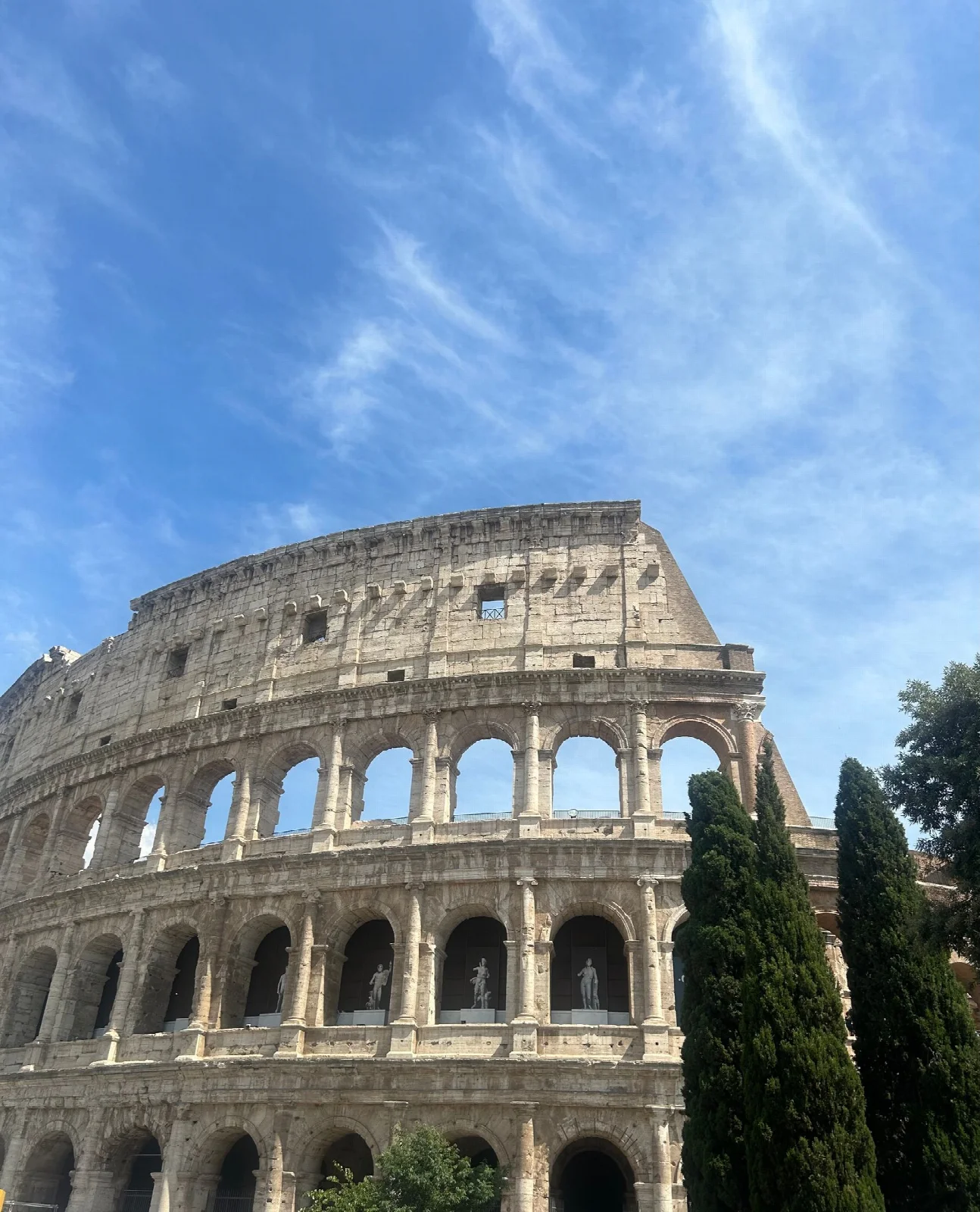
Several nights reduce the pressure to reach a different city every morning. Follow an intensive history day with a lighter neighbourhood and food programme. The site's Rome food guide explains carbonara, gricia and other pasta choices. Match meals to the area you are exploring instead of crossing the city for every restaurant. If continuing south, treat Rome as a destination in itself as well as a point along the route.
Florence and Tuscany: art and a slower pace
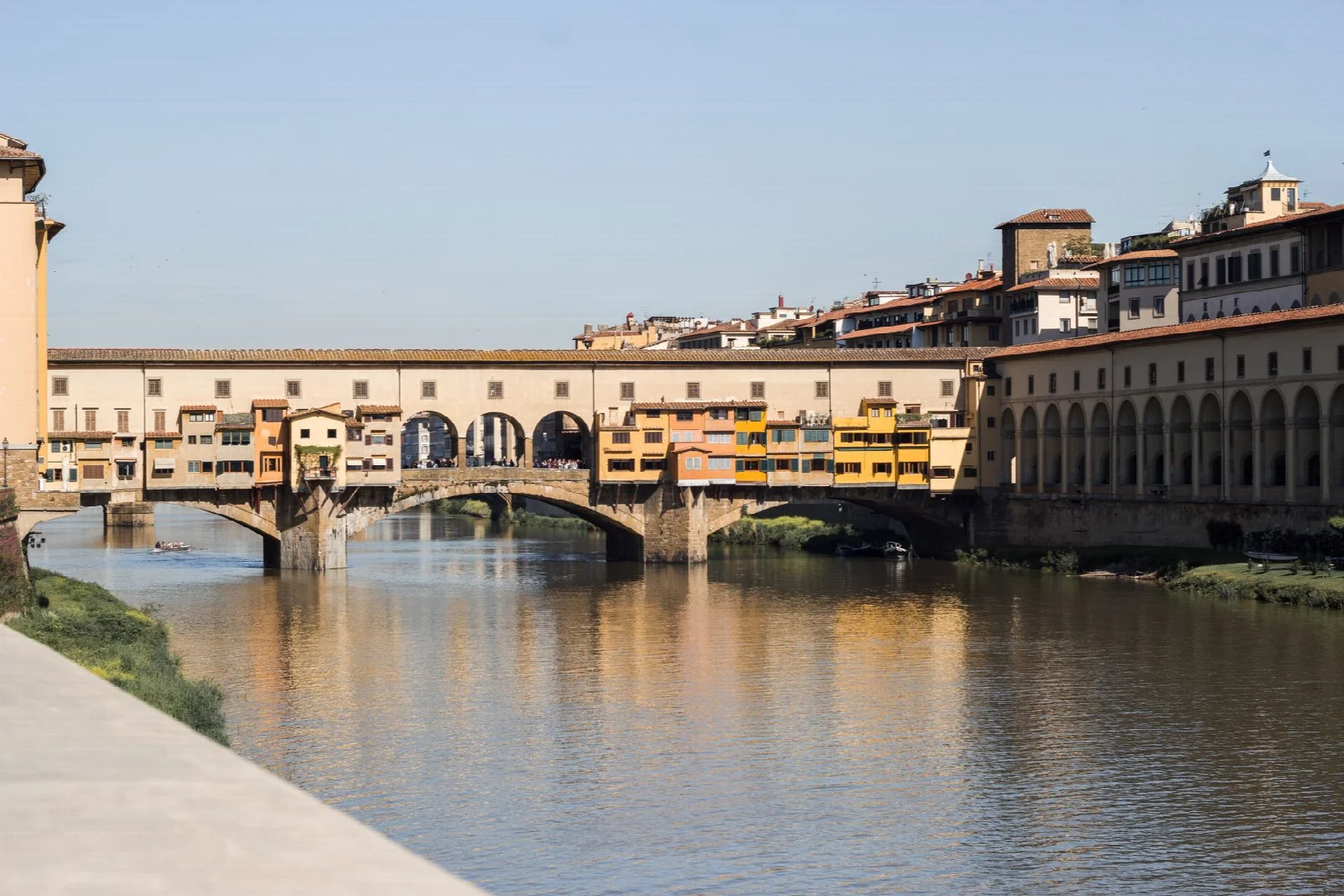
Florence appeals to travellers who enjoy spending time with a collection, then returning to the streets on foot. The Uffizi, Duomo area and Arno waterfront offer distinct experiences. Before placing two substantial indoor visits together, consider how much attention you want to give each. A compact-looking city does not make every visit short.
The Tuscan countryside needs separate transport and accommodation planning. It is not simply a few spare hours between central Florence reservations. Choose a village or small town and give it time instead of collecting numerous photograph stops. A rental car decision may differ for that part of the holiday: trains can serve the main city route while you assess rural access separately. You do not automatically need a vehicle for the entire trip.
Venice: a city shaped by water
Do not plan Venice as an ordinary urban transfer. After arriving by rail or road, walking, bridges and water transport shape the day. Manageable luggage and clear directions to your accommodation make a useful difference. Accept that moving between places may follow a different rhythm from other cities. After the principal sights, another district can reveal a different side of Venice.
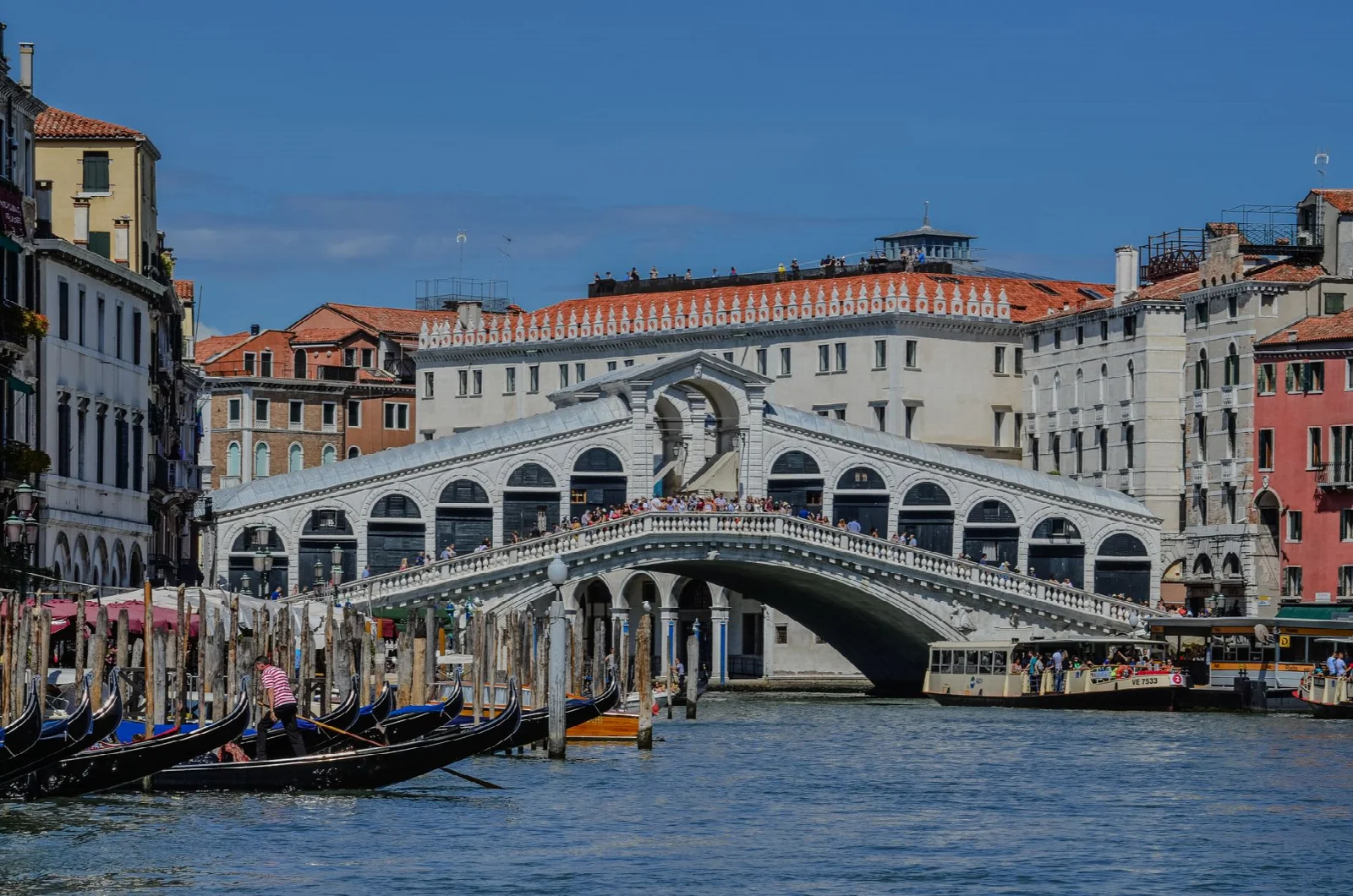
Pair San Marco and Rialto with Dorsoduro or a separate island outing. Avoid squeezing islands into the gap between two historic-centre reservations. Check official admission arrangements and transport products through the city guide. On 2 October 2026, the municipal portal states that the 2026 access-fee period ended from 27 July. Do not assume that the same arrangements will apply in a later year.
Milan and a northern route
Milan rewards attention to architecture, art and contrasting neighbourhoods. Give the Duomo area more than a quick transfer photograph and combine it with Brera or Navigli. If you start in the north, leaving one or two full sightseeing days here can combine recovery from the flight with a substantial introduction to the city.
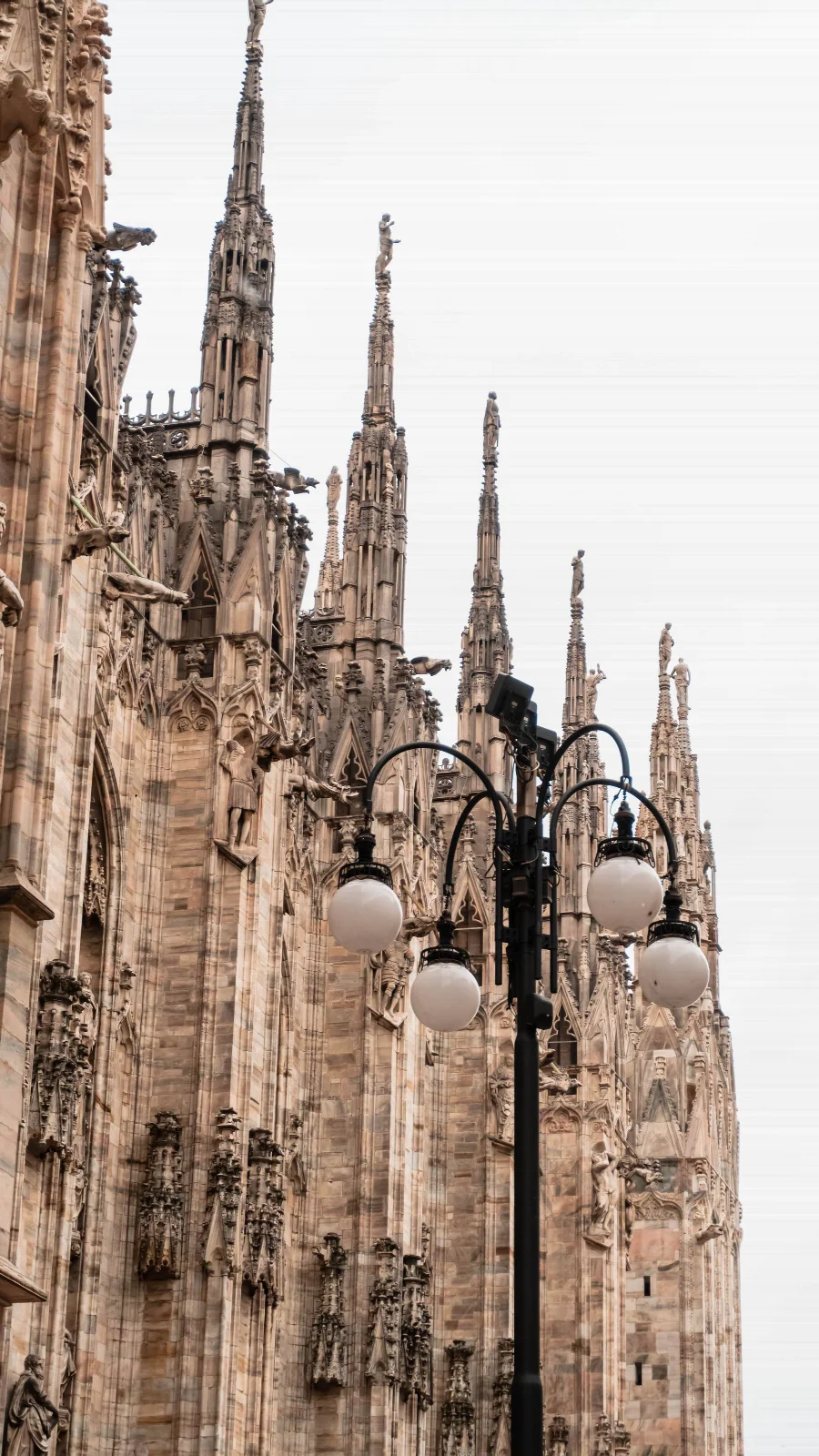
Check the actual departure station when continuing elsewhere by train. An airport name and a central station name are not interchangeable; read where the connection begins. Include Milan because its experiences interest you, not only because a flight lands nearby. If coastlines appeal more than art and architecture, allocate the northern part of your journey accordingly.
Give the coast time of its own
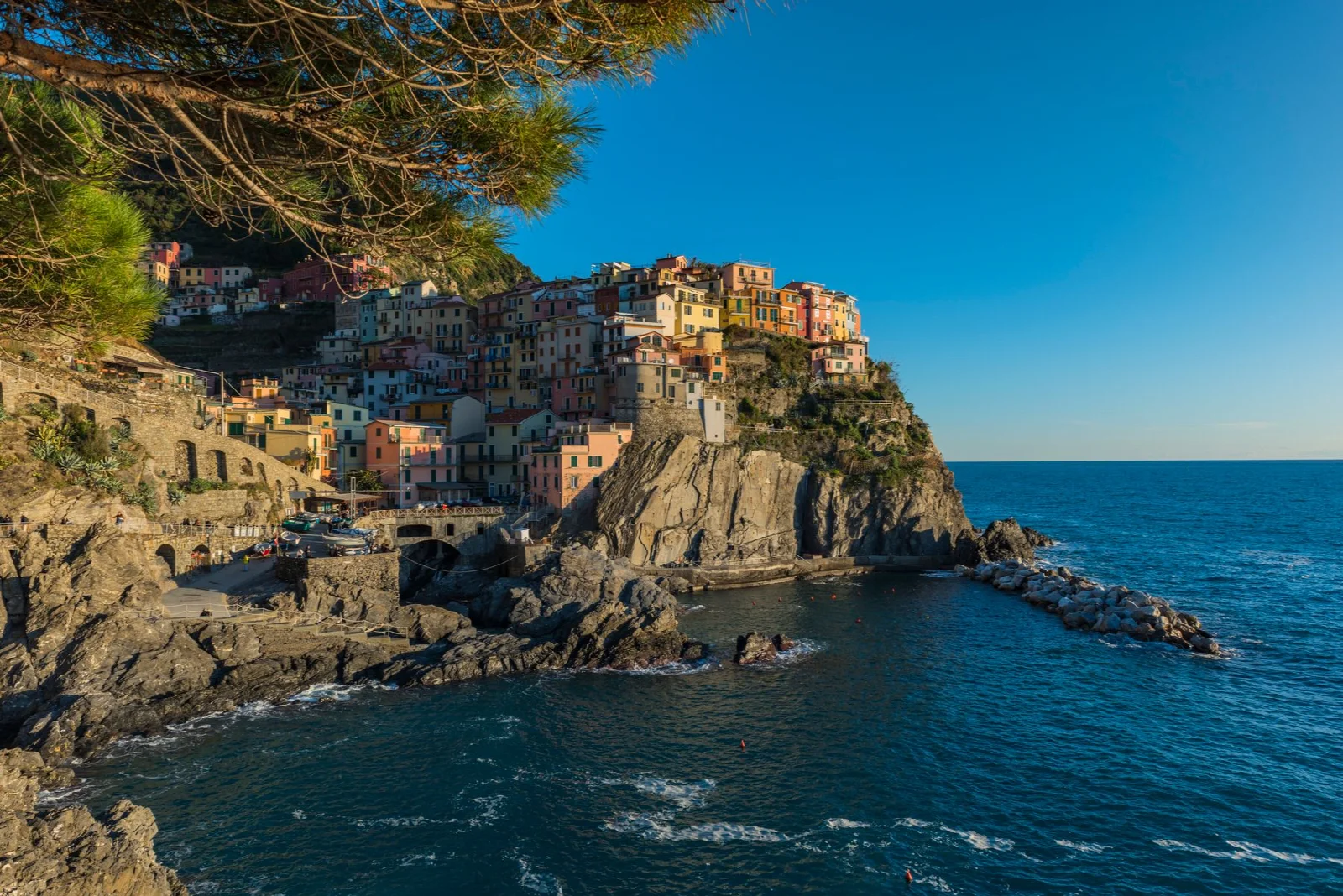
Manarola, shown on the cover, is one of the colourful settlements of Liguria's Cinque Terre. Before immediately adding the view to your programme, examine its position and connections. Village walks, local trains and accommodation choices require different preparation from a city museum route. Do not assume that paths are open or boats operate in every condition.
Decide whether the purpose of a coastal day is swimming, walking or scenery. Those experiences do not always align in the same season or place. Remain flexible around local notices, weather and sea conditions. Replacing a city with two coastal nights can create a better holiday than inserting a distant seaside stop between Florence, Venice and Rome.
A first seven-day itinerary
For art and history, start by considering two bases, such as three nights in Rome and three in Florence, then allocate remaining time around flights. This is a planning framework rather than a ready-made package. Alternate major historical visits with neighbourhood exploration in Rome, and museums with outdoor time in Florence. Every day does not need a different city.
If canals matter more, consider Florence and Venice instead. A northern alternative could use Milan and Venice as two bases. Combining all these choices within the same week risks turning the holiday into a sequence of stations. Establish the real train connection before booking a major museum on the day you move between cities.
Adding a third city over ten days
Ten days create more room for a third base. A Rome–Florence–Venice route can then leave several nights in each place. Keep moving days relatively light: checkout, reaching the station, the journey, finding the next hotel and handling luggage take longer than the time printed on the train ticket. A nearby evening walk and meal may be enough.
An apparently empty day is not necessarily poor planning. It leaves space for rain, an absorbing museum or an unexpected need for rest. If you must return to your starting city, count that as a separate journey. Where you spend the night before flying home has a considerable effect on the comfort of the final day.
Understand your train ticket
High-speed, intercity and regional services do not all use one set of ticket conditions. Read the operator's rules for changes, seating and validity for your chosen train. Trenitalia's Digital Regional Ticket information says manual check-in is no longer needed for that product: validation occurs automatically at the selected train's scheduled departure. This does not establish identical rules for paper tickets or every other operator.
After purchase, check passenger name, date and both stations. Examine the connection conditions if a journey involves separate reservations. Make sure the ticket will be available on your device and consider charge and offline display before leaving. This guide does not promise a fixed current fare or the same service every day.
Plan accommodation and meals together
Compare accommodation beyond the nightly rate. Local transport, walking with luggage, breakfast and late-arrival arrangements affect the whole experience. A distant property can add repeated journeys during a short stay. On a walking-focused holiday, a convenient base may be as valuable as another paid attraction.
Meals need not follow the same pattern each day. Choose one local dish as a focus, then keep another meal simple. Read regional menus instead of reducing Italian food to one national pasta list. Consider drinks, side dishes and service items together and consult the business's current information. Leave room for curiosity without spending the entire food allowance in the first two days.
Frequently asked questions
Do you need a rental car for a first Italy trip?
Not automatically for a route linking central Rome, Florence, Venice and Milan. If adding countryside accommodation or smaller settlements, assess that part separately.
Can four major cities fit into a week?
It may be possible, but two bases and a selected extra outing can allow more discovery and less packing on a first visit.
What is the best route through all of Italy?
There is no single answer. Choose your priorities among history, art, coast, food and nature, then connect places around those interests and your real travel time.
Sources and current visitor information
Information checked on 1–2 October 2026. Recheck official admission, works and menu arrangements for your travel date.
- cda.veneziaunica.it — en
- italia.it — italy
- italia.it — how to travel around italy
- italia.it — manarola
- trenitalia.com — digital regional ticket.html
The Tatilmerkezi Stork is our brand's storytelling character. This guide combines official sources and editorial route suggestions; it is not a personal travel diary.