
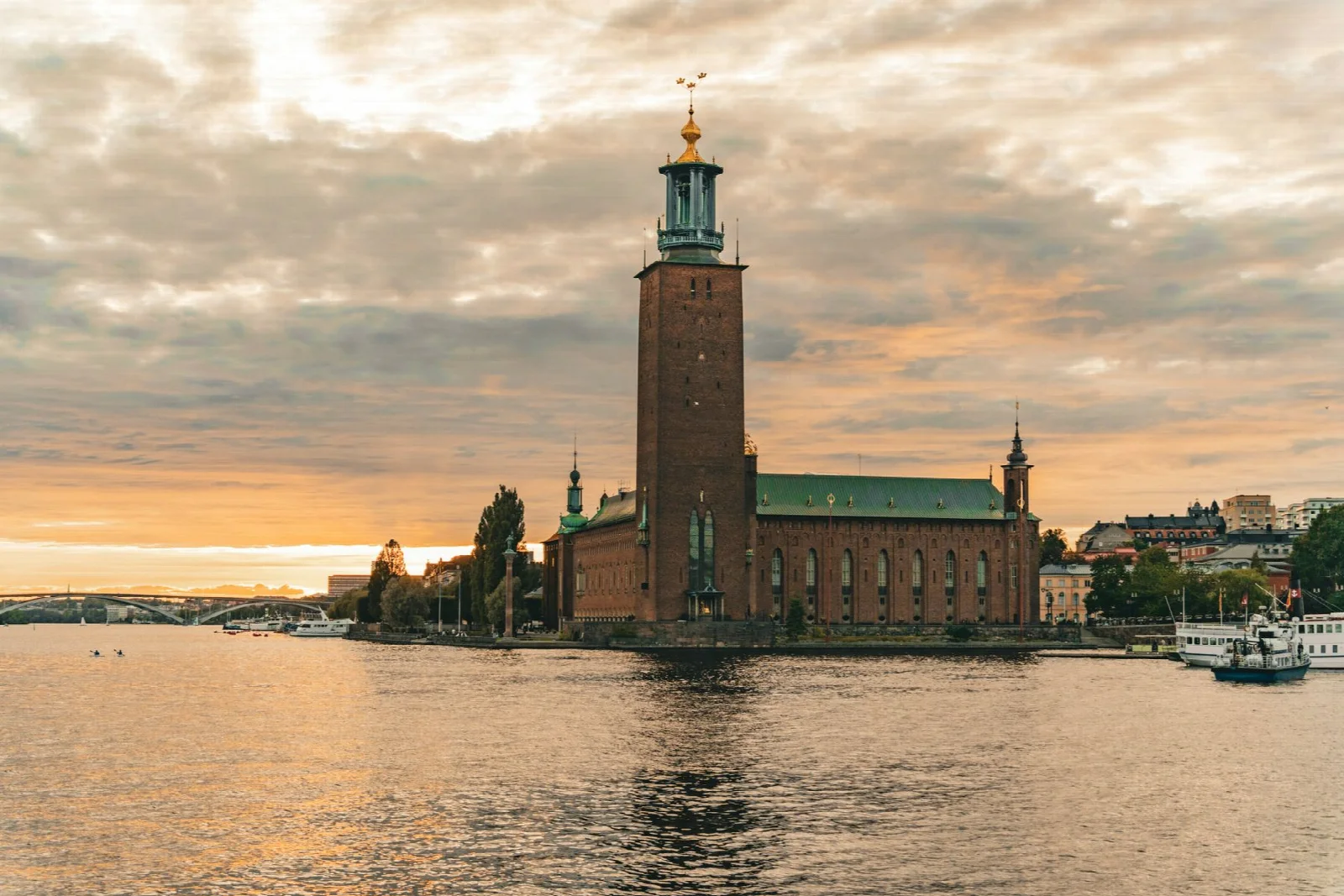
How about discovering Stockholm one bridge at a time? Gamla Stan’s colourful façades, Djurgården’s green shoreline and Södermalm’s waterside slopes give the Swedish capital several distinct moods. The Tatilmerkezi Stork invites you on a three-day exploration that connects neighbourhoods without becoming a museum marathon. Leave the morning for old streets, the afternoon for one absorbing visit and the evening for the view itself.
Your first decision should be what matters most, rather than how many places you can count. Maritime history may point you towards Vasa; an interest in outdoor cultural history may make Skansen a better fit. Travellers who prefer photography and neighbourhood walks can give Södermalm more time. This guide links the city’s areas with practical choices about accommodation and transport, so the island names become parts of a workable journey. Remember that an apparently short distance may include a bridge, a slope or a connection. Allowing for those details at the start makes the rest of the day feel easier.
Which Stockholm areas should you visit?
Gamla Stan: a slower introduction
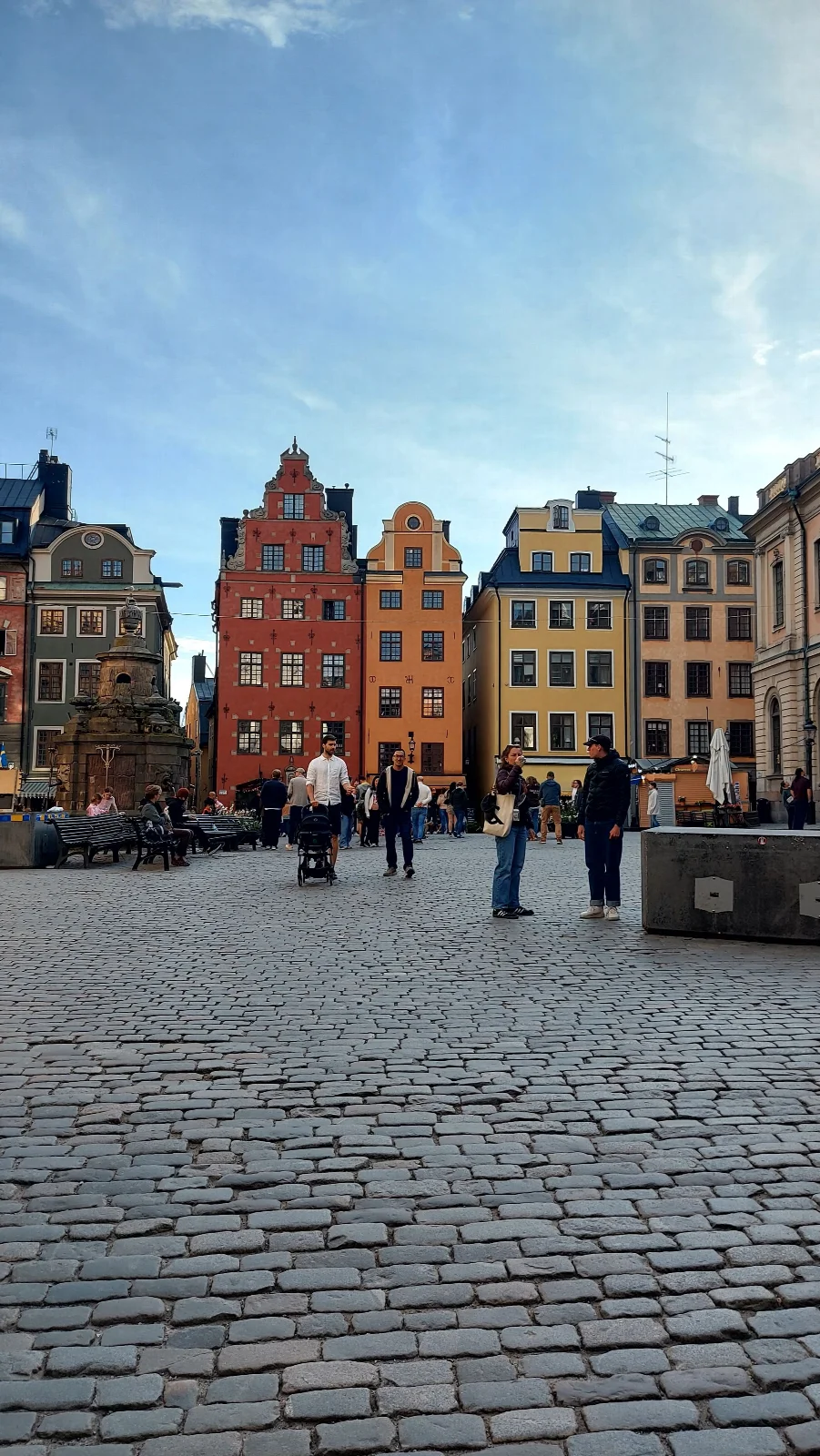
Make Gamla Stan's historic buildings, small shops and streets the focus of the first day. Look at architectural details and the way the streets connect instead of following only a sequence of photo stops. A short first walk, followed by food and a second wander, can work well after an early flight.
If you want an indoor visit here, decide on the subject first, then examine entry times and what the ticket covers. Exploring a neighbourhood and entering a palace or museum create different time and budget commitments. Do not add so many interiors that the streets become nothing more than the route between bookings.
Djurgården: Vasa or Skansen?
Treat Djurgården as the day's main area, not a quick stop. Vasa offers an indoor visit centred on a ship, while Skansen explores historic buildings, gardens and everyday life in an open-air museum. Choose the experience that appeals most before considering a second admission; seeing both is not a requirement for a worthwhile day.
Advance Vasa tickets do not give queue priority. Large bags are not permitted, there is no luggage storage, and the ship's preservation requires a cool interior. Leave suitcases elsewhere and bring a light extra layer. Lifts to the museum's floors are useful to know about when planning access.
For a Skansen visit, choose the buildings or activities you want from the current programme. Its outdoor emphasis makes breaks, a wet-weather alternative and the return journey worth planning. With children, a smaller number of enjoyable stops may work better than a determined attempt to cover the whole site.
Södermalm: neighbourhood life and viewpoints
On Södermalm, combine shops, cafés and cultural stops in a neighbourhood walk. The official visitor guide highlights Monteliusvägen and Fjällgatan for views. Rather than making both compulsory, choose the walk that best fits your base and the amount of walking you want to do.
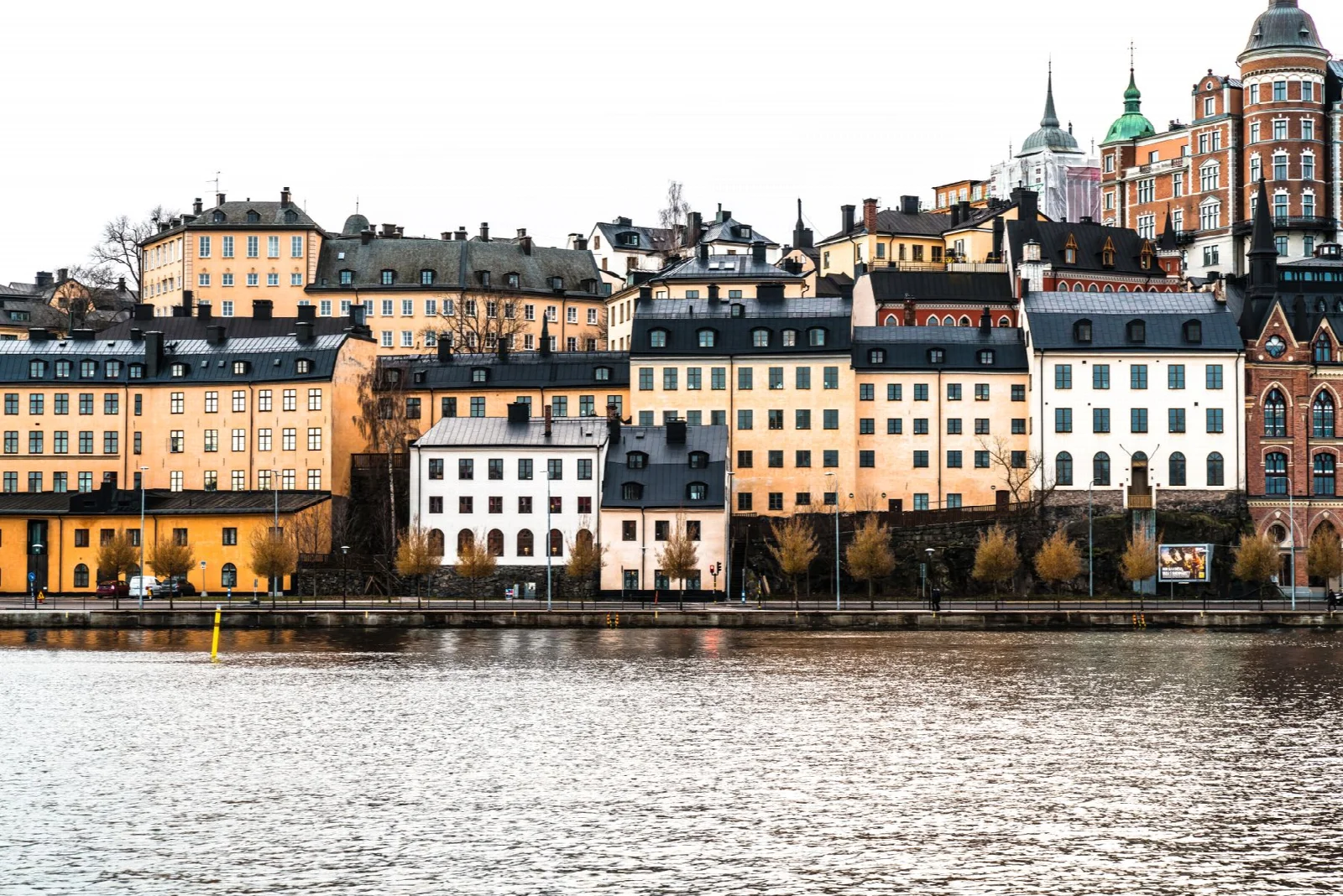
Putting this area on day three also leaves room for an earlier visit that took longer than expected. Shorten the walk if a museum deserves more of your time, or extend the photo and rest stops if the weather is inviting. Flexible time does not need to become another paid entrance to be useful.
A three-day Stockholm itinerary
| Day | Main route | Adjust for |
|---|---|---|
| 1 | Gamla Stan and a nearby walk | Arrival time, tiredness and any chosen indoor visit |
| 2 | Djurgården: Vasa or Skansen, then a break | Weather, interests and current admission arrangements |
| 3 | Södermalm, one viewpoint walk and open time | Walking pace and priorities left from earlier days |
Use the table to choose a main purpose for each day, not as a minute-by-minute challenge. Leave room for food, travel and rest. If you have an evening event, include any journey back to the hotel or time needed to change. On departure day, a short walk near your accommodation is easier to adjust than a distant museum made into a final compulsory stop.
SL tickets and travel from Arlanda
An SL single ticket has a 75-minute validity period. Make the final transfer before it expires; you can then continue to the destination without another transfer that requires a reader or barrier. Check that an app ticket has been activated. If your plan includes several separate journeys, compare period products with your actual route.
SL offers options through its app, contactless cards or devices and its transport card. The older SL Access system has been retired. When using an old travel article to plan a purchase, compare the product name with the current operator information rather than relying on the appearance of the card.
Using the commuter train at Arlanda involves a terminal passage supplement, subject to age conditions. Check whether your chosen ticket already includes it. Arlanda Express is a separate service and ordinary SL tickets are not valid on it. Identify the airport used by your flight first, then the train's operator and the complete ticket coverage.
Where to stay and how to budget
Compare Norrmalm/City if transport connections matter most, Gamla Stan if you want a historic central base, and Södermalm if neighbourhood walks drive the trip. These are areas to investigate, not endorsements of particular hotels. Make the final choice using the room conditions, actual walk from the stop and the journey home at night.
Compare accommodation on the same basis: breakfast, cancellation terms and the final payable total. When choosing transport, allow for a day you may spend mostly on foot. Compare museum packages with the individual places you will genuinely visit. Filling every day with admissions does not automatically create a saving or a better holiday.
Photography and access decisions
Give each area its own photographic theme: street details in Gamla Stan, museum or green-space scenes on Djurgården and city views from Södermalm. Choose places where you can pause without obstructing pedestrians. Read each museum's photography rules separately rather than assuming that permission at one venue applies everywhere.
If you need to limit walking, plan places to rest and options to turn back as well as the total distance. A museum with lifts does not establish that the entire route to its entrance suits your needs. Take particular care to assess slopes and surfaces before choosing a viewpoint walk.
The Stork’s Stockholm photo notebook
You do not need to fit every tower into the same photograph of Stockholm’s waterfront. Treat Riddarholmen Church’s pointed spire and the rhythm of the surrounding buildings as one composition, then explore City Hall’s relationship with the water in another. The Stork’s route idea is to choose a few viewpoints that belong naturally to your walk. Bridges can help you notice layers of the city, but keep pedestrian and cycle routes clear when stopping for a photograph.
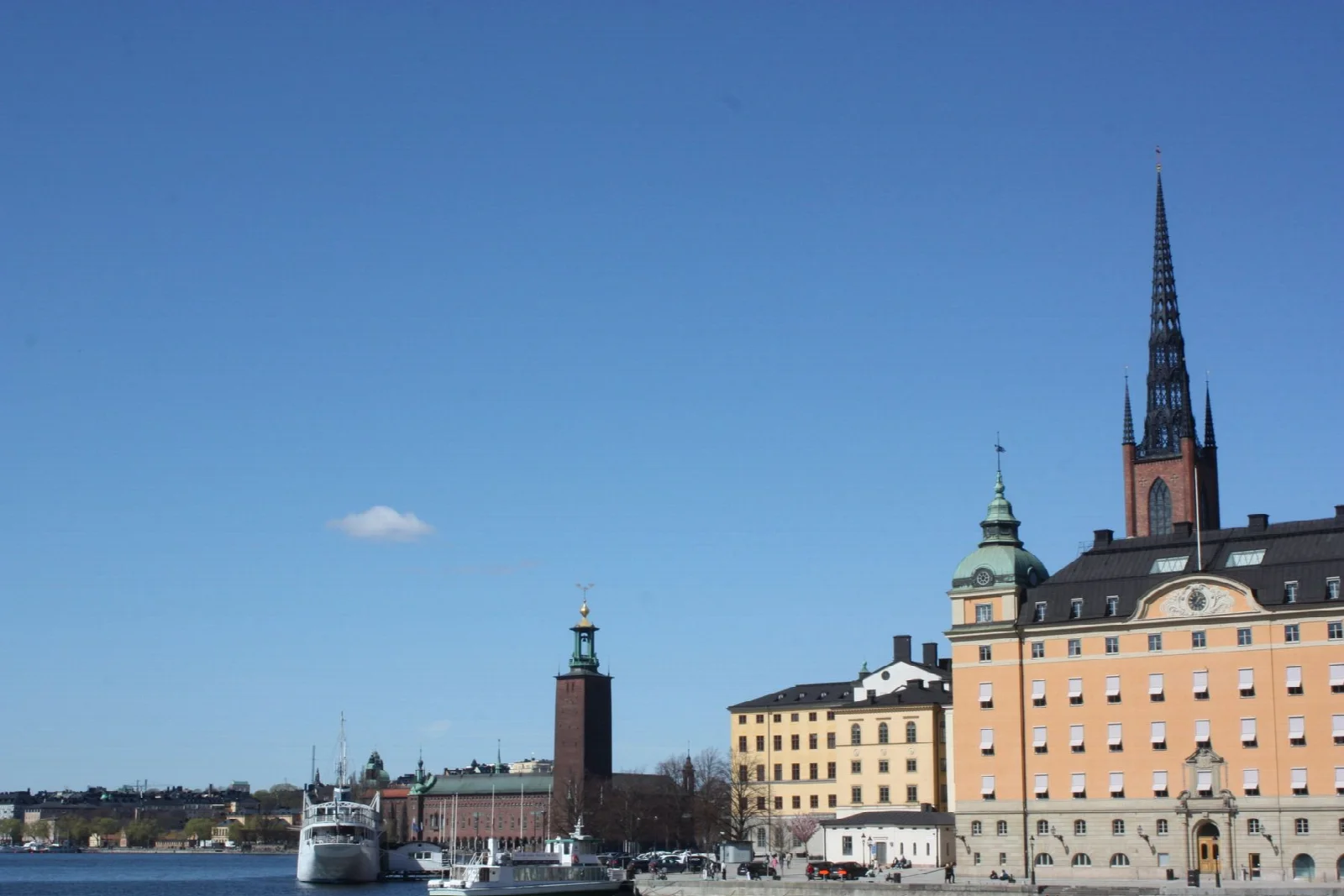
Colour in Gamla Stan, breathing space on Djurgården
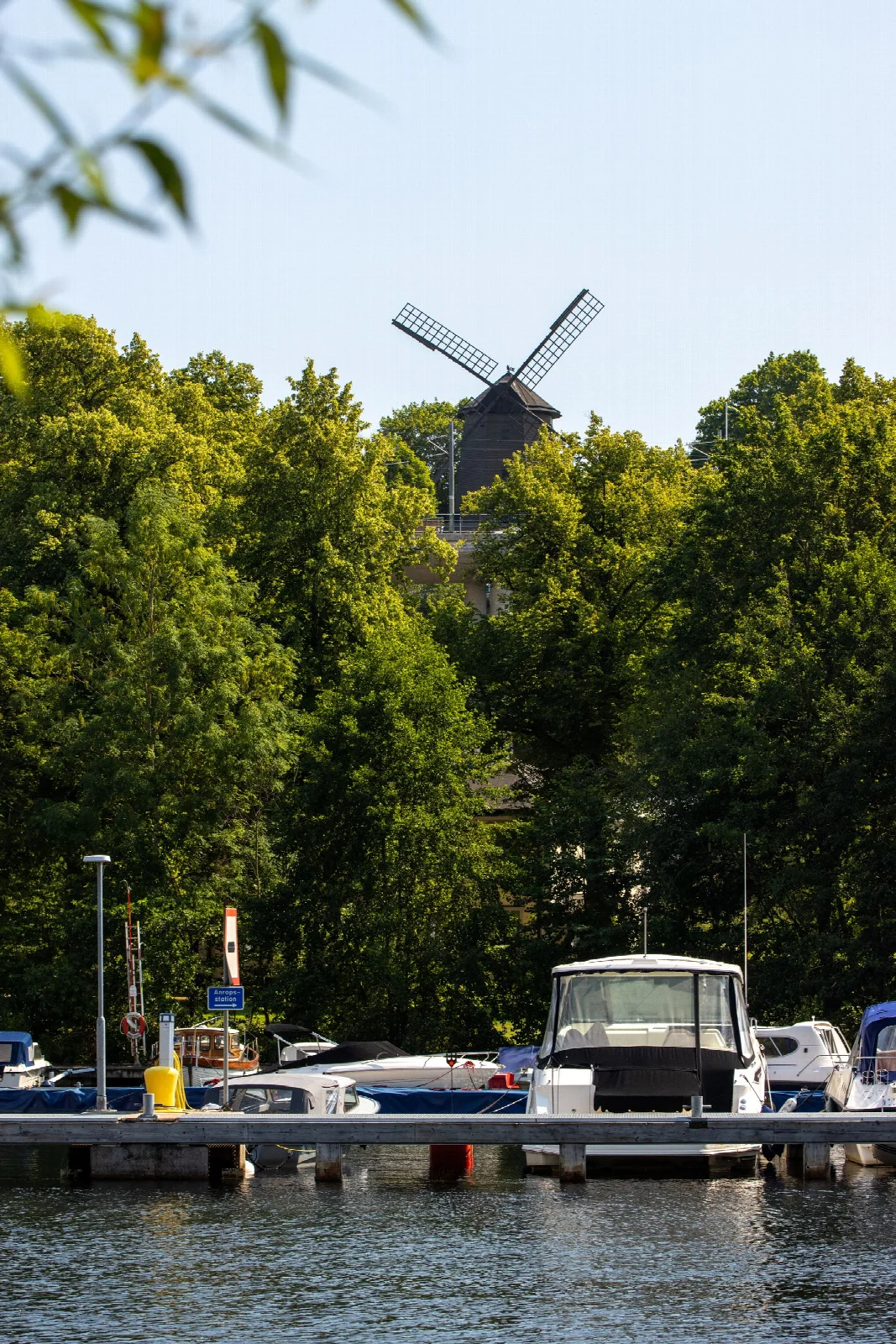
At Stortorget, begin with a wider view of the façades before trying a window, sign or stretch of paving. A busy square then need not spoil the whole photographic plan. On Djurgården, trees, boats and the shoreline provide a different visual vocabulary. Be precise with captions: a photograph of a windmill and pier on the island is not a view inside Vasa or an image of Skansen’s entrance. An attractive picture becomes a useful travel recommendation when its location is described accurately.
How can you tell when a day is too full?
Allow a time window for each planned stop that includes travel, food and possible waiting, not just the visit itself. If two major museums occupy the same afternoon, move one to another day rather than rushing through both. In wet weather, you can pair a shorter waterside walk with an indoor visit instead of abandoning outdoor time altogether. With children or companions who tire on longer walks, reducing the number of island changes may help more than searching for another ticket type.
When posting a photograph, name the neighbourhood and explain whether it is an exterior view or the interior of a place you visited. Adding your own travel date gives future readers useful context for the light, weather and atmosphere. The most helpful image is not necessarily the emptiest or most dramatic one; it is a frame that makes a real part of the city easier to understand.
Frequently asked questions
Are three days enough for Stockholm?
They provide a balanced introduction to these three areas with one main objective per day. Add time if you want several major collections or outings to more distant islands.
Can I combine Vasa and Skansen in one day?
Consider your interests and pace, but choose one as the main visit first. Do not add the second by taking away the time you actually want to spend in the first.
Does an SL ticket cover every airport train?
No. Check SL coverage and the Arlanda passage supplement separately, and use the appropriate separate ticket for Arlanda Express.
Official sources and planning note
Sources checked on 1 October 2026. Route order is an editorial suggestion; suggested time allowances do not guarantee availability or connections. Check operating services, open areas and ticket conditions for your travel date with the relevant operator.
- Visit Stockholm: merkezdeki bölgeler / central districts
- Vasa: sıra, bagaj ve müze erişimi / queue, luggage and accessibility
- Skansen: tarihi yapılar ve bahçeler / historic buildings and gardens
- Visit Stockholm: Södermalm rotaları / walks and sights
- SL: güncel bilet seçenekleri / ticket options
- SL: 75 dakikalık tek bilet / single-ticket validity
- SL: Arlanda geçiş ücreti ve tren ayrımı / airport supplement
The Tatilmerkezi Stork is our brand's storytelling character. This guide combines official sources and editorial route suggestions; it is not a personal travel diary.