

The Tatilmerkezi Stork is spreading its wings towards Singapore’s lights. One evening, look up through the glowing Supertrees; the next day, follow the colourful roofs and street details of Chinatown. The pleasure of this city lies in giving its contrasting neighbourhoods time, as well as fitting gardens and skyscrapers into the same photograph. Marina Bay’s broad skyline, Little India’s lively streets and the Botanic Gardens each tell a different Singapore story.
Use this three-day Singapore guide as a route you can adapt to your own curiosity. Give the waterfront, cultural neighbourhoods and gardens their own place in the schedule. Start by choosing two experiences you really want, then leave room between them for a proper meal and a little unplanned discovery. An itinerary feels better when you can enjoy the place you are in.
How many days should you spend in Singapore?
Three full days are a useful starting point for choosing from the stops below. Add time if you want a theme park, a substantial museum visit or a dedicated shopping day. During a short airport layover, reduce the plan to one area after calculating the time needed to leave the airport and return. Your scheduled connection time is not the same as time available for sightseeing.
| Your priority | Main area | Planning decision |
|---|---|---|
| Skyline and garden design | Marina Bay and Gardens by the Bay | Choose paid attractions before booking |
| Streets and cultural heritage | Chinatown, Kampong Gelam or Little India | Allow time to explore one neighbourhood properly |
| Plants and a gentler pace | Singapore Botanic Gardens | Choose your entrance and exit station together |
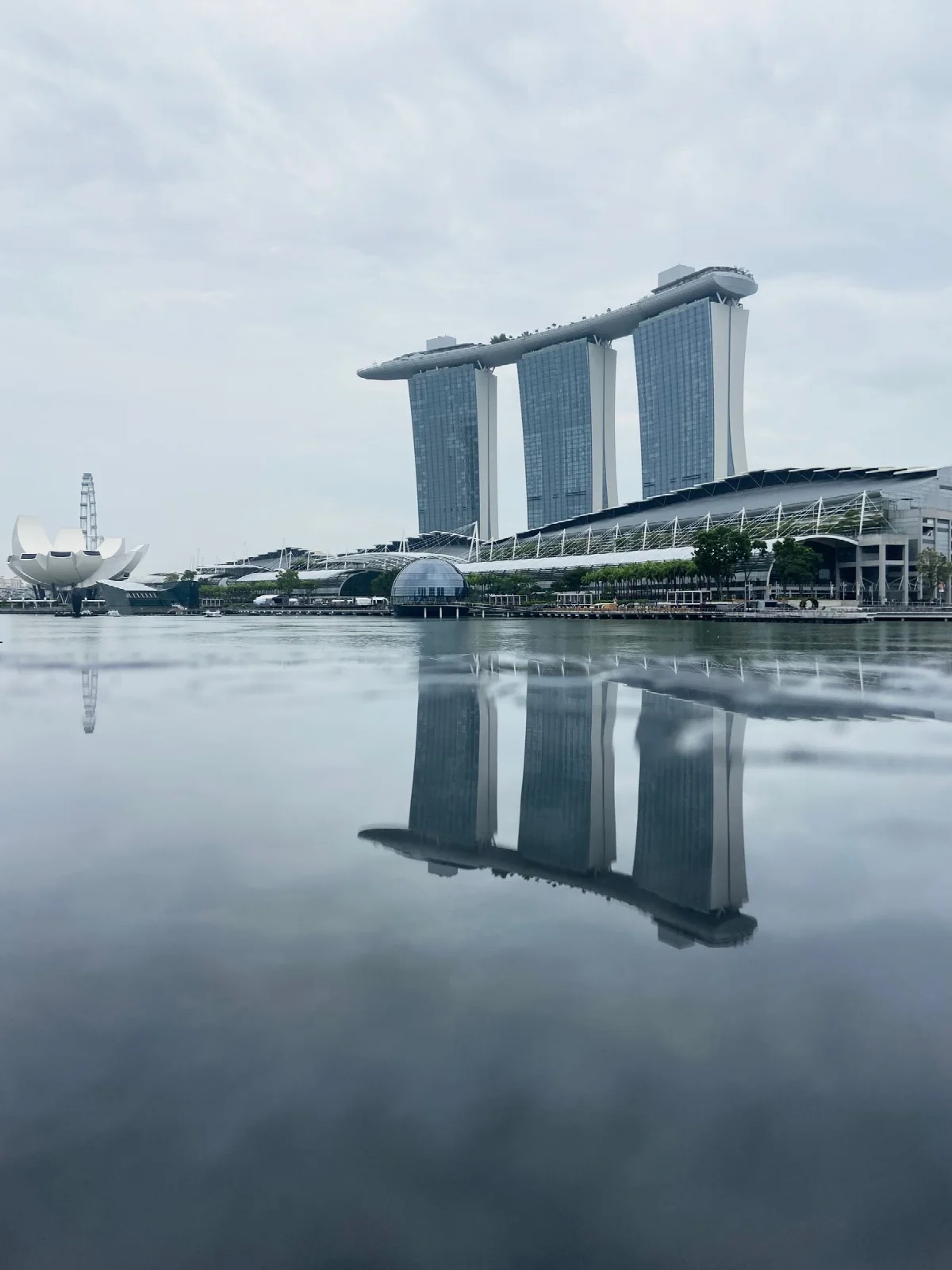
Marina Bay and Gardens by the Bay
Treat the waterfront as a substantial walk. If you expect to stop repeatedly for photographs, a mapping app’s uninterrupted walking estimate will not reflect your actual outing. Give lunch, photography and the gardens their own space in the day, and avoid placing distant reservations at either end of the walk.
Cloud Forest and Flower Dome are enclosed attractions with different botanical environments, while Supertree Grove belongs to the outdoor gardens. Start with the official attractions directory to decide what interests you. Check the precise ticket combination and any temporary exhibition attached to it. A photograph of the whole site does not establish what your ticket includes.
Maintenance closures can affect your choice of day. Read the opening-hours and closures page before committing. Children’s facilities, observation attractions and conservatories may operate on different schedules, so plan around the specific areas you intend to use.
Chinatown: make room for more than photographs
The tourism board’s Chinatown suggestions include Buddha Tooth Relic Temple, Sri Mariamman Temple and Masjid Jamae. The Visit Singapore city guide provides a starting point. Our recommendation is to leave time for a meal and an unhurried street walk, rather than reducing the neighbourhood to a sequence of building façades.
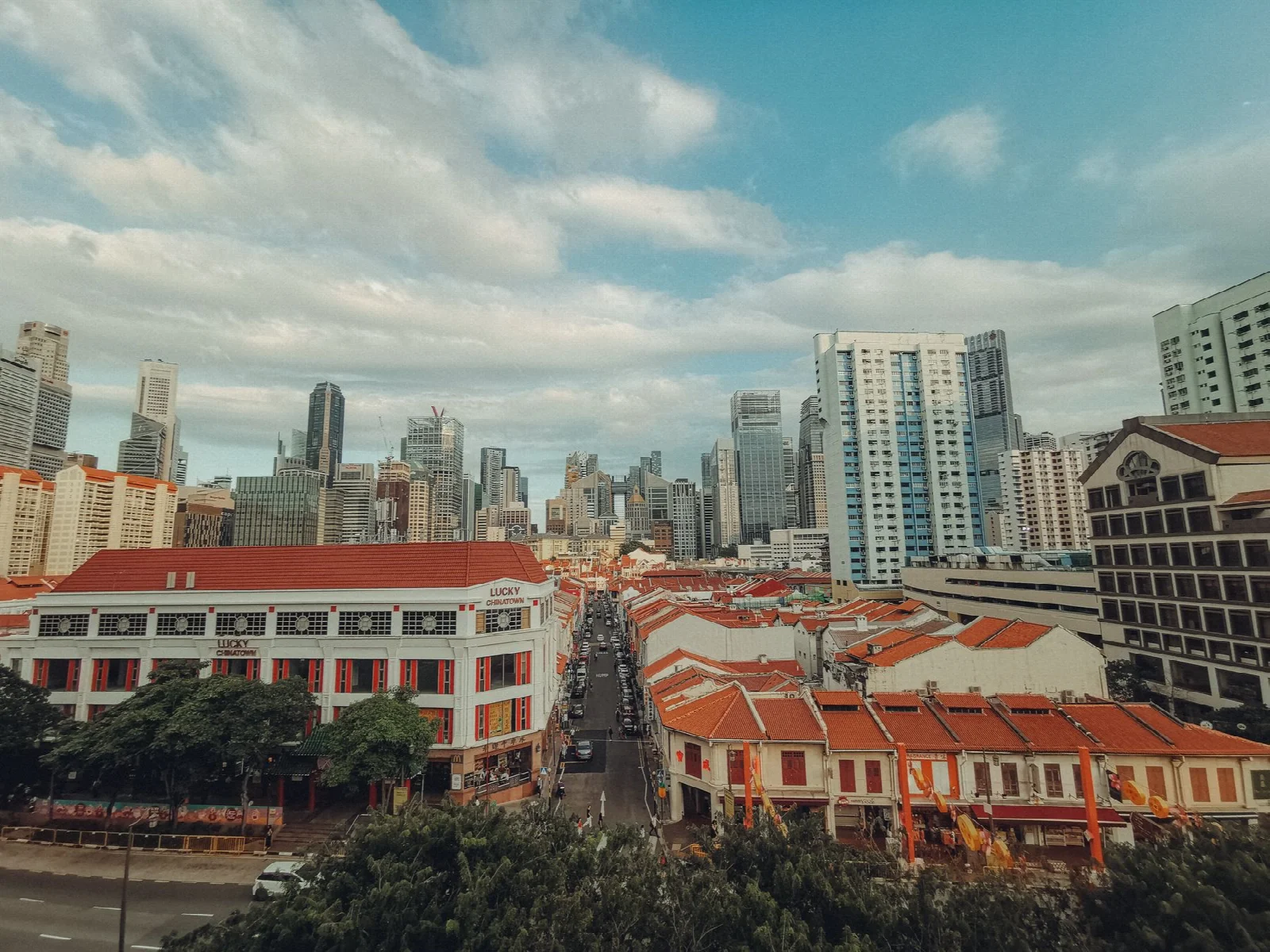
Check visitor access and photography rules separately at each place of worship. An open entrance does not mean every area welcomes sightseeing. If your group has different interests, agree on a meeting point and time so that browsing does not require everyone to wait in the same shop.
Kampong Gelam and Little India
Sultan Mosque provides a focal point for a Kampong Gelam walk; Haji Lane adds boutiques and street art. Use the official neighbourhood map for orientation and transport connections. Recheck individual businesses and services before relying on information in a printed map.

If you want to explore Little India as well, give it a separate time slot instead of treating it as a hurried third stop. The Indian Heritage Centre is one option for going beyond the streets. Browse the official Little India guide, then decide whether food, a museum or neighbourhood exploration should anchor your visit.
Singapore Botanic Gardens: plan the entrance and exit
General admission to Singapore Botanic Gardens is free, while the National Orchid Garden has separate admission arrangements. Napier and Botanic Gardens MRT stations serve different entrances. Open the map on the visitor information page before choosing where to start and finish.
Returning to the same gate can add walking that your itinerary does not need. Mark the two areas you most want to see, connect them, and then plan the journey back to your hotel. If orchids are not a particular interest, do not feel obliged to add the paid section simply because it is frequently recommended. Include a proper rest break in your route.
Paying for MRT and bus journeys
SimplyGo supports eligible contactless bank cards and mobile wallets, with conditions and possible additional charges for foreign-issued cards. Tap in and out with the same card or device: a physical card and its version in a phone wallet are not necessarily interchangeable. Read the operator’s contactless-card guidance before travelling.
Compare the total cost of your payment choice, including any foreign-card administration charge and your bank’s currency-conversion arrangements. A tourist travel product may have a different coverage area or validity period. Plan the airport transfer separately, especially the final journey with luggage, and check services for your actual travel date.
A flexible three-day itinerary
- Day one: A Marina Bay walk and your chosen Gardens by the Bay attractions. Leave the evening flexible for a short skyline stop if you still have energy.
- Day two: Explore Chinatown and stop for a meal, then continue to Kampong Gelam. Moving Little India to another day allows more time in the first two areas.
- Day three: Visit the Botanic Gardens, followed by Little India if it fits your interests. If you fly out that day, remove the second stop and increase your airport buffer.
Accommodation, spending and photography
Compare room rates alongside access to MRT stations, the number of transfers your itinerary requires and the room’s actual size. A skyline-focused trip and one centred on neighbourhood exploration may benefit from different hotel locations. Confirm late-arrival arrangements, luggage storage and cancellation terms before booking.
Separate accommodation, local transport, food, paid attractions and flexible spending in your budget. For photographs, choose three themes: skyline, street details and plants. This gives your album variety without requiring additional paid viewpoints. Ask before taking close portraits, and keep entrances, worship areas and pedestrian routes clear.
The Stork’s Singapore photo notebook
Instead of taking the same Marina Bay skyline repeatedly, give your album three different scales. Start with a wide composition showing the water and buildings together, look for a reflection, and finish with one architectural detail that catches your attention. Give yourself time for this little exercise around the Merlion waterfront too. A memorable photograph does not require an empty city: people passing through the scene can convey its everyday rhythm.

On your garden day, compare the tall Supertree structures with the textures of plants closer to the ground. In Chinatown and Little India, look at how colours sit alongside each other in windows, doors and shopfronts. Respect homes and working spaces; a thoughtfully chosen detail can be just as expressive as a close-up of a person. If you plan to photograph after dark, save your route back in advance so that you know which station to walk towards when you finish.
Adapt Singapore to your travel companions
With children, leave longer meal and rest breaks around a garden visit instead of adding three neighbourhoods to the same day. An architecture enthusiast might prefer more time around Marina Bay, while someone interested in plants may want to keep a generous Botanic Gardens day. Travelling together does not mean sharing every interest. Giving each person one main choice is a useful starting point for a balanced trip.
If you are visiting during a short stopover, reduce this three-day itinerary to one area. Confirm the conditions for leaving the airport, your baggage arrangements and the time you need to return for your flight before choosing sights. The Stork’s suggestion is simple: build the visit around one scene you would love to remember, rather than a long checklist that leaves you watching the clock.
Frequently asked questions
Should I visit both gardens on the same day?
That can suit a trip focused on plants and garden design. For more variety, place them on different days and pair each with a contrasting experience.
Can I see all three cultural neighbourhoods in one day?
You can choose brief stops for an overview. If you want a museum visit and relaxed meals, choosing two areas makes a less compressed day.
Does every stop require an advance ticket?
No. Plan open-air walks separately from ticketed conservatories and museums, and check each operator’s current admission arrangements.
Sources checked on 1 October 2026. The daily sequence and comparisons are Tatil Merkezi planning suggestions. Ticket availability and services for your travel date require a fresh check.
The Tatilmerkezi Stork is our brand's storytelling character. This guide combines official sources and editorial route suggestions; it is not a personal travel diary.