
In Seville, passing beneath an arch can change the light so completely that a shaded courtyard feels like another city from the square outside. The Tatilmerkezi Stork slows down here. Alongside palaces and the cathedral, leave room for a walk towards Triana, ceramic details and an unhurried meal. This Seville travel guide brings major monuments and neighbourhood rhythms into the same holiday.
Two days or three in Seville?
Two full days provide a useful starting point for the Alcázar and cathedral area, Plaza de España and Triana. A third allows another collection, a longer park break or an excursion. For one day, choose the main experience that matters instead of attaching every district to two substantial indoor visits.
Plan for more than distances. Looking around courtyards, following garden paths and pausing in shade take time that a map does not display. In hot conditions, move longer outdoor walks towards cooler hours and leave room for an indoor visit or rest around midday. The actual forecast and events on your dates may change the pace of the same route.
Real Alcázar: leave time for courtyards and gardens
At the Real Alcázar, arches, decoration, water and planting form different layers of one visit. Instead of finishing every photograph in the first courtyard, choose a detail: an arch, the lines beside a pool or a pattern of light. Then step back and see how it belongs within the whole space. That change of perspective can make the visit more than a collection of attractive surfaces.
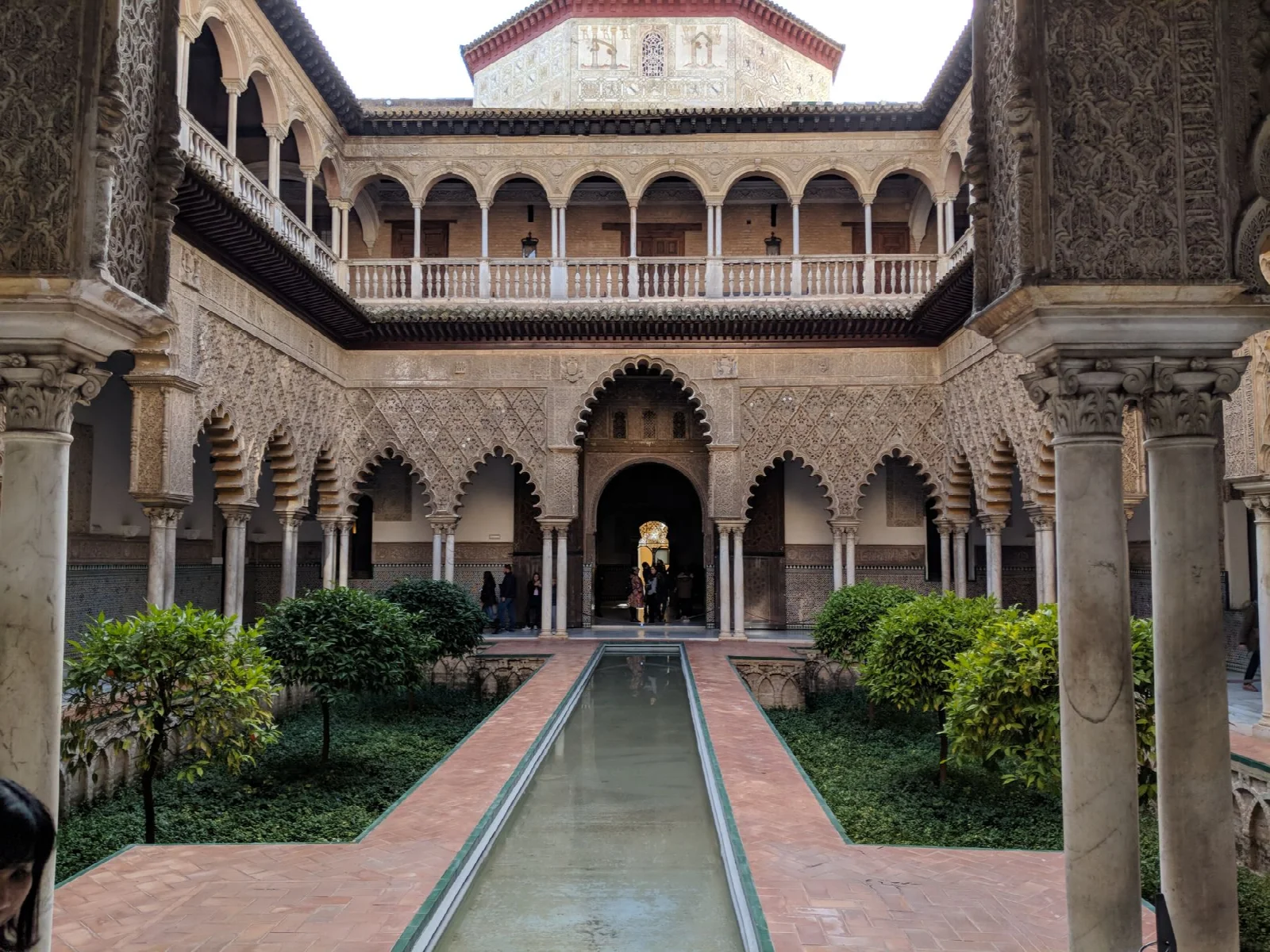
The official planning page lists general admission and Cuarto Real Alto separately. Read the selected product and its admission time carefully. Account for closing arrangements so that the gardens are not reduced to the final few minutes. Begin ticket shopping through the institution's own page to distinguish its visit from similarly named tour packages. Check supporting-document requirements for any concession before purchase.
Cathedral and Giralda: two perspectives in one area
The cathedral's substantial stone volume and the rising Giralda create contrasting views in the same surroundings. Look at their relationship from outside before deciding how much energy to give the interior and tower. Every sightseeing day need not include a climb; details seen from street level can also shape the memory of a place.
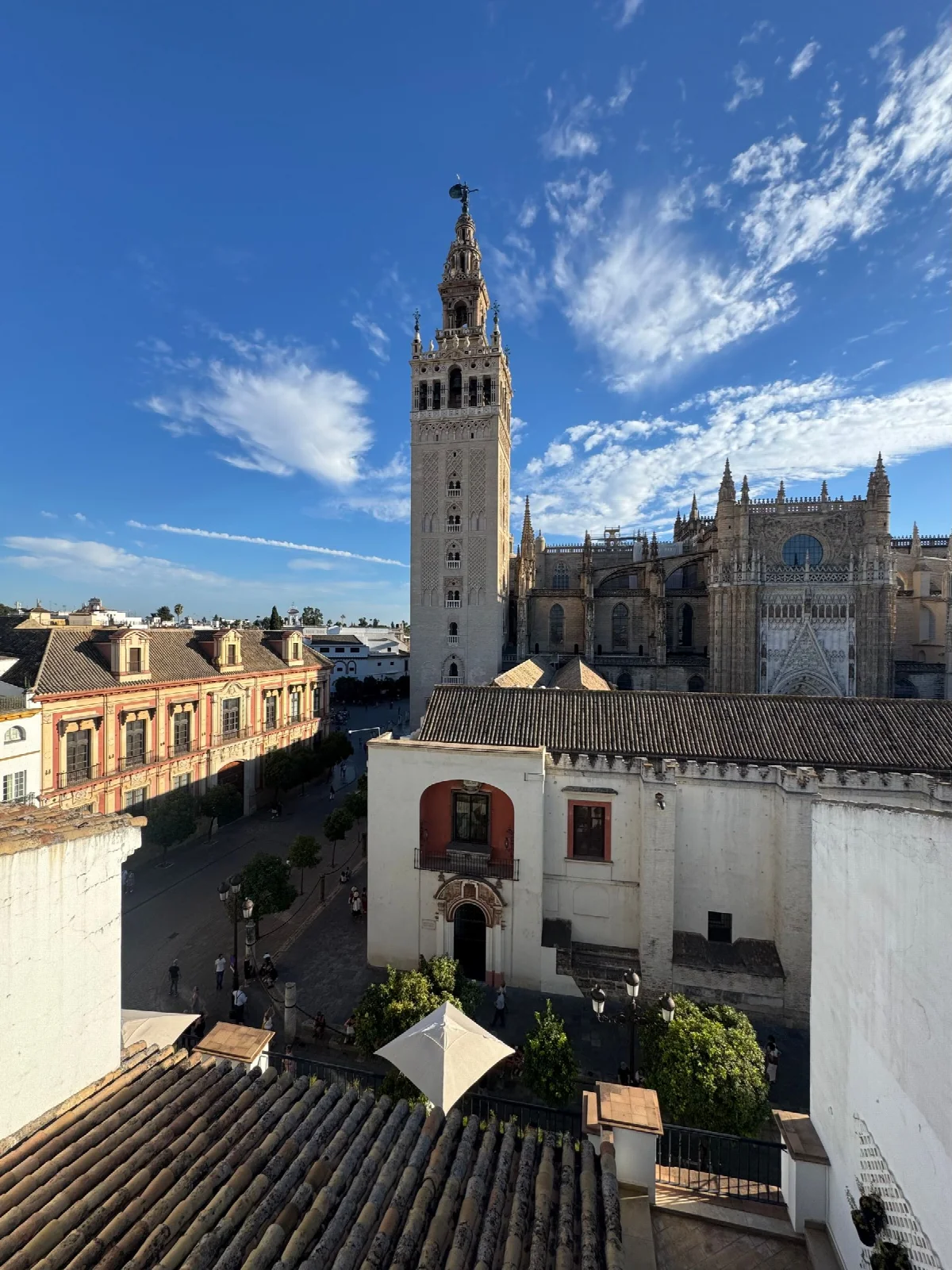
The official general cultural visit combines the cathedral and Giralda and includes admission to El Salvador Church within the stated coverage. The ticket time is the admission time, and worship or cultural events can affect arrangements. Check the current calendar. An Alcázar ticket is different: neighbouring monuments do not automatically form one visit under one reservation.
Santa Cruz: leave room for wandering
After the principal monuments, Santa Cruz can provide a less structured walk. Connect a few small squares instead of drawing an ambitious loop around the map. Shade, doorways and narrow passages opening into brighter spaces create varied perspectives. You do not need to memorise an explanation for every street to enjoy noticing those changes.
Do not expect every turning away from a busy route to be permanently quiet. This remains part of a lived-in city. Leave doorways clear rather than occupying them as photographic scenery. If having lunch here, read the menu and service arrangements before settling in so that the next part of the day can remain relaxed.
Plaza de España and María Luisa Park
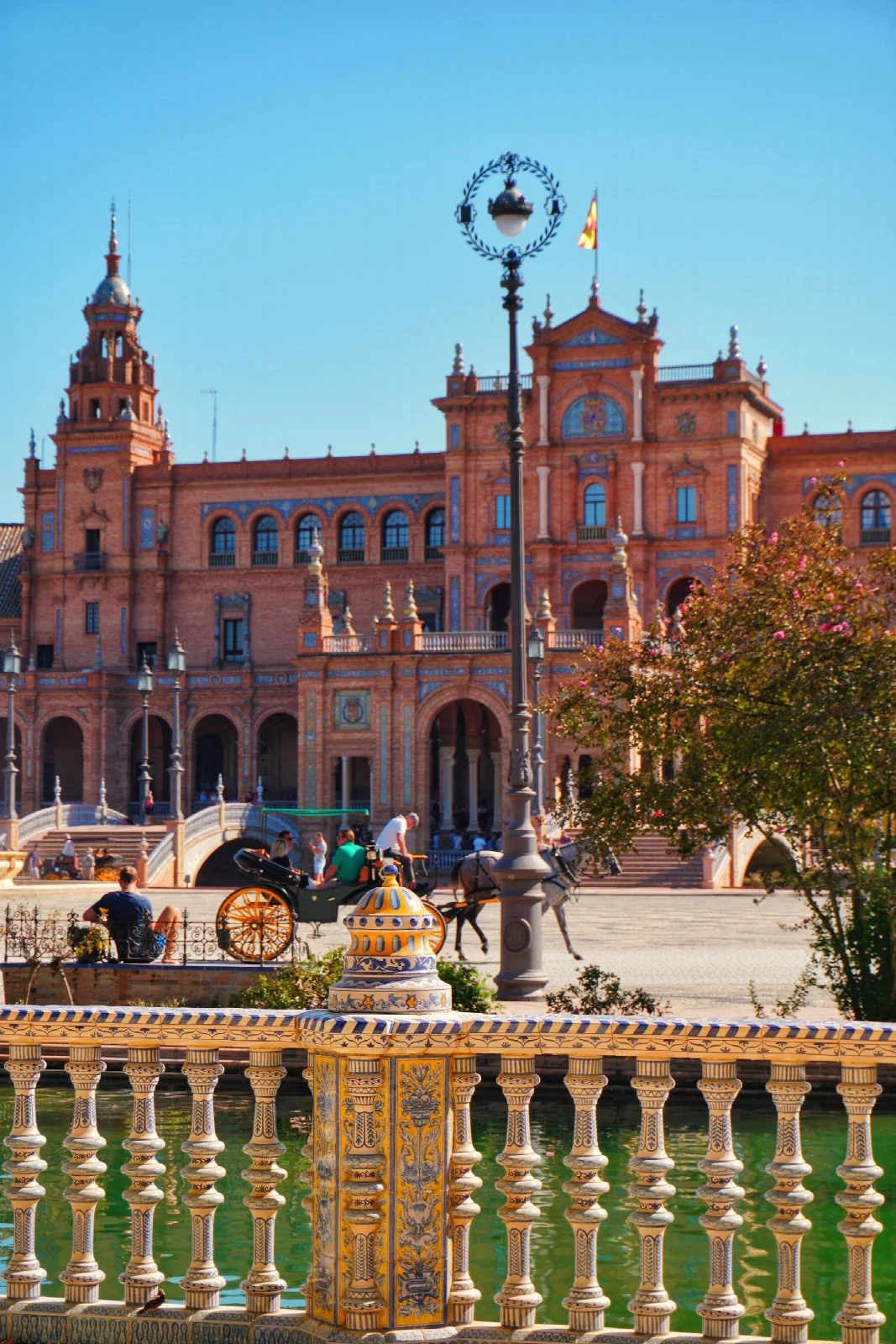
At Plaza de España, the scale of the square and its ceramic details both deserve attention. The cover shows one part of this architectural setting. Begin with the broad view before approaching bridges and decoration. Following the curve of the square can reveal more than staying at one predetermined photo position.
The official city guide describes the ensemble designed by Aníbal González for the 1929 Ibero-American Exhibition. Connecting it with neighbouring María Luisa Park turns the outing into more than a brief photograph stop. Allow for shade and water breaks during an extended outdoor visit, and follow any current event or temporary access arrangements on site.
Triana: cross to the other bank
Crossing the Guadalquivir changes both the view and the rhythm of the walk. Looking towards the centre from Triana and looking towards Triana from the centre create different city pictures. Bridge lines, waterfront facades and moving water can enrich a composition. Daylight also rewards attention; every photograph need not depend on sunset.
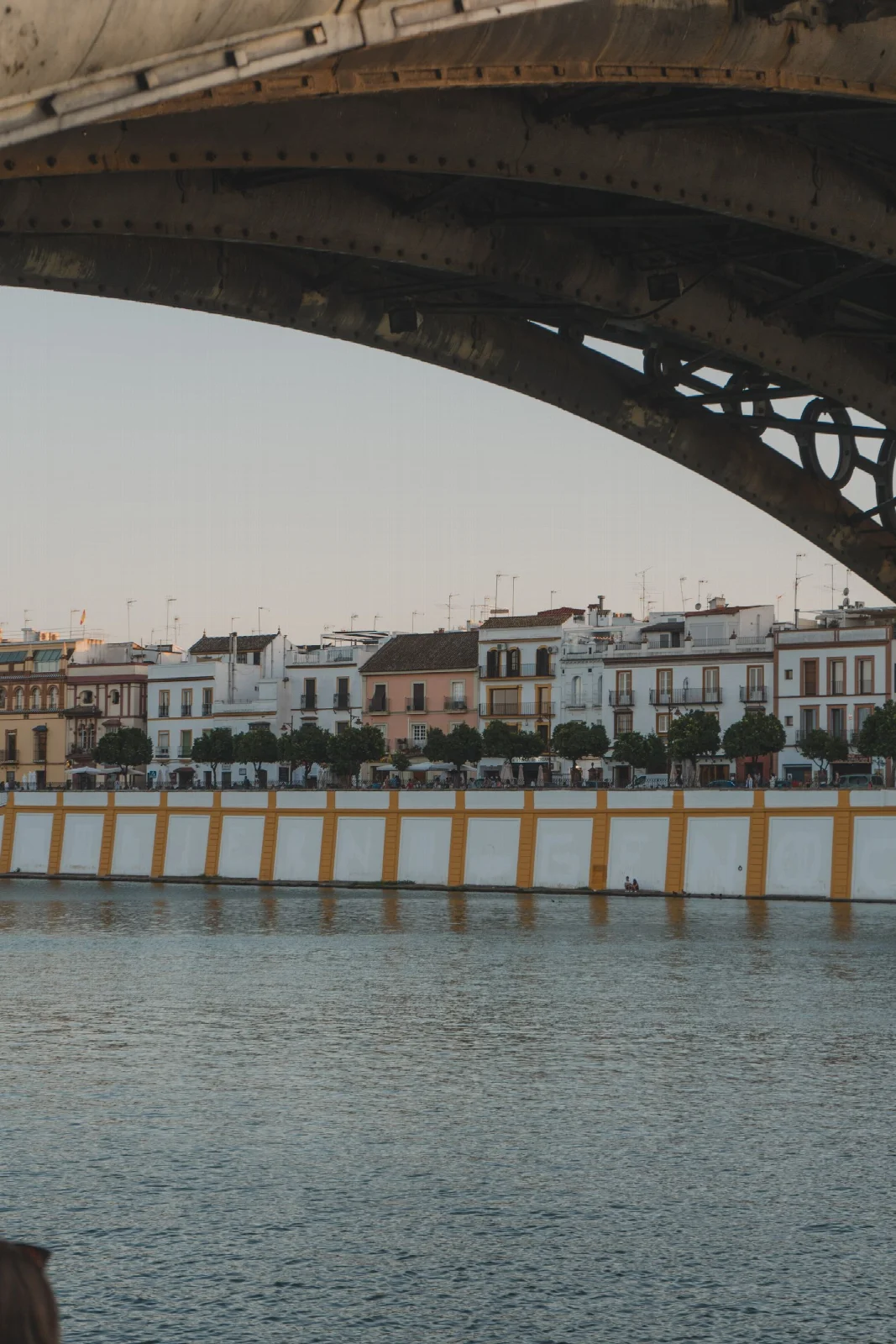
The market near Plaza del Altozano can introduce the district through food and everyday shopping. The official tourism information identifies that location, but check the current arrangements of stalls and dining areas separately. The market is not the whole neighbourhood. Leave time for the waterfront and surrounding streets as well.
Setas: a different silhouette above the historic centre
Setas de Sevilla introduces a curved contemporary structure among the older city surfaces. Looking up from below and looking out from the elevated viewing area are distinct experiences. Observe its relationship with the street, then decide about going up according to the light, budget and time available.
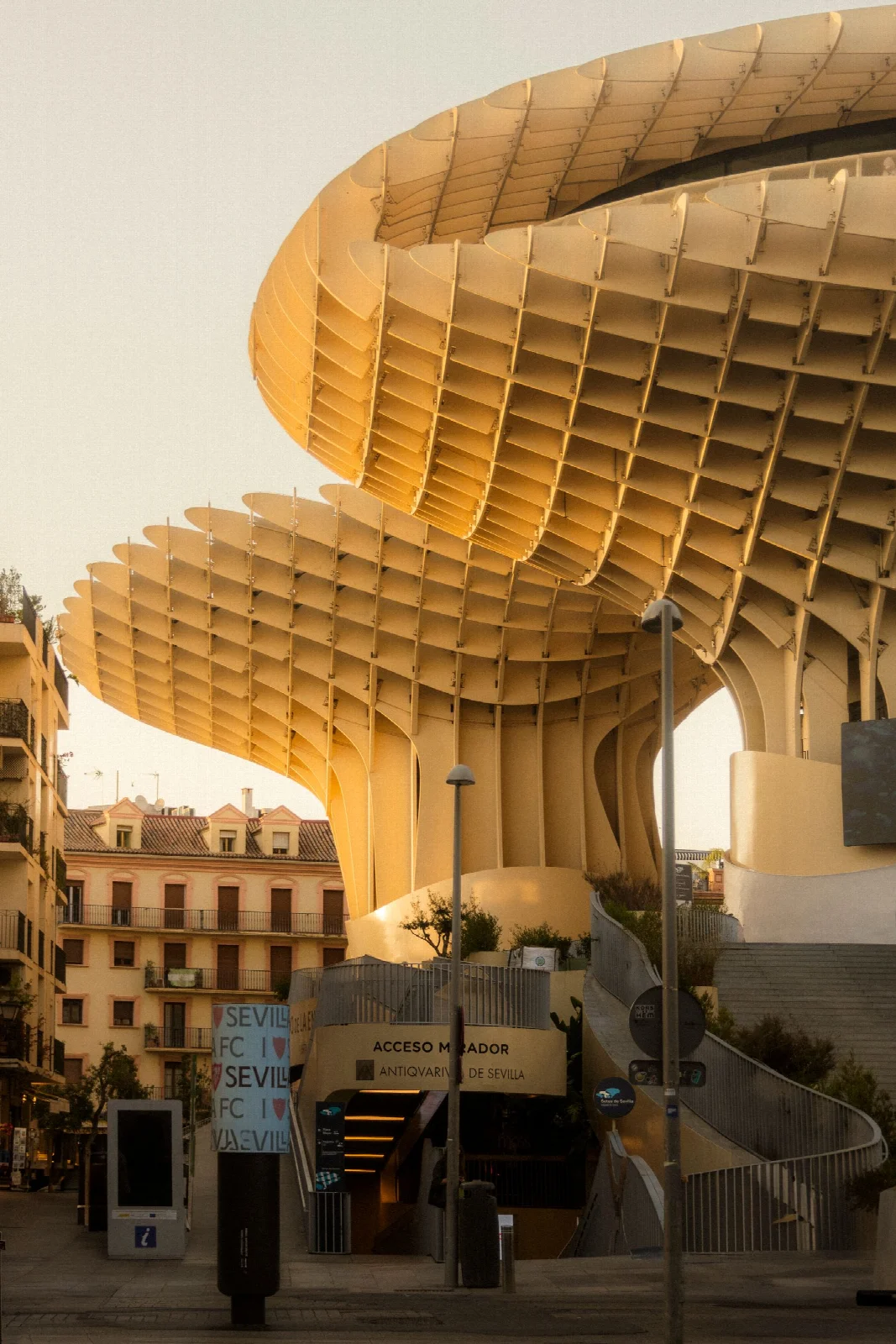
The operator's official visit page offers products involving the viewing area, a film and a light experience, with separate options adding flamenco. Read the contents of the actual product rather than transferring the inclusions of one to another. For a particular show, check dates and sessions. Enjoying the architecture does not require purchasing every available experience.
Choosing a flamenco evening
If a flamenco performance interests you, plan it deliberately rather than adding it automatically after an exhausting day. Consult the venue's official programme for duration, place and start time. Dinner-inclusive products and performance-only tickets can offer different evenings. With a combined package, establish which venue hosts each part.
Give the performance attention beyond the possibility of taking a photograph or short video. Follow the room's recording and quiet rules. A light meal before or a relaxed table afterwards can work better than a tightly scheduled sequence of bookings. Do not assume every performance in the city follows the same format or suits the same expectations.
A few small discoveries at the table
The city's official gastronomy information highlights dishes such as espinacas con garbanzos, spinach with chickpeas. Small plates can help you discover flavours, but begin by asking about portion sizes. Sharing a few choices suited to the group may be more enjoyable than ordering a long list immediately.
The word tapas alone does not establish free service or a standard portion. Read drink, dish and table-service conditions together. For allergies or dietary preferences, ask about ingredients explicitly. This guide offers a starting vocabulary for choosing food rather than a promise about the current kitchen of a particular establishment.
Arrival and accommodation that support the walk
For rail arrivals, connect the station named on the ticket with the actual accommodation address. Include the journey from Santa Justa to the historic centre as part of the arrival day. From the airport, compare current public-transport and transfer choices with the landing time. A journey duration or fare in an older account is not evidence of today's conditions.
Santa Cruz and the centre can suit proximity to major monuments; El Arenal a position between the river and central areas; and Triana evenings on the opposite bank. Streets and properties differ within each. Luggage access, floors, lifts and night-time noise can all affect a short stay. The lowest displayed rate and the most convenient location need not be the same option.
A two-day Seville itinerary
Give the first day to the Alcázar and cathedral surroundings. If entering both, leave a real gap for food, rest and possible waiting instead of placing their reservations back to back. Keep the Santa Cruz walk flexible around them. With an evening performance planned, leave the later afternoon lighter.
On day two, combine Plaza de España with María Luisa Park, then continue towards the river for a Triana meal and waterfront walk. If adding Setas, consider the return route and the chosen product's timing first. For a single day, select the Alcázar or cathedral, a square and a neighbourhood walk rather than compressing both full itineraries.
Frequently asked questions
Do the Alcázar and cathedral share one admission ticket?
Their institutional admissions are separate. A third party may sell a combined tour, but its scope and appointments need to be read separately. Physical proximity does not make them one visit.
Are two days enough for Seville?
They offer a useful beginning for principal monuments, Plaza de España and Triana. A third day creates more room for a slower pace or additional collections.
How should the route change in hot weather?
Move exposed walks towards cooler hours and allow shade and rest breaks. Use the actual forecast for your dates instead of a fixed seasonal assumption.
Sources and current visitor information
Information checked on 1–2 October 2026. Recheck official admission, works and menu arrangements for your travel date.
- alcazarsevilla.org — prepara la visita
- setasdesevilla.com — visita
- visitasevilla.es — las tapas
- visitasevilla.es — tourist information points
- catedraldesevilla.es — schedules and rates
- legacy.visitasevilla.es — la plaza de espana
- legacy.visitasevilla.es — mercado de triana
The Tatilmerkezi Stork is our brand's storytelling character. This guide combines official sources and editorial route suggestions; it is not a personal travel diary.