
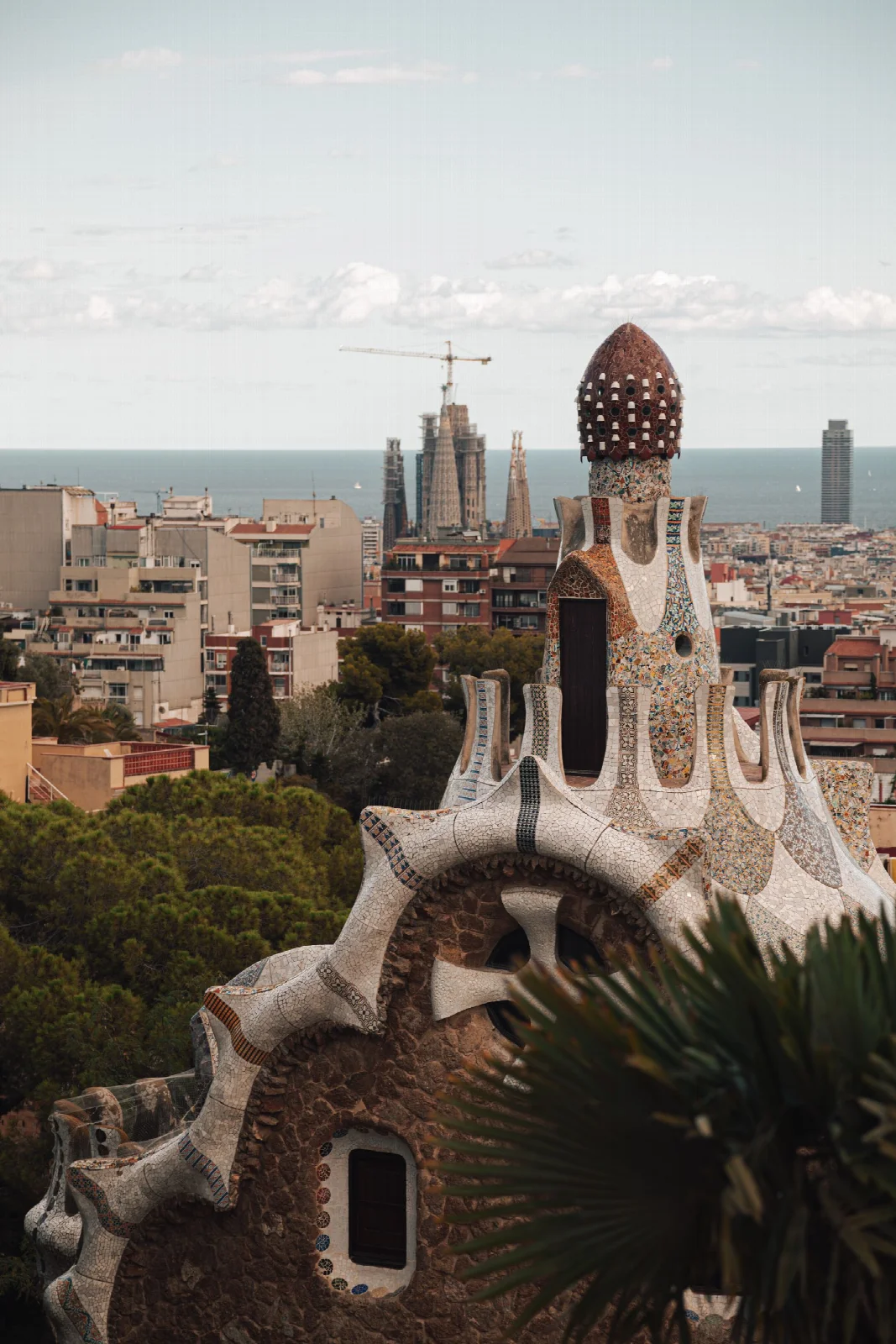
In Barcelona, a good day can begin with the curve of a building and end with a walk towards the sea. The Tatilmerkezi Stork suggests giving each part of the city its own pace. Gaudí's architecture, the Gothic Quarter's narrow passages and the waterfront ask for different kinds of attention. Leave a little room between them and your trip becomes more than a collection of photographs.
The three-day itinerary below is a starting point for a first visit. Each day has one main area and a major stop, with space for food and rest. Book the important timed visits first, then build the walks around them. Adapt the balance to your interests: architecture enthusiasts might spend longer inside a building, while travellers drawn to the sea can reduce the number of indoor visits.
How long should you spend in Barcelona?
Three full days make a useful introduction to Sagrada Família, Park Güell, Passeig de Gràcia and the old town. That does not include every possible trip outside the city. Account separately for your flight arrival, luggage and hotel check-in. A simple neighbourhood walk on the first evening may leave you better prepared for the next morning than a hurried attraction booking.
With two days, choose two major ticketed experiences and use the remaining time for outdoor exploration. A fourth day creates room to revisit a favourite area or spend longer by the coast. Families should consider attention spans and rest before placing several extended visits on one day. Finishing every item on a list is not the measure of a successful holiday.
Sagrada Família: explore light and architecture
If you are planning only to see Sagrada Família from outside, take a moment to consider whether the interior interests you. The official basic ticket describes basilica access, the museum and an app-based audio guide; do not assume that towers and the crypt belong to the same product. Read the selected ticket's inclusions before paying so the experience matches your expectations.
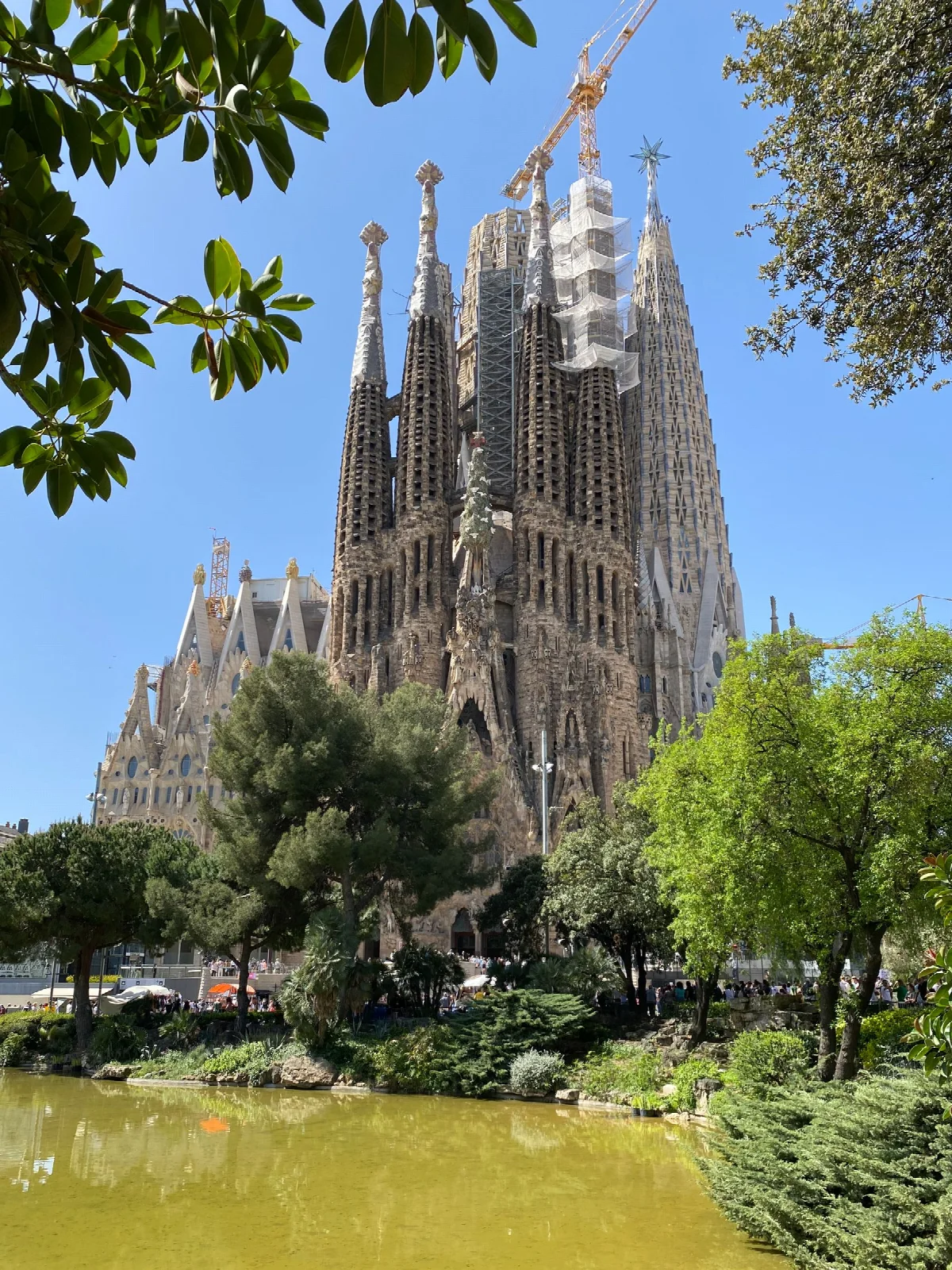
Tickets are personal, and official conditions require photo identification and attention to the assigned entrance time. Bring a charged phone and headphones if you intend to use the audio guide. Events can affect visiting hours, so check your own date. Leave space for worshippers and other visitors when taking photographs. The exterior façades and the light inside deserve separate attention rather than one hurried circuit.
Park Güell: explore beyond the postcard
It is easy to reduce Park Güell to one familiar mosaic photograph. The pleasure of visiting also lies in moving between paths, vegetation and architectural details. Use the official planning page to check admission, capacity and the entrance you will approach. A route ending at the park boundary may not finish at the gate that suits your ticket or access needs.
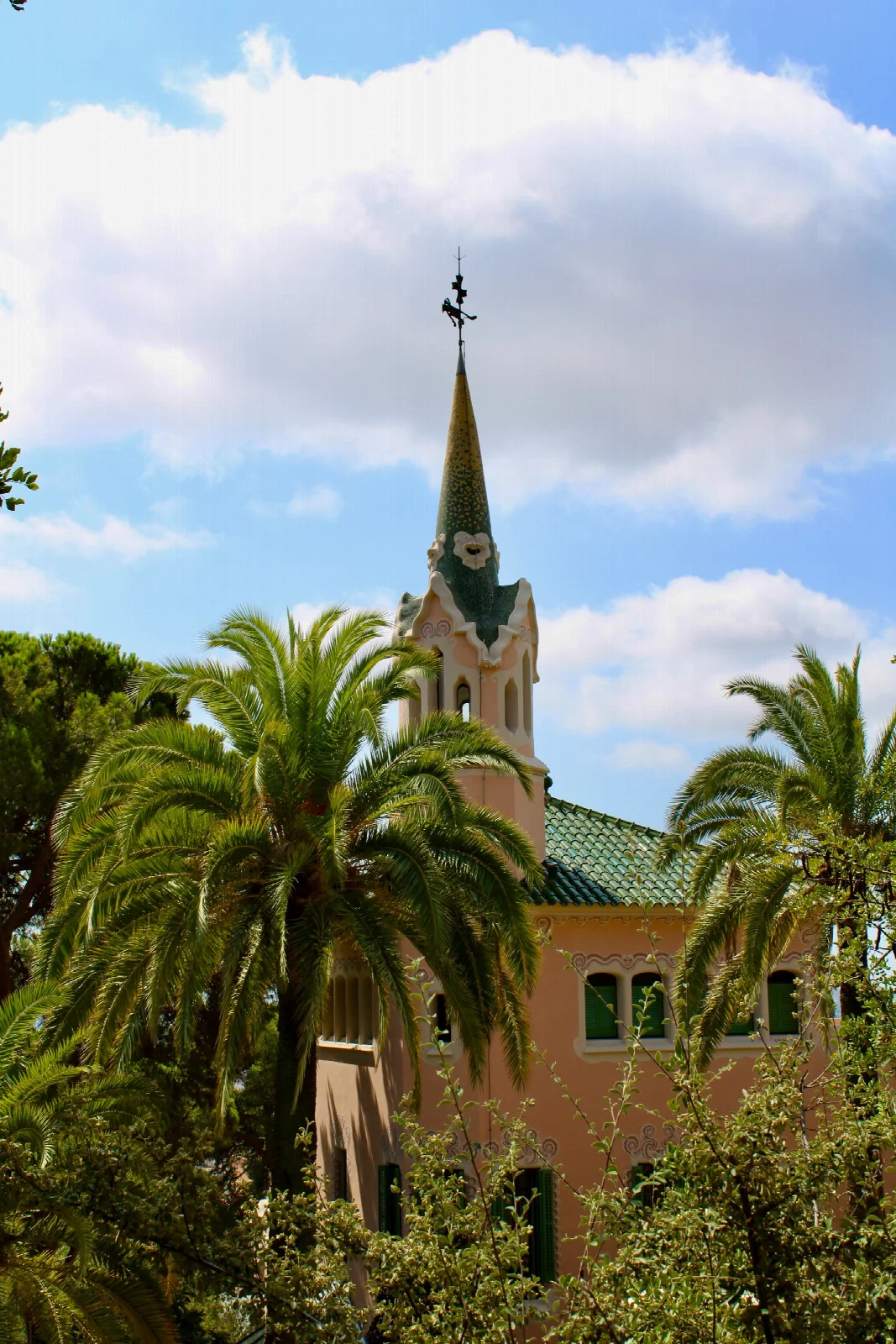
Consider sunshine, rain and water when planning the outing. Choose several different frames instead of competing for a single composition: a broad view, a close detail and a building seen through greenery. The photographs here show different scenes, but their light and crowd levels are not promises for your travel date. Follow the park with a meal break rather than an immediate appointment across the city.
Casa Milà and Passeig de Gràcia
Casa Milà, also known as La Pedrera, makes a distinctive architectural stop on Passeig de Gràcia. Its official history dates construction to 1906–1912. Looking at the curved exterior and entering for a visit are different choices. Admiring the façade from the street is worthwhile; if you want to go inside, compare the contents and timing of the available ticket types.
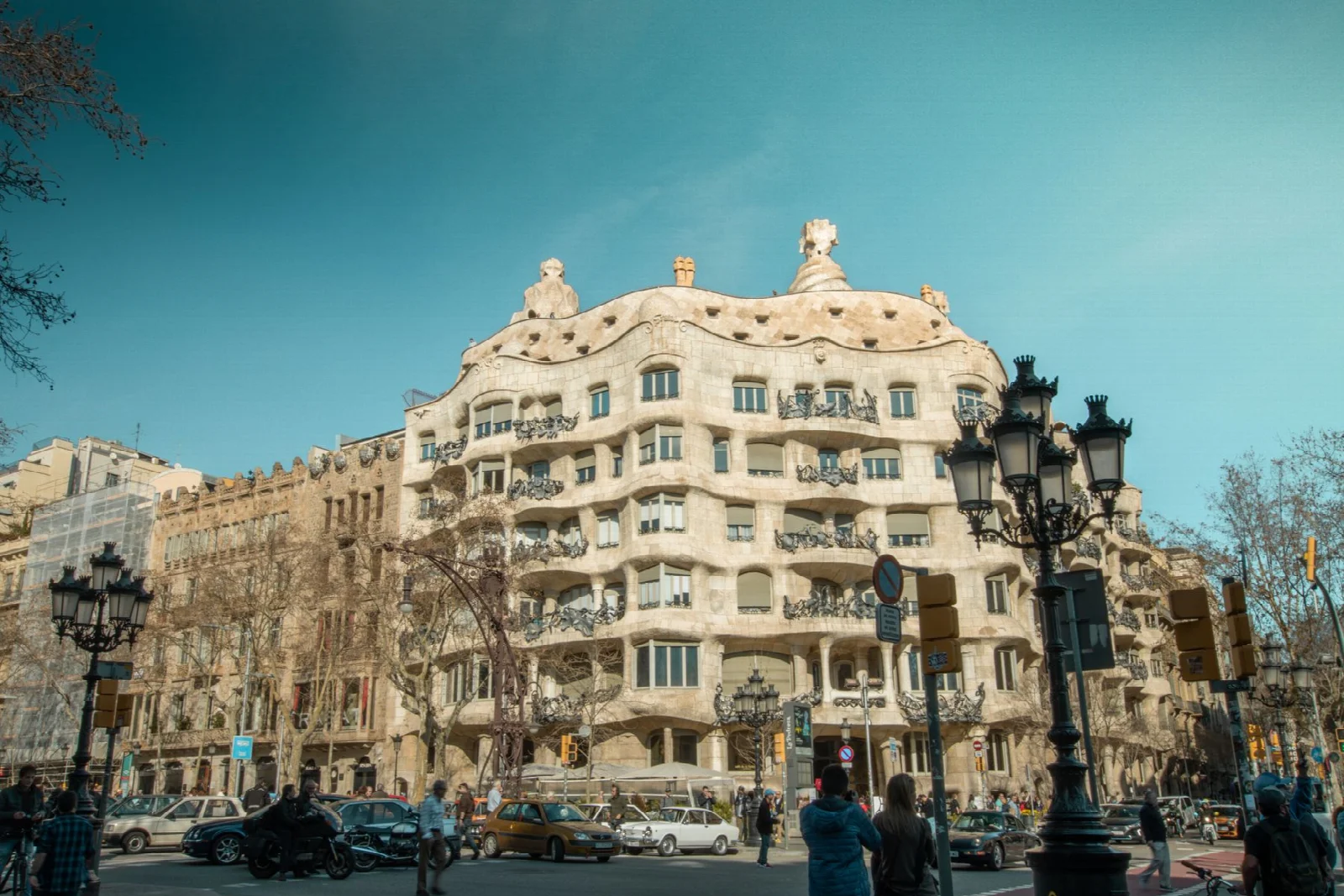
Treat the avenue as a walk through building details as well as shops. A view from the opposite pavement can reveal elements you miss from directly below, but use crossings and remain aware of traffic. A café break also gives you time to decide how much more you want to see. If Casa Milà and Sagrada Família share a day, leave a proper meal and rest interval between them.
Gothic Quarter: slow down between the squares
The Gothic Quarter becomes especially enjoyable when a narrow passage opens into a square. The cathedral area, Plaça Sant Jaume and Plaça del Rei introduce different layers of the centre. Official city tourism information discusses Roman and medieval heritage together. Read individual building descriptions rather than assuming that everything you see belongs to the same period.
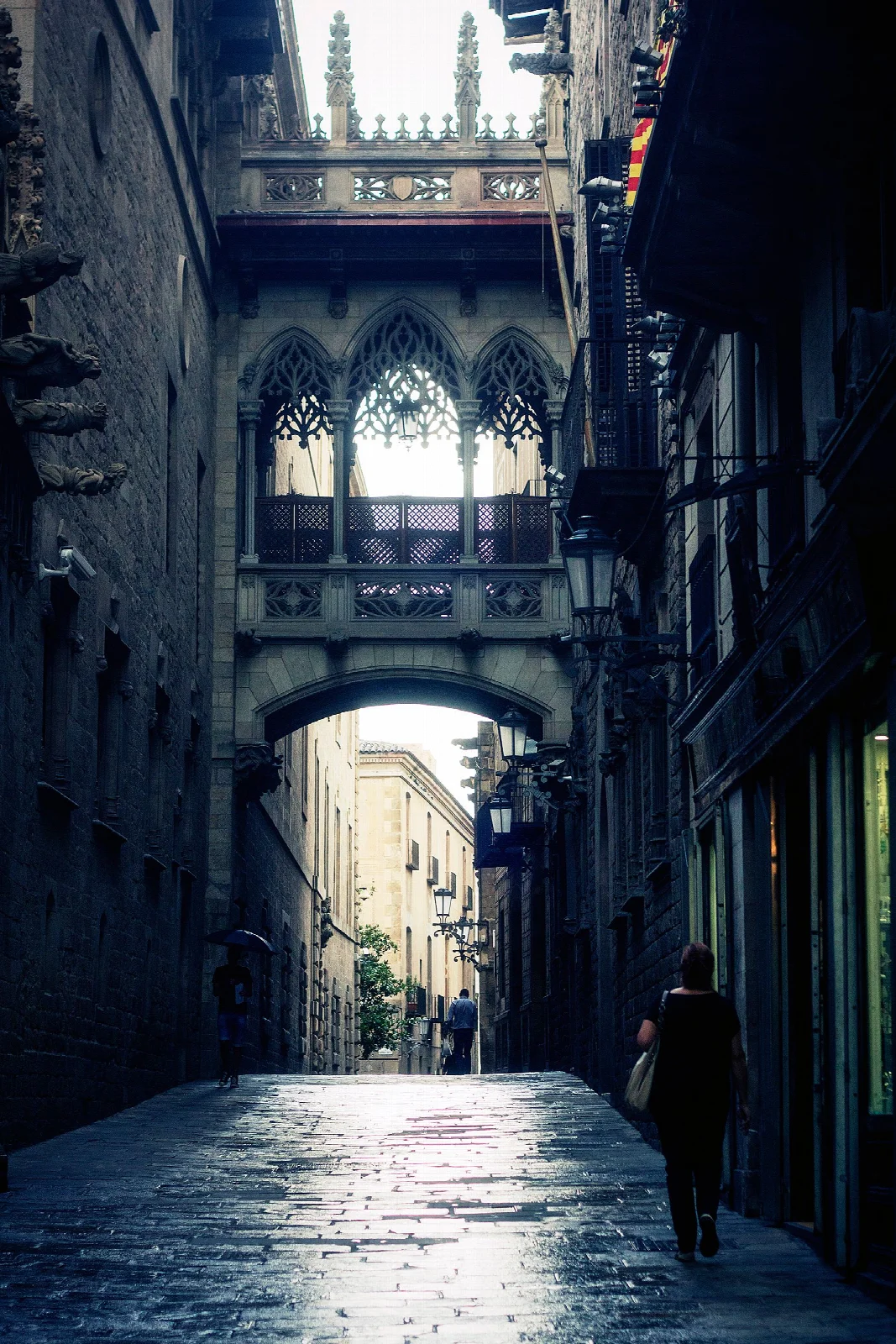
Sketching a small loop helps avoid repeatedly following the same streets without intending to. Then put the map away for a while and look at doors, windows and the changing light. Keep narrow passages clear while taking photographs. Stay aware of your belongings when sitting in a busy square. When you feel tired, finish the walk instead of searching for another large attraction simply because you are already in the centre.
A three-day Barcelona itinerary
On day one, make Sagrada Família the main appointment and continue towards Passeig de Gràcia. If an interior visit to Casa Milà matters to you, that can be the second substantial stop. Otherwise, the façade walk and a food break are enough. Avoid adding a third major reservation just to fill the evening. Choose dinner somewhere that also makes the journey back to your accommodation straightforward.
Use day two for Park Güell, arranging the rest of the day around your ticket time. Leave the other half for neighbourhood exploration. On day three, walk through the Gothic Quarter and towards the waterfront. A coastal outing need not become a swimming day; the view and the walk can be rewarding even when conditions discourage going into the water. Change the order to suit bookings and weather.
Airport transport and choosing a ticket
Read the airport conditions when comparing Barcelona transport tickets. TMB states that T-casual is not valid at Airport T1 and Airport T2 metro stations on L9 Sud. Other transport products can offer different coverage. Being valid within the city does not mean a ticket covers every airport connection.
Start with your arrival terminal and accommodation address, then choose the ticket for that actual route. Compare personal-use rules, validity period and transfer conditions as well as the number of journeys. If stairs are difficult with luggage, examine accessible station exits. For your return flight, check current services and allow time for the entire journey from hotel to terminal. Time on the vehicle alone is not the full travel time.
Choosing a place to stay
Eixample and the Passeig de Gràcia area can suit a programme focused on architecture, while an old-town base may fit a trip centred on street walks. If staying near the sea appeals to you, include the daytime journeys to your other sights in the comparison. There is no single best neighbourhood for everyone. The property's precise location, room noise and useful connections matter more than a district label.
Before booking, check arrival instructions, late check-in, lifts and luggage arrangements. Two addresses that look close on a map can involve a slope or a lengthy station approach. On a short holiday, staying near the services you will actually use can improve the daily rhythm. Confirm that any balcony shown in general hotel photographs belongs to your booked room category.
Food breaks and managing spending
Choosing where to eat is part of choosing a route. Even with dishes that appear suitable for sharing, consider portion sizes and the appetite of your group before ordering several plates. Ask about an unfamiliar ingredient rather than choosing only from a photograph. With children, keep a simple alternative in mind for moments when a long restaurant wait would disrupt the day.
Budget separately for architecture visits, transport and food. Selecting one main paid experience each day makes spending easier to understand. Prices and menus vary by establishment, so this guide does not promise a fixed cheap meal. You can choose a longer evening dinner and a simpler lunch on another day. A waterfront pause with no admission ticket also has a place in a memorable itinerary.
A separate day for the Dalí museum
The Dalí Theatre-Museum is in Figueres. Do not treat it as a central Barcelona attraction or a stop within Girona city. Check the museum's own admission arrangements and the transport operator's return connections. Include the final journey from the station to the museum and the wait before travelling back.
If you have only three days, decide what this excursion would replace. Spending a day on Dalí makes sense when his work is a major interest; adding the journey merely because the name appears on a list may make the holiday unnecessarily demanding. Avoid combining several outside destinations into the same day. The Stork's compass is simple here: stay longer where your curiosity is strongest.
Frequently asked questions
Can Sagrada Família and Park Güell fit on one day?
Yes, if transport and admission times work together. Leave room for travelling and eating. Separate days may be more comfortable in heat or for a slower pace.
Does T-casual cover the airport metro stations?
TMB excludes Airport T1 and Airport T2 on L9 Sud. Check the coverage of the ticket against your actual route before buying.
Do first-time visitors need a rental car?
The central itinerary in this guide does not require one. Combine walking and public transport according to your access needs and plan any outside excursion separately.
Sources and current visitor information
Information checked on 1–2 October 2026. Recheck official admission, works and menu arrangements for your travel date.
- bid.barcelonaturisme.com — gothic quarter.html
- parkguell.barcelona — planifica la teva visita
- sagradafamilia.org — faqs
- sagradafamilia.org — sagrada familia ticket
- lapedrera.com — casa mila
- salvador-dali.org — dali theatre museum
- tmb.cat — barcelona fares metro bus
The Tatilmerkezi Stork is our brand's storytelling character. This guide combines official sources and editorial route suggestions; it is not a personal travel diary.