
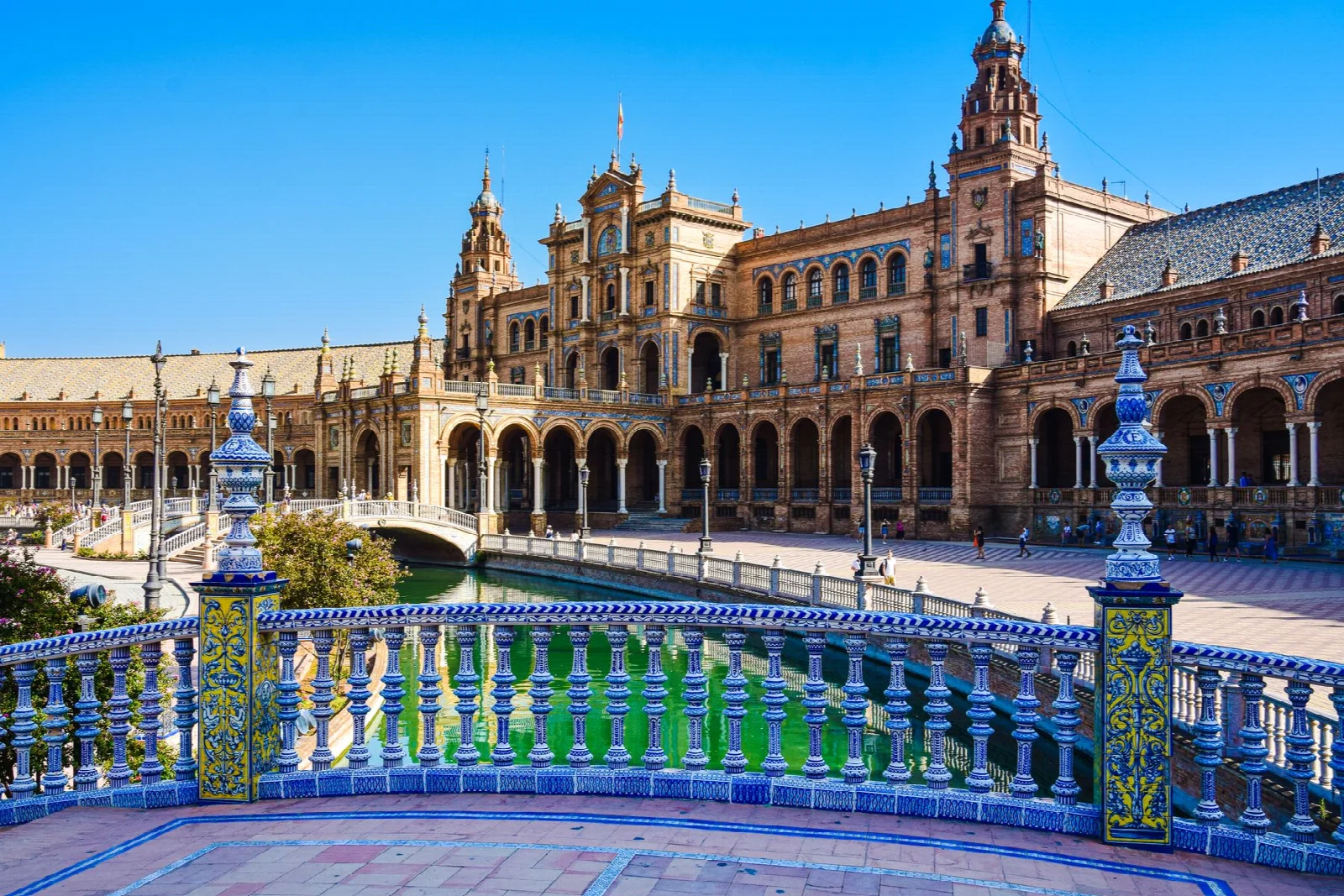
Spain can stay in the memory as conversation in a square, water moving through a courtyard or a lunch that stretches towards the sea. The Tatilmerkezi Stork invites you to choose among those experiences rather than draw one hurried line across the whole map. Madrid's art, Barcelona's architecture, Valencia's relationship with water and Andalusia's courtyards all deserve curiosity. They do not all need to fit into the same week.
Choose a region before collecting cities
A main interest can make a first itinerary easier to build. Madrid and Barcelona suit art and urban life; Seville and Granada offer a route around Andalusian palaces and historic streets; Valencia can bring a city break closer to the Mediterranean coast. These are different answers to different holiday expectations, not competing claims to the single best route.
Do not treat the country as a small area that can be crossed casually between appointments. A mainland train connection and an island journey require different preparation. If your flight arrives in the afternoon, count the remaining hours honestly. A gentle first-evening walk can create a better beginning than a major reservation immediately after arrival.
Madrid: art and a gateway to inland Spain
Madrid combines substantial collections with squares and neighbourhood life. The Prado area and the historic centre around Plaza Mayor and the Royal Palace can be demanding if treated as quick consecutive stops. Staying several nights allows one day to concentrate on a collection and another on the streets themselves.
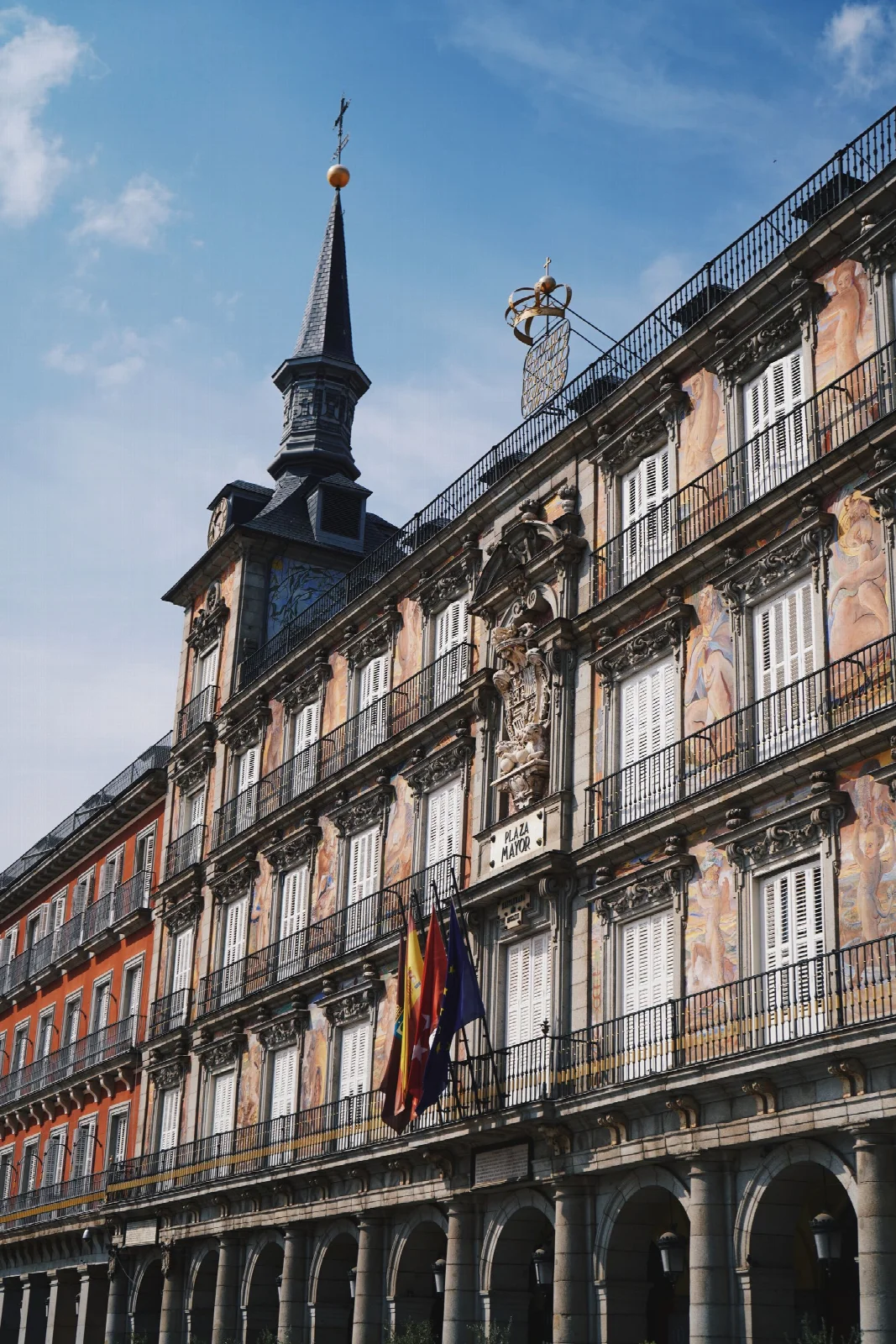
If using Madrid as a starting point for another city, read the departure station carefully. Being in the correct city does not mean every train leaves from the same place. Before adding Toledo or another excursion, decide how much time you want in Madrid itself. The capital can be a destination rather than simply the place where you wait for your next connection.
Barcelona and Catalonia: follow the architecture
A building facade can change the direction of a Barcelona day. Interest in the Sagrada Família might be balanced on another day by an old-city walk or a more flexible outing towards the waterfront. Start by selecting the ticketed building that matters most, then connect nearby walks around its appointment.
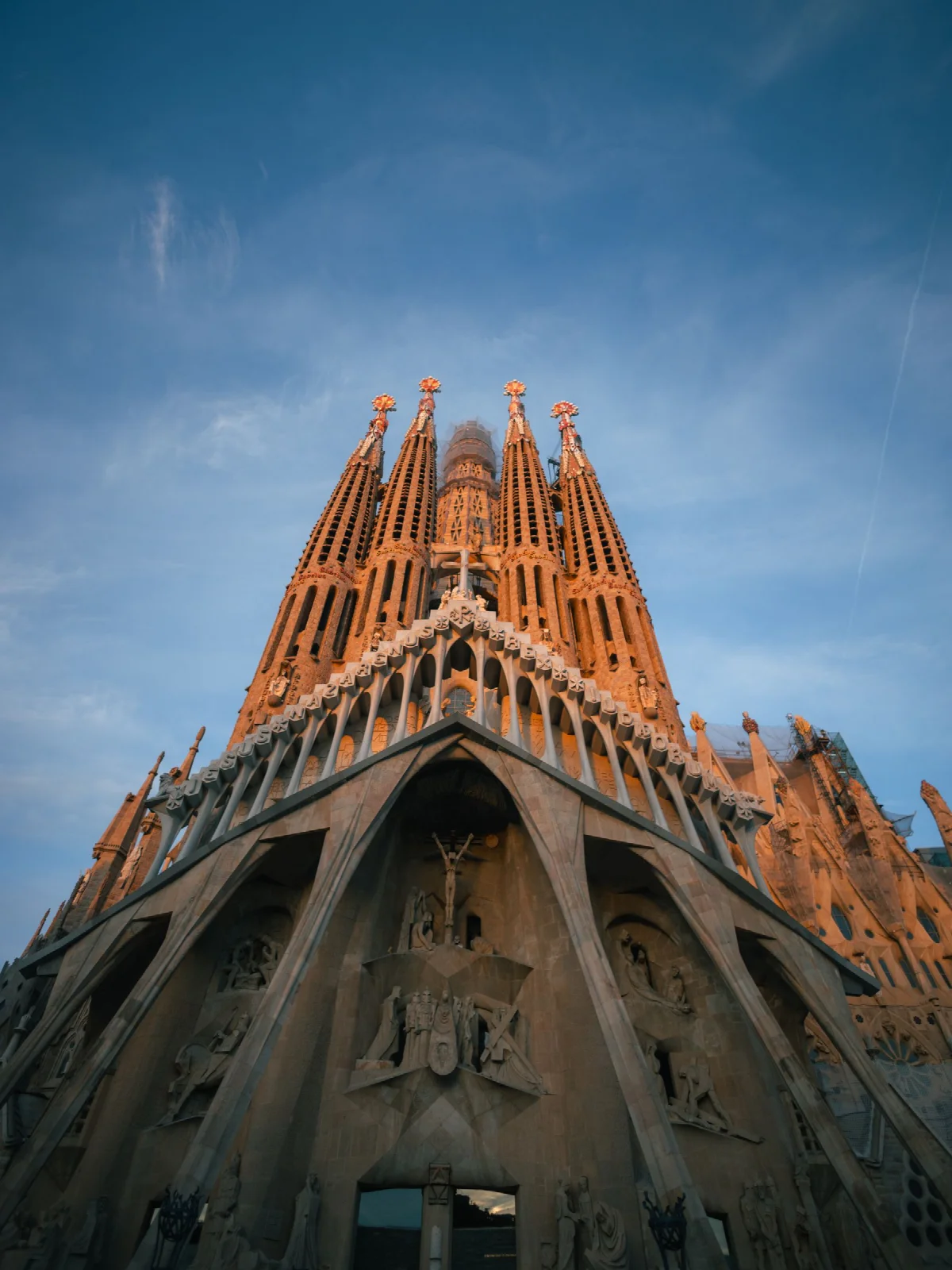
Choose which buildings you actually want to enter rather than listing every architectural name. Looking from outside and taking a substantial indoor visit involve different commitments. For a longer Catalonia stay, plan an excursion separately instead of turning every spare afternoon into a distant trip. The Barcelona guide on this site explores the city-level choices in more detail.
Andalusia: give Seville and Granada their own days
Seville's courtyards, the Giralda skyline and Triana's waterfront form a different city experience from visiting the Alhambra in Granada. Combining them can make a rewarding Andalusian journey, provided the transfer day is counted. Checkout, reaching a station and settling into another city all take time beyond the journey printed on a ticket.
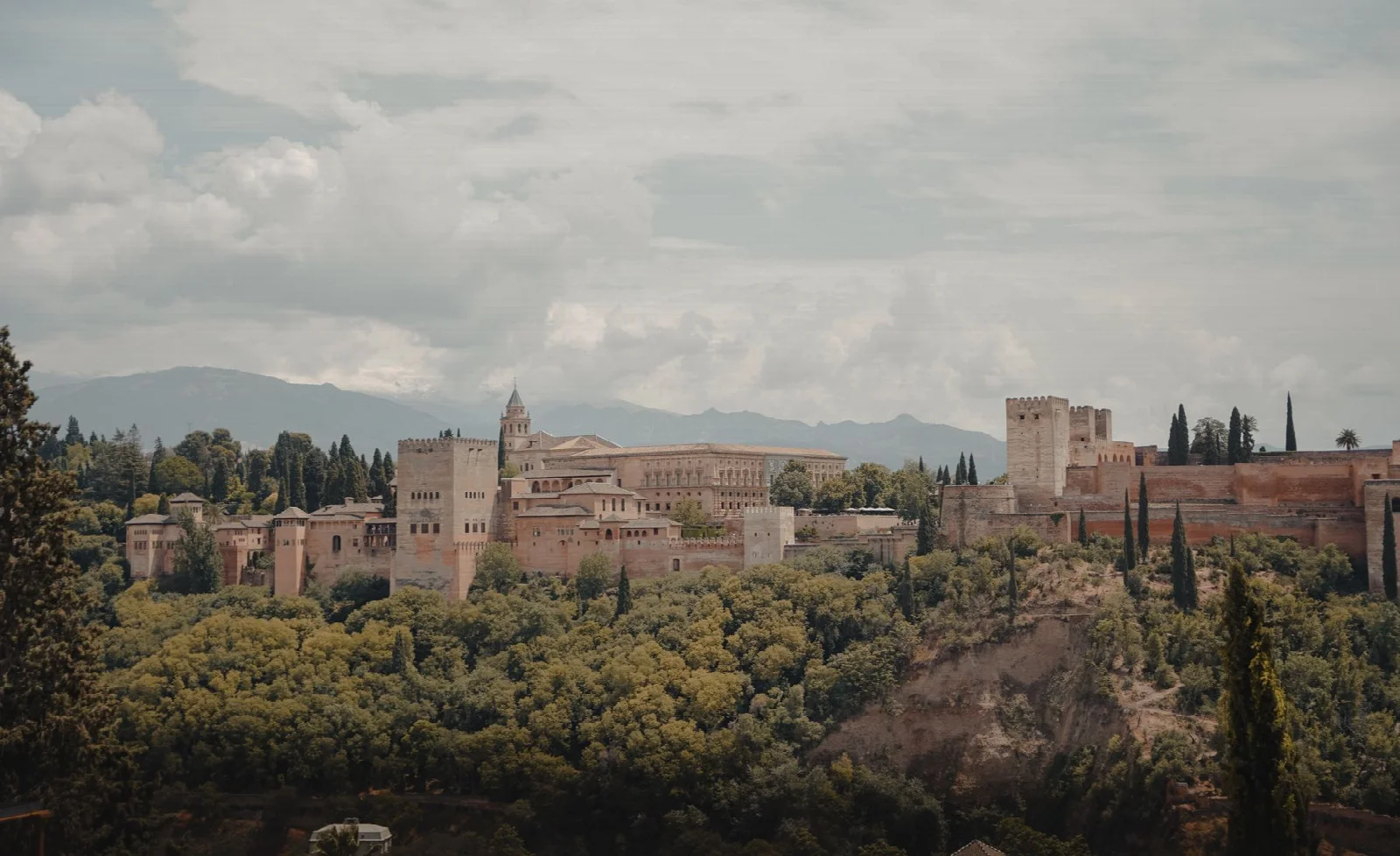
If the Alhambra is a main reason for the trip, investigate admission before fixing the whole itinerary. Its official general-admission information assigns a separate time to the Nasrid Palaces and requires an original identity document at entry. An open complex does not establish that your preferred palace slot is available. In Seville, the Alcázar and cathedral are separate visits as well.
Valencia: the city, water and rice culture
Valencia offers contrasting days around the historic centre, Turia Garden, City of Arts and Sciences and Albufera. A market morning can be followed on another day by modern architecture. Give the lagoon its own outing with transport included instead of trying to fit it between central appointments.
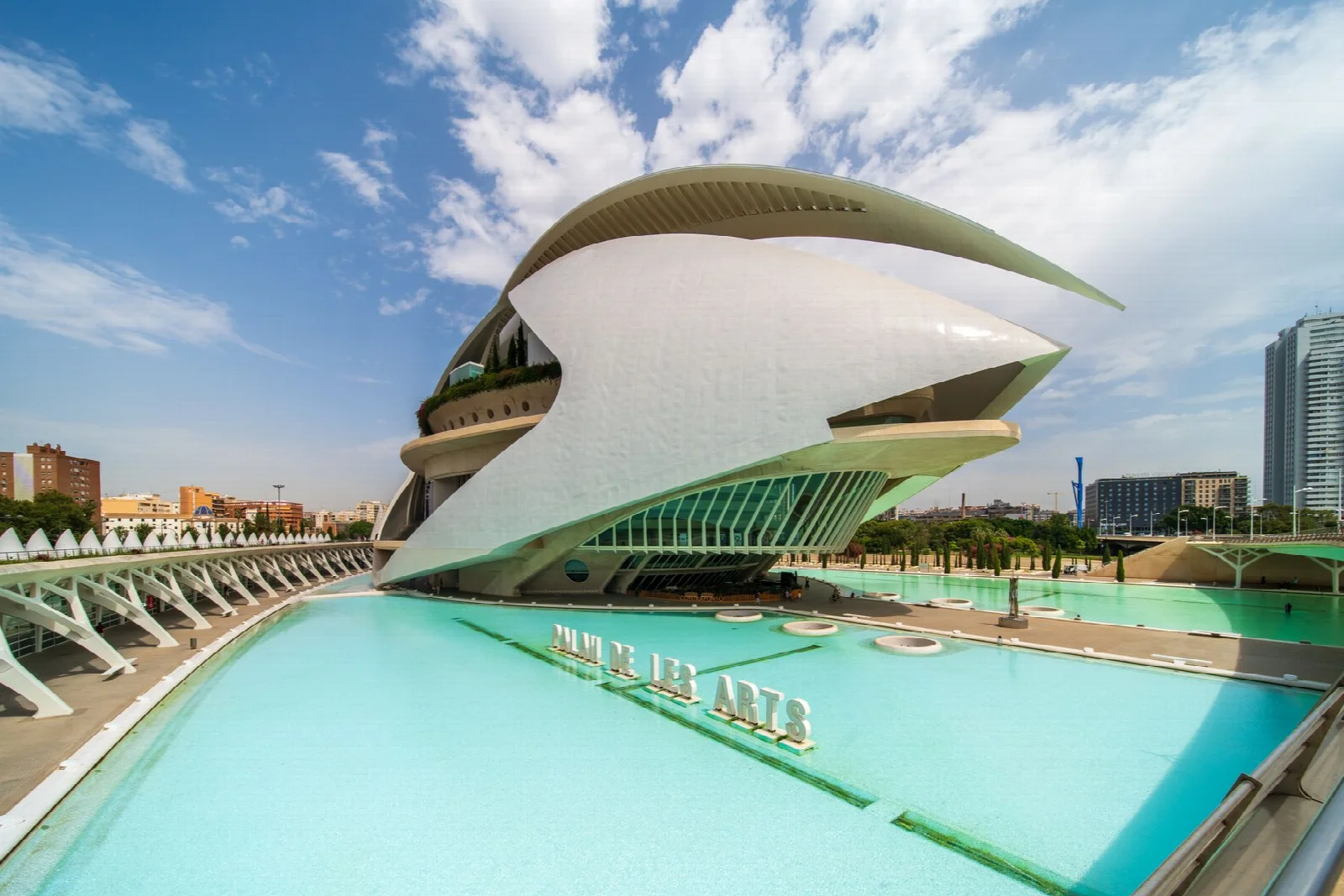
If the coast is a priority, choose accommodation with that in mind. Staying in the old city and staying near the beach create different daily journeys. Decide how you want to balance science attractions, historic streets and waterside time before repeatedly travelling across the city. Leave a proper lunch break for exploring a menu rather than treating every meal as a rushed interruption.
Northern Spain and the islands deserve separate thought
The north and Mediterranean coast should not be approached with identical expectations about landscape and weather. A route through the Basque Country, Asturias or Galicia may place coastal and nature outings alongside urban visits. Compare the regional information on Spain's national tourism portal and choose the direction that interests you. A familiar city name alone is not a reason to add a distant detour.
The Balearic and Canary Islands are not extensions of a mainland rail itinerary. Flights or sea connections, movement between islands and the actual arrival point need their own planning. Enjoying a photograph of one island does not establish that every beach or road there offers the same conditions. Giving an island stay its own coherent plan may work better than attaching it hurriedly to a short city break.
Three different ways to spend a week
For art and urban life, compare Madrid and Barcelona as two accommodation bases. Give each several nights and keep the train day lighter than a full museum day. The purpose is to experience two contrasting cities, not maximise the number of destinations on a list.
For an Andalusian focus, consider Seville and Granada, distributing days around admission availability and real connections. For a gentler Mediterranean break, stay around Valencia and separate historic-centre, coast and lagoon days. Do not combine all three suggestions within the same week. Wanting to return to a region can be a better outcome than ticking every place off a map.
What changes when you have ten days?
Rather than automatically add another city, identify the experience missing from your current plan. Does a two-city trip need a coastal pause, or is there simply too little time for the collections you want? A third accommodation base and a longer stay in the same region are both reasonable answers, depending on the gap.
Look at the complete chain of movement on a transfer day: rail, local transport, luggage and walking. Days requiring several unrelated transport arrangements can become tiring. When choosing the last night before flying home, consider the comfort of the following morning as well as the room price.
Read the conditions beside the train fare
Spain's high-speed rail network links many mainland destinations, but not every route is direct or equally frequent. Check dates and stations in the chosen operator's current system. Change rights, baggage and seating conditions can differ between products. Renfe, for example, describes Avlo baggage arrangements separately from its other services.
Leave time to reach the correct boarding area and complete any checks rather than planning to enter the station at the departure minute. Examine the consequences of a missed connection when buying separate reservations. The conditions of your actual product are more useful than one claimed luggage allowance or fixed price for every operator.
Choose accommodation around the shape of the day
A low room rate far from your evening plans can add journeys and time. During a short stay, being able to walk between your main interests may matter most. On a longer trip, a kitchen, workspace or laundry arrangement can become more important. Think about where each day begins and ends rather than searching for one universally best neighbourhood.
Meal times and service arrangements vary by region, day and business. Do not assume every kitchen opens at the same time or every small plate comes with a drink. Check reservations where relevant and read portions and service items on the menu. Approach the food of the region you are visiting with curiosity instead of reducing Spain to one national dish list.
Seasons, photography and a comfortable pace
Do not use a single temperature expectation for the whole country. Urban walking, a beach stay and mountain outings require different preparation. Check the local forecast before travelling. In hot conditions, moving longer outdoor walks towards cooler hours and resting indoors around midday can help; it is an adaptable planning suggestion, not a guarantee of particular weather.
The photographs in this guide record different places at particular moments. Read current photography rules when entering a courtyard or museum. In public squares, leave space for people to pass while you wait for a composition. Paying attention to the place itself can create a more meaningful memory than reproducing someone else's photograph exactly.
Frequently asked questions
Where should a first Spain trip begin?
Madrid suits art, Barcelona architecture, Seville an Andalusian route and Valencia a city-and-coast combination. Let your interests matter alongside flight availability.
Can all the major cities fit into a week?
Two accommodation bases are a more comfortable starting suggestion. When adding cities, subtract transport and luggage time from the sightseeing hours available.
Do you need a rental car?
Not automatically for a route connecting major cities by train. Assess countryside and particular island plans separately instead of making one decision for the entire holiday.
Sources and current visitor information
Information checked on 1–2 October 2026. Recheck official admission, works and menu arrangements for your travel date.
- tickets.alhambra-patronato.es — alhambra general
- esmadrid.com — landscape light paseo prado and retiro park
- renfe.com — politica de equipajes
- spain.info — destinations
- spain.info — spain by train
- visitvalencia.com — must sees
The Tatilmerkezi Stork is our brand's storytelling character. This guide combines official sources and editorial route suggestions; it is not a personal travel diary.