
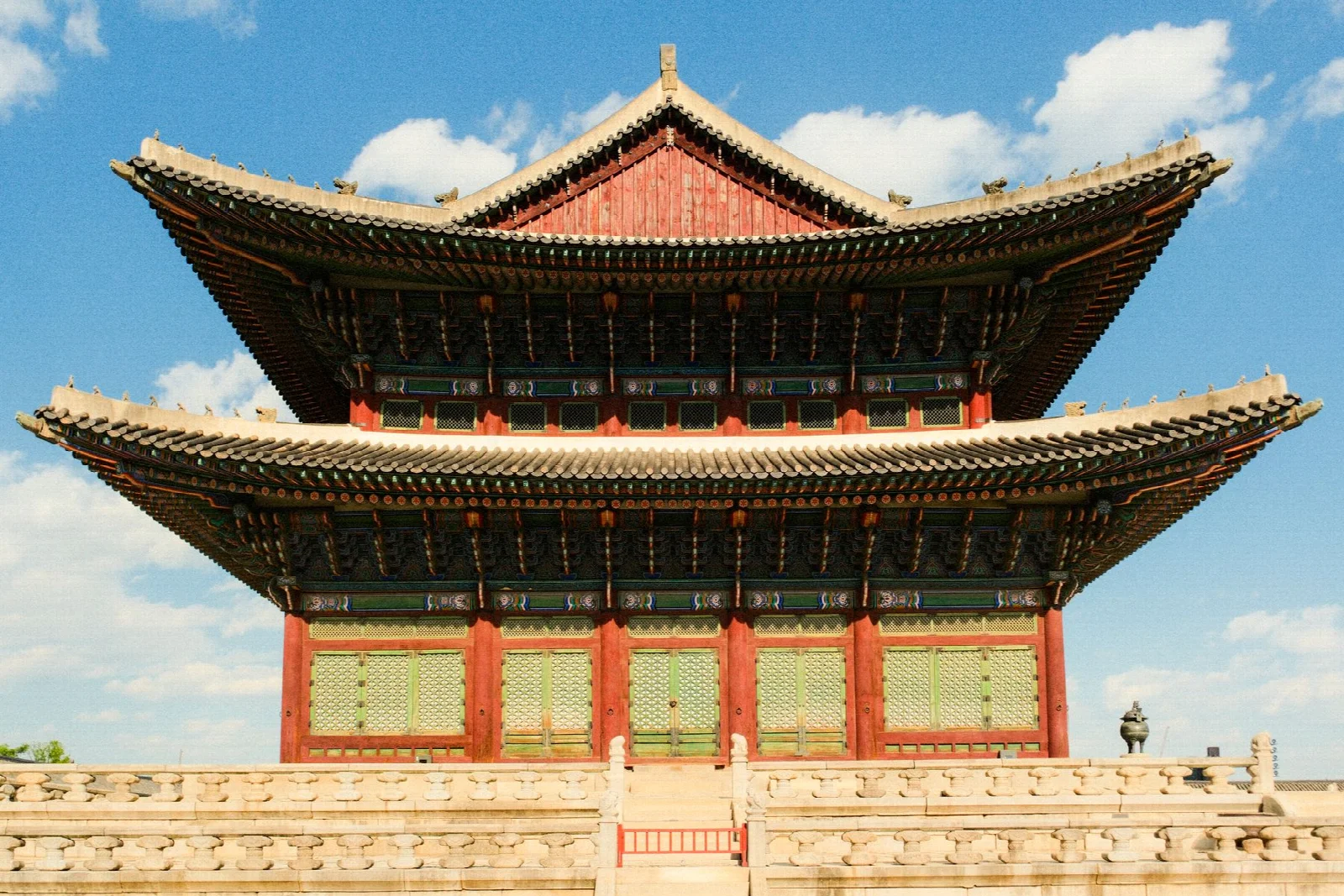
A Seoul day can begin with the painted details of a palace roof and find a different rhythm over a small meal at a market. Hanok lanes, the waterside paths of Cheonggyecheon and contemporary life around Hongdae reveal different sides of the same city. The Tatilmerkezi Stork suggests giving them four full days: the historic centre, a market and stream walk, Hongdae, then a flexible day for whatever captures your curiosity. With two or three days, remove one section instead of shortening every visit. A good route leaves space to look, taste and pause.
Plan Seoul by area
Choose the main stops for your first two days before booking a hotel, then compare stations and transfers. Two properties in the same neighbourhood may involve quite different luggage journeys because they use different station exits. The combinations below are editorial suggestions for structuring a visit.
| Day | Main focus | Key planning decision |
|---|---|---|
| 1 | A palace and Bukchon | Check the palace closing day and neighbourhood visiting restrictions. |
| 2 | Gwangjang and Cheonggyecheon | Give the market and walk separate time blocks. |
| 3 | Hongdae | Choose shopping, cafés or a cultural programme as your priority. |
| 4 | A second visit of your choice | Return to a palace, add an event or keep the day light. |
Palaces: choose the day before arranging the route
Gyeongbokgung and Changdeokgung do not share the same regular closing day. The Royal Palaces and Tombs Center lists Tuesday for Gyeongbokgung and Monday for Changdeokgung, with public-holiday exceptions. Visiting hours and last admission also vary by season. Match your travel date to the official visiting calendar before purchasing tickets.
Gyeongbokgung or Changdeokgung?
Make one your principal first-day visit rather than treating both as compulsory. Choose according to availability, the areas that interest you and the time you can allow. If you want to include Changdeokgung’s garden, examine its separate sessions; do not assume that admission to the palace grounds provides identical access to every area. The other palace can remain an option for the flexible fourth day.
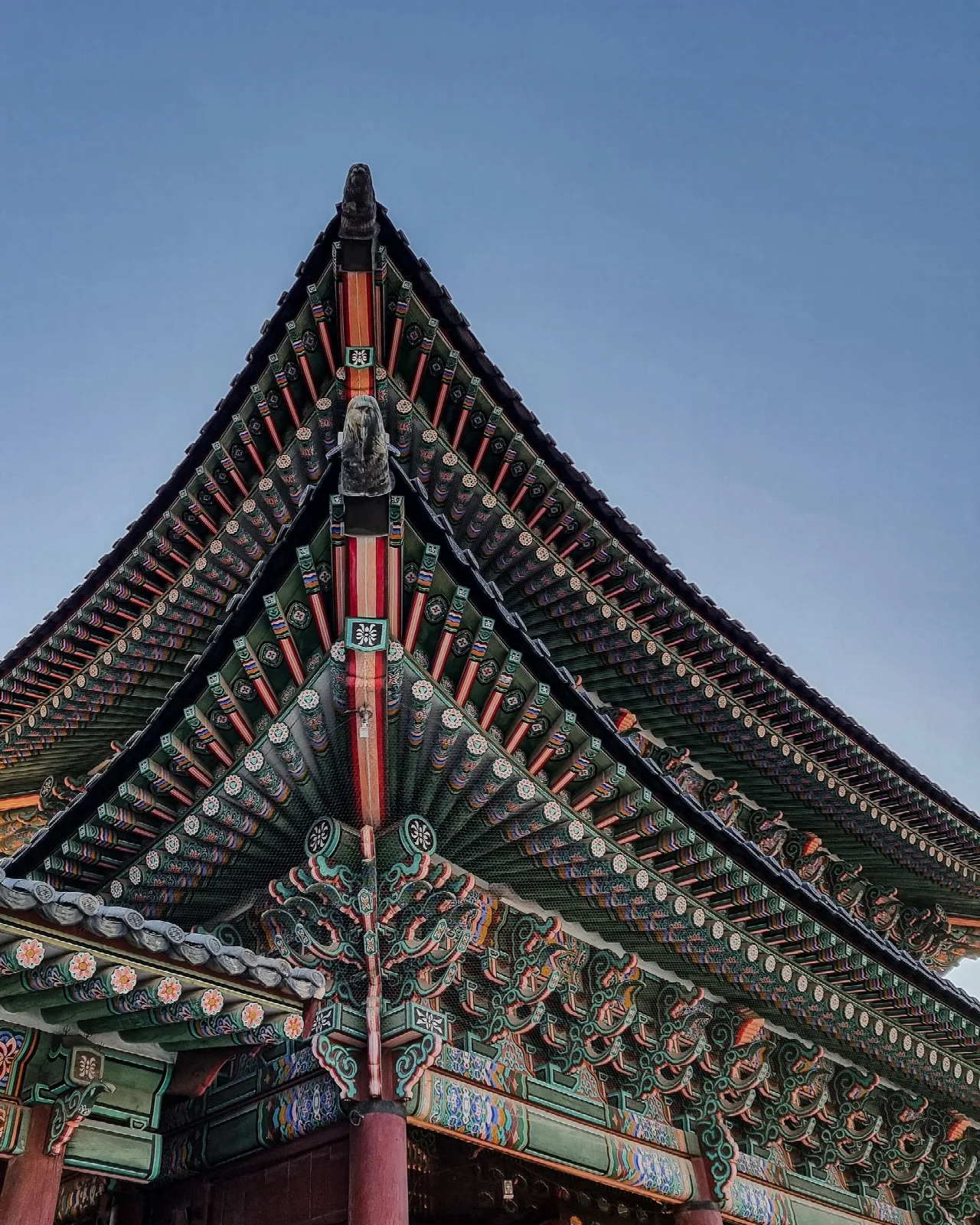
Leave open time after a reservation instead of booking lunch in a different neighbourhood immediately afterwards. If you spend longer exploring courtyards or taking photographs, the rest of the day remains manageable. When travelling as a group, check that everyone is selecting the same date and session before buying individual tickets.
Bukchon: visiting a residential neighbourhood
Bukchon is a hanok neighbourhood where people live, rather than a purpose-built visitor set. Visit Seoul lists tourist visiting hours of 10:00–17:00 in restricted areas under special management, and asks visitors to keep noise down and avoid photographing inside homes. Follow the official Bukchon information alongside current signs in the neighbourhood.
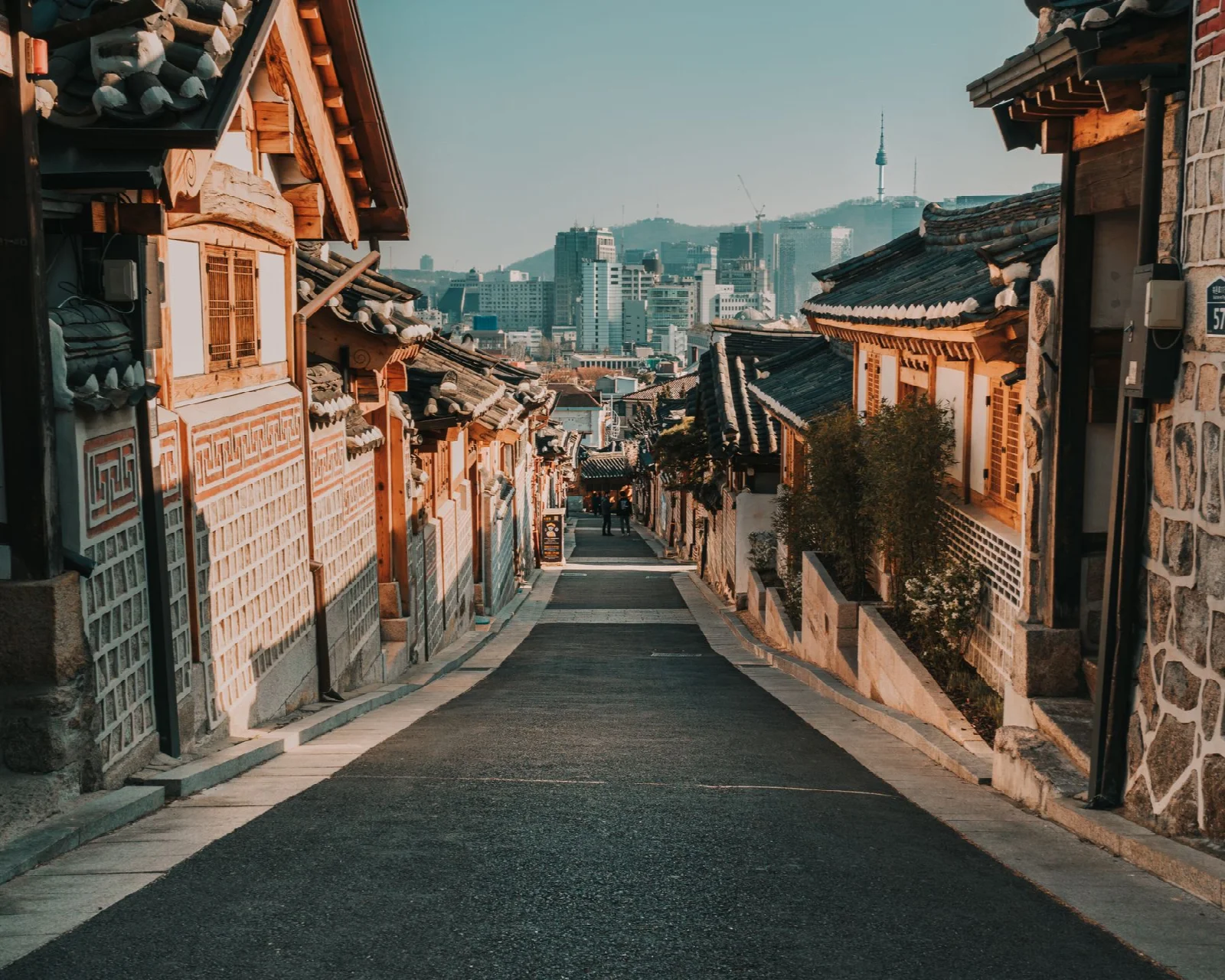
Do not automatically put Bukchon into a sunrise or late-evening photography itinerary. Choose a short route during the permitted period, then continue elsewhere. While waiting for a photograph in a narrow lane, keep doors and everyday access clear. Being able to admire a building from the street does not mean its interior is open to visitors.
Markets, walks and contemporary city life
Gwangjang Market
The city government’s Gwangjang Market introduction highlights foods such as mung-bean pancakes and small gimbap varieties. You could organise a visit around one main dish, one small tasting and a seated pause. Check the individual business’s opening arrangements and payment options when choosing where to eat.
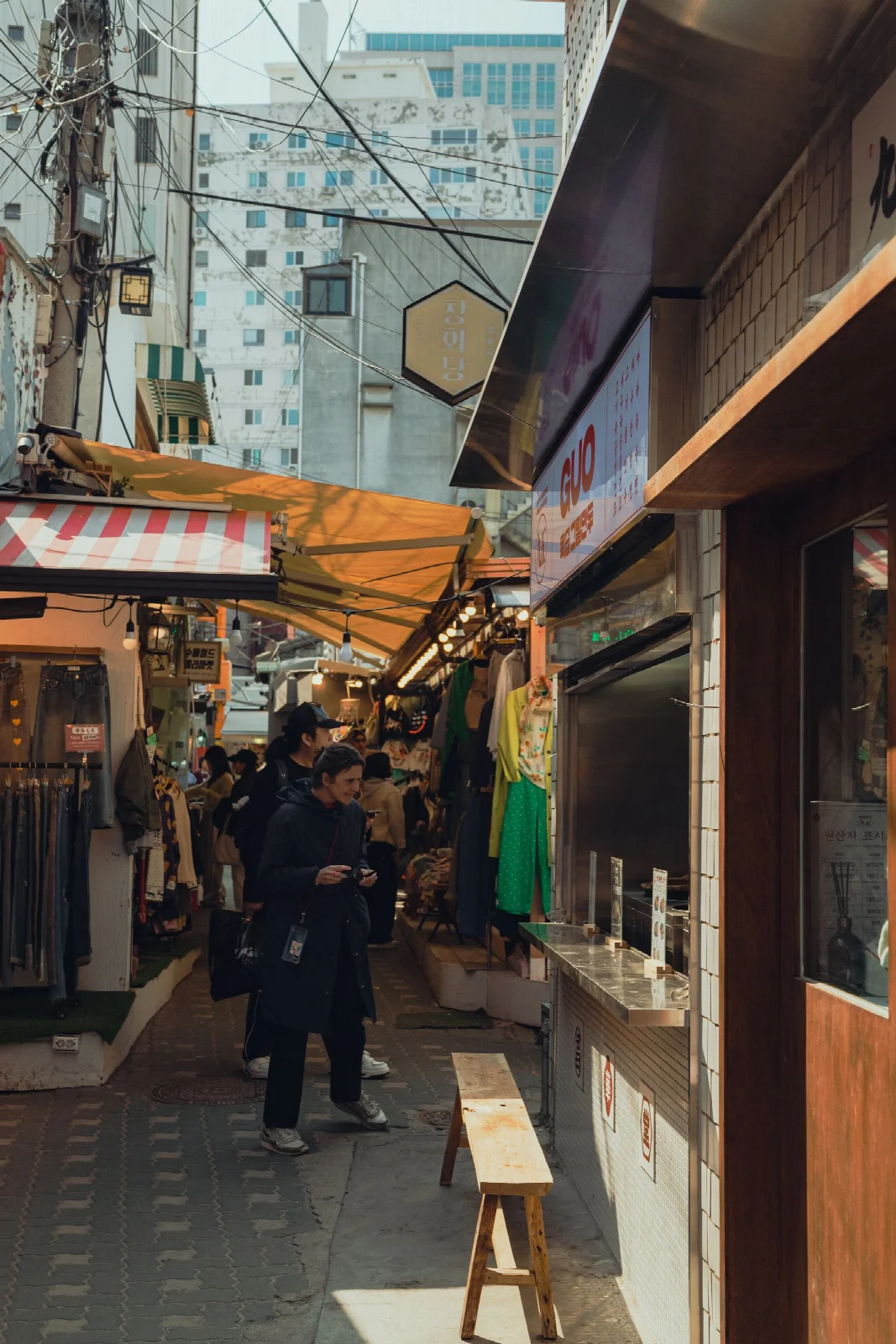
Clarify the number of portions and the total price before ordering. Leave room for staff and other customers when taking food photographs. If you avoid particular ingredients, ask about sauces and accompaniments too; appearance or a brief translated menu name may not provide enough information. A market visit need not become a challenge to try every dish at once.
Cheonggyecheon
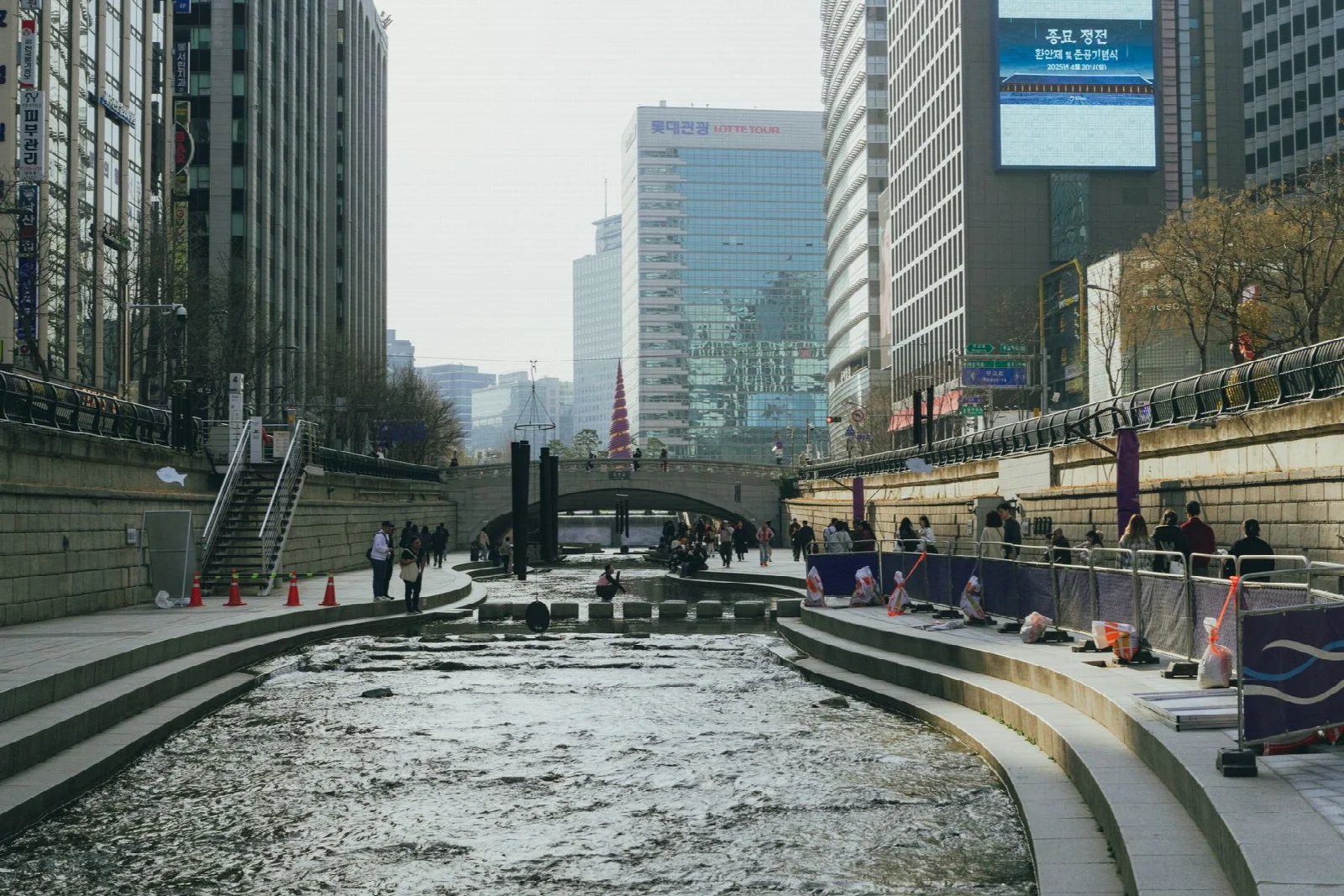
Visit Seoul’s Cheonggyecheon route describes a walk along the stream through the city centre. Choose a short section between two access points instead of making the full route a target. It can remain a flexible option after the market or later in the afternoon. Follow current access notices at the entrances.
Hongdae
The official tourism introduction associates Hongdae with music, art, popular culture and shopping, and identifies Hongik University station among its transport connections. Use the Hongdae area guide to choose a focus that suits you. If you want to attend a particular performance, verify its programme separately rather than expecting the same activity on the street at any hour.
Getting to Seoul and travelling around
Visit Seoul’s airport transport overview distinguishes the AREX all-stop service connecting Incheon, Gimpo and central Seoul from the Incheon–Seoul Station express. Compare the entire journey to your hotel, including the final transfer, station exit and walk. The train’s advertised running time alone is not the full arrival journey. Check fares and departures with the operator for your travel date.
For city journeys, saving the line colour, station name and exit number together makes the plan easier to follow. The official getting-around guide explains Tmoney and the importance of the required entry and exit validations. Check purchase, top-up and coverage arrangements for the product you choose. Do not assume a city transport card and an airport express ticket are interchangeable.
Accommodation, pace and spending
If palaces and historic neighbourhoods dominate your list, compare accommodation around Jongno. If you expect to spend more time in Hongdae, examine options and connections there. Seoul Station can also enter your shortlist when the airport journey is a priority. These are starting areas rather than universal recommendations: the exact walk, room conditions and late-evening journey determine how well a hotel fits.
Keep accommodation and everyday transport separate from ticketed visits in your budget. If you plan to shop, set a separate allowance so that purchases do not absorb the money reserved for food and travel. Choosing a special event or visit may be a good reason to reduce other paid stops that day. It also gives that experience enough space in the schedule.
Before leaving the hotel each morning, save your first destination and a convenient route back. Keep one alternative in the same area in case a visit takes less time than expected. If the day runs long, remove the alternative rather than shortening every remaining stop. This is particularly useful when your group has different interests or walking speeds.
Discover Seoul through details: roofs, lanes and water
During a palace visit, look at the whole building first and then notice the painted timber beneath the roof. A wide view and a close architectural detail can create a more memorable pair of photographs than a hurried shot at the entrance. This guide deliberately includes both a broader Gyeongbokgung view and a roof detail. Keep within the visitor areas while looking for an angle; a photograph does not require entering a closed section.
In Bukchon, follow your curiosity while remembering that these streets belong to a living neighbourhood. Choose a short walk during permitted visiting hours, leave doorways clear and do not treat an open door as an invitation to look inside. At Cheonggyecheon, you can later pause where water, a bridge and nearby buildings share the view. The interesting part is noticing this change of perspective within the city, rather than completing the longest possible walk.
Turn a Seoul food break into a small discovery
At Gwangjang, a starting idea is to explore bindaetteok, a mung-bean pancake, and small gimbap rolls. Both appear in the city government’s market introduction. Sharing two different tastes can leave more flexibility than a large first order. Ask about portions, accompaniments and the total cost before settling in. This is an introduction to food associated with the market, not a guarantee of the current menu at a particular stall; make your choice from what the open business offers that day.
If you are travelling together, avoid tying everyone’s meal to one long queue. Agree on a meeting point, take a brief look at menus and then bring your choices together over a seated break. The market-street photograph in this guide illustrates everyday shopping in Seoul. It is not presented as a recommendation for a specific Gwangjang stall.
What should you combine on a short visit?
With two days, you could give the first to a palace that is open and a Bukchon-area walk within permitted hours. For the second, choose a market and a short Cheonggyecheon walk, or make Hongdae the focus according to your interests. Adding every option increases the time spent travelling between areas. With four days, reserve the final one for a second palace, an event that interests you or a neighbourhood you wanted to explore further. The Stork’s reminder: an unbooked afternoon can be a thoughtful part of the itinerary.
Frequently asked questions
How many days should a first-time visitor allow?
We suggest four full days for this itinerary. On a shorter trip, choose a palace-and-neighbourhood day plus a market or Hongdae day, with fewer optional stops.
Can I visit Bukchon whenever I want?
Restricted visitor areas have defined hours. Check the current boundaries and signs, and plan your walk within the permitted period.
Is one hotel enough for this Seoul itinerary?
Using one base reduces packing and moving time. Compare transfers to the main stops on each day before booking; you do not need to change hotels simply because the itinerary includes several areas.
The Tatilmerkezi Stork is our brand's storytelling character. This guide combines official sources and editorial route suggestions; it is not a personal travel diary.