

The Stork’s compass now points towards Prague’s red rooftops. The two banks of the Vltava, the statues of Charles Bridge, façades around the squares and the castle above them create an instantly recognisable scene. The pleasure comes from walking into that scene at your own pace and noticing the details between its famous landmarks.
For a three-day Prague trip, think of the Old Town, the castle neighbourhood and an open-air break as separate parts of the journey. You do not need to climb every tower or enter every museum. This guide offers a starting route that leaves you free to linger by the Astronomical Clock, pause on the bridge or replace a longer walk with a tram ride.
Which parts of Prague belong in the same plan?
Mark your accommodation on a map, then divide your list into interiors you really want to visit and places you would be happy to see from outside. This prevents every tower and museum from becoming an automatic purchase. On a short trip, spending enough time in one chosen building can be more satisfying than making several rushed entries.
| Area | Main interest | Planning decision |
|---|---|---|
| Old Town | Squares, the clock and streets | Choose one main interior visit. |
| Malá Strana and the castle area | Architecture and viewpoints | Consider slopes, steps and the journey back. |
| Letná or Vyšehrad | Outdoor time and flexible walking | You can choose one rather than fit in both. |
Old Town Square and the Astronomical Clock
Old Town Square, the Astronomical Clock, Celetná Street, the Powder Gate and Municipal House are useful reference points for a central walk. Prague City Tourism's introductory route presents these landmarks as parts of a city visit. We suggest breaking the walk into shorter sections and making just one tower or interior the day's fixed booking.
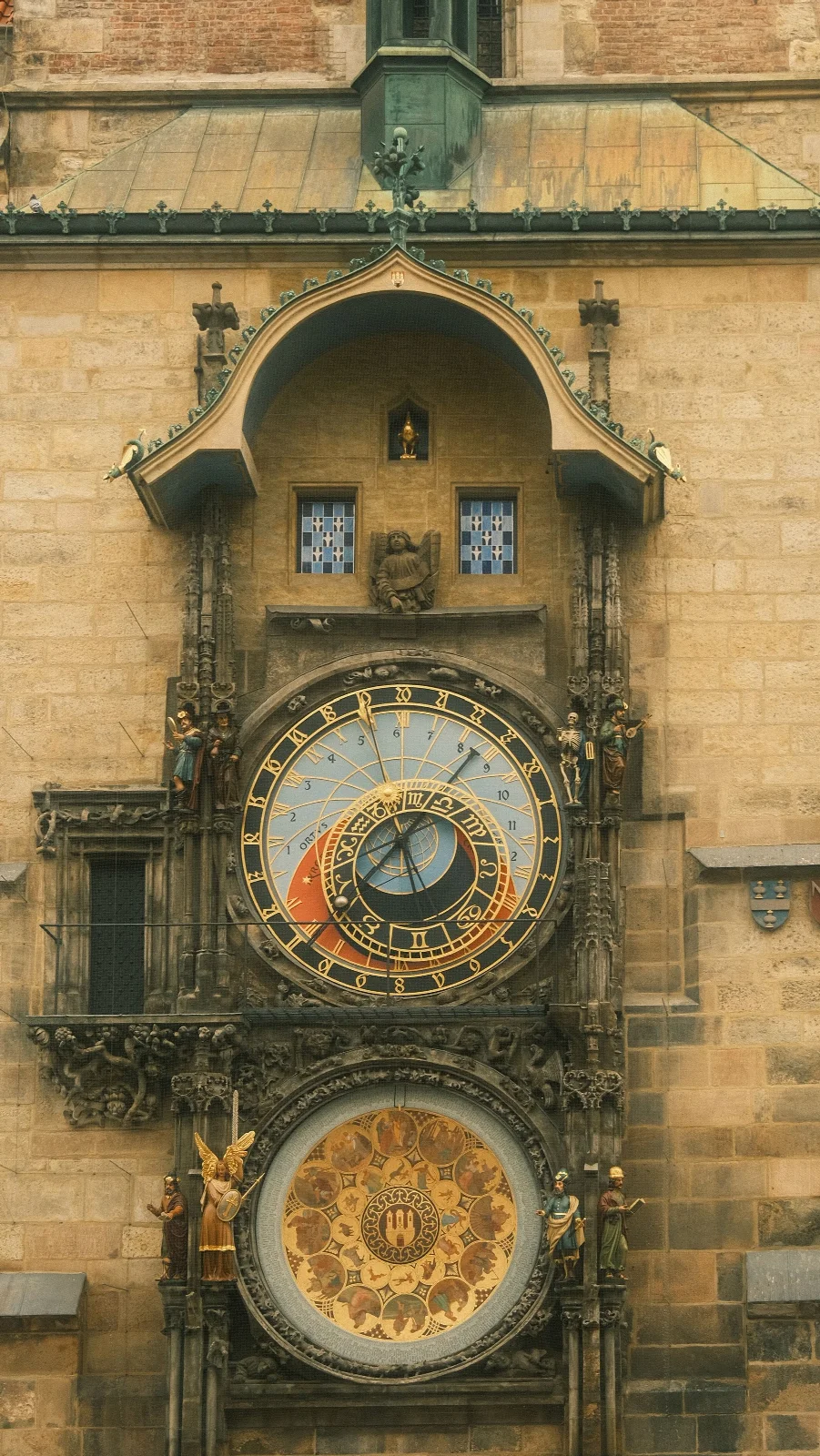
Keep pedestrian routes clear when photographing the clock. If you want a view from a tower, check the steps, lift arrangements and bag rules for that particular building; historic towers do not all offer the same access. Before sitting down for a café break, read what the menu price includes and which serving size it refers to.
Give Charles Bridge time of its own
Charles Bridge is known for its towers and sculptures. The official bridge guide explains its history and details. Treat it as part of your visit rather than only the shortest crossing between two areas. You could enjoy the surroundings in one direction and plan the return for a different time of day.
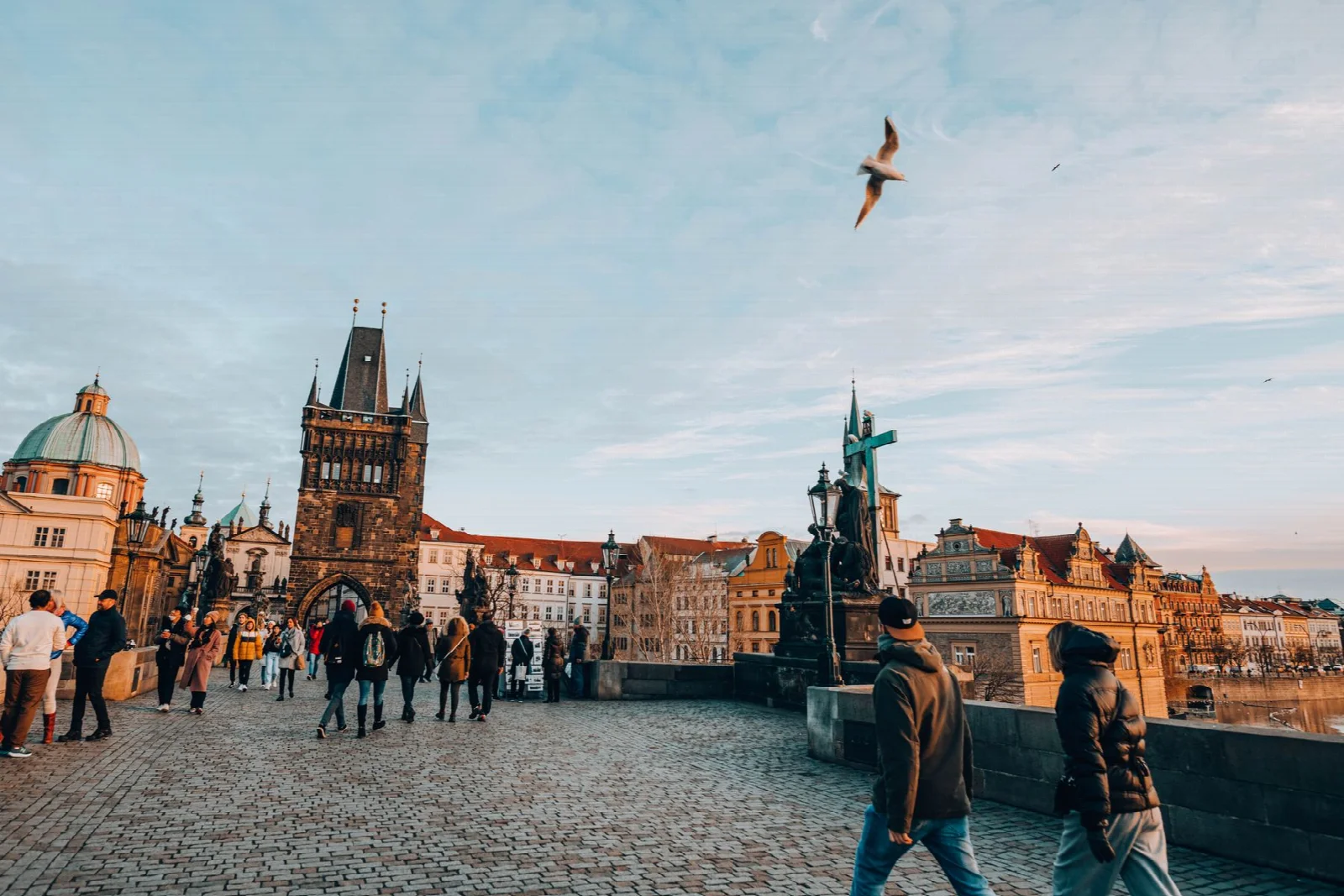
Early morning or evening light may suit your photographs, but neither guarantees an empty bridge. Keep bags and equipment out of the flow of pedestrians. Combining a wider view with one architectural detail can produce a more personal travel album than collecting many versions of the same familiar shot.
Prague Castle: decide what you want to enter
Do not think of the castle as a single room or attraction. Courtyards, historic buildings, exhibitions and gardens may have different visiting arrangements. Use the official Prague Castle ticket page to check the scope of the visits you want and current operational notices. Read the product description before assuming a ticket includes every area.
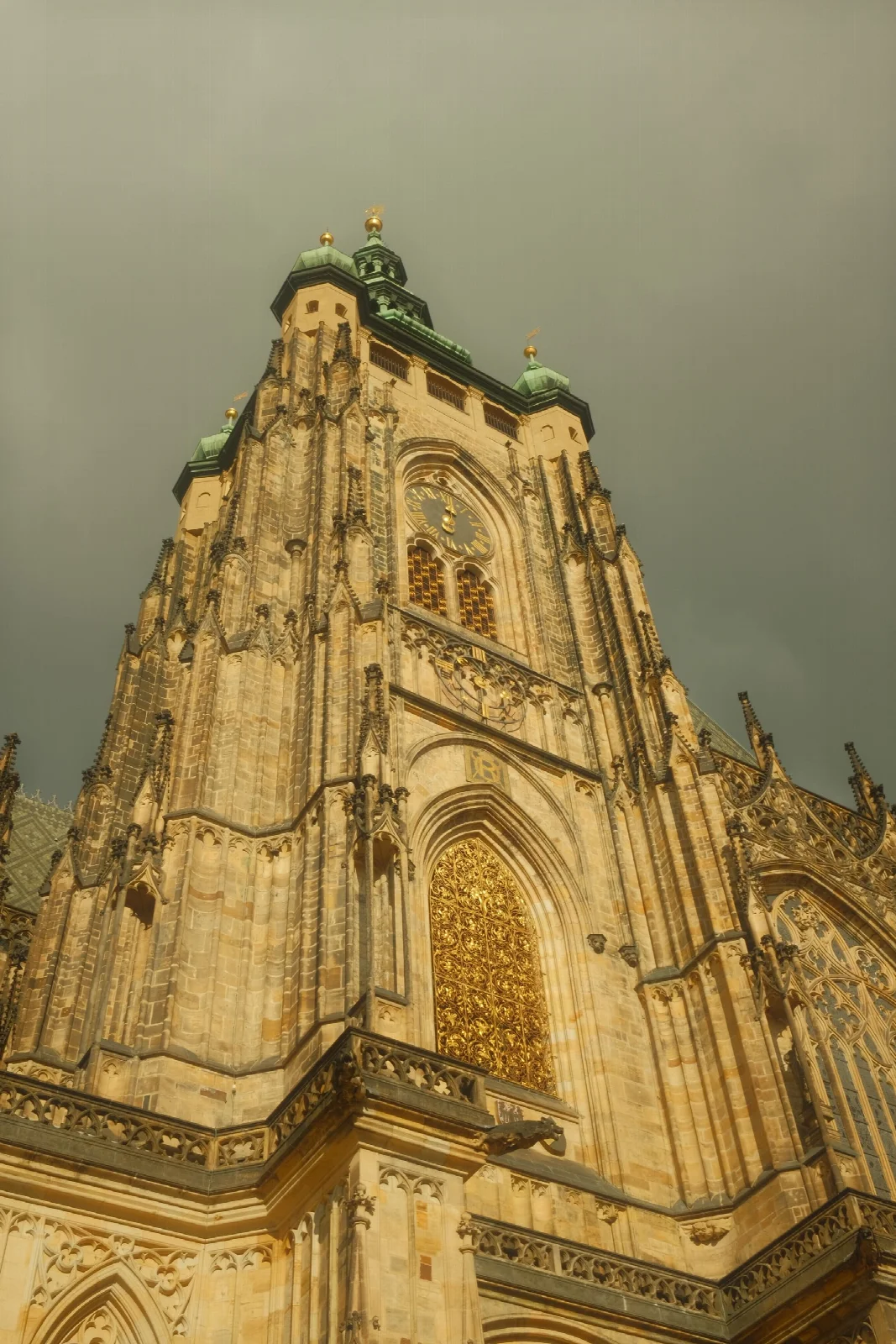
Plan the journey up and the return separately. Being able to manage a climb at the start of the day does not mean you will want the same route after several visits. With a pushchair, limited mobility or heavy luggage, the shortest line on a map may not be the most suitable option. Look for the accessible entrance and transport connection relevant to your needs.
Letná: leave room for an unhurried break
Letná Parks offer walking areas among trees and views across the city. They can provide a more flexible part of the day after a museum or castle visit. Keep the park as an option for suitable weather and energy, rather than another item you must complete.
Work out the return connection before choosing a place to sit or take photographs. During shorter winter days, consider daylight when arranging outdoor time. If the weather changes, a brief walk followed by an indoor break may work better than forcing the original plan. The aim is to create space in the itinerary, not another deadline.
Should you include Vyšehrad?
The official Vyšehrad guide introduces its elevated position above the Vltava, park, Rotunda of St Martin, Church of Saints Peter and Paul and historical cemetery. If you have already explored the central sights, it offers a different setting. Distinguish a walk through the grounds from entry to an individual building or tour.
Be considerate in burial and worship areas. If you need step-free access, do not assume the general accessibility of a complex applies to every building inside it. Check the particular route, including changes of surface and steps. This small amount of preparation can make it easier to choose the parts of the visit that suit you.
Prague transport and ticket choices
PID's fare information lists shorter-duration options as well as 24- and 72-hour tickets. Consider both time and zone coverage. Do not assume that a standard city ticket covers Airport Express AE or every historical service. Paper-ticket validation and mobile-ticket activation can involve different steps, so follow the instructions for the product you buy.

Work through one sample day: accommodation, first visit, another area and return. If you expect to walk most of the time, compare the convenience of a longer ticket with the journeys you actually need. For a busier travel day, a time-based option may be simpler. Plan the airport connection separately, checking the terminal, route and fare coverage together.
A three-day Prague outline
- Day one: find your bearings around Old Town Square. Choose one interior visit, with the remaining time for streets and Charles Bridge.
- Day two: focus on the castle area. Start with the current access and ticket information, then add Malá Strana according to your walking pace.
- Day three: choose Letná or Vyšehrad. Keep the rest of the day for returning to a favourite area, shopping or a longer meal break.
Where to stay and how to budget
Assess a hotel's claim to be near the Old Town against the actual route, walking surfaces and station connection. Noise, room orientation, lift access and luggage storage may affect comfort as much as the nightly rate. If you have booked a concert or museum visit, check the route back to the property as well as the journey there.
You do not need to make every tower, museum and tour a compulsory expense. Select two paid experiences that matter to you and balance them with outdoor exploration. Read current menus and consider drinks, additional items and any stated service charges before ordering. Keep an indoor alternative available instead of assuming every day in a particular season will have the same weather.
The Stork’s Prague photo notebook
Begin a Prague photo sequence with a wide view of the river and bridges, then move closer to the Astronomical Clock’s details, shadows on stone façades and a red tram passing through the street. Changing scale gives an album the rhythm of a walk instead of filling it with near-identical pictures of the same building. Rain can add another texture to the paving, but there is no reason to hurry across a slippery surface for a photograph.
When stopping on Charles Bridge, keep the pedestrian route open. Looking up and down a cathedral façade can reveal details you might miss while trying to squeeze the entire building into one frame. Stay aware of movement around you and keep track of your belongings. Small observations made while sharing the city with others give your own journey its distinctive character.
Leave a lighter afternoon in Prague
If a morning castle visit takes longer than expected, reduce the afternoon plan. A park break, a short street walk or a return to a favourite square can add just as much to the trip. The Stork’s suggestion is to leave a little unclaimed time each day: for stopping at a window, examining a façade or simply watching the city go by.
Frequently asked questions
Can I explore Prague on foot?
Walking can be central to a visit, especially around the main sights. Assess slopes, distances and your own pace for the castle area and other districts, combining walking with public transport when useful.
Letná or Vyšehrad on the third day?
Consider Letná for a flexible park break and views, or Vyšehrad for a different setting with historical buildings. This is a suggested choice rather than a rule; weather, access needs and where you stay may change the decision.
What should I recheck before travelling?
Which castle areas are open, what your admission ticket includes and how to activate or validate your transport ticket. The order of the route is flexible; the official conditions for your date determine what is possible.
The Tatilmerkezi Stork is our brand's storytelling character. This guide combines official sources and editorial route suggestions; it is not a personal travel diary.