

Let the Tatilmerkezi Stork introduce Lisbon through its rooftops, hillside streets and the broad opening of the Tagus River. The pleasure of a first visit lies in getting to know a neighbourhood, with time to pause between the landmarks. We suggest three full days: begin with Baixa and Alfama, give Belém a day of its own, then leave room for a Chiado bookshop or a different waterfront walk. This guide brings sights, transport choices and reservation details together around that approachable route.
Choose your Lisbon route
Start with the main visit of the day, then allow a meal and a rest nearby. Places that appear close on a map may involve steps or a significant change in elevation. An order that avoids climbing and descending the same hill several times helps manage your energy as well as your time.
| Area | Visit idea | Planning suggestion |
|---|---|---|
| Baixa | Squares and a central walk | Use it as a gentle introduction on arrival day. |
| Alfama and the castle area | Streets and viewpoints | Choose the direction of your walk and places to pause. |
| Belém | Monuments and the riverfront | Arrange ticketed visits around reservation times. |
| Chiado or Parque das Nações | A day shaped around your interests | Do not make both areas compulsory in one day. |
Places to visit in Lisbon
From Baixa to the river
Rua Augusta and Praça do Comércio can form the core of your first central walk. Take time to understand the city’s layout before moving into the higher neighbourhoods. Portugal’s official Lisbon introduction describes the centre, Alfama and Chiado together; the order suggested here reflects our own preference for a manageable pace.

Alfama, the castle area and Chiado
Choose a few streets and one viewpoint break in Alfama rather than setting numerous small targets. Treat a castle visit as a separate activity with its own time allowance. If you still want to explore afterwards, add Chiado, or leave it for the third day if you prefer a quieter schedule. Keep residential doors and narrow passageways clear when stopping for photographs.
If a fado evening appeals, look beyond a venue’s pictures before choosing. Check when the performance begins, whether it is offered with dinner and which items are charged per person. Consider a late finish alongside any early reservation the following morning. A dinner booking can also provide a natural endpoint for the day’s walking instead of becoming one more stop to hurry towards.
Belém: build a day within the area
Jerónimos Monastery, Belém Tower and the riverfront can be considered together for a Belém day. Visit Lisboa’s Belém/Ajuda introduction highlights cultural stops and waterfront spaces alongside the monuments. Choose one or two interiors that interest you most and leave the remaining time for being outside, rather than making admission to every building essential.
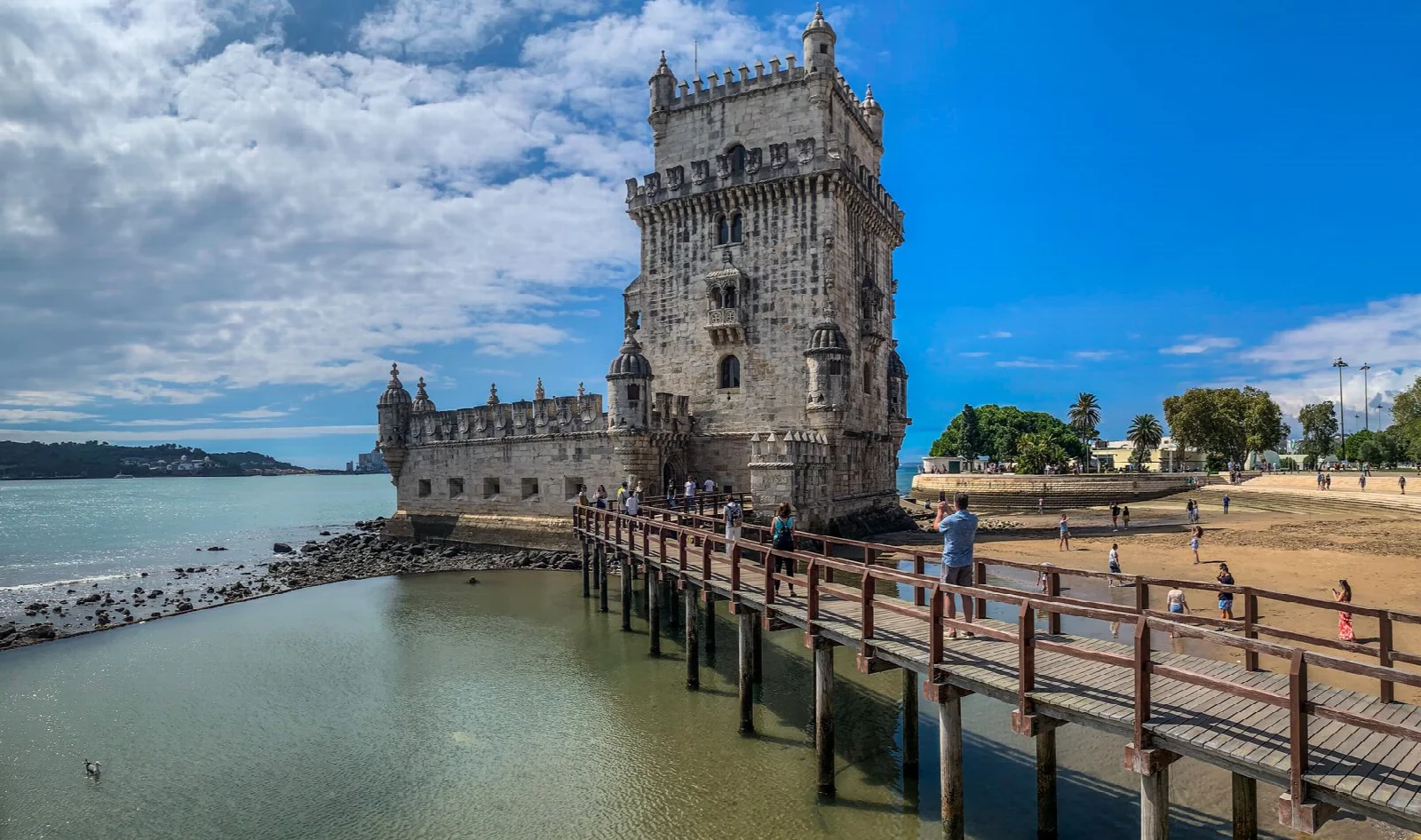
The church and cloister at Jerónimos may have different visitor arrangements. The operator’s visiting page lists them separately and notes that special events can cause closures. Check Belém Tower’s arrangements for your date there too. A ticket does not override a closed section or a change in access.
A suggested three-day Lisbon itinerary
Day 1: Central streets and neighbourhoods
Begin in Baixa, pause by the river and add Alfama according to your energy. If you want to buy a castle ticket, organise the rest of the day around that slot. If you have just arrived by air, it is equally reasonable to finish after the central walk and move Alfama to another day. A shorter first evening can make the following morning more enjoyable.
Day 2: Belém
Arrange transport, your main monument visit and a riverfront break as one day. Before adding a museum or second monument, consider the first reservation and a realistic finish time. Give lunch enough space between commitments. Complete the main theme of the day rather than treating another district on the way back as something you must also see.

Day 3: Chiado or a different side of the city
Spend time around Chiado if you would enjoy bookshops, cafés and city wandering. Alternatively, make Parque das Nações the focus for a different urban setting. If you fly out that day, factor in luggage collection and the airport journey. A trip beyond Lisbon works better as the whole day’s plan than as an addition to a full central itinerary.
Metro journeys, tickets and cards
The Metro operator’s city guide identifies the red line as the airport connection. When planning arrival at your accommodation, include transfers and the final walk as well as the train journey. Saving the useful exit in advance can be particularly helpful with luggage.
Suitable contactless bank cards and supported devices can be used on the Lisbon Metro. Each passenger needs their own card or device, and the same one must be used to enter and leave a journey. Do not tap in with a physical card and out with its phone version. Check eligibility and scope on the official contactless information page; do not automatically apply these arrangements to other operators.
Compare day tickets, stored credit and products covering different operators through the current ticket options. Count the journeys in your actual plan first, then choose a product. A physical card being usable on several systems does not mean every ticket loaded onto it provides the same coverage on all of them.
When does a Lisboa Card make sense?
Write down the transport journeys and monument visits you will actually make, then compare their individual cost with the current card price. The official card instructions explain that validity runs consecutively after first use and that Jerónimos and Belém Tower require date-and-time reservations using the card number. Include collecting the card and finding a suitable available slot in your schedule.
A pass is less useful if it encourages you to add visits you did not want simply to make the purchase feel worthwhile. Decide on the itinerary before evaluating the product. If your preferred entries are unavailable, compare a revised route before paying for a card rather than assuming the same saving will still apply.
Accommodation and daily pace
Measure more than the hotel’s distance from the centre. Look at the final approach, hills, steps, luggage access and the journey home at night. Compare two hotels against the same main attractions. A central room that involves a demanding walk every day may suit you less than another location with easier access to a station.
Separate seated meals from small food stops in your daily budget. A pastel de nata can be a brief pause between visits; if you dislike waiting, avoid making one particular business a compulsory target around which the whole day revolves. With children or slower walkers, reduce the number of main visits and keep an easy return option available.
Eating in Lisbon: small breaks and longer meals
A pastel de nata and coffee can make a pleasant pause in a neighbourhood walk. For a savoury option, look for cod snacks such as pastéis de bacalhau on the menu. Portugal’s official food introduction places these flavours within the country’s café and pastry-shop culture. Consider places along your route instead of making every meal depend on reaching one famous business.
On the Belém day, avoid putting a long restaurant reservation immediately before your monument booking. For Baixa and Alfama, a shorter lunch and a more leisurely dinner can work well together. The Stork’s suggestion is to leave room for one food curiosity each day: ask what is in the dish, check the portion before sharing, and give a flavour you enjoy some attention. For allergies or dietary requirements, confirm ingredients with the business rather than relying on a dish name.
A note on Bica photographs and walking
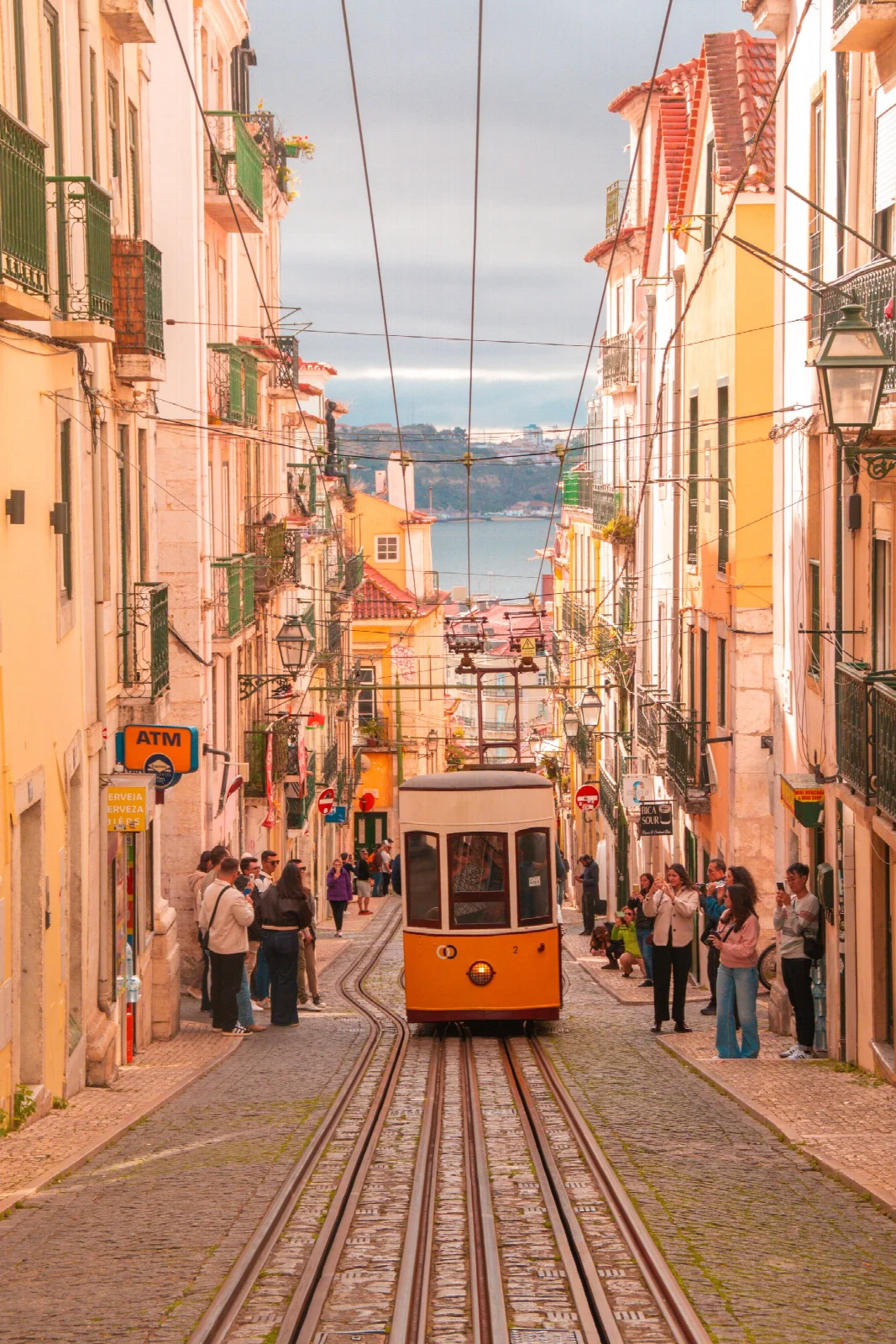
The yellow funicular framed by colourful facades on a steep slope is a familiar Bica scene; it should not be labelled an Alfama tram. Visit Lisboa’s Bica page carries a temporary-closure notice in our 2 October 2026 check. The photograph here is an archive image, and this guide’s transport plan does not depend on the service running. Recheck current arrangements and keep off tracks and closed areas when taking photographs.
A rainy-day Lisbon plan
Shorten a long hillside photography walk when the weather turns wet. Around Chiado, choose a smaller walk with indoor pauses; if you add a ticketed museum, remove one of the day’s outdoor visits. In Belém, keep the reserved indoor visit as the main appointment and adjust the waterfront walk to conditions. The day still has a satisfying focus even when its length and order change.
Frequently asked questions
Are three days enough for a first Lisbon trip?
Three full days work as a starting point for this centre, neighbourhood and Belém itinerary. Add time for extended museum visits or trips outside the city.
Can I see Lisbon entirely on foot?
Walking connects nearby stops, but the entire trip does not need to become a walking challenge. Keep transport options available for changes of area and hills.
Does a city card replace reservations?
Not everywhere. Check each attraction’s inclusion and whether it still requires a ticket, a timed slot or another step before entry.
The Tatilmerkezi Stork is our brand's storytelling character. This guide combines official sources and editorial route suggestions; it is not a personal travel diary.