

The Stork’s first Hong Kong route crosses the water: a skyline stretching beyond a ferry, the Peak Tram climbing between buildings and greenery, and colourful stalls filling a busy street market. Give both sides of the harbour time to reveal their different characters. A broad city view and a slow neighbourhood walk can become equally memorable parts of the same journey.
For a first visit, think of three days as three areas: cultural stops in Central and Sheung Wan, the harbour and museums around Victoria Harbour, and a separate outdoor day on Lantau. With only two days, leaving Lantau for another trip gives you more breathing room in the centre. This guide connects those routes with transport decisions, places to pause and ideas for your travel photographs.
Organise Hong Kong's sights by area
Central and Sheung Wan: Tai Kwun and Man Mo Temple
Tai Kwun in Central brings former police, court and prison buildings into a heritage and arts complex on Hollywood Road. Consider it as a place to understand buildings and their histories, rather than simply a facade to photograph. Choose an exhibition or heritage section that interests you before trying to cover the entire compound. Hong Kong Tourism Board

Man Mo Temple in Sheung Wan is a declared monument that can form another part of the neighbourhood day. Give worshippers room and read the current entry and photography instructions when you arrive. Hong Kong Tourism Board You do not need to turn the whole district into one continuous walk. A seated lunch and the option to use transport between sections can make the day more rewarding than following an ambitious line on a map.
The Peak: leave room to choose your moment
The Peak Tram connects Central with The Peak Tower; the upper area includes Sky Terrace 428 and walking routes. Hong Kong Tourism Board Decide whether your priority is the tram ride, a viewing platform or outdoor time. Read the selected product's coverage for the journey, return trip and viewing area separately. A familiar attraction name does not establish that every component is included.
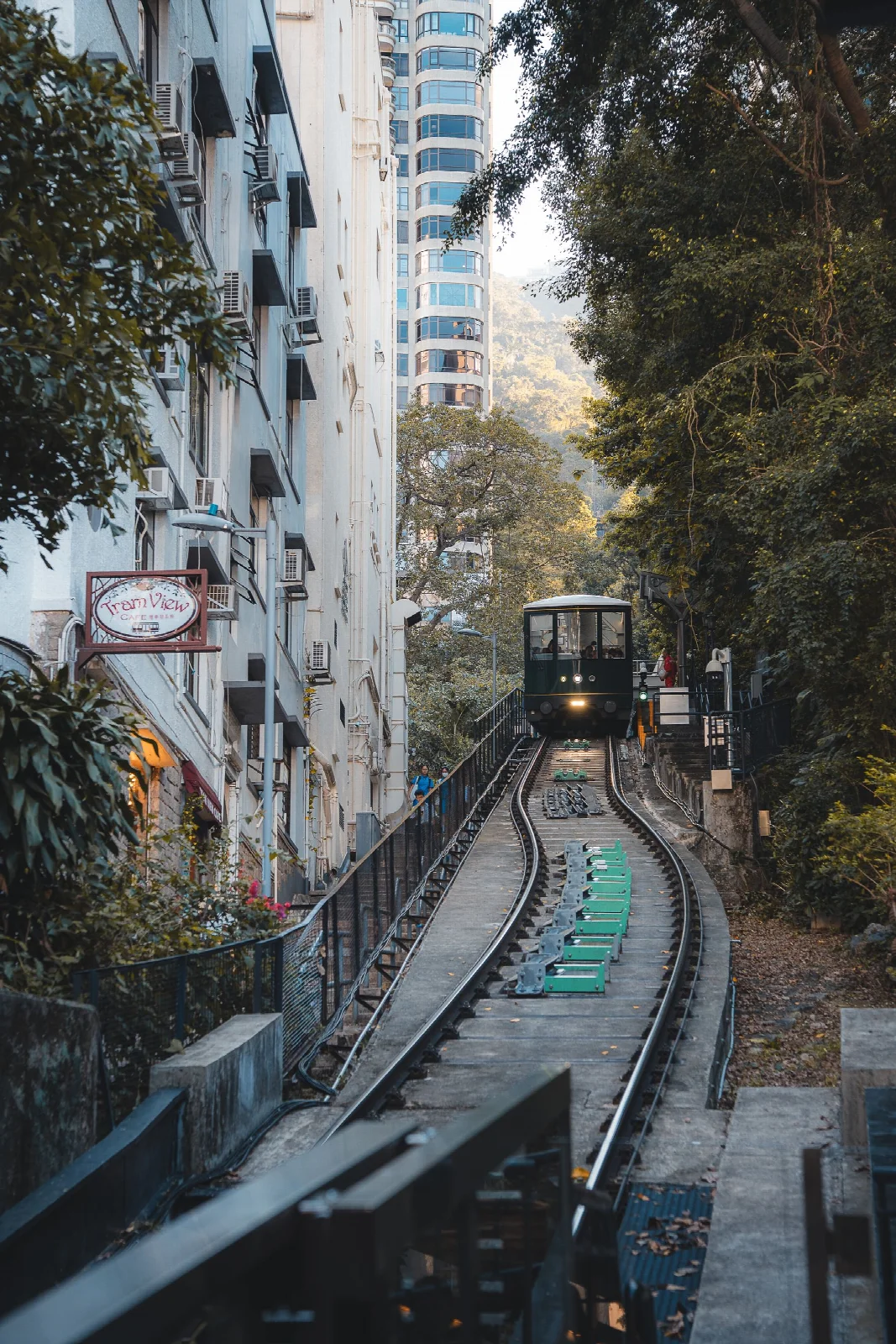
Keep this stop adjustable. If the view is obscured, you may prefer to shorten the outdoor part or move it to another day. For a sunset visit, allow time for reaching the departure point, waiting and returning, as well as the view itself. A distant dinner reservation immediately afterwards can turn a relaxed pause into a transport deadline.
Tsim Sha Tsui, Star Ferry and West Kowloon
Star Ferry runs Central–Tsim Sha Tsui and Wan Chai–Tsim Sha Tsui services, giving you a harbour crossing with views towards both shores. Departure arrangements and deck conditions differ between routes. Check the particular service if you have access requirements, rather than assuming all boarding arrangements match. Star Ferry Make one crossing part of the experience and avoid unnecessary repeated returns later in the day.

At M+ in West Kowloon, distinguish time in public spaces from gallery admission. Specified shared areas remain free to enter, while gallery access requires a ticket. The visit page also covers operating arrangements, bag rules and accessibility. M+ If the exhibitions interest you, leave several open hours for the museum and adjust your harbour walk to the time and energy remaining afterwards.
Lantau: Ngong Ping and the Big Buddha
Tian Tan Buddha stands beside Po Lin Monastery in the Ngong Ping area of Lantau. The cable-car connection from Tung Chung is followed by an onward walk to the attraction. Ngong Ping 360 Treat this as its own main outing, rather than inserting it between central-city appointments. Check transport, admission and open-area notices before leaving, with a clear plan for the return.
Before adding a village visit, a long hike or another major paid attraction, decide how much time you actually want at Ngong Ping. If stairs or gradients affect your trip, assess the complete route to your intended destination, not just the cable-car journey. A departure-day visit needs a separate luggage and airport plan; geographical proximity alone does not guarantee a comfortable flight connection.
A three-day Hong Kong itinerary
| Day | Main area | Keep flexible |
|---|---|---|
| 1 | Central, Tai Kwun and Sheung Wan | Add The Peak if the weather and your energy suit it |
| 2 | Tsim Sha Tsui, a ferry crossing and West Kowloon | Let the length of your M+ visit determine the remaining walk |
| 3 | Lantau and Ngong Ping | Use an extra central cultural day if transport conditions are unsuitable |
This sequence is a way to manage distances, not a set of compulsory reservations. Put the museum on a wetter day and viewpoints on a day with better visibility when possible. With children, completing every row need not define success: one main visit, a meal and a proper rest may produce a more enjoyable trip.
Airport transport and Octopus
Airport Express provides connections between the airport and Tsing Yi, Kowloon and Hong Kong stations. Choose your arrival station around the onward journey to your accommodation, including the final walk. Reaching the station and reaching your room are different parts of the trip, particularly after a late arrival with luggage. MTR Airport Express
If using Octopus, compare the physical and digital options before buying. A sold Tourist Octopus may have no initial stored value and need a top-up before use. Digital versions have different device and payment-method requirements. Octopus Keep the purchase cost separate from the balance available for journeys, and do not plan for an entire group to travel using a single card.
Choosing a base, meal stops and photographs
Compare the route from an accommodation address to your first daily stop, then the journey home from your evening destination. A Central-side base may fit the neighbourhood day, while a Tsim Sha Tsui option may fit the harbour day. These are planning comparisons, not endorsements of particular properties. The useful station exit, stairs and final luggage-carrying stretch can matter more than a district name.
Avoid moving lunch to the other side of the city solely to collect a famous restaurant name. Choose somewhere within that day's area, then check the menu, budget, dietary requirements and reservation conditions. For photographs, give each day its own subject: architectural details in the neighbourhoods, the relationship between the two shores from the ferry, and a wider landscape at The Peak or Lantau. Check permission separately in worship and exhibition spaces.
The Stork’s Hong Kong photo notebook
Start your Hong Kong album with the harbour’s broad scale, then move closer to the details of its streets. Watching the view change during a ferry crossing is an experience in itself; you do not need to follow every moment through a screen. When you do take photographs, keep passageways clear, secure your belongings and stay within safe passenger areas. The skyline takes on a different character as the light and weather change.
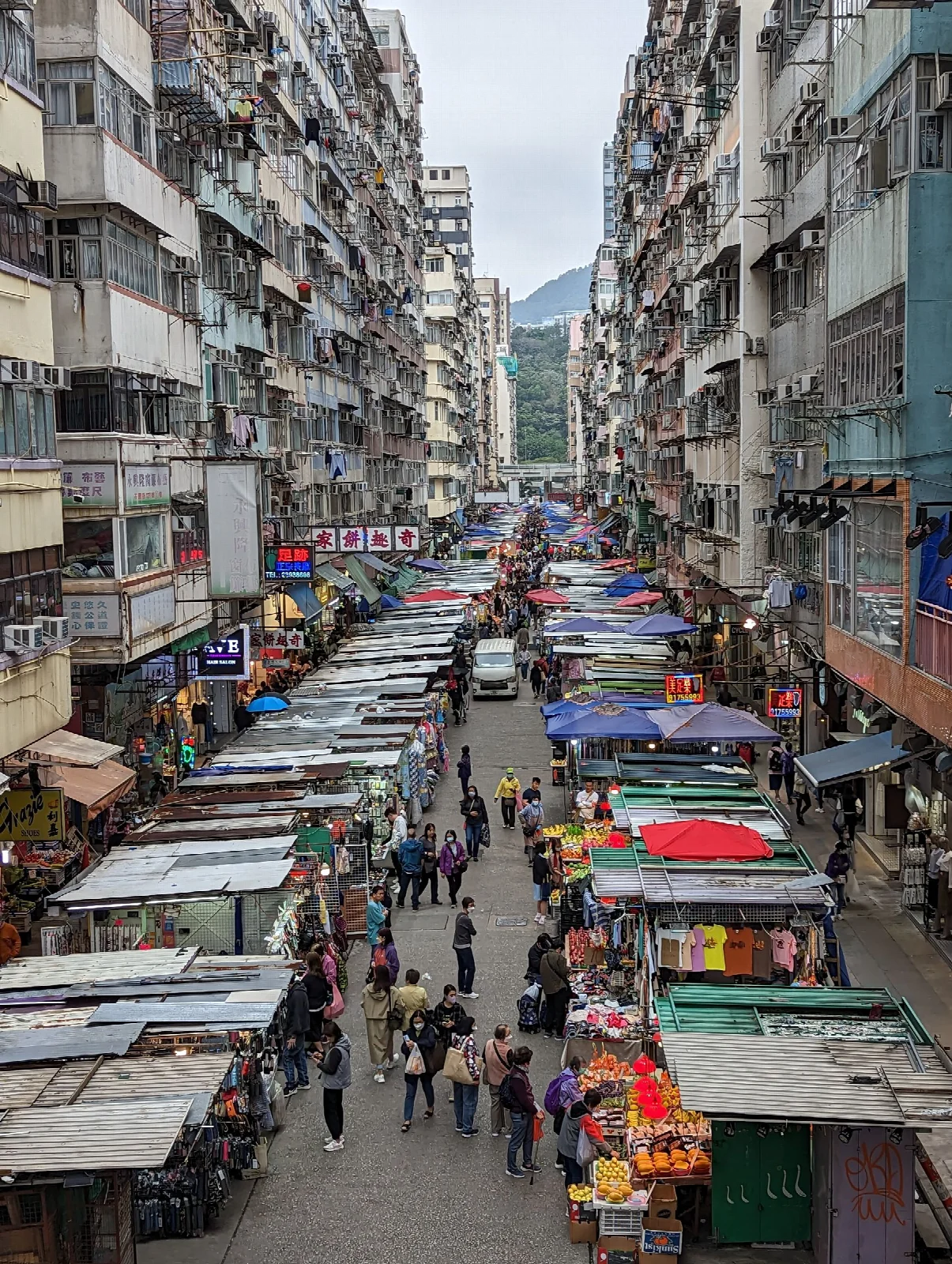
In street markets, notice the colours of the stalls and the vertical lines formed by surrounding buildings. Ask before photographing a vendor or customer at close range. In places of worship such as Man Mo Temple, respect the everyday purpose of the space before thinking about your travel album. Being allowed to enter does not mean every ritual or person can be photographed. Follow the rules displayed at the entrance and explore quietly.
How to adjust the route on a rainy day
Build your Hong Kong schedule so that you can swap the order of days. If visibility is poor as your planned viewpoint visit approaches, avoid treating the Peak as an appointment that cannot move. You could give that time to an indoor cultural visit that interests you and move the harbour walk to a more suitable interval. Reading the change conditions of your reservations beforehand makes this flexibility practical rather than theoretical.
If you continue exploring streets in the rain, choose somewhere to pause and keep your hotel address available offline as well as on your map. Before a Lantau outing, check transport operators’ current notices again. The Stork’s reminder is that changing the plan does not diminish a trip: a route suited to the day’s conditions can leave better memories than a checklist completed in a hurry.
Frequently asked questions
Are two days enough for Hong Kong?
The first two central routes provide a useful introduction. Giving Lantau a third day lets you avoid cutting a museum or neighbourhood visit short simply to fit another journey.
Does Airport Express take me directly to my hotel?
Choose the appropriate station and plan the remaining connection separately. Do not assume that an additional hotel-transfer service comes with the ticket you selected.
Can I treat M+ as an entirely free visit?
No. Check the distinction between free public spaces and ticketed galleries against the sections you want to see.
Planning note
Sources were checked on 1 October 2026. The day order and suggested time allowances are editorial planning choices, not guarantees of services, admission or availability. Check ticket conditions, operating services and open areas for your travel date with the relevant provider.
The Tatilmerkezi Stork is our brand's storytelling character. This guide combines official sources and editorial route suggestions; it is not a personal travel diary.