
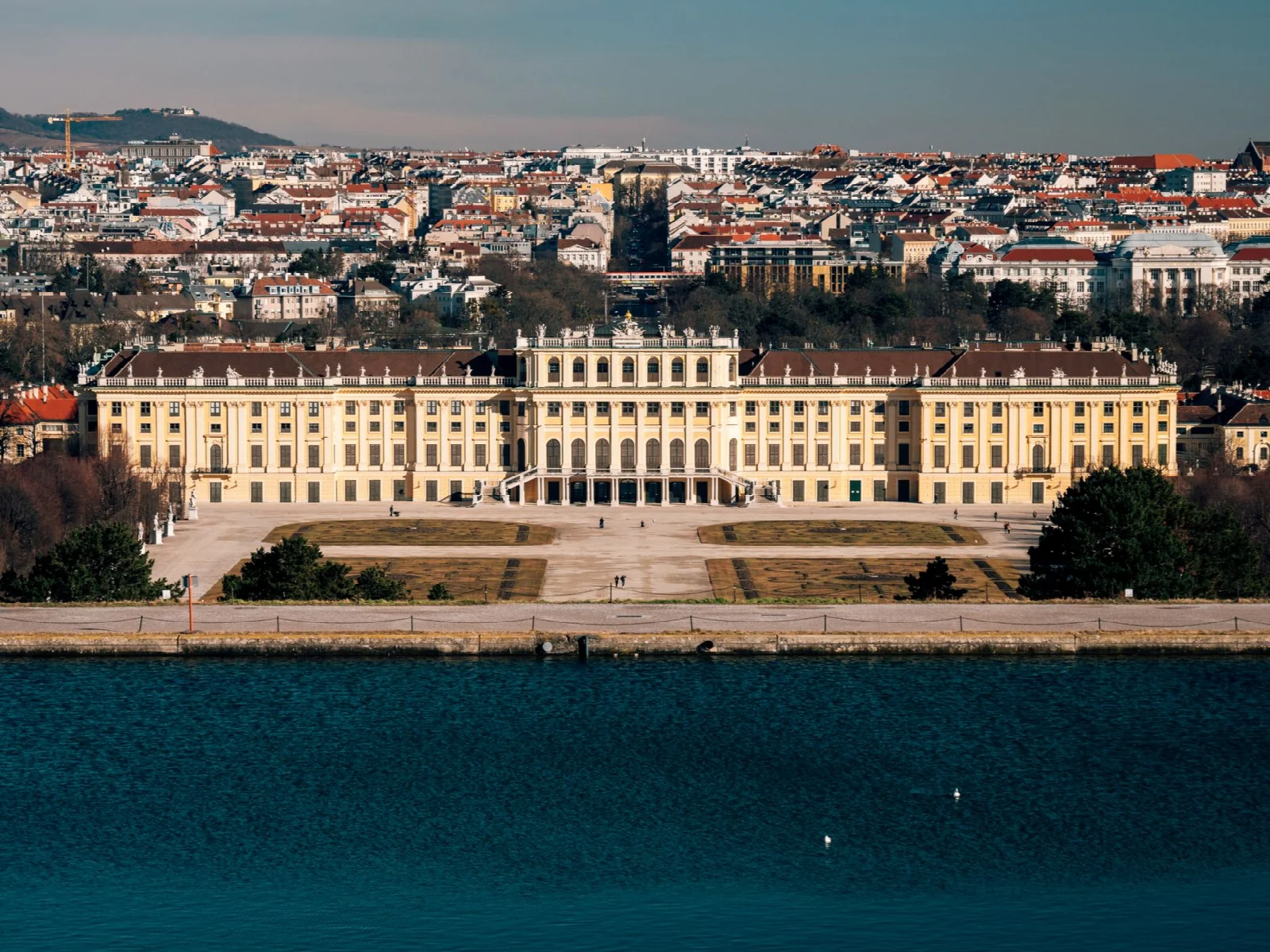
You might arrive in Vienna for a palace photograph and remember the coffee break just as clearly. The Tatilmerkezi Stork likes the spaces between the grand buildings: looking up in a square, watching a tram pass, or sitting quietly after a museum. The city's orderly appearance need not encourage an overly strict schedule. Its details reward a pace that leaves room to notice them.
This guide brings together palaces, art, old-town streets and coffeehouses for a first three-day visit. Rearrange the route around your interests and admission times. Choosing one main visit each day can create a fuller experience than trying to complete several large collections. Here, a rewarding itinerary depends on attention rather than the number of places crossed off a list.
How many days should you allow?
Three full days offer a balanced introduction to the historic centre and Ringstrasse, Schönbrunn, and the Belvedere area. With two days, choose between a lengthy palace visit and a major art collection. A fourth day leaves useful room for another neighbourhood, a museum that interests you, or a walk postponed because of rain.
Treat arrival as an introduction. After leaving your luggage, make a small loop around your accommodation and identify a comfortable starting point for the next morning. On departure day, a convenient local stop may be wiser than a distant palace. Establish the airport route beforehand, especially on a first visit. The current works affecting airport connections make the transport note below particularly relevant.
Schönbrunn: give palace and gardens their own time
Schönbrunn's interiors and gardens invite different rhythms. Official ticket choices cover different rooms and experiences. Check which palace areas and additional attractions belong to your selected product rather than assuming that every garden structure is included. Make the timed palace entrance your main appointment and arrange the outdoor walk around it.
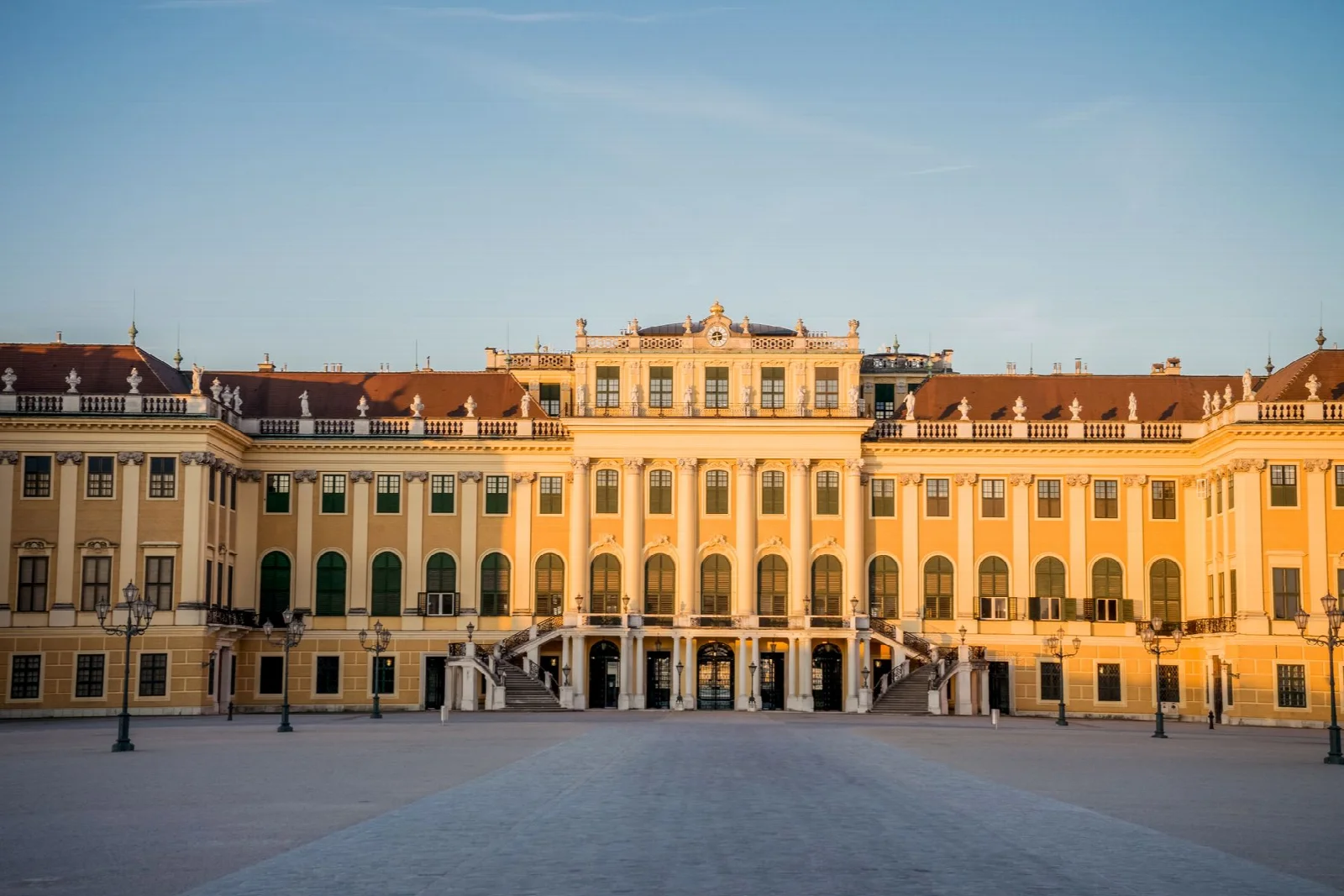
For photographs, move between a broad palace view and smaller façade details rather than relying on one composition. A distant viewpoint also requires a return walk, so budget energy for both directions. Shorten the outdoor section in heavy rain and allow water and shaded breaks in hot weather. After the palace, leave time to absorb what you have seen instead of racing directly to another major reservation.
Belvedere: choose the building and collection
Start by identifying which Belvedere building you want to visit. Upper Belvedere, Lower Belvedere and Belvedere 21 are different experiences, with individual and combined ticket options. The Upper Belvedere's official collection information includes artists such as Klimt and Schiele. If a particular artwork is the main reason for your visit, check its display status for your travel date.
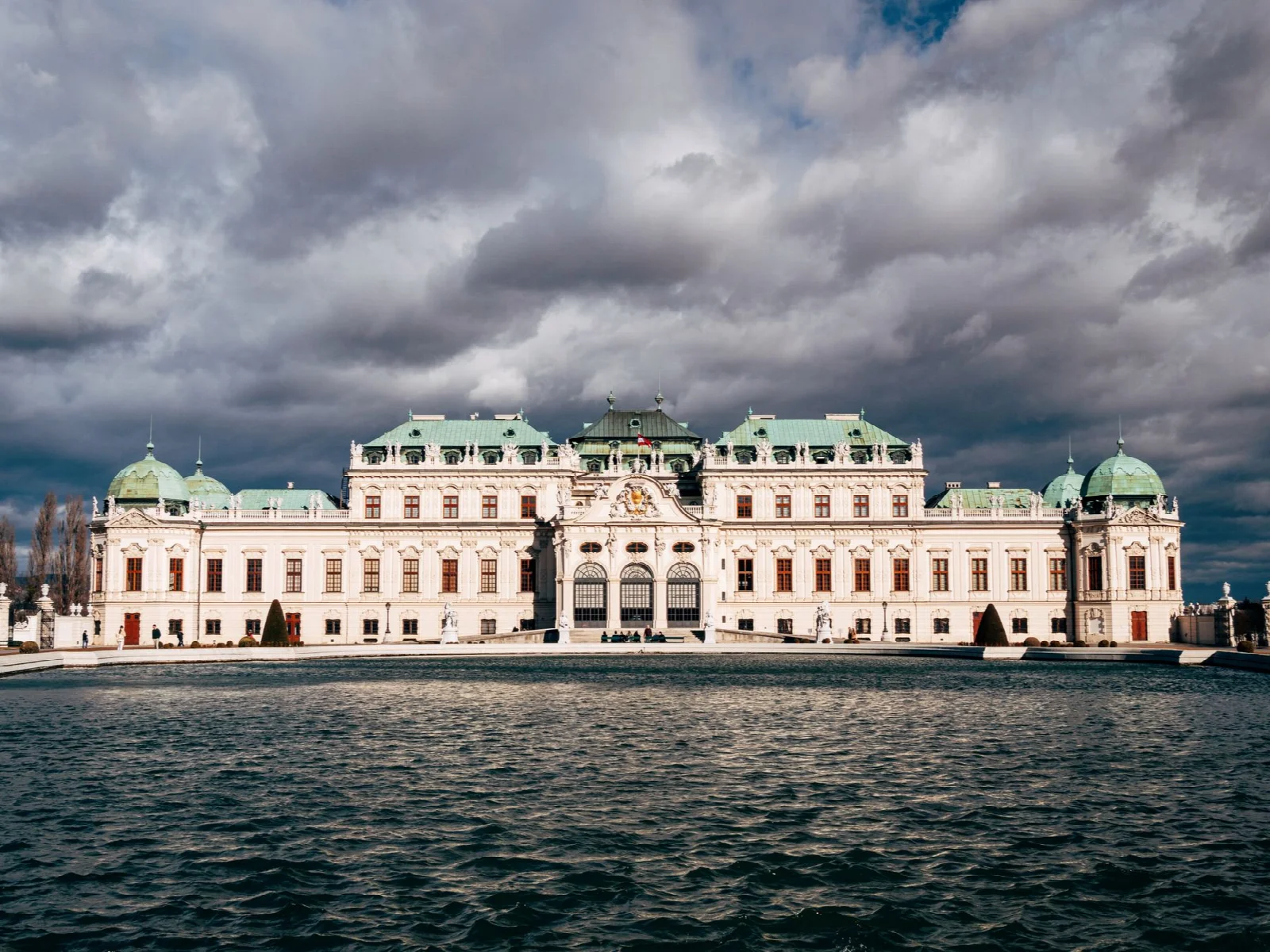
Choose two or three interests before entering rather than moving past every work at the same speed. If details in paintings matter to you, spend less time gathering phone images and more time looking. The gardens can share the day with the museum, but keep that outdoor portion flexible around weather and energy. Save the name of the building and the appropriate entrance before leaving your accommodation.
Ringstrasse: read the architecture from the street
Ringstrasse offers an outdoor introduction to Vienna's major public buildings. The State Opera, Parliament, City Hall and museum surroundings feature in the city's official guide. You do not need to enter every one. Observing a façade, its relationship to a square and its contrast with neighbouring architecture can give the walk a clear purpose.
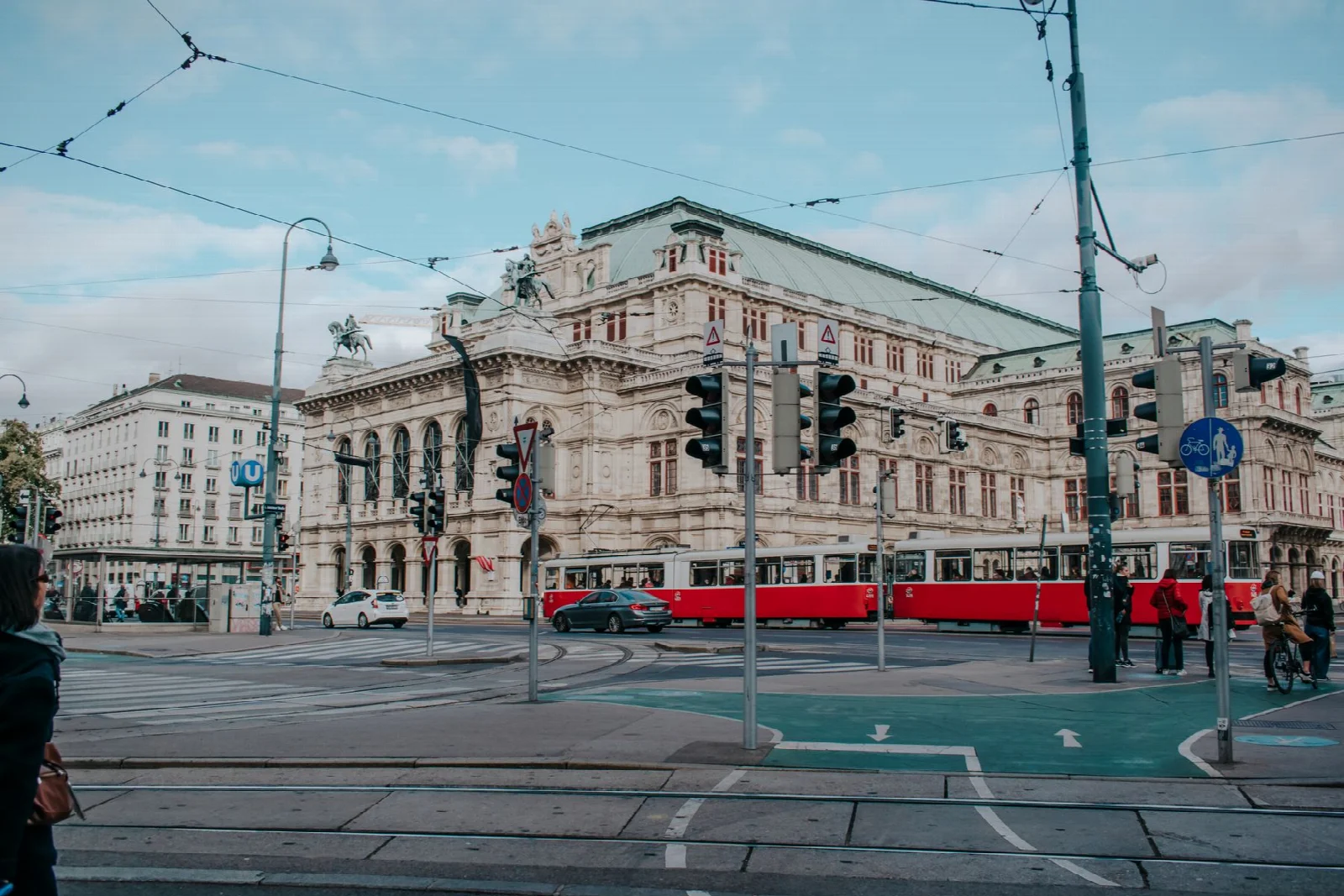
Divide the route into sections instead of treating it as a circle that must be completed in one attempt. Walk one portion and use transport for another when your feet need a break. Find photograph angles from pavements rather than stepping into traffic. Seeing the opera building, taking a tour and attending a performance are separate plans. Use the institution's own calendar if an evening event interests you.
Stephansplatz and an old-town walk
The area around St Stephen's Cathedral is a useful place to develop your sense of direction. The tower and roof draw attention upwards while nearby streets reward a closer look. Different parts of the cathedral and its tours can have separate arrangements, so check the conditions for the area you want to enter. Seeing the exterior does not imply access to every interior section.
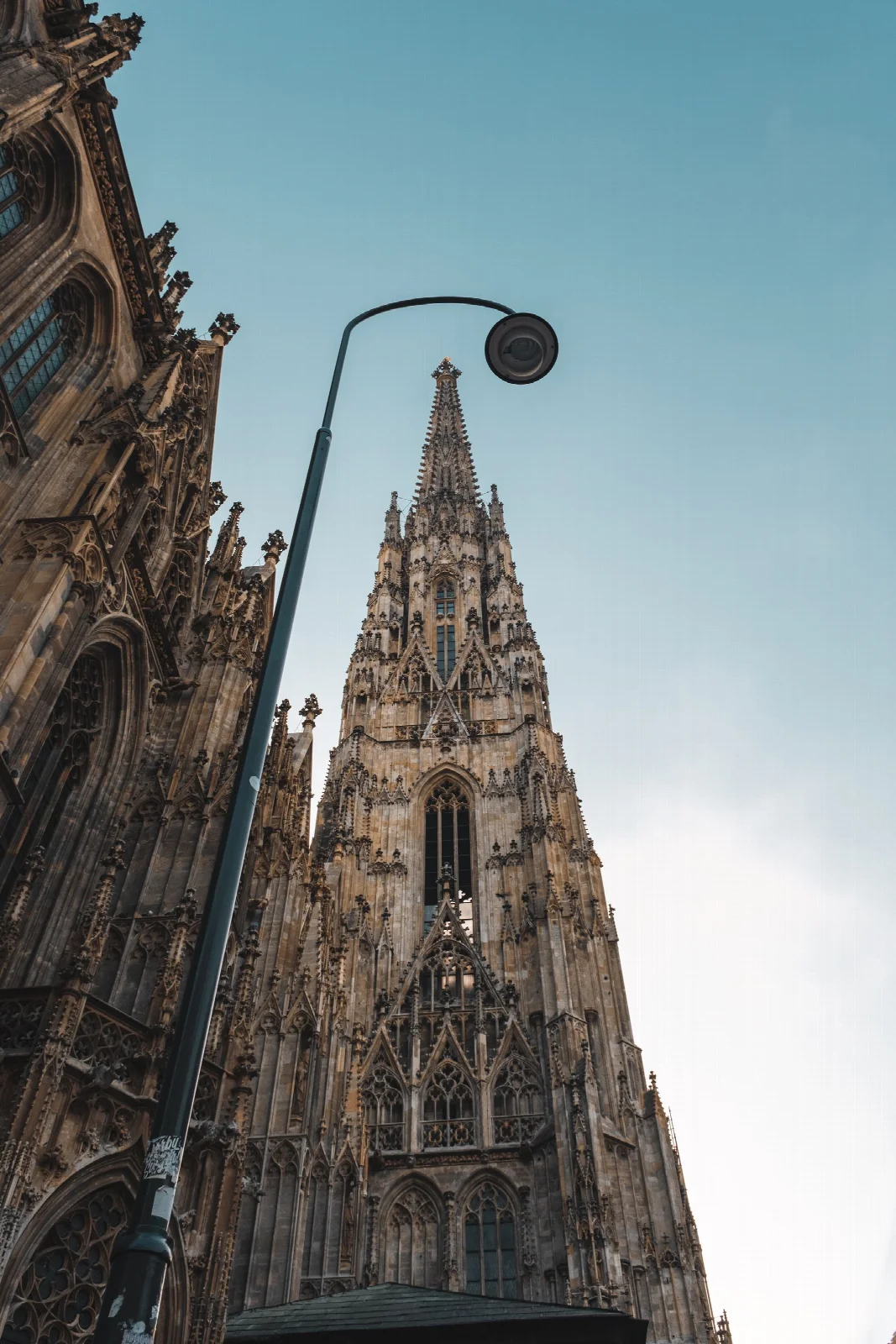
Create a small loop from the square through a few surrounding streets. Instead of filling the map with dozens of pins, choose two modest goals: an architectural detail and somewhere to rest. Slow down in busy areas and leave entrances clear when photographing. If rain arrives, a nearby indoor pause can be enough; every change of weather does not require a replacement major attraction.
A three-day Vienna itinerary
Begin day one around Stephansplatz, then explore a chosen stretch of Ringstrasse. Arrange a museum or evening performance around that framework if it interests you. After a flight, a square, a short walk and an early dinner may be sufficient. One pleasure of arriving is that you do not need to name or understand every building immediately.
Give day two mainly to Schönbrunn. Place a meal or rest between the palace and gardens, changing the order to suit weather and your ticket. On day three, combine Belvedere with an unhurried coffeehouse break. If you want to finish another Ringstrasse section, choose the length of your museum visit accordingly. This is a suggested route, to be adapted to the institutions' opening and admission arrangements.
Current airport transport works
Checked on 2 October 2026: Vienna's official tourism information describes construction affecting airport connections. CAT is providing a temporary bus replacement for its train connection, with the arrangement expected to extend approximately to the end of October 2027. Do not build a transfer around an uninterrupted train time quoted in an older guide. Check the official airport transport overview and the operator's current information for your date.
The most suitable connection depends on the station or hotel you need to reach. When comparing rail and bus options, include changes, luggage and the final walk. Do not assume that an ordinary city ticket automatically includes the airport journey; read the coverage of your chosen product. For the flight home, allow room for works and traffic rather than choosing a connection with no margin.
Walking and public transport in the city
Connect nearby central stops on foot and treat an outing such as Schönbrunn as its own transport step. Avoid organising every day around repeated journeys back to the centre. Consider the last attraction, dinner and accommodation together to reduce unnecessary travel. Read ticket duration, personal-use and validity conditions when purchasing.
For an accessible route, the station name alone is insufficient. Check lifts, platforms and the route out of the station using current information. If standing for long periods is difficult, pair a palace or museum with a short outdoor walk rather than another extended visit. Choosing two nearby indoor alternatives for a wet day also reduces the need for a long journey whenever plans change.
Make the coffeehouse part of the itinerary
Coffeehouse culture has a prominent place in Vienna's official visitor information. Sitting down with a drink and something sweet can be an experience in its own right. Read the menu, listen to the room and talk about the museum you have just seen. The Stork's suggested luxury here is time at one table, rather than collecting the names of several famous cafés.
If a particular establishment matters to you, check its own reservation and service information. Keep a nearby alternative rather than spending the entire afternoon waiting solely for a celebrated name. Separate the coffee-and-cake allowance from your main meal budget: several small stops can add up. Asking about unfamiliar menu ingredients also makes it easier to choose something you will enjoy.
Where to stay and how to divide the budget
A central base may simplify short walks, while a property farther out can work well with useful transport connections. Avoid choosing solely from a neighbourhood label. Compare the airport arrival, evening return, room noise, lifts and luggage arrangements using the same list. If you plan to attend performances, give the late return as much attention as the daytime sightseeing route.
Divide spending into accommodation, main admissions, transport and meals. A combined ticket is valuable only when its included visits suit your interests. Going somewhere merely because it is covered can consume limited time. Make palace and museum costs visible before travelling, then balance those days with outdoor exploration. Check current prices through the official sales channel for your date.
Frequently asked questions
Can Schönbrunn and Belvedere share a day?
It may be possible if transport and admission times align, but two substantial interior visits can be tiring. Separate days make both easier to explore at a relaxed pace.
Is the old CAT train information still reliable?
On 2 October 2026, the official tourism source describes a temporary bus arrangement. Recheck the route for your travel date instead of assuming older journey times remain valid.
Should you visit every major museum?
No. Choose a collection that fits your interests and use the remaining time for squares, architecture and coffeehouses. That can make a more balanced first visit.
Sources and current visitor information
Information checked on 1–2 October 2026. Recheck official admission, works and menu arrangements for your travel date.
- belvedere.at — upper belvedere
- schoenbrunn.at — all tickets tours
- wien.info — ringstrasse
- wien.info — coffeehouses
- wien.info — st stephens cathedral 359690
- wien.info — airport to center
- wien.info — city airport train 343124
The Tatilmerkezi Stork is our brand's storytelling character. This guide combines official sources and editorial route suggestions; it is not a personal travel diary.