
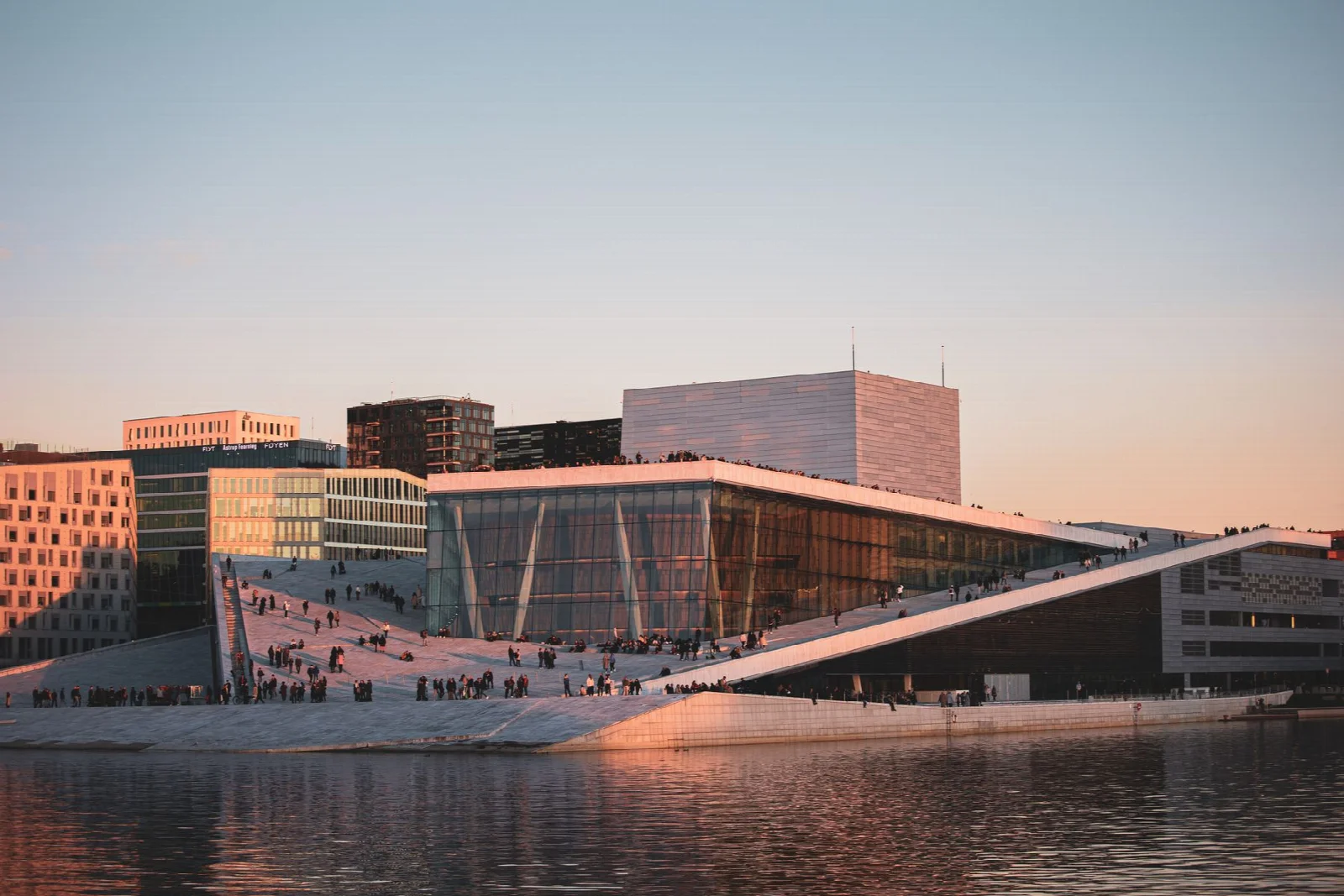
A rewarding way to understand Oslo is to start beside the water. The Opera House’s pale lines, Bjørvika’s glass façades and the open outlook across the fjord share the same walk. The Tatilmerkezi Stork invites you to build your day around a stretch of waterfront, an art stop and a neighbourhood where you can pause. Oslo often makes its strongest impression in the spaces between its headline attractions.
On a first visit, resist squeezing the entire city into two or three days. Contemporary architecture and MUNCH can anchor one day; Vigeland and Bygdøy deserve their own time. With children, treat the sculpture park as an outdoor break rather than another checklist. In wet weather, Fram offers a different focus: exploration history. This guide helps you choose according to your interests and distinguish museum admission, the Oslo Pass and ordinary public transport tickets. Pack an extra layer for exposed waterfront walks and choose dinner near your final stop. Reducing unnecessary journeys leaves more time to enjoy the Norwegian capital at a comfortable pace.
Where to begin in Oslo
The Opera House and Bjørvika
Oslo's Opera House is known for its walkable roof. Looking at the sloping building from the waterfront and attending a performance are different experiences: select a production and ticket separately if you want a show. Assess the roof according to the weather and surface conditions, and do not feel obliged to climb an uncomfortable slope for a photograph.
The Opera's visitor information distinguishes accessible entry from wheelchair spaces in the auditoriums. Decide whether you want a performance, a guided tour or a foyer visit before making a booking. Afterwards, keep the day around Bjørvika and leave room for a waterside break instead of immediately travelling to another distant attraction.
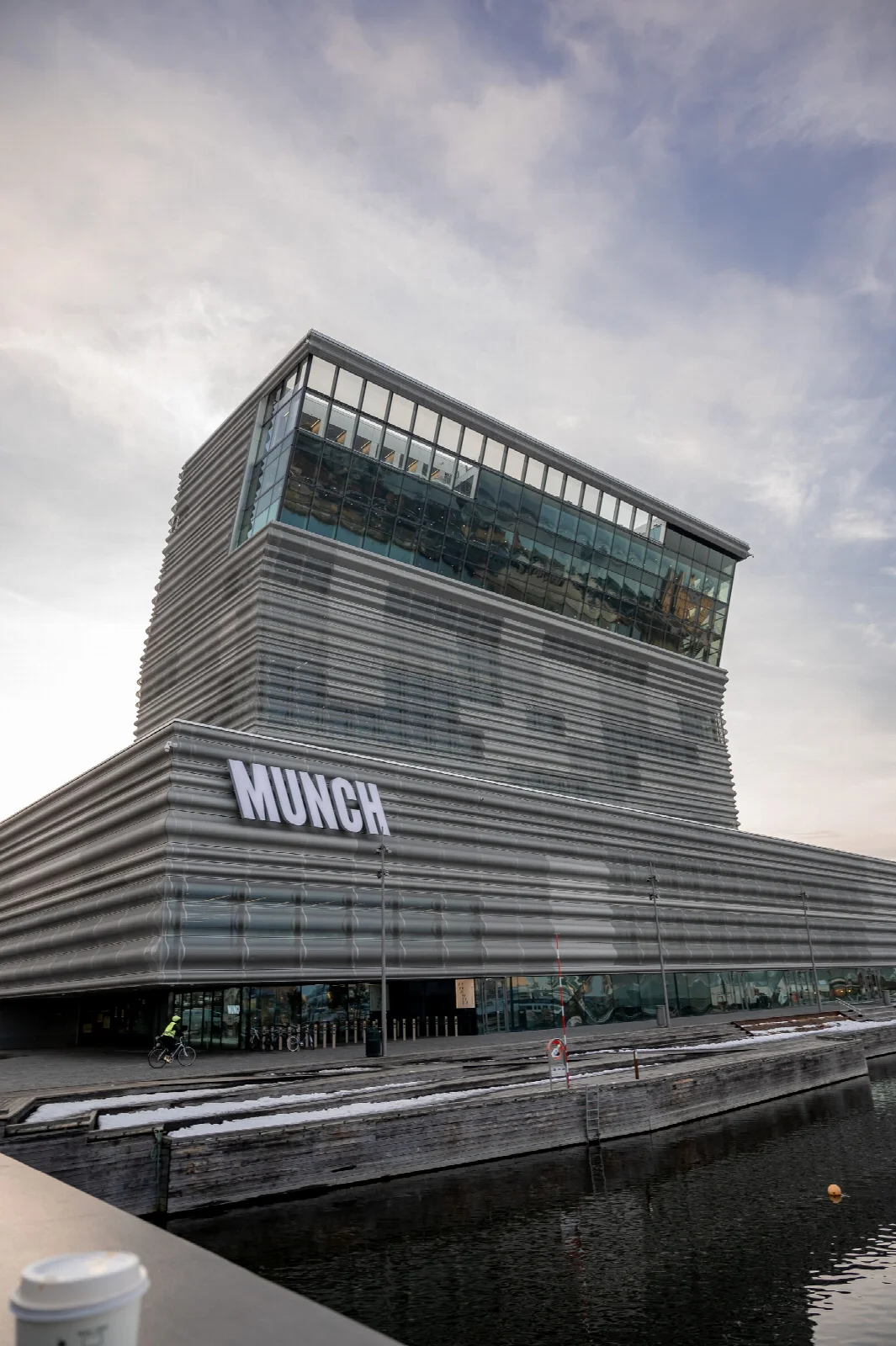
MUNCH: plan admission and baggage together
MUNCH can provide the main art stop for your Bjørvika day. The museum recommends advance timed admission, cannot store large suitcases and does not allow pushchairs in its exhibition halls. That makes a visit after dropping your luggage at your accommodation more practical than one squeezed directly into a baggage-laden arrival.
Try choosing one part of the exhibition programme that interests you before you arrive. It gives the visit a focus beyond seeking a single famous image. Rather than adding another major collection immediately afterwards, leave time for coffee and a conversation about what you have seen. A slower sequence may be more satisfying than a second admission bought simply because it is nearby.
Vigeland: distinguish the park from the museum
Vigeland Park is an open, free outdoor space; the nearby Vigeland Museum is a separate visit with its own admission conditions. Make the park the centre of an outdoor day, then consider the museum if you want more about the artist's work. Its lack of a lift between floors is particularly relevant when planning access.
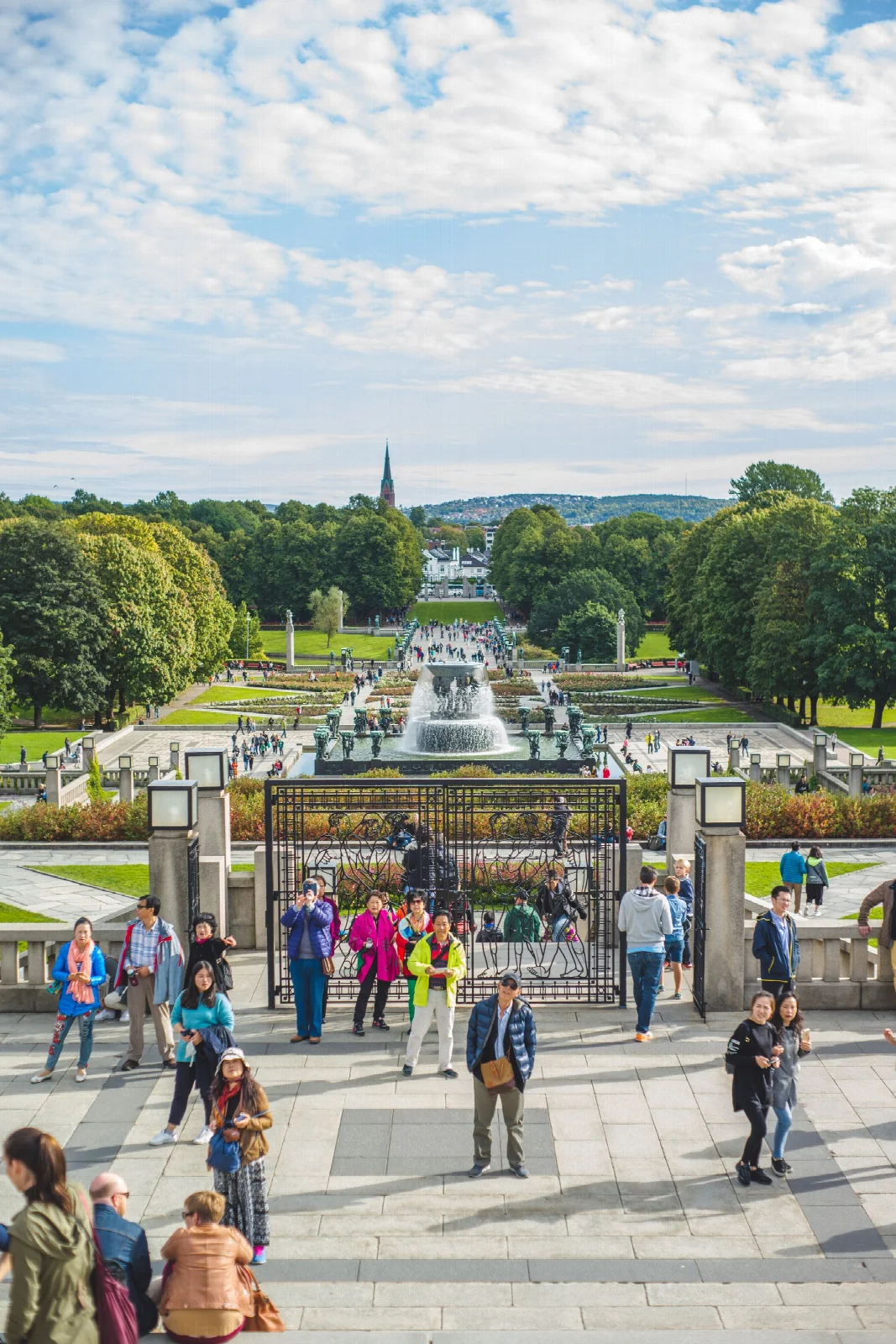
Instead of trying to photograph every sculpture, take one walk to understand the layout and pause at a few pieces that catch your attention. This approach also works for a group with different walking speeds. If rain makes the open-air visit less comfortable, shorten it and move to an indoor option you have already selected.
Bygdøy and Fram: a day for exploration history
At the Fram Museum, the polar ship Fram provides a way into the practical conditions of exploration voyages. The museum describes access from central Oslo by bus 30 or by boat from the City Hall area. Accessible exhibition areas do not mean that every part of the ship is accessible: below-deck access is a limitation to clarify before visiting.
Do not treat Bygdøy as a contest to finish several museums. Decide how much of the day you want to give Fram first. If you still have energy, consider a neighbouring collection; when comparing a combined ticket, make sure the second visit is something you actually want. Leave a generous return margin if you have an evening reservation downtown.
A three-day Oslo itinerary
| Day | Focus | Planning decision |
|---|---|---|
| 1 | Opera House area, Bjørvika and MUNCH | Make museum admission the day's one fixed time |
| 2 | Vigeland Park with an optional museum visit | Adjust outdoor time to the weather |
| 3 | Bygdøy and Fram | Choose bus or boat alongside the ticket coverage |
For a single day, choose one row of the table. Bygdøy in the morning, Vigeland at lunchtime and MUNCH in the evening might look efficient on paper, but the connections and entrances can dominate the experience. For a longer stay, give additional interests their own half-day instead of forcing them into every gap.
Oslo Pass and ordinary transport tickets
The checked Oslo Pass coverage includes local Vy trains serving Gardermoen Airport, but excludes Flytoget and Flybussen. Look at the operator's name before boarding. Do not assume the same airport coverage applies to Torp.
The Bygdøy museum ferry is included with Oslo Pass, while ordinary Ruter tickets are not valid on that ferry. Ruter's single-zone single ticket lasts 60 minutes from activation, with longer validity when additional zones are purchased. Match the ticket to your journey's zones and the actual boat service rather than treating every vessel as part of the same system.
Compare the pass with the admissions and transport you genuinely intend to use. A day centred on a free park and waterfront walks creates a different calculation from a day visiting several paid collections. Distinguish buying a product from activating it, and plan the start around the paid section of your trip.
Accommodation, meals and daily pace
Oslo S and Bjørvika connections are worth comparing if you want arrival transport to fit easily with the first day's route. A trip focused on Vigeland may also justify looking at accommodation farther west. Evaluate the nearest stop, the evening journey and the real walking route with luggage instead of choosing on the hotel's district label alone.
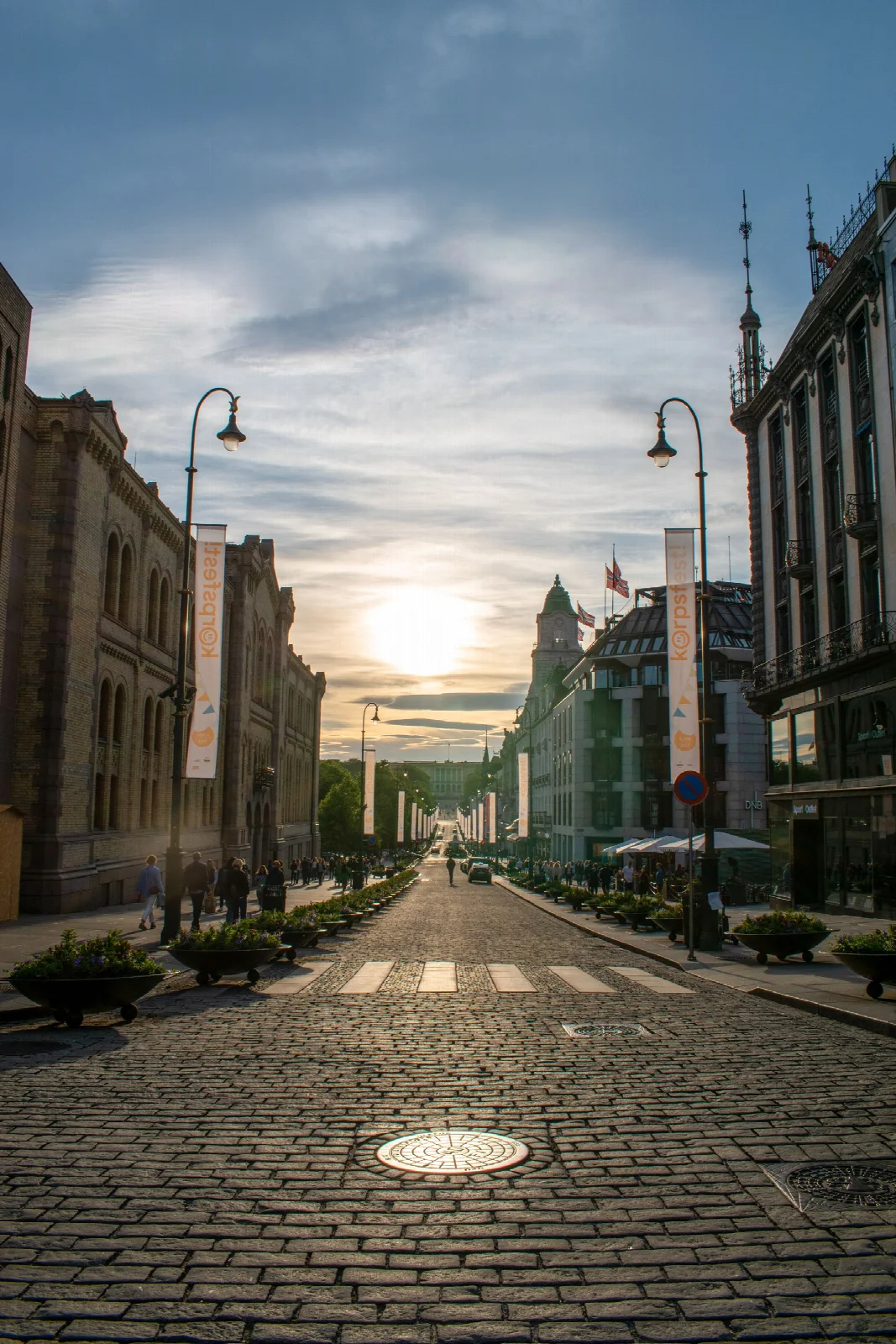
Allow meals their own space rather than squeezing them between timed entrances. On the Bygdøy day in particular, think ahead about where and when you will stop for lunch. Keep museum, transport and food costs separate in your plan; the combined effect of several small purchases can matter more than the single admission that initially looks expensive.
For photographs, give each day a different subject: architectural lines around the Opera, details and forms in the park, and objects or exhibition scenes where museum photography rules permit. Ask before photographing other visitors closely. Keep any performance photography separate from ordinary sightseeing and follow the venue's restrictions.
The Stork’s Oslo photo notebook
If you brought home just one Oslo photograph, would it show the Opera House reflected in water, a sculpture at Vigeland or Akershus’s stone walls above the fjord? The Stork suggests giving each area a different visual theme. Look for lines and reflections in Bjørvika, the relationship between sculpture and trees in the park, and the open space that water creates along the shore. Your album will tell a more varied story than a series of almost identical skyline views.
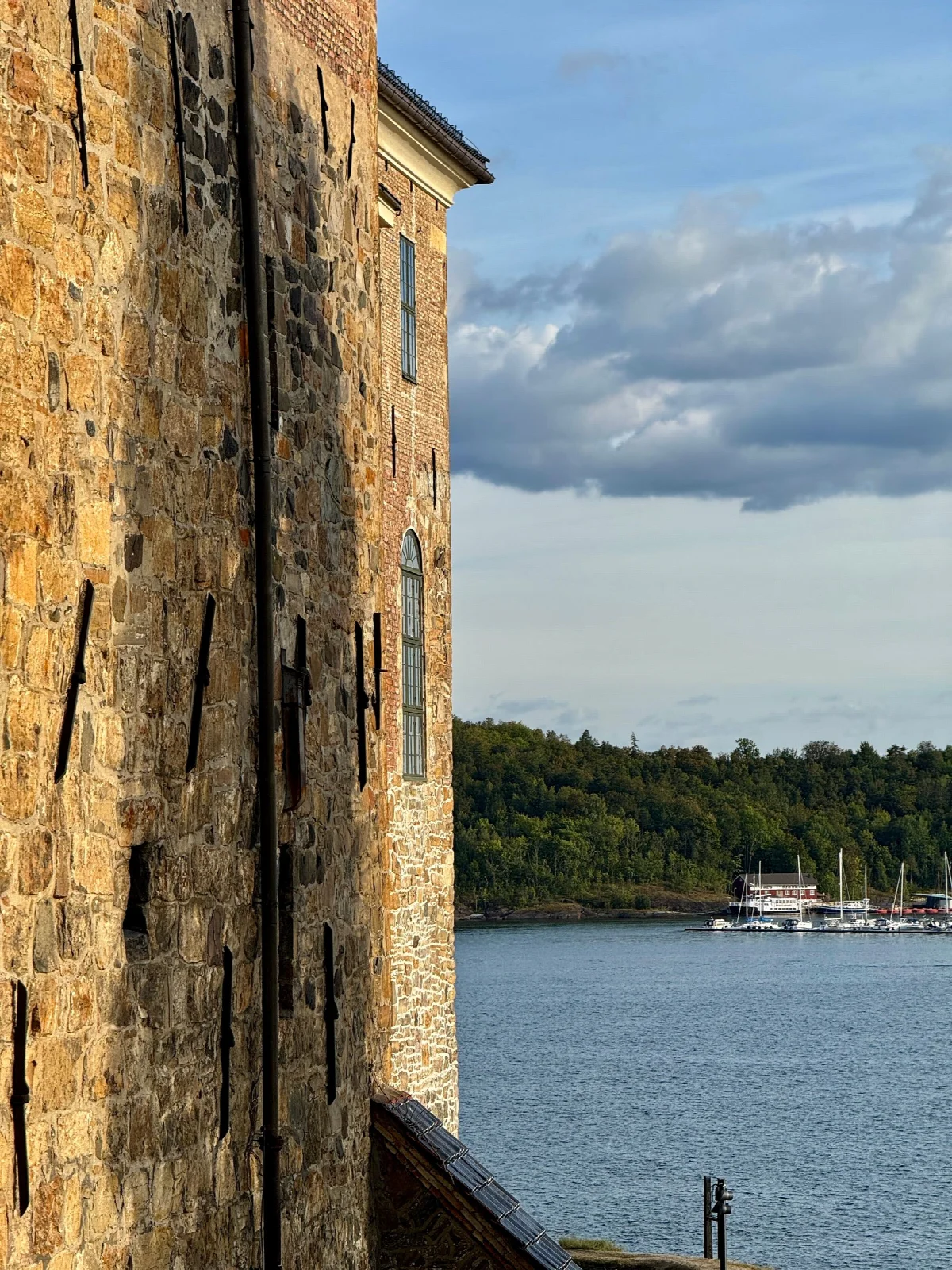
A small idea for Akershus: Leave room on a waterfront walk to appreciate the fortress from outside. This does not require turning the entire afternoon into a museum itinerary. Follow the routes that are open and respect signs on the ground; if an event or restriction limits access, choose another waterfront viewpoint. The contrast between textured stone and a softer expanse of water can reveal more about the city than a crowded panoramic frame.
Choosing a photograph worth sharing
For phone photography, begin by cleaning the lens, then try one wide view and one detail while keeping the horizon level. People are not background props: ask permission before taking close portraits in which faces are clearly identifiable. Stand aside when photographing sculpture or architecture so others can pass. Around the Opera House, do not trade secure footing on wet or slippery surfaces for an angle. If the sky turns grey, try reflections and architectural details rather than cancelling the walk. A colourful sunset is a possibility, never a promised part of a trip.
When sharing, identify the actual building or neighbourhood instead of adding only “Oslo.” An exterior photograph of MUNCH does not show an exhibition inside, and photography rules can differ between exhibitions. A short, accurate caption helps the next traveller connect an appealing image with a real place on their route.
Frequently asked questions
Can I see Oslo in two days?
You can make a strong start with Bjørvika and one other main area. Choose Vigeland for outdoor time or Bygdøy for exploration history, rather than trying to combine both into a rushed second day.
Can I use one ticket on every boat?
No. Distinguish the Bygdøy museum ferry from ordinary city transport products, and read the operator and coverage before travelling.
How should I change the plan in rain?
Move the open-air day to more suitable weather and bring forward your selected museum. Check luggage, pushchair and booking conditions for the replacement visit as well.
Official sources and planning note
Sources checked on 1 October 2026. Route order is an editorial suggestion; suggested time allowances do not guarantee availability or connections. Check operating services, open areas and ticket conditions for your travel date with the relevant operator.
- VisitOSLO: Opera binası ve çatı / Opera House and rooftop
- Operaen: ziyaret ve erişim / practical visitor information
- MUNCH: saatli giriş, çanta ve çocuk arabası kuralları / visitor rules
- Vigeland: ücretsiz park ve ayrı müze / park and museum access
- Fram: koleksiyon, ulaşım ve erişim / collections, transport and access
- VisitOSLO: Oslo Pass ulaşım kapsamı / transport coverage
- VisitOSLO: Bygdøy feribot bileti / museum ferry tickets
- Ruter: tek bilet süresi ve bölgeler / single-ticket validity
The Tatilmerkezi Stork is our brand's storytelling character. This guide combines official sources and editorial route suggestions; it is not a personal travel diary.