

At a Dublin table, names such as coddle, boxty and chowder become a small map of discovery. The Tatilmerkezi Stork suggests a route from a warming meal to a harbour view. Start with the dishes, then fit central food breaks and a Howth outing into your trip. One new flavour each day can be a better beginning than attempting every local dish at one sitting.
Irish dishes to consider in Dublin
- Coddle: Tourism Ireland describes this Dublin dish with bacon, sausages, onion and potato.
- Boxty: A traditional potato pancake; check its filling and sauce separately.
- Seafood chowder: A seafood soup; ingredients and portions can vary by business.
Consider one main food experience each day rather than trying every dish at a single meal. Ask whether a smaller portion or sharing option is available before ordering; do not assume an unlisted option will be offered.
Bread, breakfast and café breaks
Visit Dublin discusses soda bread, oats and dairy as ingredients in Irish cuisine. Black pudding and white pudding are meat-based breakfast products, not sweet desserts. Ask the business for its recipe and ingredients.
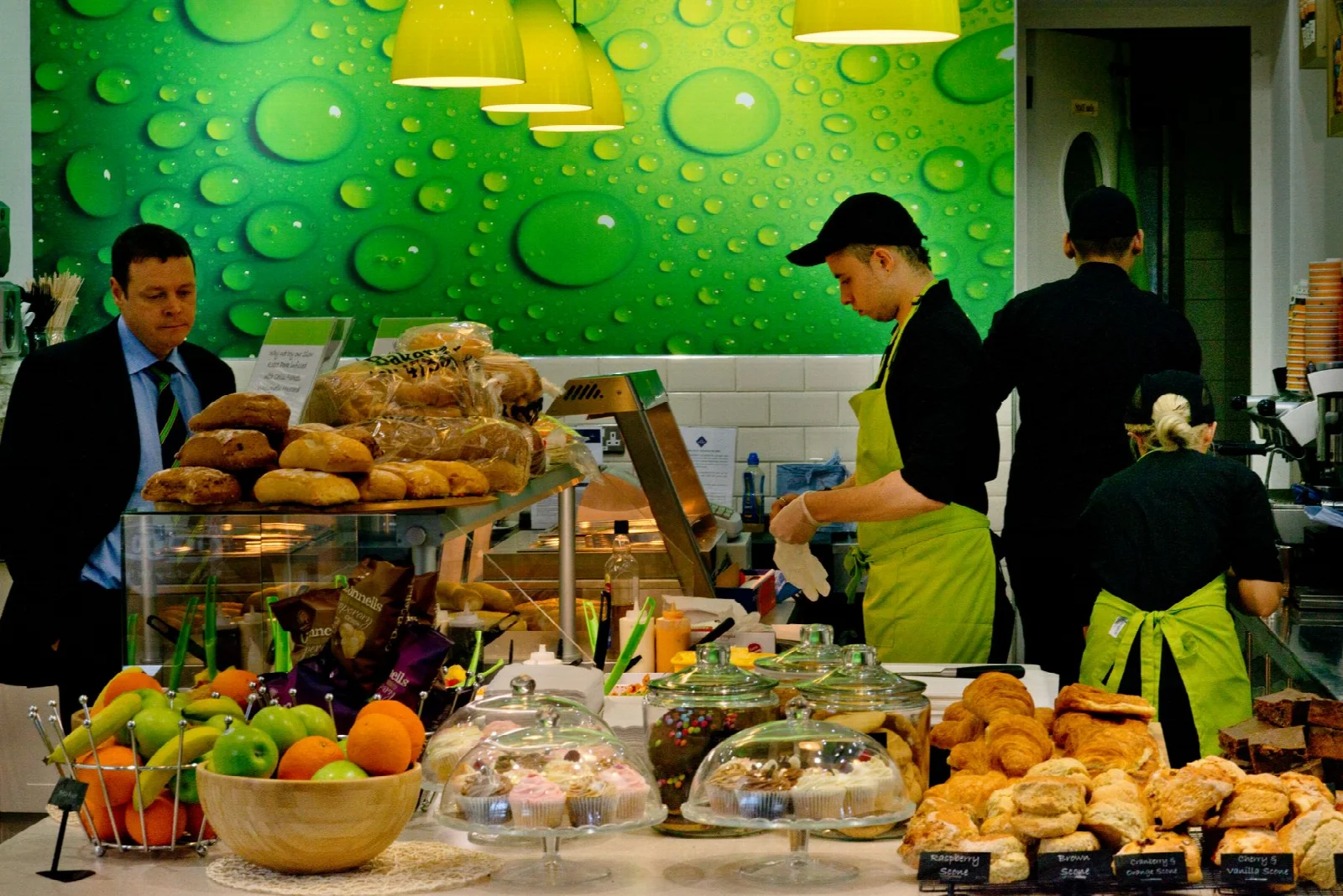
You do not need a large cooked breakfast every day. Choose a meal that suits your walking and sightseeing plans, and leave another dish for lunch. Check whether breakfast is included with accommodation to avoid budgeting twice for the same meal.
A small menu glossary
- Starter: A first course.
- Main: The main course.
- Side: An accompanying dish that may cost extra.
- Rashers: Bacon slices.
- Chips: Fried potatoes; crisps refers to the packaged snack.
Rely on the current description rather than a dish photograph if they differ. Do not assume sides are included or a large-looking plate is intended for sharing. Asking about portions and the total charge before ordering can make planning easier.
Vegetarian, vegan, halal and allergy preferences
A potato or vegetable dish is not automatically vegan or vegetarian. Ask about stock, sauces and cooking ingredients. For halal preferences, do not draw conclusions from a dish name or the cuisine’s country; seek verifiable information from the business. If you have an allergy, discuss written ingredient information and preparation conditions with staff. This guide cannot guarantee that any dish is safe or suitable for you.
Writing a short statement of your requirements before travelling can help communication. Check that a translation app expresses your needs correctly. An unclear answer should not be treated as confirmation.
How to plan a Dublin food budget
Instead of relying on fixed prices, make separate allowances for breakfast, lunch, dinner, drinks and snacks. Consult the business’s own current menu. If considering a set or lunch menu, check its service times and whether drinks or additional charges are included. Read cancellation and change conditions before committing money to a reservation.
A flexible day of food stops
- Morning: Accommodation breakfast or a bakery or café that interests you.
- Lunch: A stop near your sightseeing route, with time to try one unfamiliar dish.
- Evening: A main meal whose menu you have checked in advance.
- Backup: A second business and a simpler meal option if plans change.
This is editorial planning advice. It does not confirm that a particular business is open, has tables or serves a listed dish that day.
A quick lunch: sandwiches and warm plates
Lunch in Dublin does not need to involve a lengthy restaurant reservation every day. A sandwich or a warm plate can fit comfortably between a museum and a walk. Toasted sandwiches appear in Visit Dublin's account of local food. Look at fillings, accompaniments and portions rather than the name alone. The photograph illustrates a meal, not a current menu or a recipe shared by every establishment.
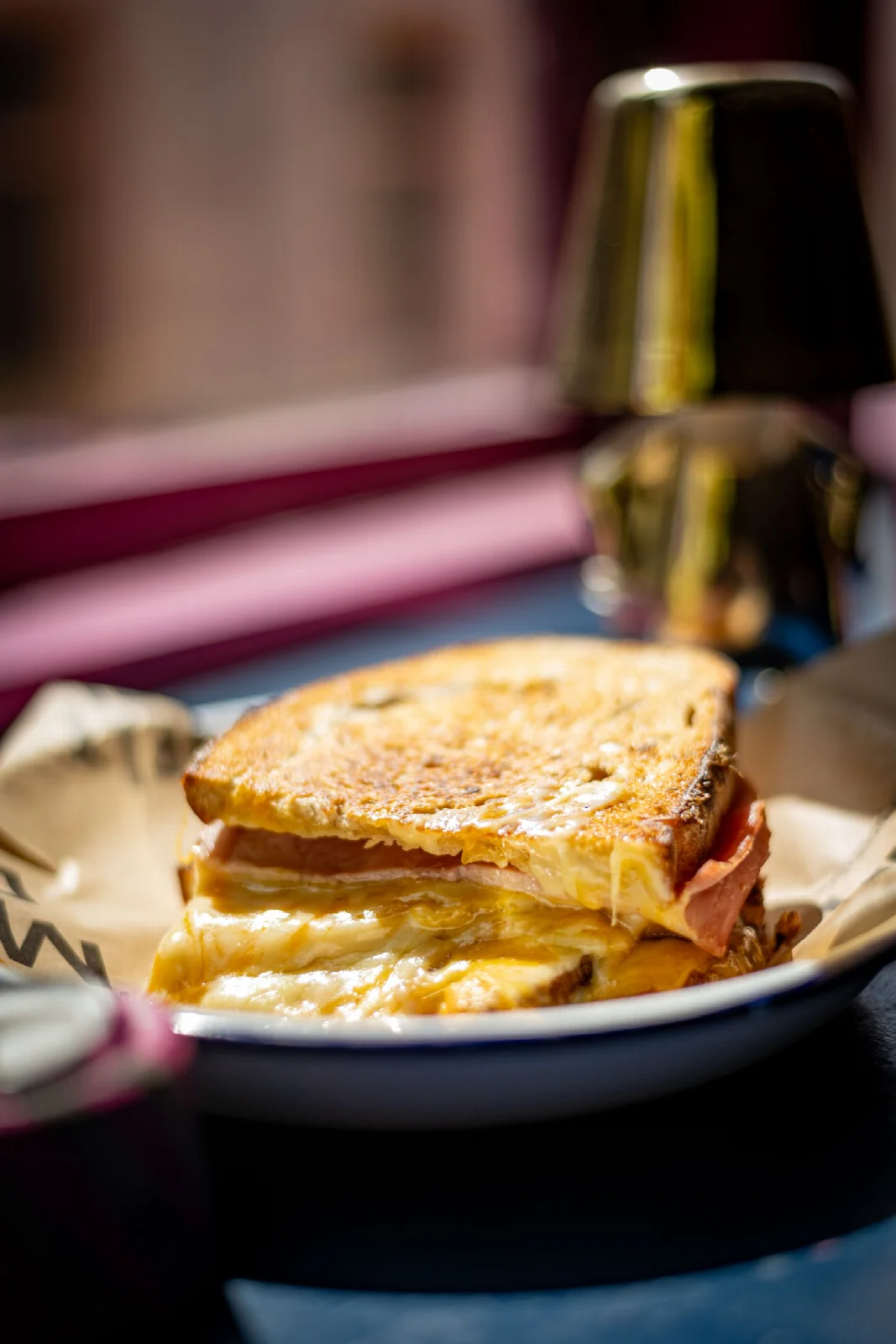
If a long visit follows lunch, avoid putting the meal immediately before your entrance time. Allow time to order and eat, and agree where your group will meet. Rain may send many people indoors at once, so knowing a second nearby option is useful. A quick meal does not have to be a rushed meal eaten standing up. A short, comfortable rest can improve the rest of the day.
Adding markets and events to a food day
A food stall adds a different setting from a restaurant table. A lively event photograph on social media does not, however, confirm that the same stalls are operating in the same place today. The market image in this guide records an event scene. Before travelling for a market or festival, check the organiser's own date, location and hours rather than treating an old post as a current calendar.

Ask what is being prepared, how it is served and whether seating is available. If your group chooses different sellers, establish a meeting point. Consider whether a small plate will be enough for the main meal you intended. Reading the menu before joining a queue makes decisions easier for you and the people behind you. Choose something you can enjoy appropriately on the spot rather than carry for hours.
Howth: combine seafood with a coastal day
Official Dublin visitor guidance connects Howth with the coast and seafood. Treat it as part of a coastal outing rather than a compulsory restaurant stop squeezed into a short break from the centre. A harbour walk, a pause for the view and a meal selected from a current menu can make a satisfying day together. Check your return connection before setting out.

If seafood interests you, ask what is available that day. Fishing boats in the harbour do not prove that everything on your plate was caught there that morning; that would require information from the business. When conditions change, shorten a longer coastal walk and focus on the harbour and meal instead. Dress for wind as well as the view, so the outing remains comfortable.
Let the menu guide your Temple Bar choice
The lively street scene around Temple Bar can attract attention on a first visit. The cover photograph illustrates that atmosphere; it does not represent a personal review of businesses visible in the frame. If you want to stop here, compare menus, food-service arrangements and your budget. A busy exterior does not necessarily suit someone seeking a quiet lunch.
Look at the room's atmosphere if conversation matters more to you than a lively evening. An open pub does not establish that its kitchen is serving, so ask before settling in. If you prefer not to drink alcohol, choose from the menu's other options. You do not need to let the surrounding crowds set your pace. Sometimes a short walk through the central streets followed by a meal elsewhere provides a better balance.
Build a two-day food route
Keep the first day central: breakfast or a bakery, a simple lunch near your visits and an evening dish you are curious about. There is no need to try coddle, a substantial breakfast and several desserts on the same day. Choosing one unfamiliar dish while keeping another meal simple can suit children or a group with varied tastes.
On the second day, make Howth a separate coastal programme if weather and transport suit. Travellers uninterested in seafood can still pair the scenery with a different menu choice. Keep dinner brief if you return tired. The Stork's suggested goal is not finding one definitive best restaurant; it is discovering which food and atmosphere suit you. Your own notes can become a useful starting point for the next trip.
Photographing a food break
Before photographing a meal, consider the people sharing the table. A brief frame may be enough; the food does not need to go cold during a lengthy arrangement. Window light, a simple composition and a small table detail can tell the story. Ask before making close photographs of staff or other customers. Leave room in the memory for time spent together as well as the image.
Frequently asked questions
Does every Dublin restaurant serve traditional Irish dishes?
This guide focuses on local dish names. Do not generalise one food tradition across every business; choose from its actual menu.
Does an open pub always serve food?
Check food service and kitchen times separately. A venue being open does not establish that its kitchen is operating.
Sources and current visitor information
Information checked on 1–2 October 2026. Recheck official admission, works and menu arrangements for your travel date.
- ireland.com — traditional irish food
- visitdublin.com — irish food
- visitdublin.com — things to do in howth
The Tatilmerkezi Stork is our brand's storytelling character. This guide combines official sources and editorial route suggestions; it is not a personal travel diary.