
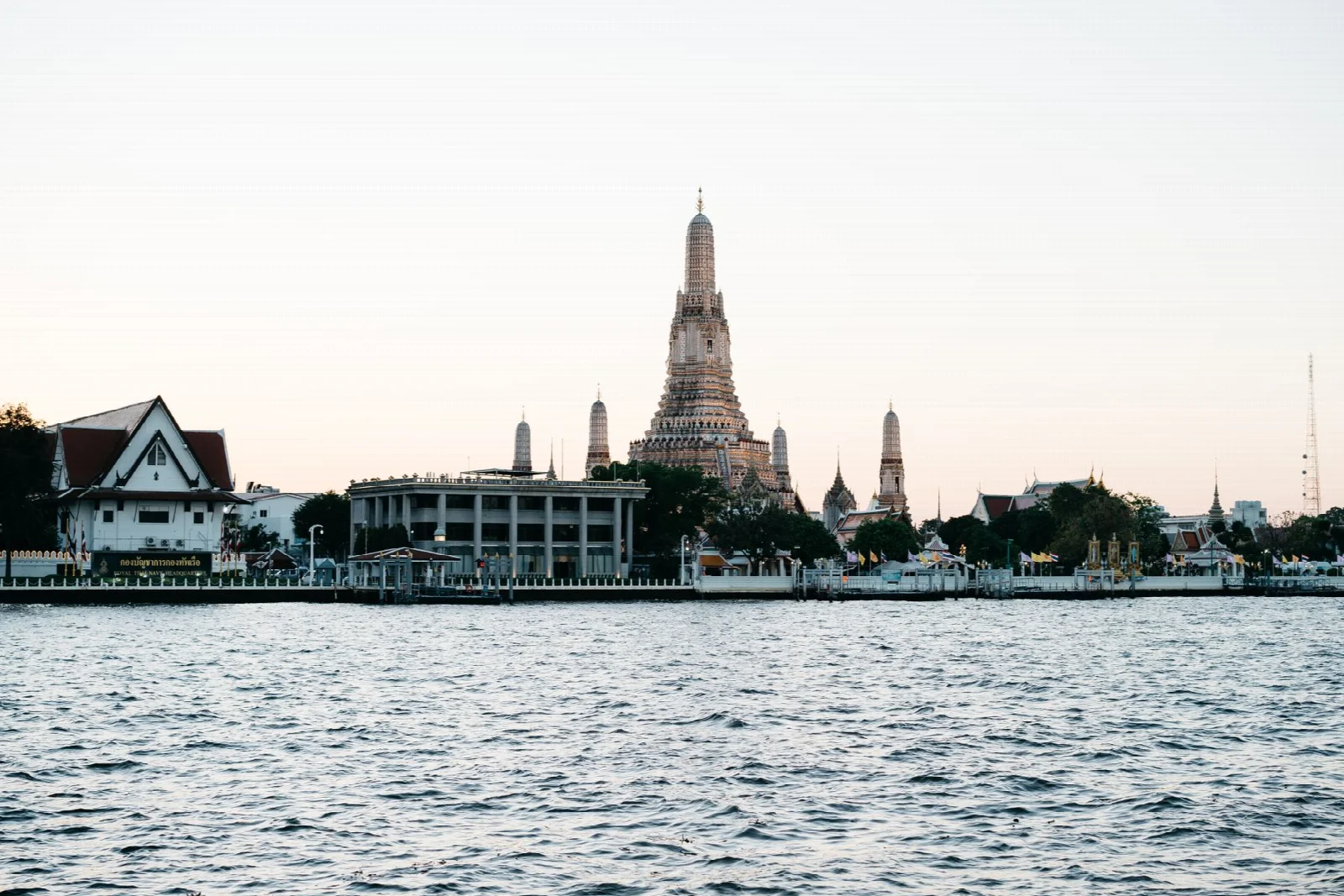
Boats crossing the river, intricate palace roofs and the evening glow of Yaowarat: Bangkok rewards a little curiosity and a realistic daily route. Let the Tatilmerkezi Stork help you connect temples, river piers and food streets without turning the trip into a race. For a first visit, start with three full days: the historic centre, the river and Chinatown, then a day shaped around your interests. A fourth day gives longer museum visits and leisurely breaks more room. The aim is to enjoy each area, with enough energy left to notice what makes it different.
How to organise your Bangkok itinerary
Use the table to connect your sightseeing priorities with accommodation choices. Mark the two places you most want to visit, then compare the actual journeys from each hotel. A short line on the map does not necessarily mean a straightforward walk or a journey without transfers.
| Your priority | Starting points | Planning suggestion |
|---|---|---|
| History and architecture | Grand Palace, Wat Pho | Make ticketed visits the main commitment that day. |
| River scenery | Chao Phraya, Wat Arun area | Choose your pier and return service before boarding. |
| Neighbourhoods and food | Yaowarat, Chinatown | Leave room for small meals and side streets. |
| Markets and shopping | Chatuchak or a chosen shopping district | Match your visit to the market’s operating days. |
Places to visit in Bangkok
Grand Palace and Wat Phra Kaew
Clothing matters as much as ticket choice at the Grand Palace. The official visitor page includes Wat Phra Kaew and the Queen Sirikit Museum of Textiles in the foreign-visitor ticket and lists restrictions on sleeveless, transparent, short and torn clothing. Prepare suitable clothing rather than assuming an extra scarf will resolve every issue. Check the Grand Palace visitor information and date-specific notices before travelling.
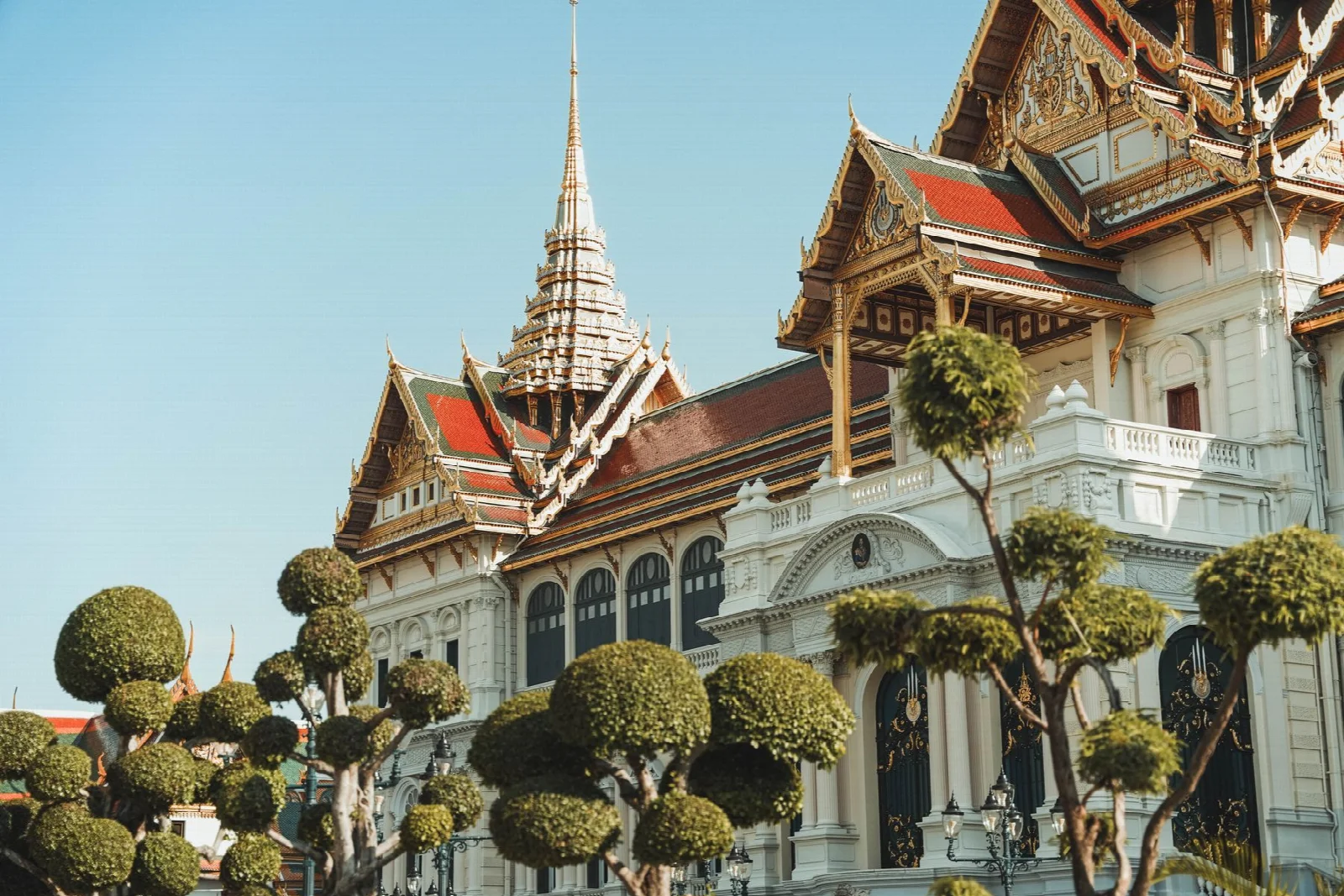
Treat this as a substantial visit rather than a quick photograph stop. Allow a flexible block for the entrance queue, checks and time inside. An open-ended lunch break afterwards is easier to manage than a second tightly timed paid reservation. If your visit takes longer than expected, the rest of the day can still work.
Wat Pho and Wat Arun
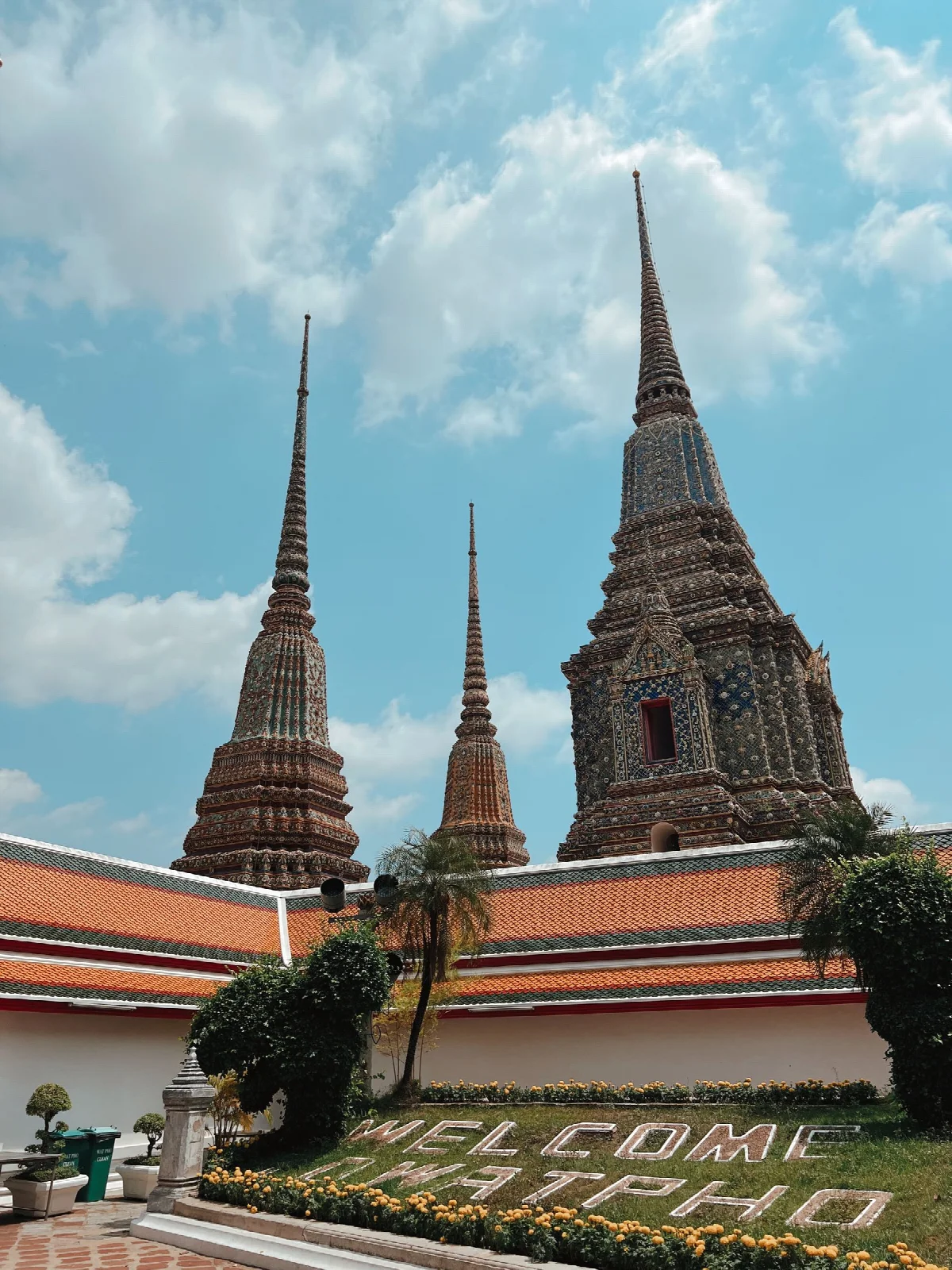
Wat Pho’s visitor information places it beside the Grand Palace, around Sanam Chai and Maharaj roads. This makes it a practical candidate for the same historic-area day. Consult Wat Pho’s own visitor page for arrangements. Follow signs about photography and the use of worship spaces, and leave entrances and walkways clear while you look around.
Wat Arun can anchor a separate river-focused day. The Tourism Authority of Thailand lists Wat Arun and Wat Pho among Bangkok’s principal historic and religious attractions, and highlights Chatuchak among its markets. Its official Bangkok overview is a useful starting point for choosing between temples, markets and shopping interests.
Chinatown and Yaowarat
Plan Chinatown around a handful of streets and food stops rather than one restaurant queue. The tourism authority describes Yaowarat’s shopping and street-food character in its Chinatown introduction. That article is older, so its named businesses are not treated here as current recommendations. Check opening arrangements and menus for the places you actually intend to visit.
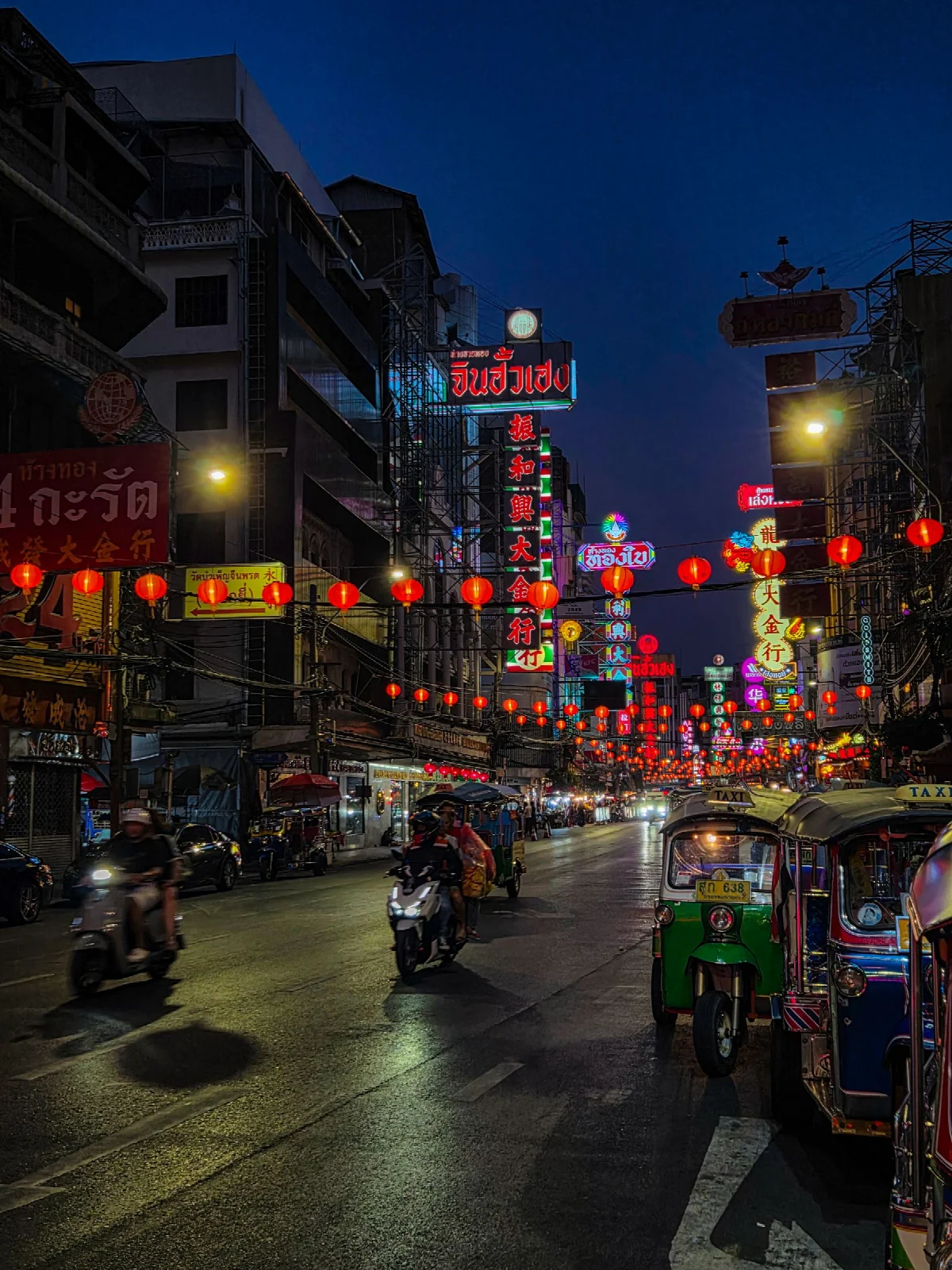
If you want to sample several dishes, begin with a small order instead of a large meal at the first stop. Ask about price, portion size and ingredients before ordering. If you avoid fish, meat or particular ingredients, discuss that with the business rather than deciding from a dish’s name alone. Build in a seated break instead of making the entire evening a continuous walk.
A suggested three-day Bangkok itinerary
Day 1: The historic centre
Make the Grand Palace your main visit. After lunch, continue to Wat Pho if you have the energy and time. One dinner area is enough for the evening. If you enjoy exploring temples slowly, move the river crossing to the following day; you do not need to collect every landmark in one outing.
Day 2: The river and Chinatown
Build your boat journey around a specific arrival pier. You could make the Wat Arun area your main stop, then continue to Chinatown for food and a neighbourhood walk. Save your return route and the stop nearest your hotel while planning the day, rather than sorting out the final journey when you are already tired.
Day 3: Follow your interests
Choose a market if its operating day suits your visit, or combine one cultural stop with an unhurried meal. Returning to somewhere you missed is also a good use of the day. If you fly out that evening, organise the day around luggage collection and the airport journey instead of adding a distant final attraction.
Transport: check both the route and the operator
When comparing hotels, examine the walk to the station, the useful station exit and the number of transfers separately. The official BTS route planner helps you investigate routes, fares and travel times between stations. Do not assume that different transport systems accept the same ticket or apply identical payment conditions; check the operator for each part of your journey.
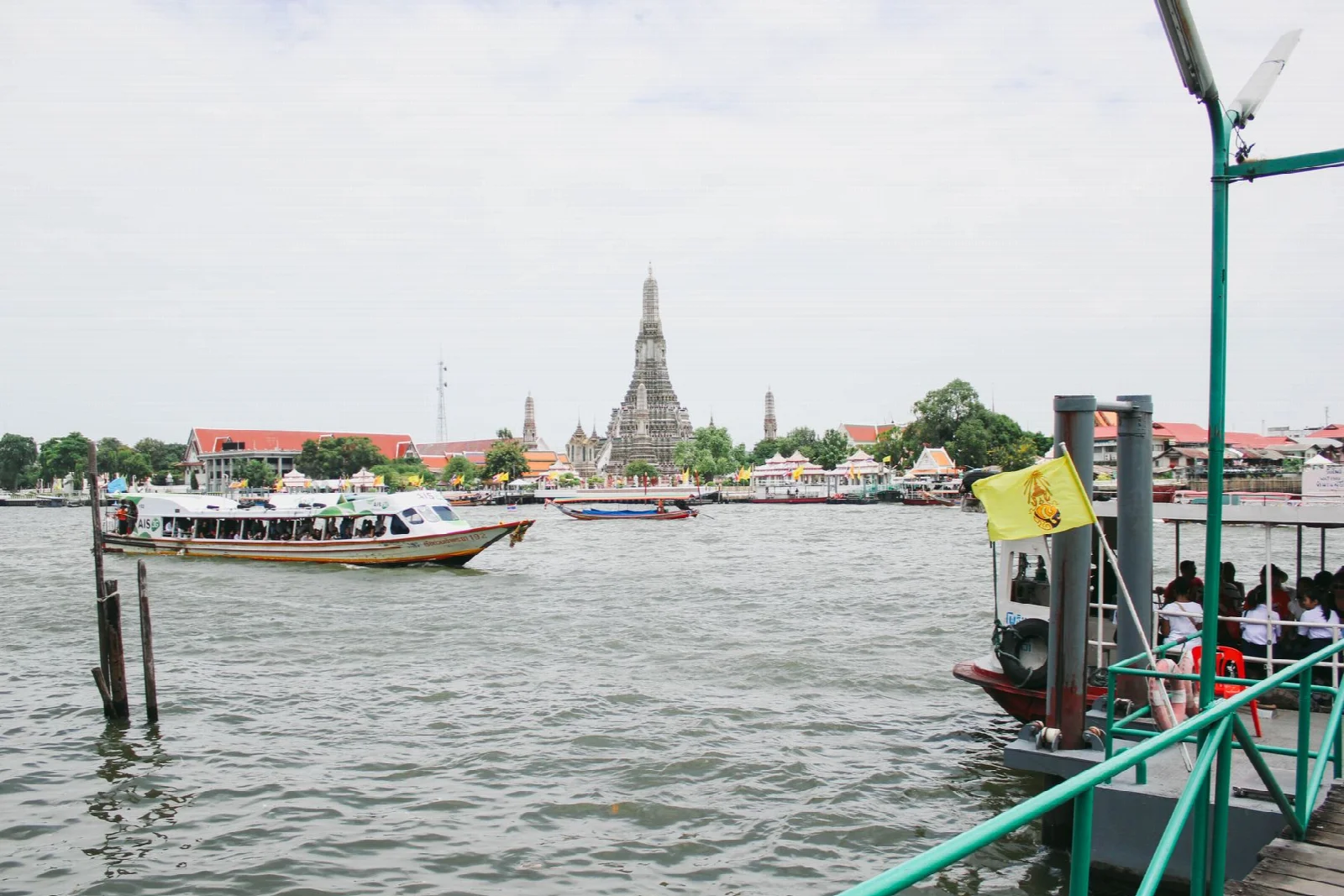
On the river, the direction a boat is heading is only part of the decision. Chao Phraya Express Boat publishes its lines and service arrangements separately. Confirm that your chosen service calls at the required pier, and check your last practical return option. Compare a sightseeing package with an ordinary transport ticket by looking at the piers served and the rules for boarding again.
Choosing accommodation and planning your budget
Compare nightly rates together with transport costs. A cheaper room may offer less of a saving if every evening requires another paid ride. Open the hotel’s exact position on a map and examine the route to the station or pier, including road crossings and turns. A short written arrival description from the hotel can be useful when travelling with luggage.
Divide the budget into accommodation, main visits, daily transport, food and a flexible allowance. List paid stops in the order you intend to visit them; identify the essential costs for each day and leave other spending optional. Use current prices for your own dates rather than relying on a fixed total from an undated itinerary. When travelling with children or at a slower pace, include a rest at the hotel as part of the route.
A Bangkok photography route: four different stories
Try the Stork’s small photography challenge: choose four distinct details from your day instead of ten near-identical views. Look for a complete roofline at the Grand Palace, the rhythm of decoration at Wat Pho, moving boats beside the river and an illuminated street in Chinatown. Your album can show how you explored the city as well as which landmarks you visited. The real photographs in this guide bring together those different perspectives.
At the river, choose a public place where you can stop safely without blocking a boarding queue or pier entrance. Permission to photograph a temple courtyard does not automatically extend to every interior. Follow signs and staff instructions, and let other visitors pass while you compose a frame. Asking before photographing someone is a considerate starting point at a food stall or on a street where everyday life continues around you.
Which side of Bangkok suits your trip?
For architecture: Give the Grand Palace and Wat Pho most of your first day. After two substantial visits, a long meal where you can talk about what you noticed may be more enjoyable than another major ticketed stop. Prepare appropriate palace clothing the evening before so that the morning starts with the visit itself.
For neighbourhoods and food: Do not reduce Yaowarat to the address of one famous business. Take a short walk to compare menus before choosing a few small dishes to share. Confirm what is included and the total cost of your order. Having a second option in the same area keeps the evening flexible if your first choice is closed or too busy. It also leaves room to follow your interests without crossing the city for every meal.
For river scenery: When choosing accommodation, open the actual walking route to the pier as well as the room photographs. A hotel with a river view and a hotel with convenient access to your chosen boat line may offer quite different benefits. Check the return service early in the day and plan your evening around a realistic connection. Leave the third day for whichever part of the first two days interested you most: returning to the river or spending longer at a market can both be worthwhile ways to understand Bangkok.
Frequently asked questions
Are three days enough for Bangkok?
Three full days provide a balanced starting point for the historic centre, river and neighbourhood plan in this guide. Allow longer if you add trips beyond the city or several substantial museums.
Do I need to visit several temples every day?
No. Start with the visit that interests you most. Time to notice architectural details, pause and explore the surrounding neighbourhood can be more rewarding than numerous brief entrances.
Will one transport card cover the whole itinerary?
Do not buy a card on that assumption. Check each rail system, boat journey and other service in your plan, including the payment methods accepted by its operator.
The Tatilmerkezi Stork is our brand's storytelling character. This guide combines official sources and editorial route suggestions; it is not a personal travel diary.