
Osnabrück rewards a traveller who is willing to slow down. Around its historic market square, a town hall, church towers and ordinary shopping streets tell different parts of the same city story. The Tatilmerkezi Stork suggests giving those stories a little breathing room: this is a place to combine a pleasant walk with a thoughtful encounter with the idea of peace, rather than race through a collection of landmarks.
This guide connects the old town with the museum quarter for a flexible first visit. An overnight stay helps if you enjoy spending time with art; a short stop can still work if you concentrate on the square, the cathedral surroundings and Krahnstraße. Timings below are editorial planning suggestions, not official tour durations. Check institutional access and travel arrangements for your own date.
How long should you stay in Osnabrück?
One full day provides a useful balance between an old-town walk and one selected museum visit. With two days, you can explore an additional collection or add some time outdoors without pushing everything into the first afternoon. If you are continuing elsewhere by train, build your departure buffer into the itinerary before choosing your final stop. Selecting one main museum is often more rewarding than trying to see every building and remembering very little of any of them.
Start at the town hall and market square
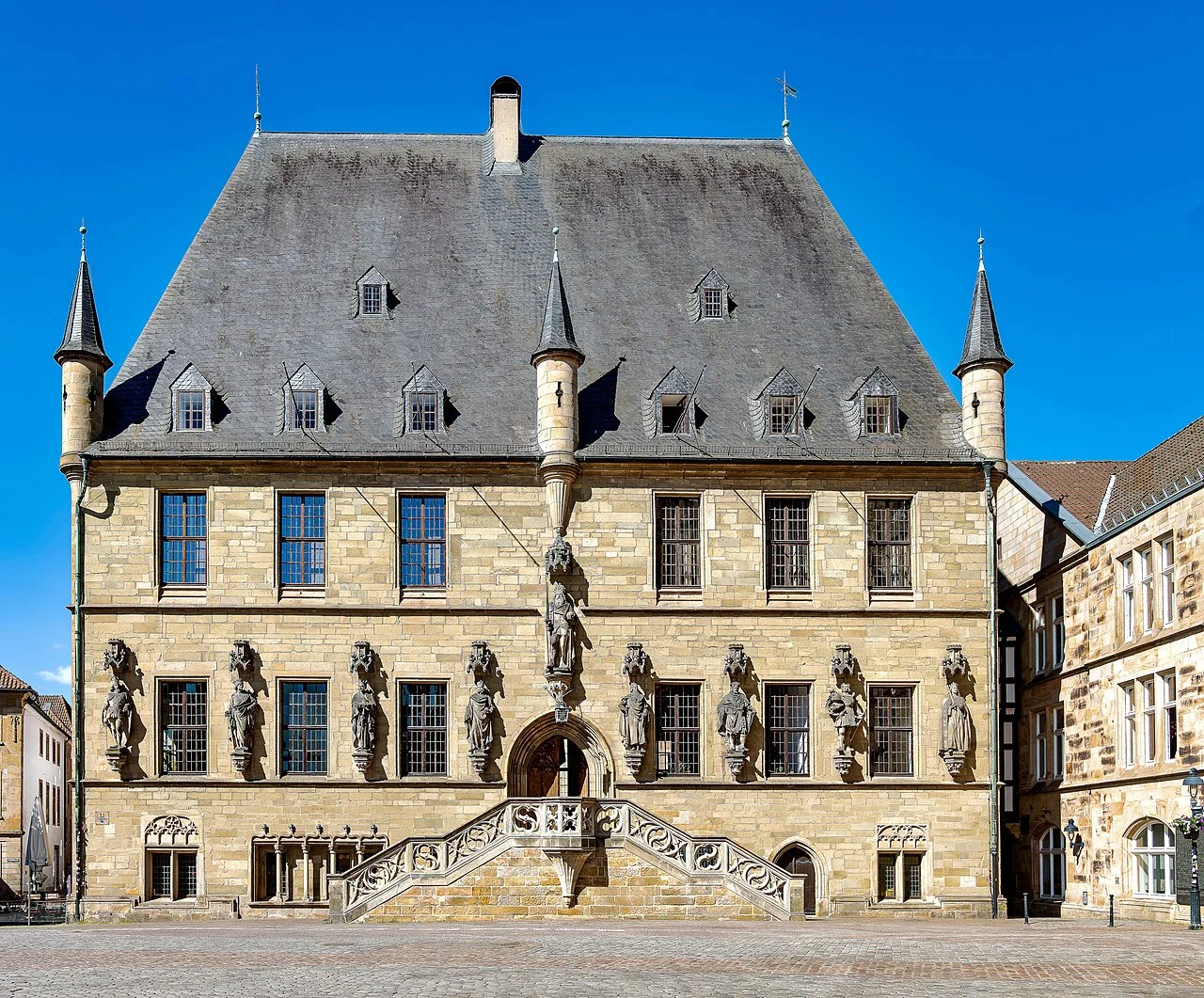
Marktplatz is a helpful starting point. The Rathaus des Westfälischen Friedens is associated with the Osnabrück negotiations for the Peace of Westphalia in 1648. Begin with the building and its relationship to the square, then visit the Friedenssaal when tourist access is available. The portraits give a human dimension to the diplomatic history. This is more than an attractive facade: it helps explain why the city places peace at the centre of its identity.
Do not assume that municipal office hours guarantee access to every visitor space. Official functions, events or specific arrangements can affect what you may enter. Check the relevant notice before planning an interior visit. Outside, the steps and the square offer a chance to pause and look again. The Stork’s small suggestion is to pick a few details and actually notice them, instead of trying to fit the whole city into one photograph.
St. Mary’s Church and St. Peter’s Cathedral
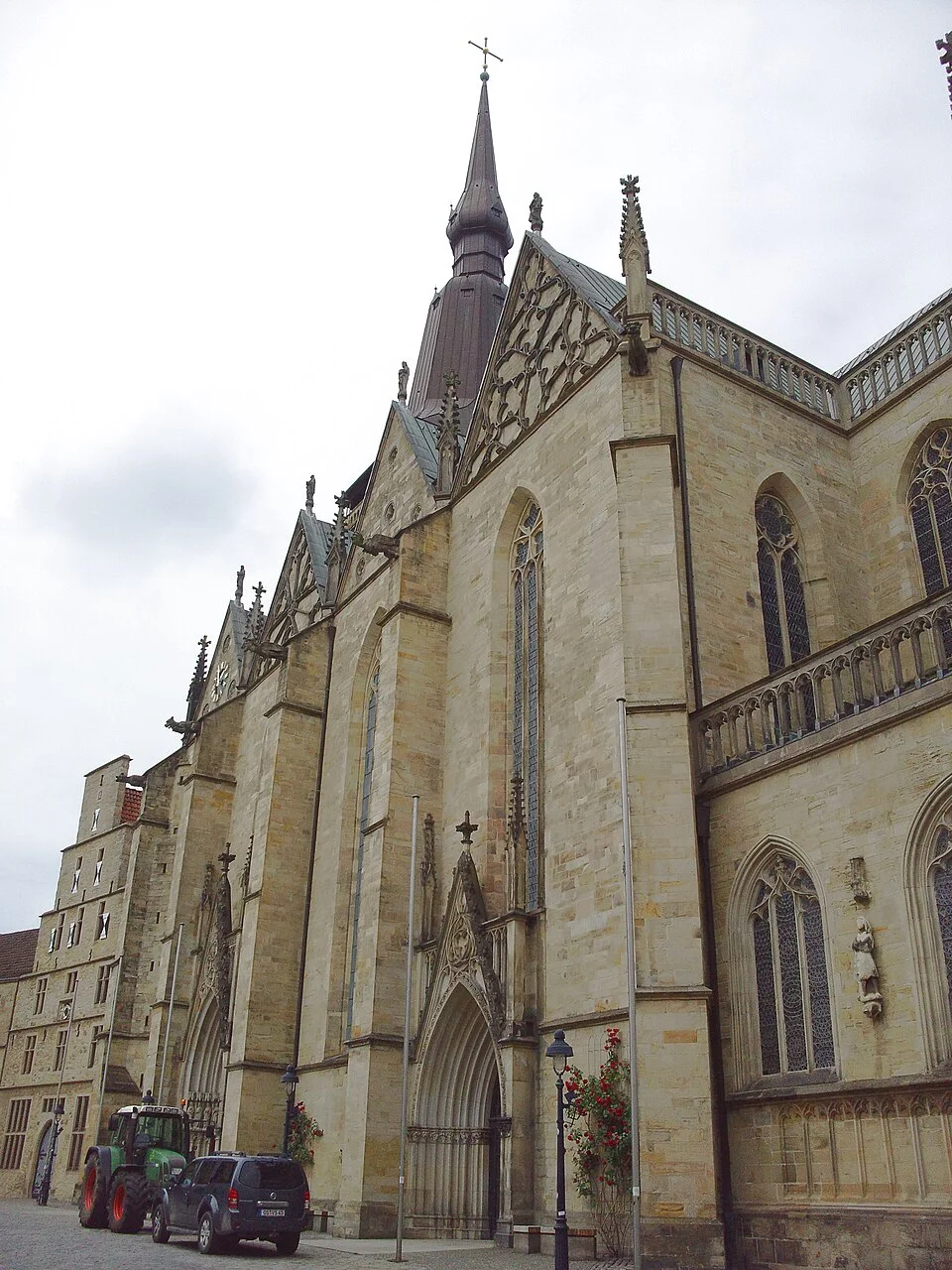
Marienkirche near the market square and Dom St. Peter provide two distinct encounters with church architecture. Look at the proportions, towers and the spaces around them; proximity does not make them interchangeable sights. If a service or event is taking place, adapt your visit and respect the quiet atmosphere. Ask about photography rules and do not assume tower access, guided tours or entry into special areas without checking the current arrangements.


Krahnstraße: facades, shops and a coffee break
Krahnstraße links Nikolaiort with the town hall and brings everyday city life into your sightseeing route. Slow down near Haus Willmann and look above the shop level to notice its decorated facade. Cafes, restaurants and small shops make this a convenient place for a break. Businesses and menus change, so compare the options you find rather than building an entire afternoon around an unconfirmed opening time. A brief pause here also gives you a useful reset before a more concentrated museum visit.
Heger Tor and the western edge of the walk
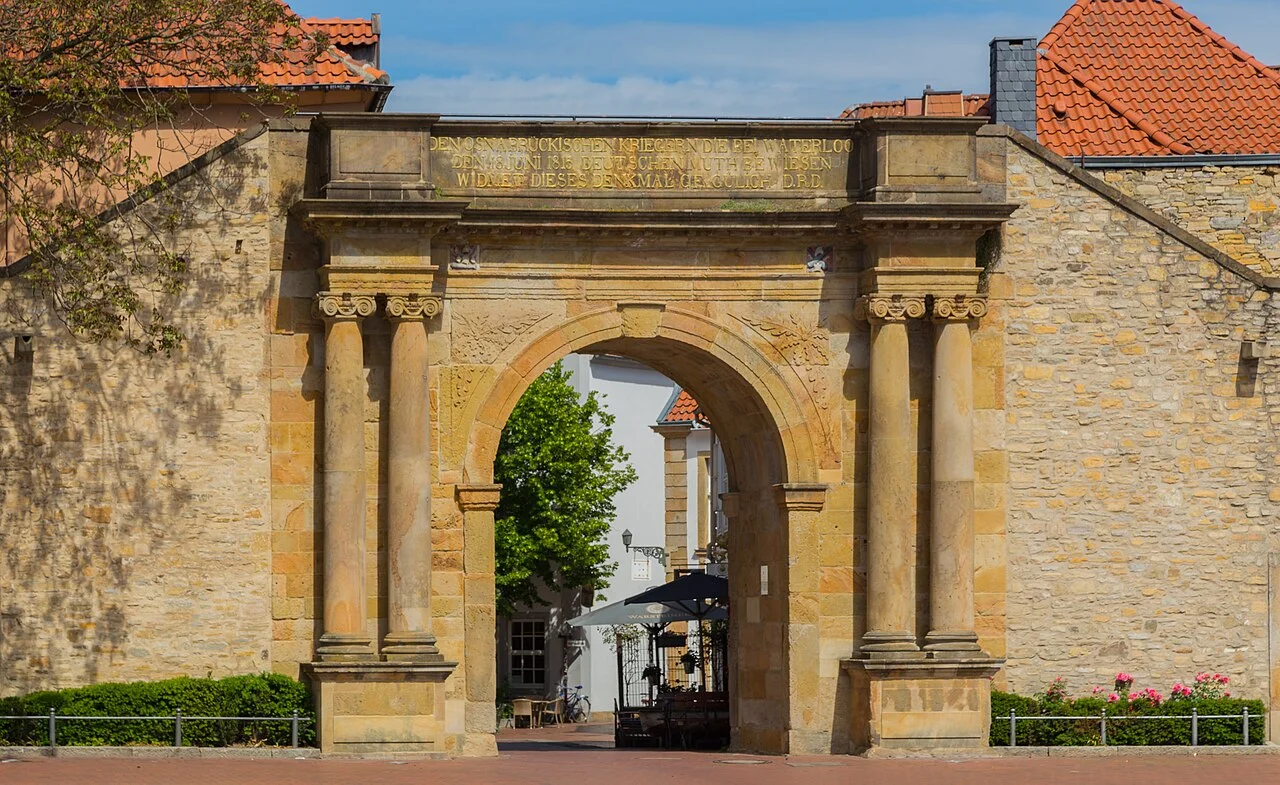
Add Heger Tor to the western part of your old-town route as you move towards the museum quarter. The stone gateway offers a different sense of scale after smaller streets. Treat it as a monument with its own story, rather than assume that everything you see is an unchanged medieval fortification. For photographs, balance a broad view of the arch and its surroundings with a few architectural details. Leave the passage clear for other people while choosing your angle.

Make time for Felix Nussbaum House and MQ4
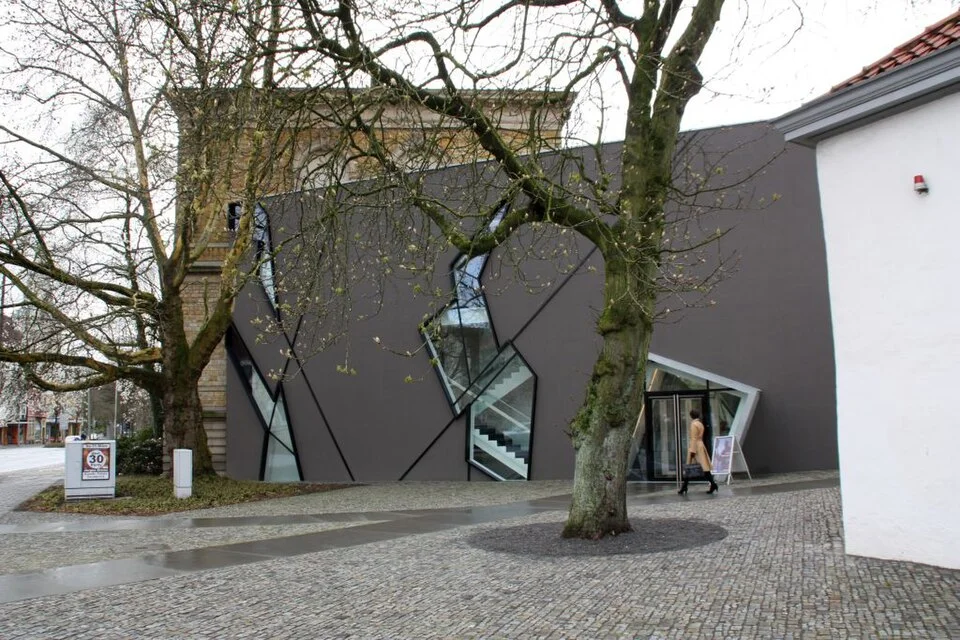
Museumsquartier Osnabrück brings together four buildings. Felix Nussbaum House combines the painter’s work with the architecture of Daniel Libeskind. Nussbaum’s life and the Holocaust context call for a considered visit; this should not be presented simply as a light entertainment stop. Give yourself time to look carefully and take a break afterwards if you need one. The cultural-history museum and the other parts of the quarter offer ways to extend a visit according to your interests.

Consult the official information for current exhibitions, accessible sections and visitor hours. On a wet day, move the museum earlier and shorten the outdoor walk to suit the conditions. Families may find it easier to choose a small number of suitable works and pause between them, rather than try to cover an entire collection. A meaningful visit need not be an exhaustive one.
A flexible one-day itinerary
Spend the morning around Marktplatz and the town hall, followed by St. Mary’s Church and the cathedral surroundings. Break for lunch or coffee on Krahnstraße. Use the afternoon for Heger Tor and your chosen section of MQ4. In the evening, return for a short old-town walk or finish early enough to reach your train comfortably. If a museum is unavailable on your date, seeing its exterior is a different experience from visiting the exhibitions; adjust expectations instead of treating them as equivalent.
Arrival and choosing a place to stay
If arriving by rail, check the station written on your ticket. Hauptbahnhof and other stops are not interchangeable arrival points. Evaluate a walk to your accommodation or the historic centre in light of luggage, weather and your mobility needs. For local buses, consult the operator’s current journey planner rather than rely on a fixed route number or an assumed fare in a travel article. Check the return connection too, especially if your itinerary ends away from your arrival point.
A stay around the Altstadt can put evening dining and the main squares close by. The station area may suit an early onward train. Accommodation towards Katharinenviertel is also worth comparing for a museum-focused itinerary. These are practical area choices, not guarantees about a particular property’s comfort or quietness. Before booking, inspect cancellation terms, lift access, possible street noise and the actual walking route, not just the distance shown on a map.
Food breaks and final preparations
A lunch near Krahnstraße, a bakery stop and an evening menu in the old town can make a better day than continuous sightseeing. Ask about seasonal regional German dishes if you want to explore the local menu, but do not expect every restaurant to serve the same speciality. For vegetarian meals or allergies, clarify the ingredients rather than rely only on the name of a dish. Leave room in the timetable to eat without rushing to the next doorway.
Bring comfortable shoes, a rain layer and a city map that you can consult offline. Historic streets may have uneven surfaces or steps; ask a museum or hotel about suitable entrances if these matter to your visit. The Tatilmerkezi Stork hopes you leave Osnabrück with more than a list of completed stops: a day that combined warm street life, attentive looking and a little space for reflection.
Frequently asked questions
Can you visit Osnabrück in one day?
A central walk and one museum fit a balanced day. Stay overnight if you want time for several collections.
Can the town hall and museum quarter share an itinerary?
Start with the square and old-town streets, then continue via Heger Tor to the museum quarter, subject to current visitor access.
Sources and current visitor information
Information checked on 1–2 October 2026. Recheck official admission, works and menu arrangements for your travel date.
- erleben.osnabrueck.de — rathaus des westfaelischen friedens
- erleben.osnabrueck.de — haus willmann
- erleben.osnabrueck.de — heger tor
- erleben.osnabrueck.de — mq4 museumsquartier osnabrueck
The Tatilmerkezi Stork is our brand's storytelling character. This guide combines official sources and editorial route suggestions; it is not a personal travel diary.