
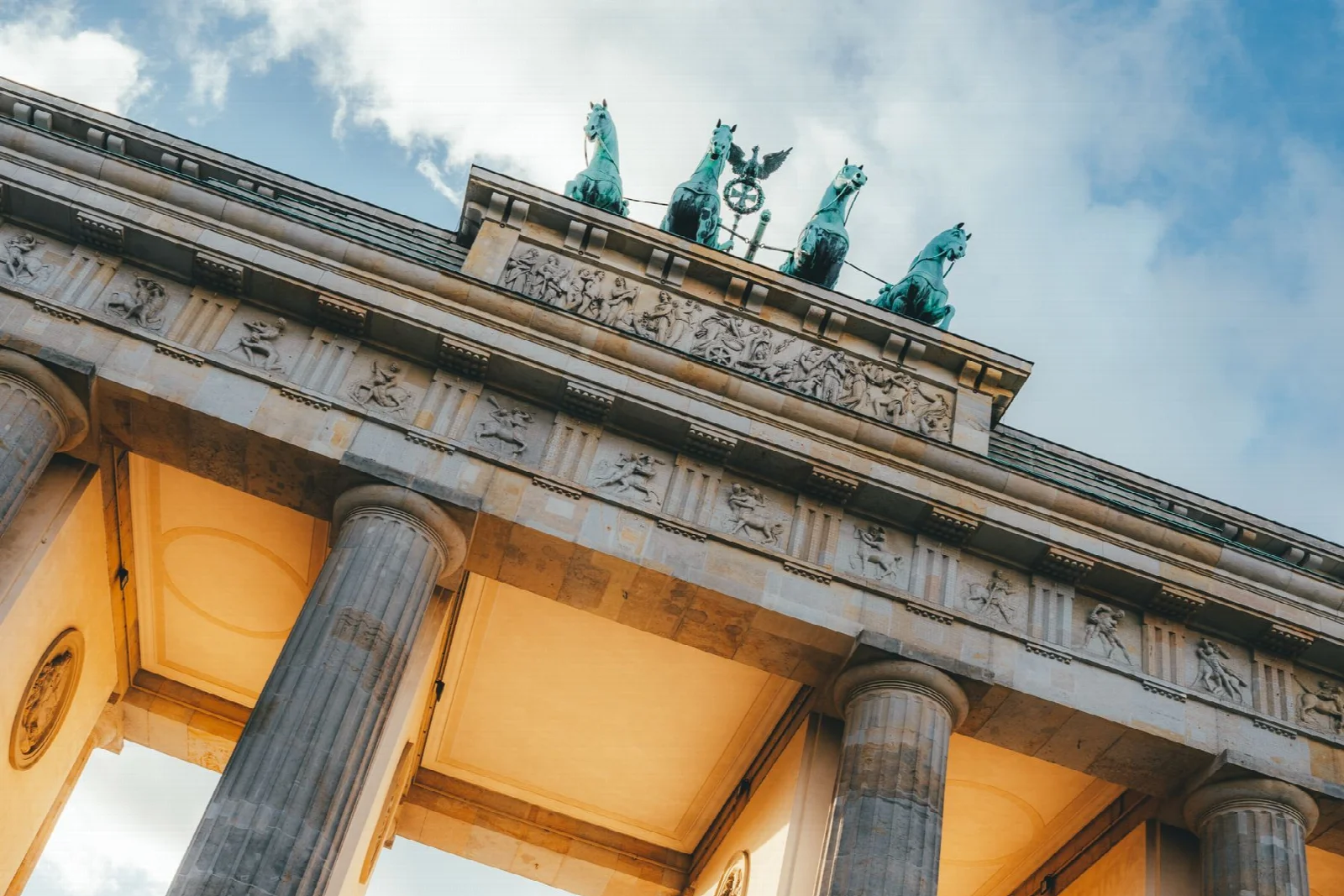
Germany can open several very different journeys on the same map: broad avenues in Berlin, water between brick warehouses in Hamburg, a walk from a square into a park in Munich, and cathedral towers above the Rhine in Cologne. The Tatilmerkezi Stork is spreading its wings in four directions. The aim is to choose a region that excites you and build a route with enough room to enjoy it. This guide brings your choice of cities, transport and daily pace into one practical first-trip plan.
Start with the kind of trip you want
A week can look generous until every other morning begins with packing. Travel time between German cities includes leaving your accommodation, reaching the station and finding the next hotel. We suggest starting with two main bases. That leaves space for a museum morning that runs a little longer, an unhurried lunch or an extra hour outside when the weather improves.
A city break revolves around neighbourhoods, collections and walking. A regional holiday adds the final connection to a lake, small town or castle. You can combine both, but a distant excursion after every city morning will make the journey demanding. Think about what you hope to remember: understanding a large city, exploring several smaller places, or spending more of the day outdoors. Let that answer guide the map.
Berlin: open the first chapter with curiosity
If Berlin is your starting point, leave space beyond a rapid sequence of famous sights. An introductory walk around Brandenburg Gate can lead into a separate museum or neighbourhood day. At memorial sites, allow time to read and reflect. The value of a visit is not always measured by the number of buildings you pass; sometimes it comes from paying attention to a single place.
Pairing Berlin with Hamburg is one idea for a northern journey. Compare the actual connection for your dates rather than assuming that proximity on a map guarantees an effortless transfer. Our separate Berlin guide explores the city in more detail. Here, the useful decision is how many days you want to give the capital and which part of the country should follow it.
The north: Hamburg and the waterfront
Hamburg's harbour and the Alster offer different kinds of waterside experience. The warehouses and canals of Speicherstadt, activity along the Elbe and a walk beside the city-centre lake can fill different half-days. The appeal lies in the transitions: brick to glass, a narrow bridge to open water, an industrial view to somewhere quieter. Look for changing light along the walk as well as one celebrated photograph.
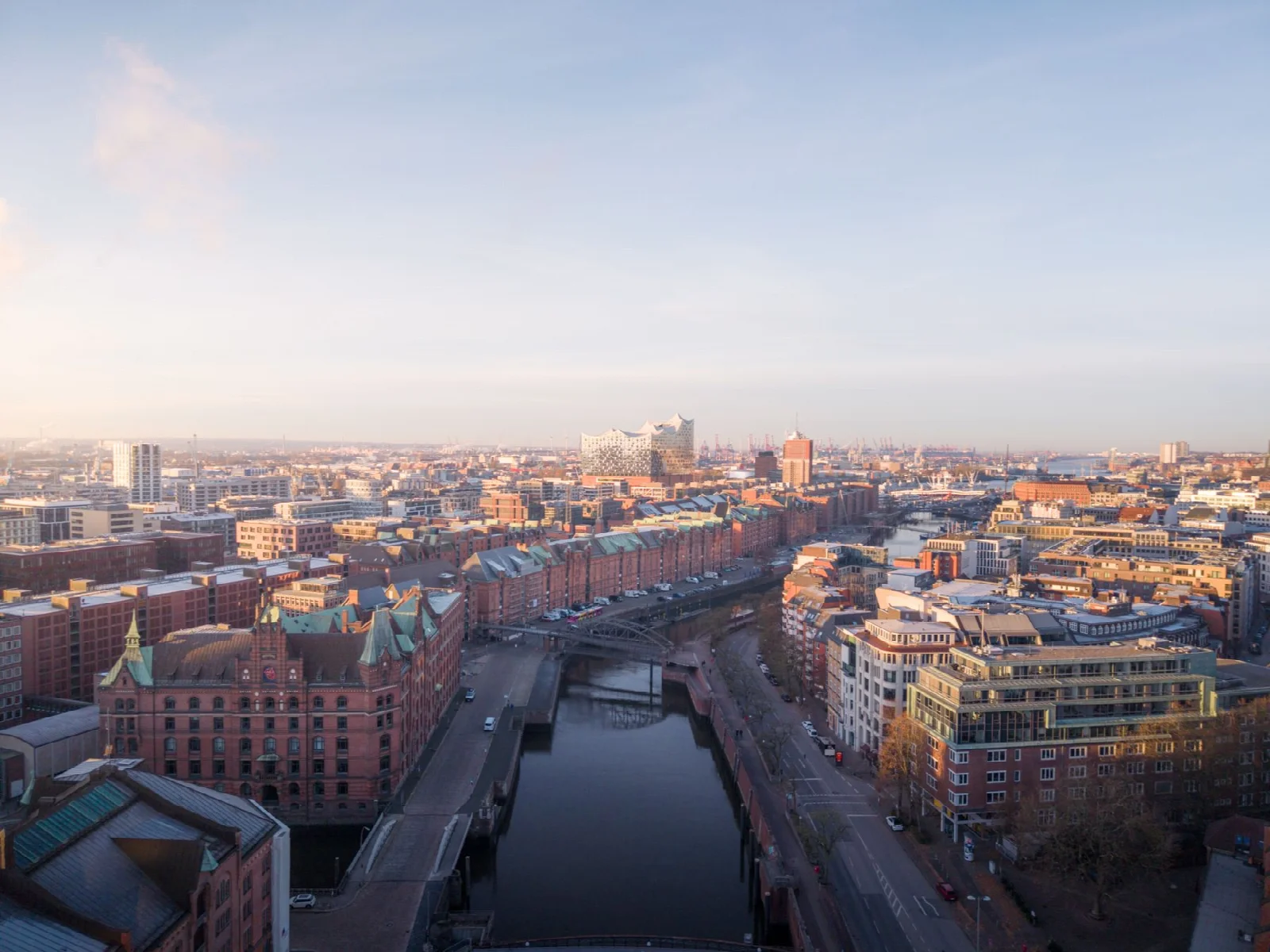
If you want to go onto the water, distinguish a public ferry from a narrated harbour cruise. They serve different purposes and use different products. An indoor attraction can be a useful alternative when conditions change, but availability matters. Do not assume a popular exhibition will have an immediate slot simply because rain has sent you looking for something inside. Keep the flexible part of the day genuinely flexible.
The south: Munich and Bavaria
Munich is a strong starting point if you want squares and green space within the same city holiday. A walk around Marienplatz can lead to a market break, while another day can focus on a palace or collection. There is no obligation to traverse the whole English Garden. Choose an area that interests you and leave enough time to sit down and enjoy being there.
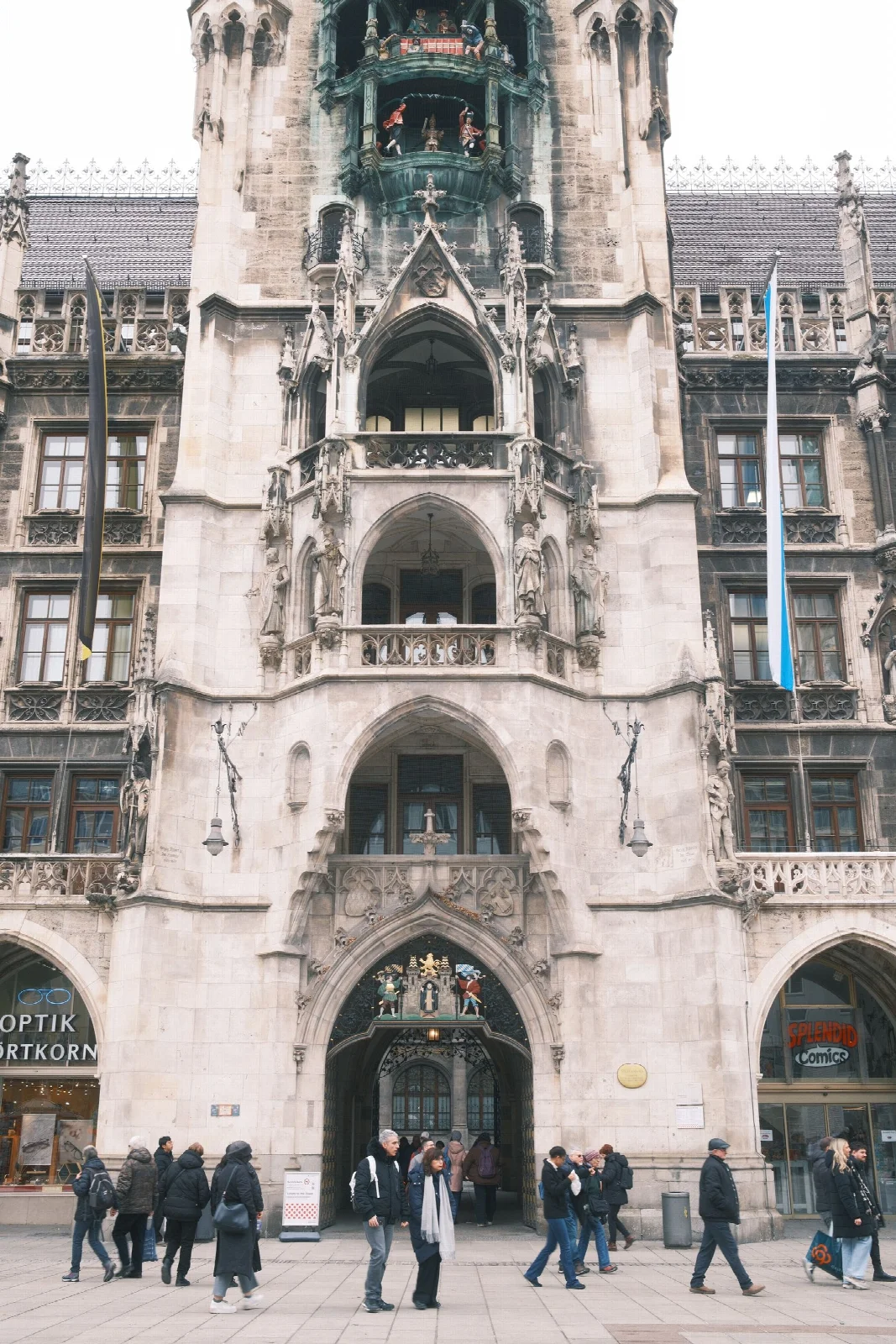
Think of Bavaria as a region with its own travel needs. Lakes, castles and mountain paths do not share a single last-mile connection. Before assigning your second Munich day to a distant excursion, decide what you still want to see in the city. On a longer holiday, a second regional base may reduce repeated journeys back over the same ground. The best arrangement depends on the experience you want rather than a fixed list.
The west: Cologne and the Rhine
In Cologne, the cathedral and river provide the framework for a compact city visit. You can follow a riverside walk with a museum, then look back at the skyline from the opposite bank the next day. If you extend the trip along the Rhine, compare the new destination separately. Cologne's waterfront and the vineyard-and-castle landscapes farther south belong to different stretches of the journey.
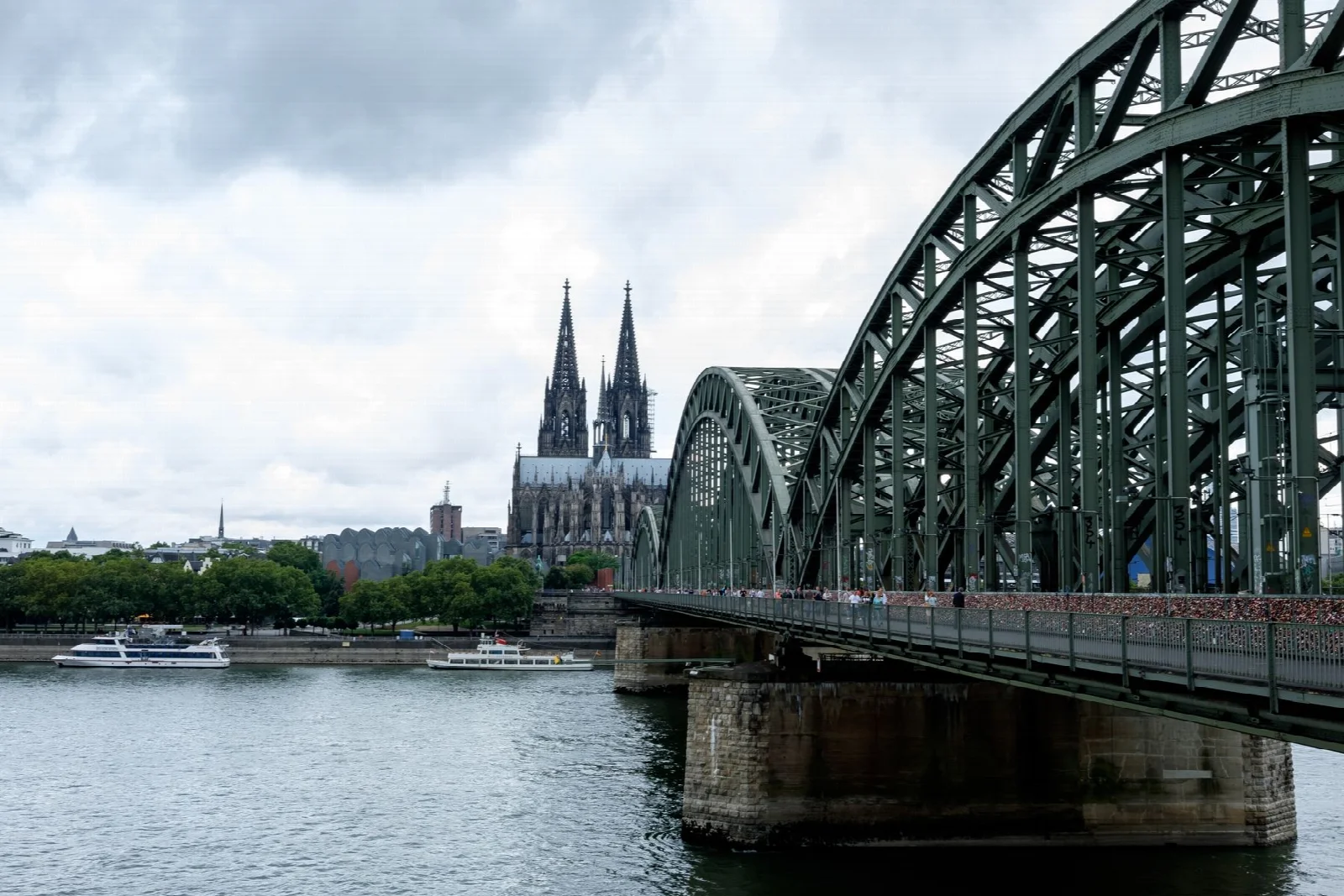
You do not need to cross an entire country to feel a change of scene. A western route can combine urban culture and river views with relatively few hotel changes. Our Cologne guide explains the choices within the city, from cathedral admission to walking areas. The question here is how much of your holiday belongs in the west and whether another base adds enough to justify the move.
The east: another perspective in Dresden
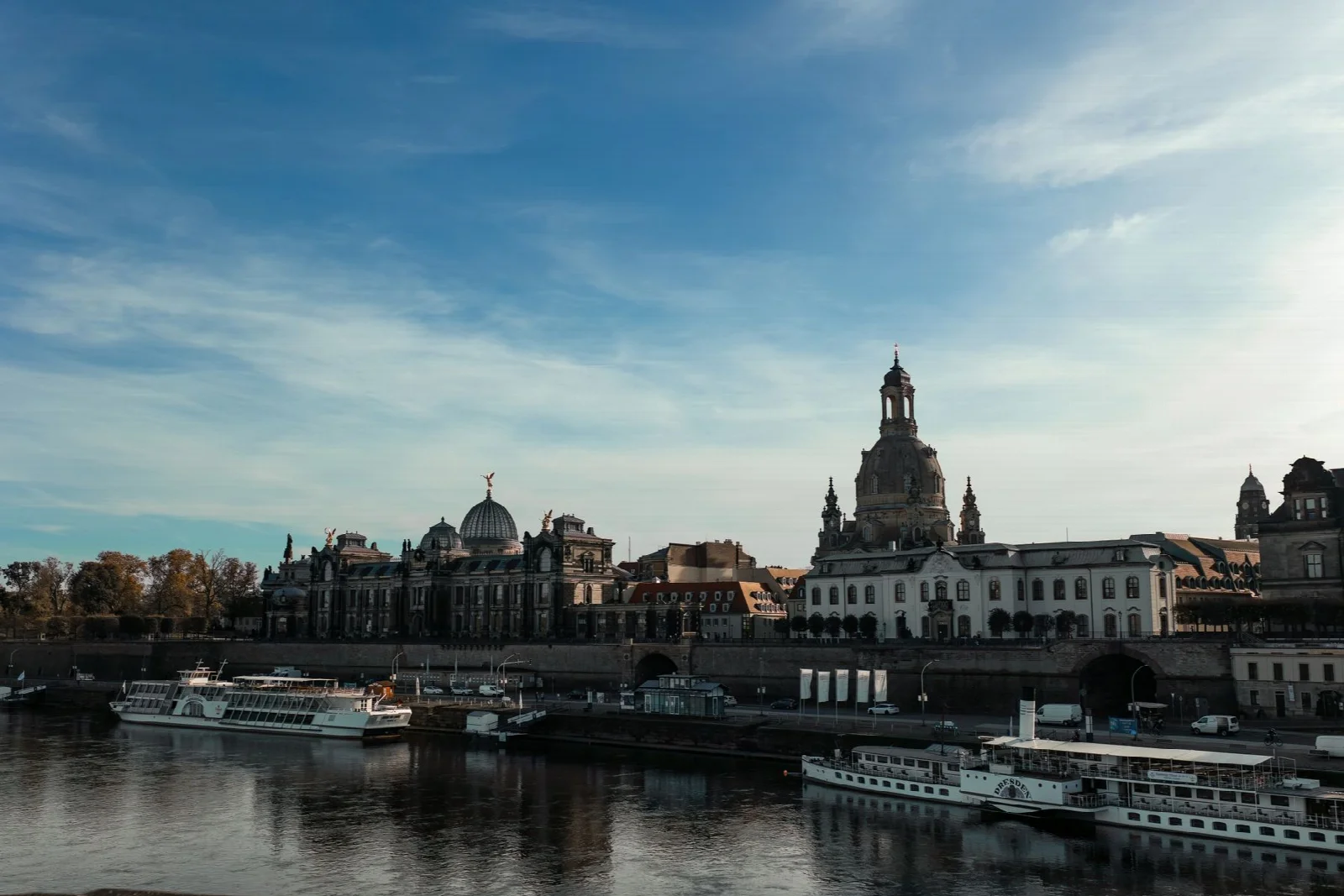
In Dresden, the Elbe bank offers a way to read the architecture of the historic centre from a little distance. A walk around the Frauenkirche, Zwinger and Semper Opera area can be paired with one selected interior visit. An eastern journey gives you the opportunity to explore a different urban setting alongside the capital. Consider staying long enough in each city to enjoy that contrast instead of adding a rushed stop to an already crowded Berlin schedule.
Separate time for castles and nature
A photograph of Neuschwanstein may be the spark for your holiday. Remember that it is not in central Munich: the approach, onward transport and uphill access need their own planning. Official visitor information states that interior visits are by guided tour. Match your ticket time to the full approach, not merely a train's arrival. Remaining same-day tickets, when available, are not a guarantee of admission.
Treat outdoor days with similar care. A lakeside stroll and a mountain route call for different preparation. Weather, path conditions and the return connection belong in the plan. A manageable walk with time to enjoy the view can be more rewarding than an ambitious route you have not prepared for. Photographs show a particular season; your visit may bring different colours, visibility or access arrangements.
Understand the train-ticket distinction
The Deutschland-Ticket is intended for participating local and regional public transport. Most ICE, IC and EC journeys are outside its scope, with specific exceptions shown in official journey information. Having a local travel product does not automatically cover your fast intercity train. Check each part of the route and keep a clear record of what you have actually bought.
It is also a subscription rather than a single-use tourist pass. DB currently states that cancellation for the end of a month must be made by that month's tenth day. Check the conditions of the provider you use before comparing the cost with a few days of travel. For shorter stays, single and day tickets can make a clearer comparison when matched to your real journeys.
Three ideas for a week
For a northern holiday, divide your time between Berlin and Hamburg: history and neighbourhoods in one, harbour and waterfront in the other. In the south, combine several Munich days with a Bavarian excursion whose transport you have checked. In the west, use Cologne as your starting point and choose a nearby destination that interests you. These are alternative trip ideas, not three sets of tasks to merge into one week.
An afternoon flight arrival is not a full sightseeing day. On a transfer day, consider exploring the area around your accommodation instead of committing to a major collection immediately after the train. Give the final morning similar care by working backwards from the airport or station. A useful itinerary accounts for bags, meals and rest as well as the headline sights.
Choose accommodation with the whole day in mind
The lowest room rate may not create the lowest total cost. Long daily transfers add both transport spending and lost time. For a brief visit, proximity to the area you want to explore can be valuable. On a longer stay, a kitchen or laundry access may matter more. Compare the full payment, cancellation conditions and practical connections rather than the first price shown on a booking screen.
Make a similar distinction with museums and palaces. Different collections or buildings may require different products. Select the parts you actually want to see before deciding whether a combined ticket makes sense. There is no need to fill every day with paid attractions. A riverside walk, market visit or park afternoon can become a central memory rather than an interval between bookings.
Season, food and small discoveries
Northern waterside areas and southern mountain surroundings do not share one weather pattern. Check the forecast and outdoor conditions for the region and week of your visit. During major events, comparing accommodation and transport earlier can help, but use the event's confirmed dates. Leave one indoor alternative and some space for a walk that can move with the weather.
The same regional curiosity works at the table. Hamburg invites a fish-roll stop, Munich a market or bakery break, and Cologne a little exploration of local menu names. Ask about ingredients when you do not recognise a dish instead of relying on a literal translation. The Stork's suggestion is to leave each city with one small discovery of your own, rather than trying to complete a national food checklist.
Frequently asked questions
How long should a first Germany trip be?
A week with two main bases is a useful starting suggestion. With fewer days, focus on one city and its surroundings rather than spending much of the holiday changing hotels.
Is a rental car essential?
A major-city itinerary can be built around trains and local transport. For rural routes, investigate the final connections before deciding whether driving would make the trip easier.
Does the Deutschland-Ticket cover every train?
No. Distinguish local and regional services from long-distance trains, check any route-specific exceptions and read the subscription conditions before buying.
Sources and current visitor information
Information checked on 1–2 October 2026. Recheck official admission, works and menu arrangements for your travel date.
- int.bahn.de — deutschlandticket cancel
- neuschwanstein.de — mobility.htm
- bahn.de — deutschlandticket verkehrsmittel deutschland
- germany.travel — 48 hours in dresden.html
- germany.travel — towns cities.html
- germany.travel — federal states.html
- neuschwanstein.de — ?lang=en
The Tatilmerkezi Stork is our brand's storytelling character. This guide combines official sources and editorial route suggestions; it is not a personal travel diary.