
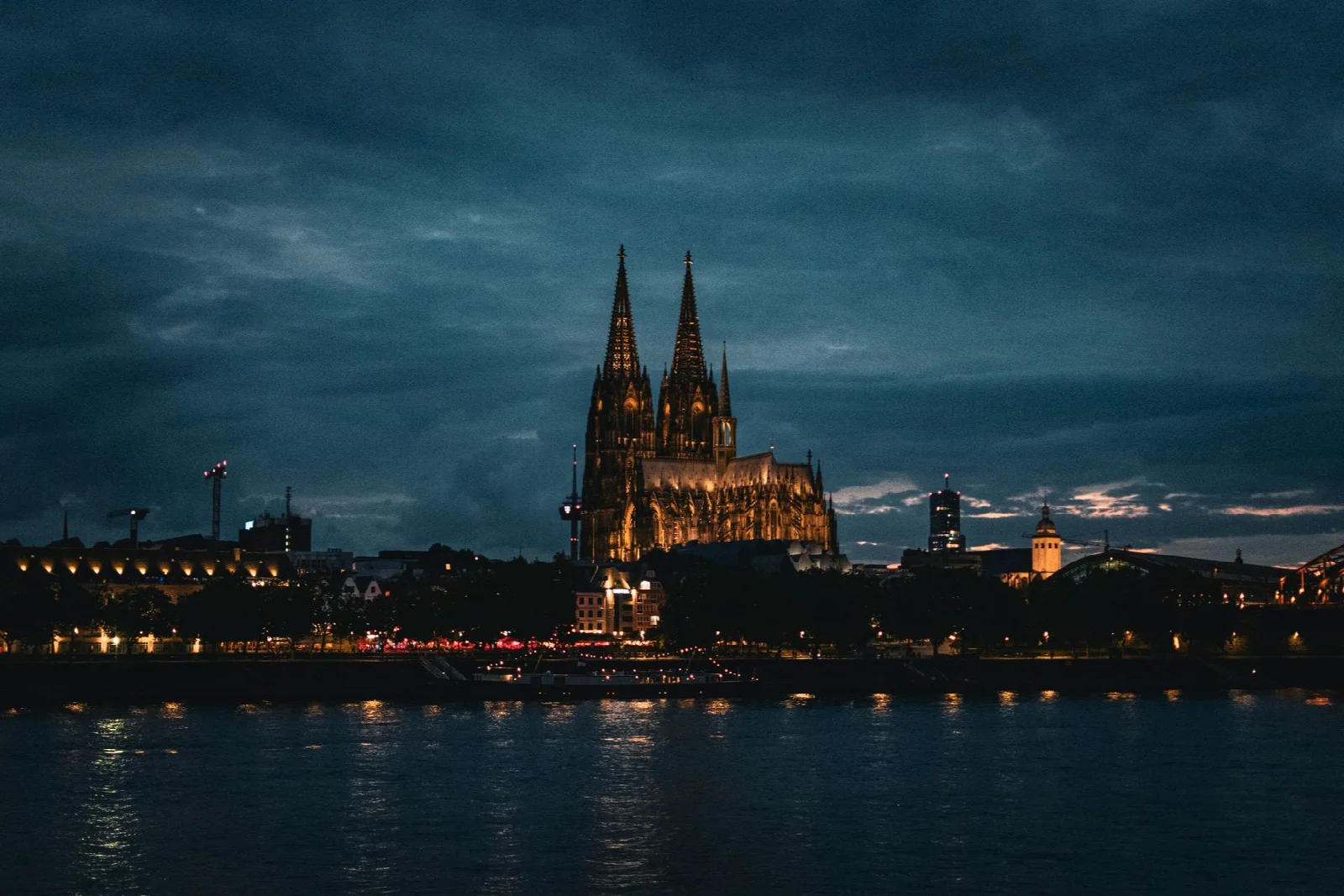
In Cologne, the first glance often goes upwards: cathedral towers, intricate stonework and the movement around the nearby station. Then the city draws you towards the Rhine. The Tatilmerkezi Stork is taking you beyond the space around the famous landmark, from colourful old-town facades to the modern harbour district. This guide connects walks, ticketed visits and food breaks for a one- or two-day introduction, with enough flexibility to choose the experiences that matter to you.
One day or two in Cologne?
With a single day, the cathedral area, Altstadt and a short river walk can form a focused visit. A second day gives you more room for a museum or time on the opposite bank. These suggestions help you make choices rather than complete every attraction. If you arrive by train with luggage, think about storing it before committing to a substantial indoor visit.
For a short stay, grouping nearby places is one of the most useful decisions. Allow for the distance and a break when combining the cathedral area with a walk farther south along the river. If waiting for evening light appeals to you, keep the afternoon lighter. Seeing several attractive views can be rewarding, but having the time to enjoy one properly is valuable too.
The cathedral: understand the 2026 admission arrangements
Tourist visits to Cologne Cathedral's interior have required a ticket since 1 July 2026. The free access arrangements for prayer are separate. Check the official page for the visiting period and the section you want to enter. Older guides describing free tourist admission are no longer a reliable basis for your plan; services and special events can affect access.
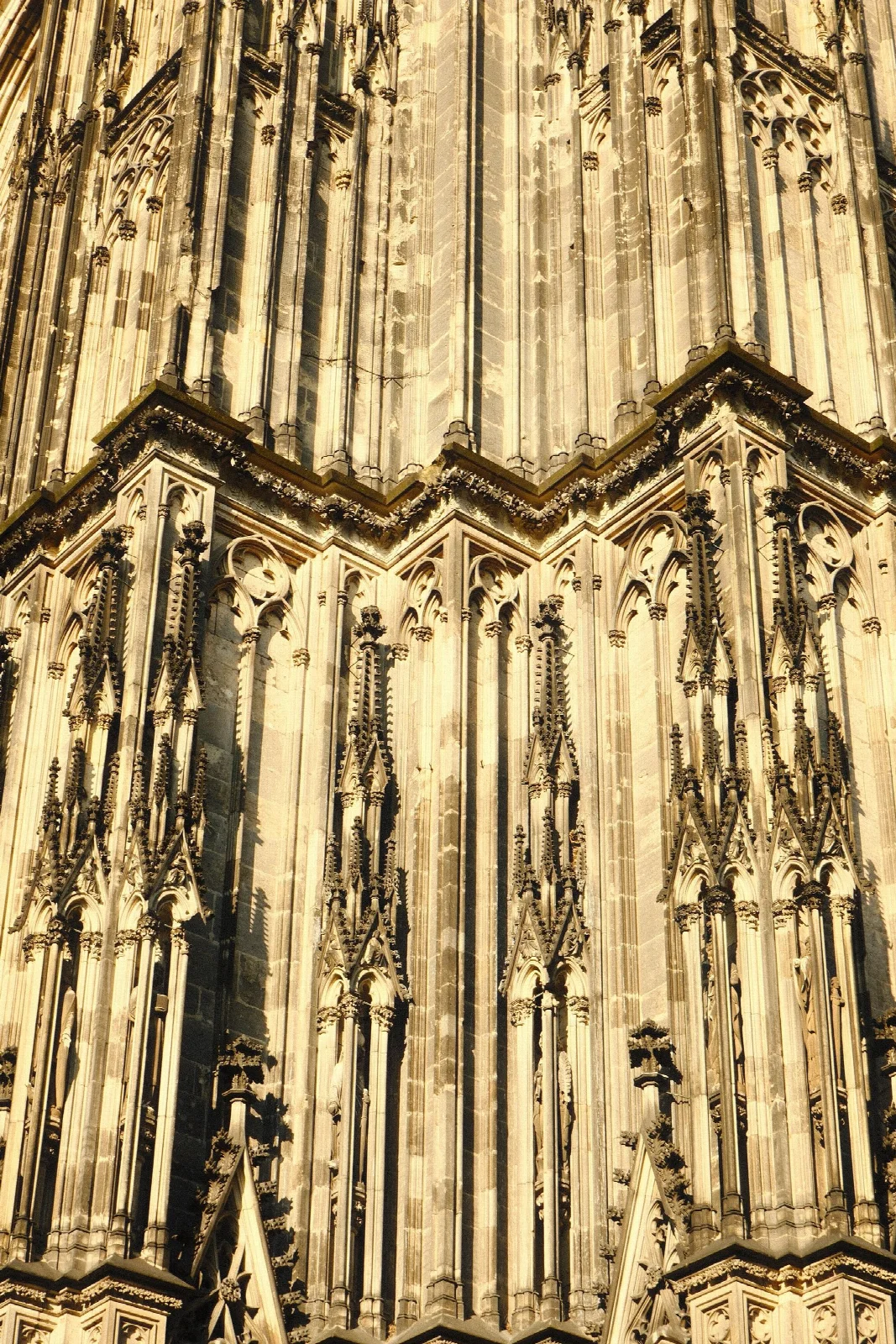
Outside, you need not keep stepping backwards to force the entire building into one photograph. Choose an arch, a carved figure or a patch of illuminated stonework. Keep the entrance route clear and give a detail your attention for a few minutes. The close-up photograph in this guide invites you to see more than a familiar pair of towers against the sky.
Make the tower a separate decision
The south tower's viewing point requires climbing 533 steps and has no lift. Consider whether the ascent suits you rather than treating it as a minor addition to an interior visit. Riverbank views offer alternatives. The cathedral interior, Treasury and tower are different visit options, so compare the coverage of the tickets you select.
A rewarding city view does not always require climbing. You can see the towers with the water from the opposite bank, during a bridge walk or through an old-town street. Companions may prefer different activities, and that need not be a problem. Agreeing on a simple meeting point can leave room for individual choices without turning the whole day into a compromise nobody enjoys.
Altstadt: the city behind the colourful houses
The narrow, colourful facades near the Rhine are among Cologne's familiar images. Do not assume every building has survived unchanged from medieval times: much of the old-town setting was reconstructed. Knowing this gives the city a more accurate story without diminishing its appeal. Notice the way the streets and buildings are used today as well as their historic appearance.
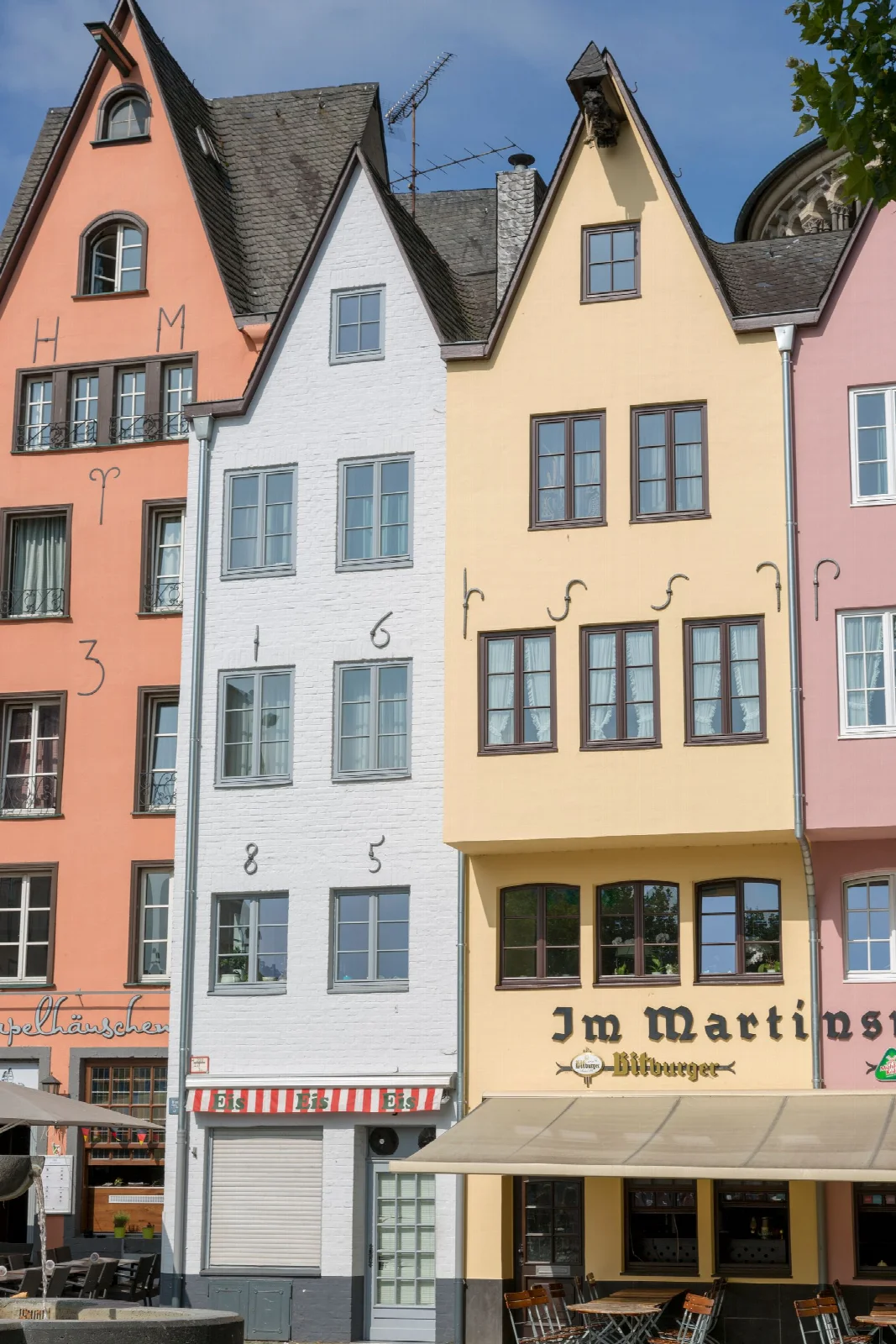
A walk south from the cathedral can alternate between the waterfront and small diversions into neighbouring streets. Avoid blocking business entrances or café tables while composing a photograph. Stay a little longer where something interests you, then return towards the river to find your bearings. An enjoyable Altstadt route grows from curiosity rather than a need to walk every street in a fixed order.
Hohenzollern Bridge and the Deutz bank
Hohenzollern Bridge provides another perspective on the relationship between cathedral and river. Follow the pedestrian route and current crossing directions if you continue to the other side. From the Deutz bank, the city reads as a skyline instead of a collection of close-up buildings. That wider view makes a useful counterpart to the narrow frames of the centre.
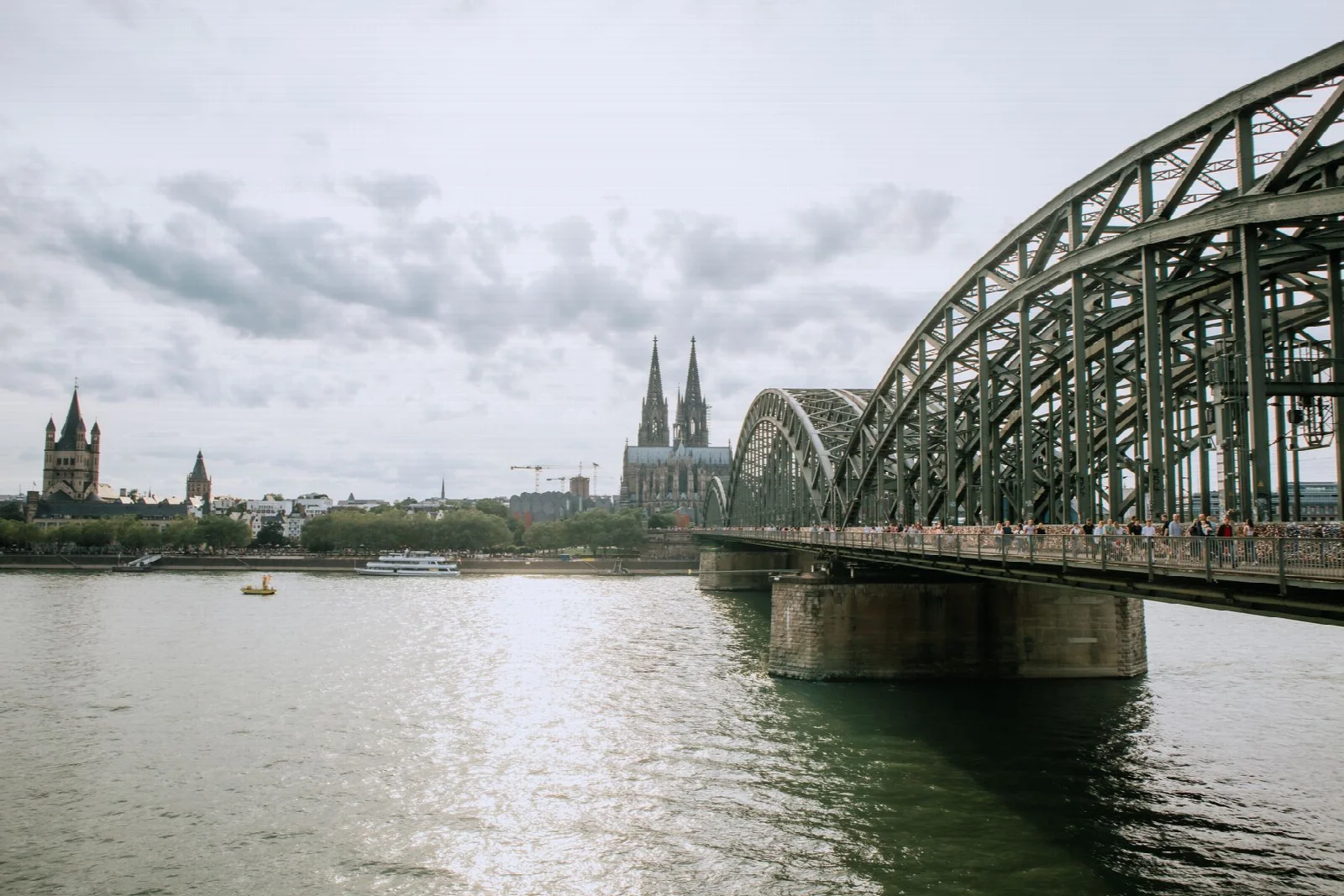
Choose places to pause without obstructing people moving across the bridge. Your main photograph can wait until you reach the bank, where there may be more room. Cloud changes the colours of the same walk. Stay on the designated riverside paths and follow any temporary access directions. A plan beside the water should always respond to conditions on the day rather than a photograph from another season.
Rheinauhafen: the modern crane-shaped skyline
The Kranhäuser buildings introduce a different architectural language in Rheinauhafen. As you walk, traces of the former harbour sit beside contemporary facades. Give the area more than a hurried photograph of a single structure. Looking at the relationship between buildings, open space and water is a way of understanding a changing part of Cologne.
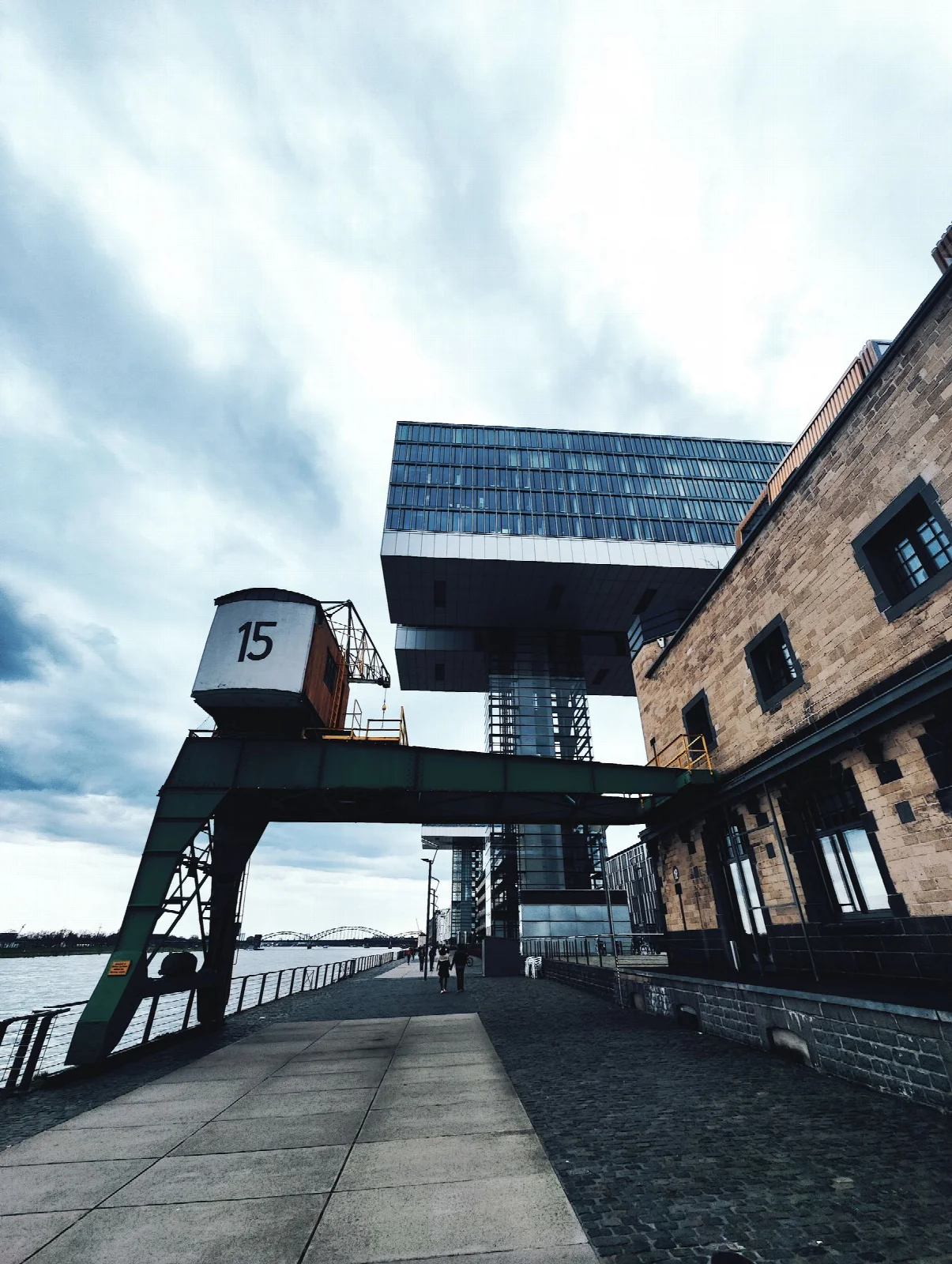
This stretch can provide a separate outing after the old town. If you do not want a long walk, turn back at a chosen point or connect to public transport. A coffee break beside the water can be as worthwhile as another museum or shopping stop. Office buildings and private areas are not automatically visitor attractions; stay on the public walking routes and enjoy the exterior setting.
Museum Ludwig or the Chocolate Museum?
Choose a museum for its content rather than simply because it is nearby. If Museum Ludwig interests you, check its current collection, exhibitions and visitor information on the museum's own site. Giving one indoor visit proper attention can be more rewarding than trying to finish several in a day. An unstructured riverside walk afterwards can provide a pleasant change of pace.
The Chocolate Museum also offers products such as tours, courses and tastings, which should not be assumed to be included in standard admission. Its official visitor page says production ends before the museum closes. If watching that part is a priority, check the current arrangements rather than arriving at the very end of the day. For a workshop, look at availability and language as well as the ticket price.
What to eat in Cologne
Local menu names can contain surprises. Reading Halver Hahn literally as a chicken dish would be misleading: in this regional context it refers to a rye-roll-and-cheese option with accompaniments. Asking about an unfamiliar name in a Brauhaus is more useful than guessing. Find out what is included and whether the portion suits the meal you want.
Make the food stop an enjoyable part of the day rather than a task to finish between attractions. Before a long afternoon beside the Rhine, allow time for a seated meal. A busy square and a quieter side street offer different settings; choose the one that appeals to you. Recipes can vary between businesses, so confirm ingredients when dietary preferences or allergies make that important.
A first-day walking plan
Begin around the cathedral. If you want to enter, align the plan with your ticket and the visiting period, and consider the tower separately. Continue into the old town for a walk and lunch. In the afternoon, choose one museum or a longer river walk. With time and energy remaining, head towards the bridge for a skyline view from the other bank.
If the day needs shortening, remove an attraction rather than abandoning food and rest. When catching an evening train, consider which side of the river you will be on before the final hour. The last part of a short city visit can pass surprisingly quickly once you need to return for luggage. A few well-chosen places can still make the first day feel complete and memorable.
A second day and time for photographs
Give the second day to Rheinauhafen and the museum that interests you. If the weather was poor earlier, move the bridge and opposite-bank walk here. Returning to the same place in different light can be as satisfying as reaching a new attraction. Instead of demanding a particular sky colour, work with the reflections and shadows you actually find.
If Cologne is part of a wider regional trip, organise the next connection ahead of time. Even a nearby destination involves luggage and settling into new accommodation. Every additional day does not need to begin with leaving. Having a second morning coffee on a familiar street can help you experience the city with more attention rather than just passing through its landmarks.
Transport and choosing an area to stay
Cologne Bonn Airport has rail connections. Check the destination station, service type and ticket together, since regional and long-distance products can differ. Use your accommodation's precise address when planning the final local journey. A description saying a hotel is near a station is only useful when you know which station it means and how it fits your itinerary.
The centre and old town can put you close to the first day's walks. Deutz offers a different choice across the river, with its own connections and skyline view; include the crossing in the daily plan. Compare total room cost, cancellation conditions and the late-evening return. The Stork's suggestion is to choose somewhere your day can begin and end comfortably, rather than relying on a bright pin on the map.
Frequently asked questions
What should I prioritise in one day?
The cathedral area, old town and a short Rhine walk provide a useful framework. Add one indoor visit according to your interests and available time.
Which museum works for children?
Compare the exhibition and activity content with the child's interests. A tasting or workshop may require a separate booking from ordinary admission.
Where can I take a good photograph?
The Deutz bank offers the city skyline, while old-town streets provide closer details. Weather and light vary, so there is no single guaranteed photograph.
Sources and current visitor information
Information checked on 1–2 October 2026. Recheck official admission, works and menu arrangements for your travel date.
- location.cologne-tourism.com — programme culture
- cologne-bonn-airport.com — train bus.html
- cologne-tourism.com — old town
- cologne-tourism.com — rheinauhafen district
- koelner-dom.de — en
- museum-ludwig.de — besuch
- schokoladenmuseum.de — plan a visit
The Tatilmerkezi Stork is our brand's storytelling character. This guide combines official sources and editorial route suggestions; it is not a personal travel diary.