
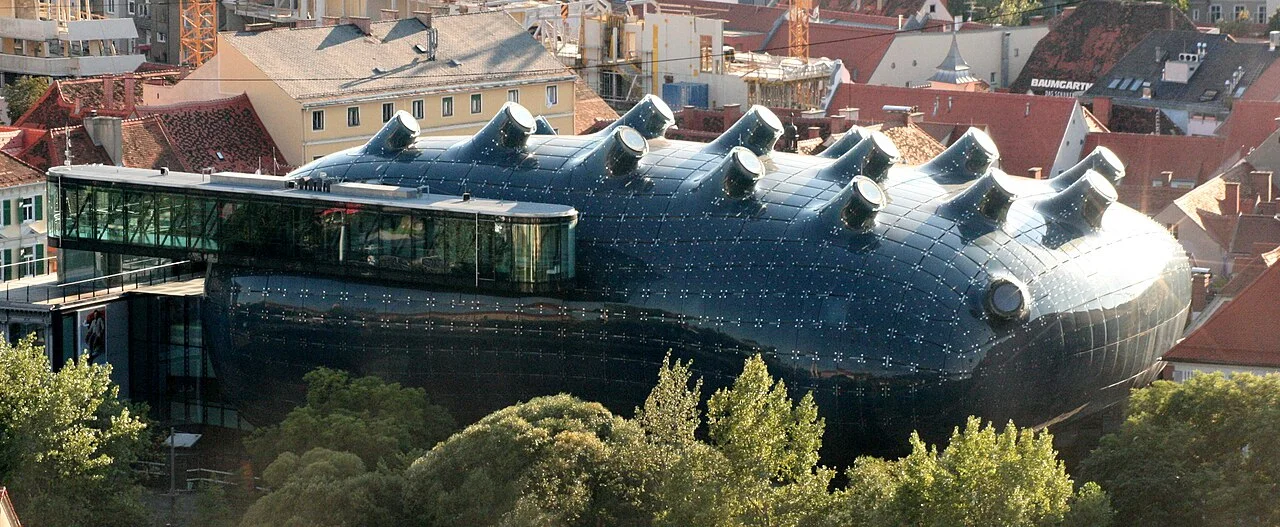
From above, Graz unfolds as a patchwork of red roofs. Back at street level, the same city changes through a quiet courtyard and an unexpected structure beside the river. The Tatilmerkezi Stork does not put the historic and modern city into separate boxes. Spending part of a day in old streets and part around the Mur lets you see how its different faces answer one another.
This guide suggests a flexible two-day first visit. Use the first for the centre, Schlossberg and the river; choose a museum or Eggenberg for the second according to your interests. The time allocation is editorial advice. Check each exhibition, interior and transport service separately, because access to an area does not mean every room or facility is available.
Begin around Hauptplatz
Hauptplatz provides a useful central starting point for understanding the city. Rather than crossing it immediately, study the facades and the streets opening from it. Continue towards Herrengasse to examine the historic texture more closely. If a courtyard or passage catches your attention, check its entry conditions rather than assuming a private-use space is automatically part of the walking route.
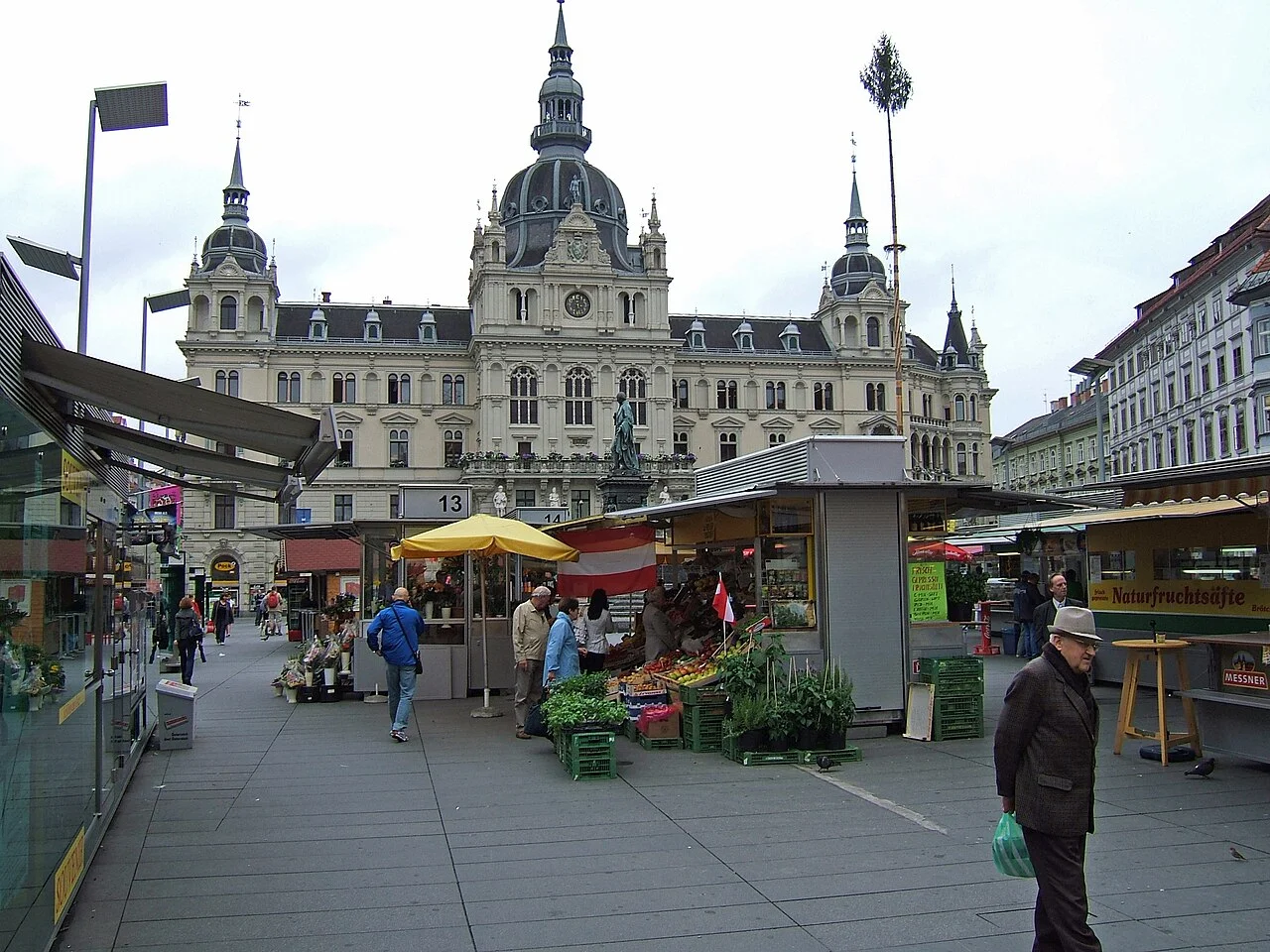

Graz's historic centre joined the UNESCO World Heritage list in 1999, with Schloss Eggenberg included in the extension in 2010. This does not mean every building has remained unchanged in its original form. The interest lies in seeing different periods together. Give one facade time, then turn into another street; the historic centre is more than the view from a single square.
Schlossberg at your own pace
Schlossberg offers a strong view over the city. Choose an ascent that fits your needs: the stepped walking route, alternative paths, Schlossbergbahn funicular and lift involve different levels of effort. If you depend on a transport option, check its current operation and price for your travel date. Think about the descent before starting so that time enjoying the view does not compress the rest of your plans.
At the top, aim for more than reaching one photograph point. Look at the rooftops from different angles, take a break and recognise where your earlier street walk passed. If evening light interests you, establish your return arrangements too. The hill can help you reconnect the city beneath your feet with the larger landscape rather than simply complete an item on a sightseeing list.
The Clock Tower: distinguish exterior and interior
The Uhrturm is one of Graz's recognisable symbols. Seeing it from outside and examining its clock faces and position above the city make a worthwhile stop. Do not assume its interior is an unrestricted walk-in attraction: the official tourism information describes interior access through a guided tour. If going inside matters to you, investigate the current dates, language and booking arrangements beforehand.
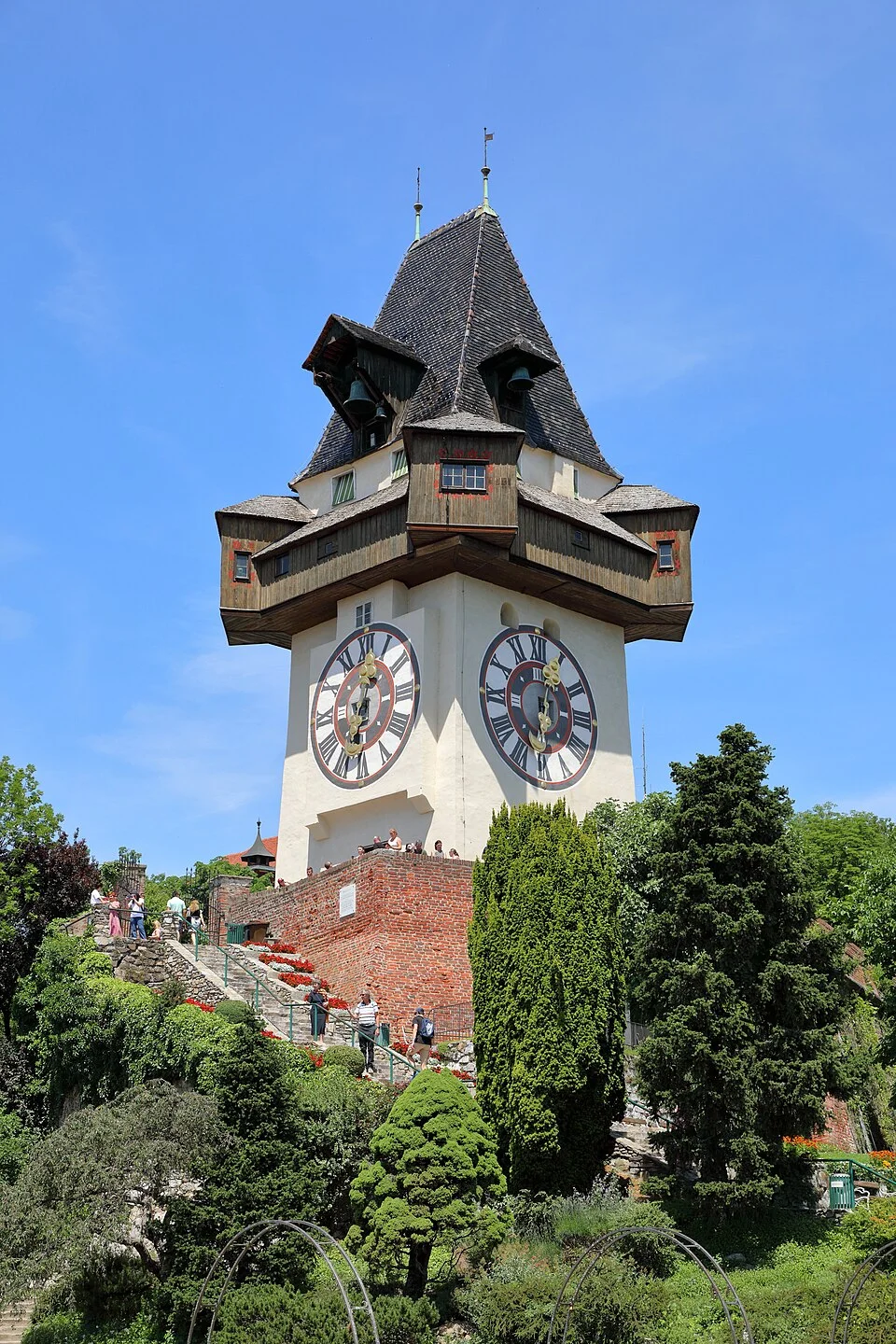

The Stork suggests a small photography exercise. After taking the tower's picture, turn around and make the city it overlooks your subject. Instead of several nearly identical frames, choose different scenes that explain both the landmark and its surroundings. Your visual memory of the day will become more varied without adding another destination or rushing to another viewpoint.
Murinsel and contemporary riverside architecture
The Murinsel is the unusual steel structure on the Mur, designed by Vito Acconci for Graz's year as European Capital of Culture in 2003. Think of it as a new relationship between river and city rather than a natural island. Include a stop during your riverside walk, and check separate current arrangements if you want to use the cafe or attend an event.


The nearby Kunsthaus provides another option for people interested in contemporary architecture. Looking at the exterior and visiting an exhibition are different decisions. If the current programme appeals to you, give it time; if the building itself is your main interest, you can keep the river walk flowing. This part of Graz adds a different visual language to the visit beyond the historic centre.
Choose Eggenberg or a museum for the second day
Schloss Eggenberg works best as a separate visit block. Gardens, palace interiors and collections may have different access and ticket arrangements. Consult the official programme for your date and choose the parts that suit you. Plan the real journey between your accommodation and the relevant entrance: a palace visit involves more than the distance displayed on a map.
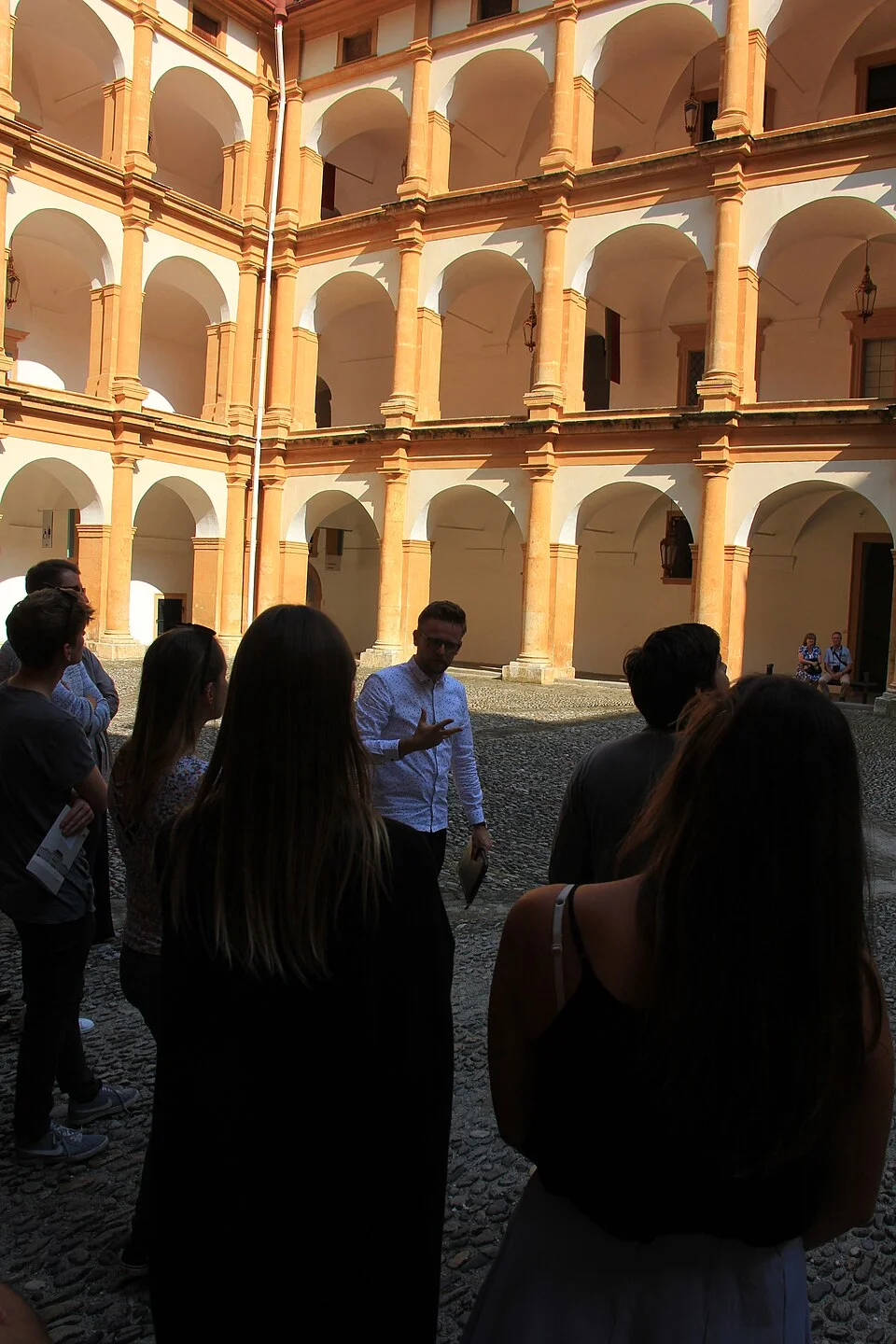

If you prefer not to use the second day for the palace, choose one central museum and leave the remaining time for a neighbourhood walk. Prioritise art, history or architecture instead of putting every cultural stop into the same day. Returning for a meal in a street you enjoyed can be more rewarding than adding another new location. Our route helps with choices; it should not replace your own curiosity.
Food with a Styrian connection
Pumpkin-seed oil and the large beans known as Käferbohnen are important parts of Styria's regional food identity. Ask about current local dishes to get acquainted with these ingredients. If you want a tasting experience, check timing and reservation requirements separately; a promoted activity is not necessarily open to spontaneous participation. Shopping for regional products can also become a relaxed stop in its own right.
Balance a quicker meal with one where you have time to sit. For allergies or dietary preferences, clarify ingredients including sauces and oils. A city's gastronomic promotion does not mean every business offers the same prices or quality. Compare the menu with your own expectations and budget. This guide offers food-planning ideas without claiming a personally tested restaurant experience or a fixed current price.
Accommodation, transport and the day's rhythm
Accommodation around the historic centre may suit a first visit focused on central walks. Options across the Mur can be compared with a riverside programme in mind. Staying near the Hauptbahnhof may help with an early train, but build the route from the actual hotel entrance rather than its name. Examine potential noise, lifts, steps and cancellation terms before booking.
Use a current journey planner for local travel and Eggenberg; do not rely on an old article's tram number without checking it. Comfortable shoes and a rain layer can help on the walking-focused first day. Combine a central square, Schlossberg and the Mur, then use the second for one longer visit. Put meals and return connections into this sequence so that the trip remains manageable.
Frequently asked questions
How many days should I spend in Graz?
Two days offer a flexible first centre walk and a selected cultural visit. More collections or excursions may need additional time.
Can I enter the Clock Tower whenever I want?
Interior visits follow guided-tour arrangements. Plan the exterior stop separately from access inside.
Can I reach Schlossberg without climbing stairs?
Funicular and lift options are available. Check current operation and access conditions to choose the route that meets your needs.
Sources and current visitor information
Information checked on 1–2 October 2026. Recheck official admission, works and menu arrangements for your travel date.
- service.graztourismus.at — regional products
- service.graztourismus.at — sights
- graztourismus.at — sightseeing kultur
- graztourismus.at — clock tower_shg_1488
- graztourismus.at — island in the mur_shg_1470
The Tatilmerkezi Stork is our brand's storytelling character. This guide combines official sources and editorial route suggestions; it is not a personal travel diary.