

The most useful way to choose places to visit in London is to group nearby stops into manageable days. You could spend one day around Westminster and the Thames, another with paintings and central neighbourhoods, and a third around Tower Bridge. This gives each area some breathing space instead of turning the trip into repeated journeys across the city.
How to plan a first trip to London
Start with three places you particularly want to see. Schedule those needing reservations first, then add walks and meals around them. If you plan to see a theatre performance, allow time to reach the venue from your final daytime stop. Rather than placing a substantial museum visit and two major paid experiences on the same day, choose a clear priority.
London's official visitor guide brings together central areas such as Westminster, Covent Garden and Soho with museums, historic sights and shows. Use Visit London's first-time guide to identify the interests you want your trip to reflect.
Westminster and South Bank: a day around the Thames
South Bank and Waterloo lie on the southern side of the Thames and bring together attractions and cultural venues including the London Eye and Southbank Centre. The official area guide is a useful starting point for combining riverside time with an indoor visit.
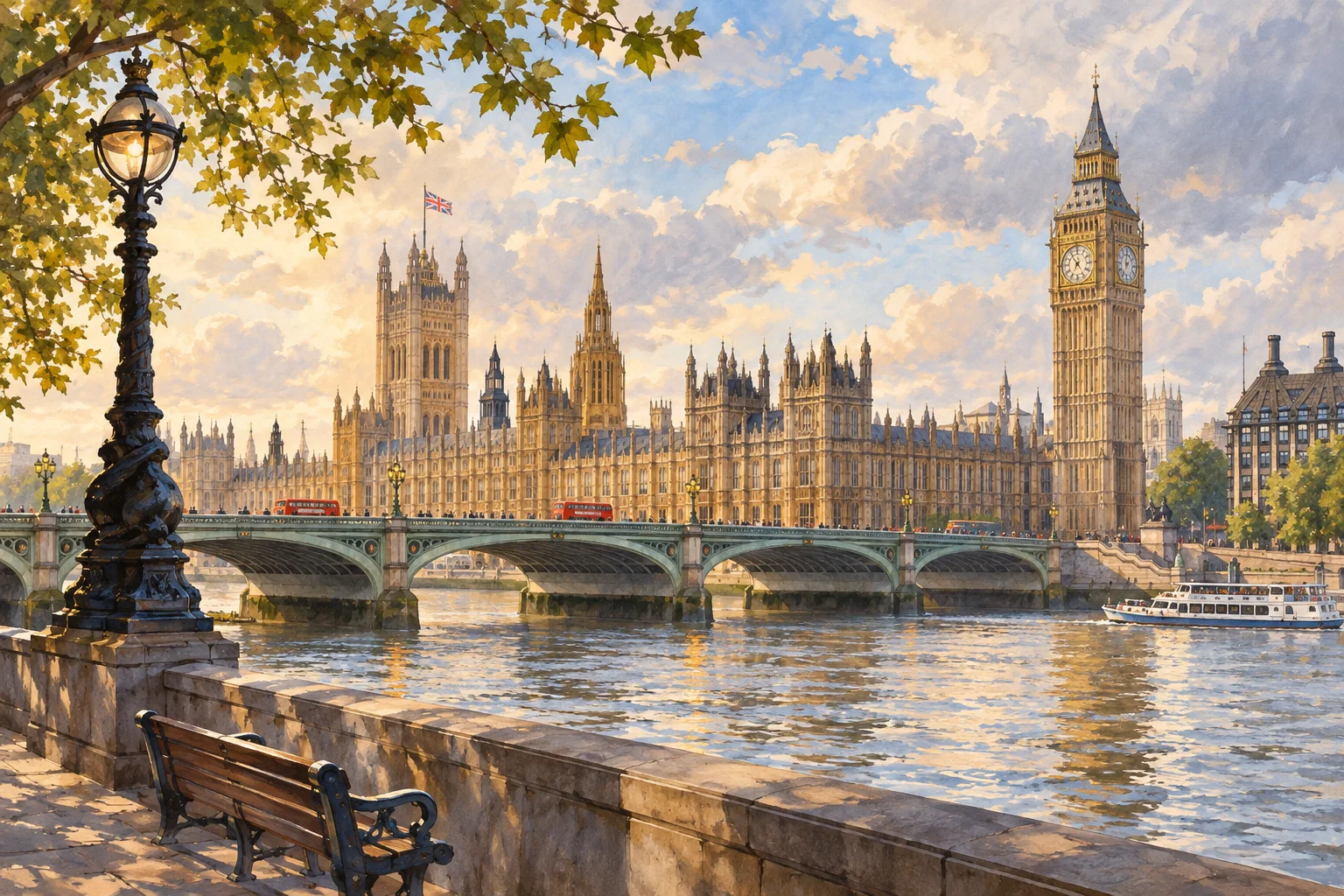
Our suggestion is to make the outdoor sights around Westminster and a riverside walk the day's main thread. Choose a paid attraction beforehand if one appeals, without feeling obliged to enter every place you pass. Count photographs, food and rest as real parts of the schedule. If rain becomes persistent, shorten the walk and give your chosen cultural stop more time.
National Gallery: build an art visit around your interests
General admission to the National Gallery in Trafalgar Square is free, while some exhibitions have a separate charge. The gallery offers advance free tickets and also allows walk-up entry. Check its official visiting page for arrangements and the current location of any painting you particularly want to see.
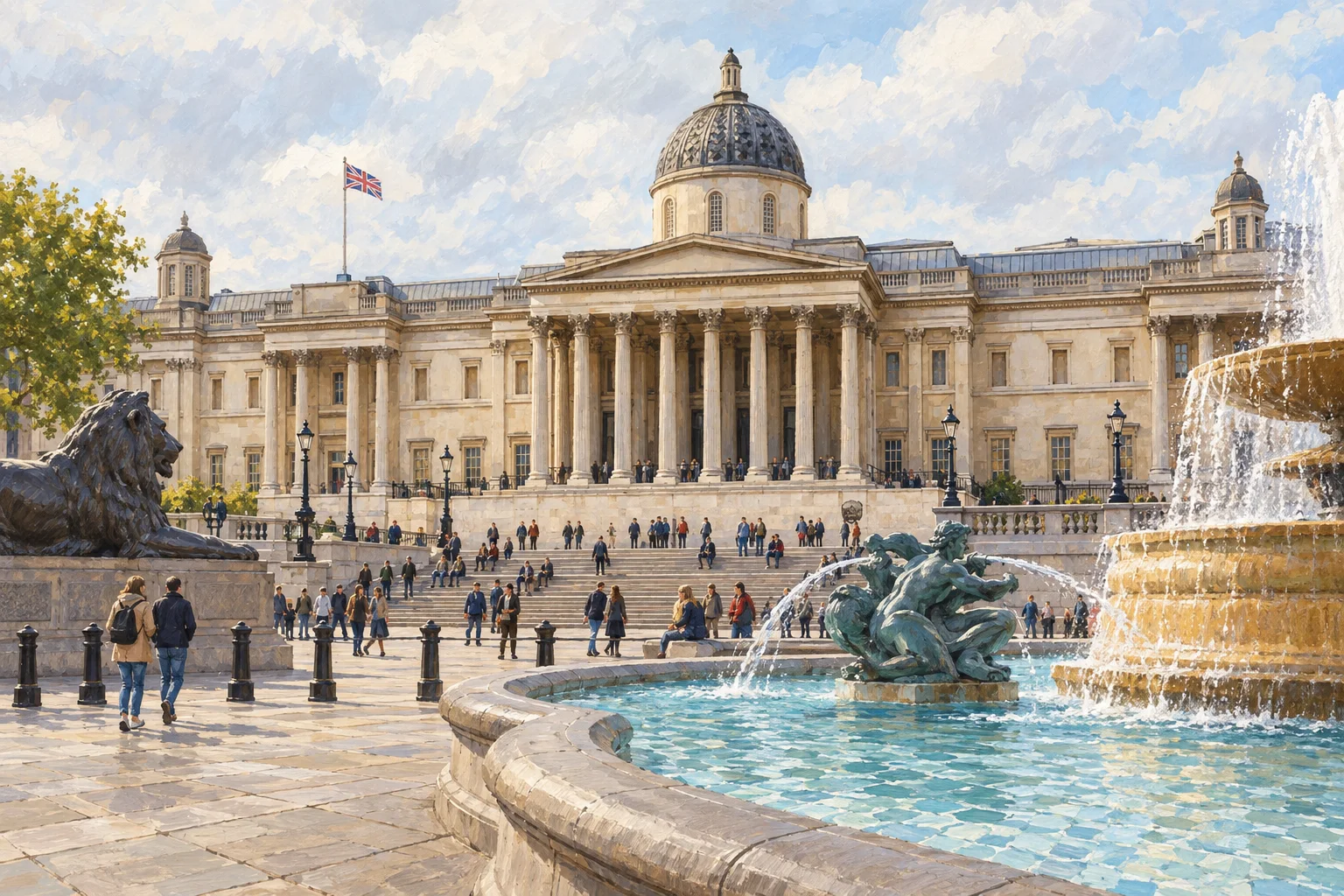
Select two or three artists, or a type of painting, before arriving. That small preparation can encourage closer looking rather than aimless movement between rooms. The gallery need not be only a wet-weather alternative; for an art-focused trip, it can be the main activity of the day. Leave space afterwards for a short central walk or an unhurried meal.
Tower Bridge: distinguish the view from the inside visit
A ticketed visit inside Tower Bridge includes the high-level walkways, glass floors and historic Engine Rooms. This is a separate experience from viewing the bridge from the riverside. Check the included spaces, ticket choices and access information on the official Tower Bridge website.
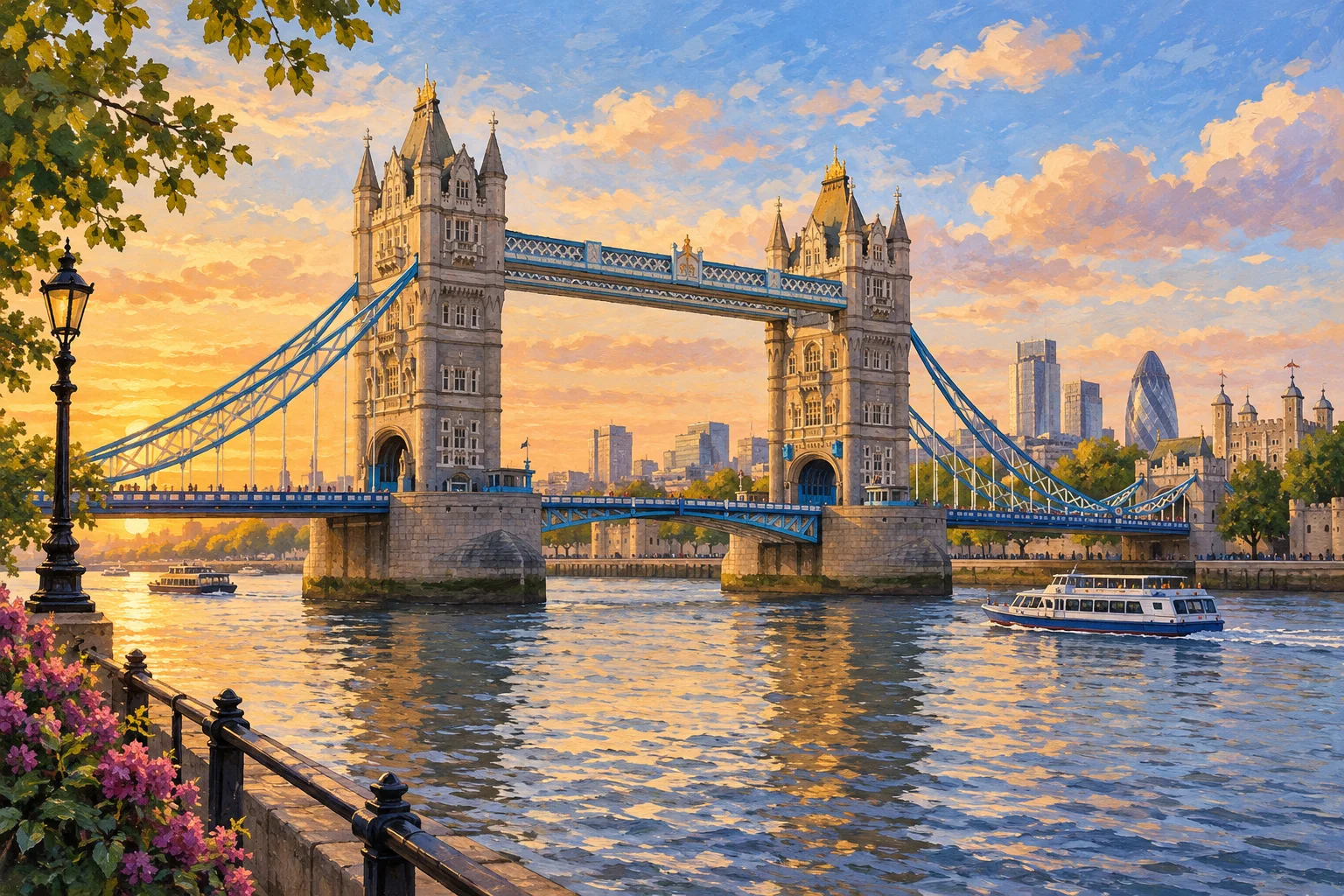
If you mainly want photographs and a walk, you do not need to arrange the whole day around an indoor visit. If you do want to go inside, organise the surrounding stops around your entry time. A bridge lift is a timing-dependent event: consult the official schedule rather than treating one as a guaranteed part of any visit.
London transport: Oyster or contactless?
TfL explains pay-as-you-go travel using Oyster or an accepted contactless card or device. With contactless, use the same card or device to touch in and out; starting with a phone and finishing with its physical bank card can create separate records. On buses and trams, touch in only. Check the TfL payment guide for details and card suitability.
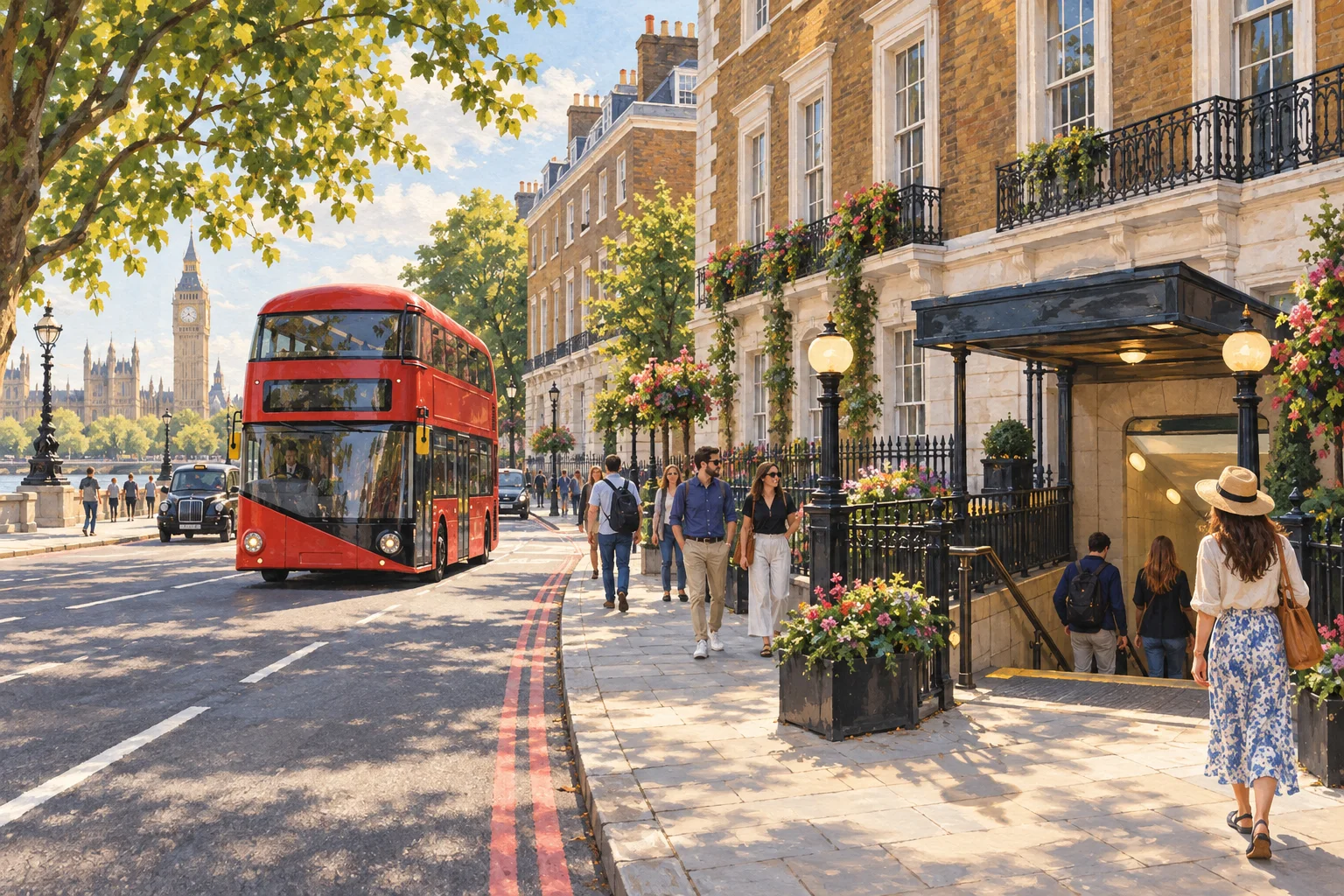
Choose a payment approach after checking the actual airport-to-hotel and sightseeing journeys you expect to make. Compare the route from a property's address to your first stop rather than relying on the phrase “close to the centre”. For mobility needs or a pushchair, consult station access information as well as the network map.
A suggested three-day London itinerary
| Day | Main plan | Flexible addition |
|---|---|---|
| 1 | Westminster and South Bank | One paid experience or a longer riverside break |
| 2 | National Gallery and central London | Covent Garden or Soho according to your interests |
| 3 | Tower Bridge area | An inside visit or a photography walk |
This is our editorial suggestion for simplifying daily choices. An art lover could expand the second day; a family might choose only one main stop on each day. Avoid carrying an exhausting first day straight into an unnecessarily early reservation the next morning.
A budget and accommodation comparison checklist
- Accommodation: Compare room cost, breakfast, cancellation terms and the evening journey back.
- Transport: Budget for the airport journey separately and check the exact coverage of any ticket you consider.
- Visits: Distinguish free collections from paid exhibitions. Before buying a sightseeing pass, add up the visits you would genuinely use.
- Food: Allow separately for seated meals and quick lunches. Check menus for service charges or other additions to the displayed prices.
Frequently asked questions
Can you explore London on foot?
You can combine nearby central sights into walks. Select one daily area and plan transport for longer connections instead of treating the whole city as a single walking route.
Does free museum admission mean no booking is needed?
No: price and reservation requirements are separate questions. Check the institution you want to visit rather than applying one gallery's arrangements to every museum.
Must these days be followed in this order?
You can rearrange them around reservations and the weather. Recheck opening hours, prices, transport services and temporary closures directly with the relevant operators before your visit.